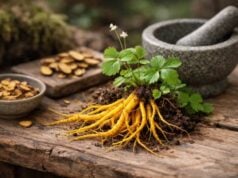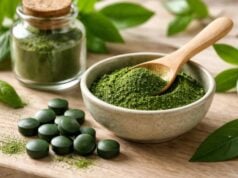
Chaga (Inonotus obliquus) is a dark, charcoal-like fungus that grows mainly on birch trees in cold northern climates. Unlike many “mushroom supplements,” chaga is typically consumed as a simmered tea or concentrated extract because its most discussed compounds—beta-glucans, melanin-rich polyphenols, and triterpenoids—are not easily accessed without heat and time. Traditionally, chaga has been used as a daily tonic for resilience, digestion, and winter wellness. Today it is most often taken for immune balance, antioxidant support, and metabolic goals such as blood sugar and lipid markers, though human research is still emerging.
Chaga also comes with practical cautions. Its oxalate content varies widely by source and product type, and excessive intake has been associated with kidney injury in rare cases. Quality matters too: some products sold as “chaga” are primarily mycelium grown on grain, which can change the chemistry and the expected effects. This article explains what chaga is, what’s in it, what benefits are realistic, how to use it well, and how to approach dosing and safety with clear boundaries.
Quick Overview
- May support immune balance and antioxidant defenses when used consistently as a tea or properly extracted supplement.
- Often used for metabolic support, but effects in humans are usually modest and require weeks of use.
- Common daily ranges are about 1–3 g/day extract powder or 2–4 g/day dried chaga for decoction, depending on product strength.
- Excessive or long-term high intake may increase kidney risk in susceptible people due to oxalates.
- Avoid if you have kidney disease or a history of oxalate stones, use blood thinners, or are pregnant or breastfeeding.
Table of Contents
- What is chaga?
- Chaga key ingredients
- What does chaga help with?
- How to use chaga
- How much chaga per day?
- Chaga safety and interactions
- What the evidence says
What is chaga?
Chaga is a fungus best known for the rugged, black mass it forms on living birch trees. Technically, that mass is not a typical mushroom “cap.” It is a sterile, hardened growth (often described as a sclerotium or canker-like conk) that develops as the fungus interacts with the tree over many years. This matters because the part people harvest and brew is not the same as the fruiting bodies used for many other medicinal mushrooms. Chaga’s chemistry reflects both the fungus itself and its long relationship with birch, which is one reason chaga is often discussed as a unique category rather than “just another mushroom powder.”
Where it grows and why that matters
Chaga thrives in colder northern regions, including parts of Northern Europe, Russia, Canada, and the northern United States. It prefers birch and draws certain compounds from the tree over time. That long growth cycle contributes to two realities:
- Authenticity and potency vary. Wild chaga from different regions can have noticeably different levels of key compounds.
- Sustainability is a real concern. Because chaga grows slowly, careless harvesting can reduce local supply and damage trees unnecessarily.
Chaga vs mycelium products
When you shop for chaga, you are often choosing between very different materials:
- Wildcrafted chaga canker (the black mass): typically richer in melanin and certain triterpenoids associated with birch-derived chemistry.
- Cultivated mycelium on grain: often easier and cheaper to produce, but may be higher in starch and lower in chaga-specific markers found in wild canker material.
Neither is automatically “bad,” but they are not equivalent. If you are using chaga for the classic tea-like experience and the compounds most often discussed in traditional use, products that clearly identify the harvested part and extraction method are usually easier to evaluate.
What chaga feels like in real life
Chaga tea is earthy and mild, often described as vanilla-leaning, woody, and slightly bitter. Many people find it gentler than coffee and less stimulating than caffeine. In practice, the “benefit” you notice first is often ritual and consistency: a warm drink you can take daily without feeling wired. For those chasing a dramatic effect, chaga may feel subtle. It tends to fit best when you treat it as a supportive habit rather than a quick fix.
Chaga key ingredients
Chaga’s reputation comes from a blend of polysaccharides, pigments, and triterpenoids—plus some less-discussed components that matter for safety and product quality. The most useful way to understand “key ingredients” is to link them to how chaga is prepared: hot water pulls out certain compounds, while alcohol extracts pull out others. A product’s extraction method is often more important than marketing language.
Polysaccharides and beta-glucans
Chaga contains polysaccharides, including beta-glucans, that are commonly associated with immune signaling in medicinal mushrooms. In practical terms, these compounds are part of why chaga is used for “immune support,” but a more accurate phrase is immune modulation—supporting a balanced response rather than simply boosting activity. Beta-glucans are also one reason chaga is typically simmered or extracted: they are not efficiently accessed by simply swallowing raw chunks.
Melanin complex and polyphenols
The dark color of chaga is not just aesthetic. Chaga is rich in melanin-like pigments and polyphenols that contribute to antioxidant capacity. Antioxidant activity is sometimes oversold, but it can be meaningful as part of a broader health strategy—especially if chaga replaces a less supportive beverage habit. If you like comparing antioxidant strategies across foods, green tea’s antioxidant profile and benefits offers a useful reference point for how beverage-based polyphenols can fit into daily routines without becoming a cure-all narrative.
Triterpenoids and birch-related compounds
Chaga is often discussed for triterpenoids such as inotodiol and related compounds, along with birch-associated chemistry (commonly referenced in discussions of betulin and betulinic acid). These compounds are more soluble in alcohol than in water, which is why some people prefer dual extracts (water + alcohol) if they want a broader chemical spectrum. The tradeoff is that extracts vary widely by quality, and “full spectrum” is not a regulated standard.
Minerals, ash content, and oxalates
Chaga can contain minerals and a high “ash” fraction depending on harvest and processing. More importantly for safety, chaga can contain oxalates, which can be a concern for people prone to kidney stones or kidney disease. Oxalate levels are not uniform across all products, and extremely high intake appears to be the primary risk pattern. This is a strong argument for modest dosing and for avoiding “mega-dose” habits.
The takeaway: chaga is chemically rich, but those compounds show up differently depending on whether you drink a decoction, take an extract, or use a product made from mycelium on grain. Knowing what you bought is half of using it well.
What does chaga help with?
Most people take chaga for three overlapping goals: immune balance, antioxidant support, and metabolic wellness. The key is setting realistic expectations. Chaga is not a fast-acting stimulant, and it is not a replacement for medical treatment. It fits best as a steady, low-drama addition to a health routine.
Immune balance and seasonal resilience
Chaga is commonly used during colder seasons or high-stress periods when sleep and recovery feel fragile. Its polysaccharides and beta-glucans are often discussed as supporting immune signaling. In practice, the “benefit” people report is fewer hard crashes after long weeks, or a sense that they bounce back more smoothly. That is subjective and not a guarantee, but it matches how immune-modulating foods and herbs tend to be experienced: gradually, not dramatically.
If your main interest is medicinal mushrooms for immune support, it can help to compare chaga with other well-known options. For example, reishi mushroom benefits and dosing basics provides a helpful contrast: reishi is often chosen for stress-sleep-immune overlap, while chaga is often chosen for antioxidant and “tonic beverage” appeal.
Oxidative stress and inflammation support
Chaga’s melanin-rich polyphenols are one reason it is marketed for inflammation and “cellular defense.” A grounded view is that chaga may support antioxidant capacity and inflammatory balance as part of a pattern that also includes diet quality, exercise, sleep, and stress management. If those foundations are missing, chaga rarely compensates.
Metabolic wellness: blood sugar and lipids
Chaga is frequently discussed for blood sugar, insulin sensitivity, and cholesterol markers. The strongest signals here come from preclinical research (cell and animal studies), with limited human data. Still, some people find chaga useful as a habit-based support: replacing sweetened beverages, building a consistent morning routine, and pairing it with meals that stabilize blood sugar.
Gut comfort and digestion
Chaga tea is sometimes used for gentle digestive support, especially when coffee feels harsh. This may relate to its low acidity and the way warm, bitter-leaning beverages can support digestion for some individuals. It is not a direct laxative or a targeted IBS treatment, but it may be a friendlier alternative drink for sensitive stomachs.
Energy and mental clarity (subtle)
Some people describe chaga as supporting “steady energy,” but this is typically not a stimulant effect. It is more often a combination of hydration, ritual, and reduced reliance on caffeine. If you want a more performance-leaning mushroom profile, chaga may not be the best fit.
Overall, chaga’s most realistic benefits are supportive: better routines, incremental resilience, and subtle improvements that show up when you stay consistent and keep the dose moderate.
How to use chaga
Chaga is most effective when prepared in a way that matches its chemistry. Many of the compounds people want from chaga are best accessed through hot water extraction, long simmering, or a properly made extract. This section focuses on practical forms and how to choose between them.
1) Chaga decoction (simmered tea)
A decoction is the classic way to use chaga because it extracts water-soluble compounds more thoroughly than a quick steep.
A practical method:
- Add chaga chunks or coarsely ground chaga to a pot of water.
- Simmer gently (not a hard boil) for 30–60 minutes.
- Strain and drink warm, or cool and store in the refrigerator for up to 2–3 days.
Many people reuse the same chunks multiple times until the brew becomes noticeably pale. This can be economical and also encourages moderation: you naturally “cycle” the intensity rather than pushing higher and higher doses.
2) Instant powders and extract powders
These can be convenient, but they are not all the same. “Powder” might mean raw ground chaga (which still benefits from simmering) or it might mean a hot-water extract powder that dissolves easily. Look for clear language such as:
- “Hot water extract” or “water-extracted”
- An extraction ratio (for example, 10:1)
- Beta-glucan content or at least total polysaccharide content from a credible assay
If a powder is raw ground material, mixing it into hot water may not replicate a simmered decoction. In that case, treating it as a cooking ingredient (simmering) is often more effective than stirring and sipping.
3) Dual extracts (water + alcohol)
Dual extracts aim to capture both water-soluble polysaccharides and more alcohol-soluble triterpenoids. This can be useful if you want a broader profile, but it also increases variability across products. If you choose a tincture or dual extract, prioritize clear labeling and third-party testing where possible.
4) Product quality: what to check
Chaga quality concerns are unusually common. Practical red flags include:
- “Mycelium on grain” without clear disclosure (often higher starch)
- No extraction method listed
- No meaningful potency markers beyond “organic” and “wildcrafted”
- A very light-colored powder marketed as pure chaga without explanation
If your goal includes steady energy and stamina, some people pair chaga with other mushroom strategies rather than treating it as a stand-alone solution. For comparison, cordyceps dosing and common uses can help clarify whether you are looking for a tonic beverage (chaga) or a performance-leaning adaptogen-style mushroom (cordyceps).
The best way to use chaga is the way you can sustain: a simple decoction or a clear, well-labeled extract that fits your routine without pushing you toward excessive intake.
How much chaga per day?
Chaga dosing is complicated by product variability. A “teaspoon of chaga” can mean raw ground material, a concentrated extract powder, or a blended product with fillers. The safest and most practical approach is to start low, track tolerance, and prioritize consistent moderate use over high doses.
Typical ranges by form
These ranges are common starting points used in practice-oriented guidance. They are not a guarantee of benefit, and they should be adjusted for individual risk factors.
- Decoction (dried chaga chunks or coarse powder): often around 2–4 g/day of dried material used to simmer tea. Some people use more, but higher intake is where safety concerns become more relevant.
- Hot-water extract powder: often around 1–3 g/day, depending on concentration and label instructions.
- Tinctures or dual extracts: dosing varies widely by extraction strength; follow label directions and avoid stacking multiple chaga products.
If you are new to chaga, a conservative approach is to begin at the low end for 3–7 days and increase only if you tolerate it well.
Timing and frequency
- Morning or midday is common if you use chaga as a coffee alternative.
- With food can reduce stomach sensitivity for some people.
- Daily vs cycling: many people do well with 5 days on and 2 days off, or a few weeks on followed by a week off. Cycling is not mandatory, but it can discourage creeping dose escalation and gives you a built-in check-in point.
How long to trial it
Chaga is usually evaluated over weeks, not days. A reasonable trial framework:
- 2 weeks to assess tolerance and routine fit
- 6–8 weeks to judge “steady state” effects like energy stability, recovery, or digestive comfort
- Stop if you notice side effects or if you find yourself increasing dose chasing a stronger effect
Dosage variables that matter more than the number
- Extraction method: a properly extracted powder can be stronger per gram than raw material.
- Authenticity: wild chaga canker vs mycelium-on-grain products behave differently.
- Baseline risk: kidney stone history, anticoagulant use, autoimmune disease, and diabetes medication use all change what “reasonable” means.
A helpful mindset is to treat chaga like a daily beverage herb: it should feel easy, sustainable, and modest. If your plan depends on very high doses to feel anything, that is often a sign to reassess product quality or choose a different tool.
Chaga safety and interactions
Chaga is widely used, but “widely used” is not the same as “risk-free.” The most important safety issues with chaga are kidney risk in vulnerable individuals, potential bleeding risk in certain contexts, and product quality uncertainty. Most problems show up when intake becomes excessive, when people stack multiple products, or when chaga is used despite clear contraindications.
Kidney considerations and oxalates
Chaga can contain meaningful oxalate levels, and rare reports link heavy intake to oxalate-related kidney injury. Risk appears to rise when people consume large daily amounts for months, especially if combined with other factors that influence oxalate burden. If you have:
- Chronic kidney disease
- A history of calcium oxalate stones
- Unexplained recurrent urinary symptoms
it is prudent to avoid chaga unless a clinician advises otherwise.
Bleeding risk and surgery caution
Some laboratory findings suggest chaga extracts can influence platelet activity. Real-world significance is uncertain, but caution is reasonable if you:
- Take anticoagulants or antiplatelet medications
- Have a bleeding disorder
- Are preparing for surgery or dental procedures
A conservative approach is to pause chaga (and other nonessential supplements) in the days to weeks before procedures, following clinician guidance.
Blood sugar and diabetes medications
Because chaga is used for metabolic support, it sometimes overlaps with diabetes medicines. If chaga lowers blood glucose even slightly in a medicated person, it could increase hypoglycemia risk. If you take insulin or glucose-lowering medication, monitor readings more closely when introducing chaga and avoid high doses.
Autoimmune disease and transplant situations
Chaga is often described as immune-modulating. For autoimmune conditions, this can be unpredictable, and for transplant recipients it can be inappropriate. Avoid chaga unless your specialist explicitly approves if you:
- Use immunosuppressant medications
- Have an autoimmune diagnosis where immune stimulation could worsen symptoms
Quality and contamination concerns
Wild-harvested fungi can accumulate environmental contaminants. While many producers test responsibly, not all do. Look for transparency around:
- Heavy metal testing
- Microbial testing
- Clear identification of the material (wild canker vs mycelium on grain)
If you develop unusual fatigue, itching, dark urine, persistent nausea, or new swelling while using any supplement, stop and seek medical advice. The safest chaga routine is moderate, time-limited when needed, and aligned with your personal risk factors.
What the evidence says
Chaga research is rich in laboratory and animal studies, while human clinical evidence remains limited. That does not make chaga “ineffective,” but it does mean you should treat most claims as promising hypotheses rather than settled conclusions. The evidence picture becomes clearer when you separate what is strongly supported (chemistry and mechanisms) from what is still uncertain (clinical outcomes).
What we know with high confidence
- Chaga contains bioactive polysaccharides, pigments, and triterpenoids. Multiple analytical studies confirm a meaningful chemical profile, and the profile differs depending on whether the material is wild chaga canker or cultivated mycelium products.
- Extraction changes the result. Hot water extraction favors polysaccharides, while alcohol extraction captures more triterpenoid content. This is straightforward chemistry, but it has big implications for product selection.
Where the evidence is suggestive
- Immune signaling and inflammatory pathways: preclinical models show changes in cytokine signaling and oxidative stress markers, which is consistent with “immune modulation” claims.
- Metabolic markers: animal studies commonly report improvements in glucose metabolism, lipid markers, and oxidative stress under metabolic stress conditions. Translating this into human outcomes is still an open question.
Where evidence is weak or easily overstated
- Cancer claims: there is significant preclinical interest, but laboratory and animal findings do not equal a treatment effect in humans. Chaga should not be positioned as a cancer therapy, and it should never delay conventional care.
- Broad “detox” or “cleanse” narratives: these are marketing framings more than evidence-based conclusions.
Safety evidence is part of the story
The evidence base includes rare but important reports of kidney injury associated with very high intake, reinforcing the practical recommendation to avoid megadosing and to treat chaga as a moderate supplement.
How to use the evidence responsibly
A good evidence-aligned approach looks like this:
- Choose chaga for goals it plausibly supports (routine-based resilience, antioxidant support, gentle metabolic support).
- Use a preparation that matches the compounds you want (decoction or properly labeled extract).
- Track outcomes you can actually observe (energy stability, digestive comfort, labs if you and your clinician monitor them).
- Stop if you need to escalate dose to keep feeling a benefit.
Chaga can be a valuable part of a wellness routine, but the most defensible claims are modest: supportive, not curative; complementary, not substitutive.
References
- Comparative Study of Chaga (Inonotus obliquus) Dietary Supplements Using Complementary Analytical Techniques – PMC 2025 (Quality and Authentication Study)
- A brief overview of the medicinal and nutraceutical importance of Inonotus obliquus (chaga) mushrooms – PMC 2024 (Review)
- Therapeutic properties of Inonotus obliquus (Chaga mushroom): A review – PMC 2023 (Review)
- Recent Developments in Inonotus obliquus (Chaga mushroom) Polysaccharides: Isolation, Structural Characteristics, Biological Activities and Application – PMC 2021 (Review)
- Chaga mushroom-induced oxalate nephropathy that clinically manifested as nephrotic syndrome: A case report – PMC 2022 (Case Report)
Disclaimer
This article is for educational purposes only and does not provide medical advice. Chaga supplements and teas can cause side effects and may interact with medications. Avoid chaga if you are pregnant or breastfeeding, have kidney disease or a history of oxalate kidney stones, have a bleeding disorder, are preparing for surgery, take anticoagulant or antiplatelet medications, use glucose-lowering drugs, or are immunosuppressed. Speak with a qualified healthcare professional before starting chaga if you have a chronic condition or take prescription medicines, and stop use promptly if you develop concerning symptoms such as persistent nausea, dark urine, swelling, unusual fatigue, or urinary changes.
If this guide helped you, please share it on Facebook, X (formerly Twitter), or your preferred platforms so others can make safer, better-informed choices.