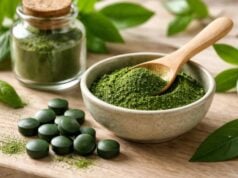
Cheeseweed (Malva parviflora) is a humble mallow-family plant often found along roadsides and garden edges, yet it has a long history as both a wild food and a soothing folk remedy. Its standout feature is mucilage—a slippery, gel-forming fiber that can coat and calm irritated tissues. That simple trait helps explain why cheeseweed is traditionally used for dry coughs, scratchy throats, mild stomach irritation, and sensitive skin. Alongside mucilage, the plant contains polyphenols, flavonoids, and plant sterols that show antioxidant and anti-inflammatory activity in lab and animal research.
At the same time, cheeseweed isn’t a “strong” stimulant herb; it’s more of a comfort plant—best suited to gentle, short-term support and topical soothing. Because modern human studies are limited, smart use means staying conservative with dose, choosing clean plant material, and prioritizing safety—especially if you’re pregnant, managing a chronic condition, or taking daily medications.
Essential Insights
- May soothe dry cough and throat irritation by coating tissues with mucilage.
- Can support gentle digestive comfort during mild gastritis or irritation.
- Take oral medicines 2 hours apart; mucilage may reduce absorption.
- Typical tea dose: 1.5–3 g dried leaf per cup, up to 3 cups daily.
- Avoid during pregnancy or breastfeeding, and use extra caution with chronic heart or muscle conditions.
Table of Contents
- What is cheeseweed?
- Key ingredients and mucilage
- Health benefits and realistic outcomes
- How to use it daily
- How much cheeseweed per day
- Safety, interactions, and who to avoid
- What the evidence says
What is cheeseweed?
Cheeseweed is a common name for Malva parviflora, a member of the Malvaceae (mallow) family. Depending on your region, you may also hear it called cheeseweed mallow, little mallow, or small-whorl mallow. The “cheeseweed” nickname comes from its distinctive, button-like seed pods that resemble tiny wheels of cheese.
In practical terms, cheeseweed sits at the intersection of edible wild green and gentle demulcent herb. The young leaves and tender stems have been eaten cooked (similar to other mild leafy greens), while infusions, decoctions, and poultices have been used traditionally for soothing and softening effects—especially when tissues feel dry, hot, or irritated.
How to recognize it
While exact appearance varies with growing conditions, cheeseweed often has:
- Rounded to slightly lobed leaves with visible veins and a soft texture
- Small pale flowers (often pinkish or whitish) that don’t look showy from a distance
- A low, spreading habit when young, sometimes becoming more upright with age
- Wheel-shaped seed clusters that form after flowering
Correct identification matters because “mallow” is a common umbrella term across multiple species. If you forage, use a trusted local plant guide or expert confirmation before eating or making herbal preparations—especially in areas where look-alikes grow.
Why people still use it
Cheeseweed is most valued for comfort rather than intensity. If you want something that feels calming on a scratchy throat, or you’re looking for a simple plant to include as a cooked green, it’s an approachable option. If you’re curious about related mallows with similar soothing traditions, you might also explore mallow’s traditional soothing uses and compounds for broader context within the same plant family.
The bottom line: cheeseweed is best thought of as a mucilage-rich, tissue-soothing plant that may offer mild support for irritation—used sensibly, with realistic expectations and careful sourcing.
Key ingredients and mucilage
If cheeseweed has a “signature,” it’s mucilage—a group of water-loving polysaccharides that swell into a gel. When prepared properly, mucilage can form a protective, lubricating layer over tissues. That physical action (coating and moisture retention) is a big reason mallow-family plants show up repeatedly in traditions for throat, stomach, and skin comfort.
Mucilage: the main functional ingredient
Mucilage is less about forcing a biochemical change and more about changing the surface environment:
- Throat and upper airway: helps reduce the sensation of dryness and scratchiness
- Stomach lining: may buffer irritation by coating and slowing direct contact with irritants
- Skin: can soften and calm by reducing friction and supporting hydration
A useful nuance: mucilage extraction depends on method. Cold infusions often preserve a silkier mucilage profile (less harsh extraction), while hot tea may feel more “herbal” but sometimes yields a slightly different texture.
Polyphenols and flavonoids
Cheeseweed contains plant antioxidant compounds such as phenolic acids and flavonoids. These compounds are widely studied across many plants for their roles in oxidative balance and inflammatory signaling. In cheeseweed, they may complement mucilage by supporting the body’s response to irritation—though the strongest evidence remains preclinical.
Plant sterols and fatty acids
Like many leafy plants and seeds, Malva parviflora contains sterols (plant-based compounds structurally similar to cholesterol) and fatty acids. In research settings, sterols and certain lipids can influence inflammation-related pathways. Practically, these are part of the plant’s broader “matrix” rather than a reason to chase high-dose supplementation.
Minerals and gentle food value
When used as a cooked green, cheeseweed contributes fiber and micronutrients found in leafy plants. The exact nutrient profile varies with soil, climate, and harvest stage—another reason to view cheeseweed as a food-herb rather than a standardized supplement.
If you already use classic mucilage herbs and want a comparison point, marshmallow root’s mucilage-focused uses can help illustrate what mucilage does well—and what it doesn’t.
Health benefits and realistic outcomes
Cheeseweed is most promising for comfort-driven goals—situations where coating, soothing, and gentle anti-irritant action are the desired outcomes. It’s less suitable as a “quick fix” for severe symptoms or as a stand-alone treatment for medical conditions.
1) Soothing dry cough and irritated throat
For a dry, tickly cough or scratchy throat, mucilage can be helpful because it:
- Coats the throat and may reduce the urge-to-cough sensation
- Supports moisture at the tissue surface
- Feels calming when sipped warm (or soothing when used as a cool infusion)
Realistic expectation: you may notice symptom relief within 10–30 minutes after sipping, but the effect is typically temporary and best for mild to moderate irritation.
2) Digestive comfort for mild irritation
Cheeseweed is often used when the stomach feels “raw,” especially with:
- Mild gastritis-type discomfort
- Occasional irritation after spicy foods, coffee, or NSAID sensitivity
- A general need for gentle, non-stimulating support
Realistic expectation: think soothing and buffering, not “acid suppression.” If you have persistent reflux, black stools, vomiting blood, or unexplained weight loss, treat that as medical territory.
3) Skin calming and support during minor irritation
Topically, cheeseweed preparations may help:
- Reduce tight, dry sensations
- Calm minor redness from friction or dryness
- Support comfort around superficial irritation
Realistic expectation: it’s best for minor issues and as an adjunct (for example, alongside basic wound hygiene), not as a replacement for medical care.
4) Broader antioxidant and metabolic interest
Because cheeseweed contains polyphenols and other bioactives, it’s sometimes discussed for metabolic or inflammatory balance. However, translating lab findings into real-world outcomes is not straightforward. If you’re exploring plant-based support for metabolic health, keep cheeseweed in the “adjunct” category—useful, potentially supportive, but not a substitute for nutrition basics, movement, sleep, and clinical care.
A practical way to use cheeseweed benefits is to match the form to the goal: cold infusion for throat coating, warm tea for comfort and routine, and topical paste for localized soothing.
How to use it daily
Cheeseweed can be used as a food, a tea/cold infusion, or a topical preparation. The best method depends on what you’re trying to support—and how sensitive you are to plants in general.
As a cooked green (food use)
If you have verified identification and clean sourcing, young leaves can be cooked similarly to spinach or other mild greens:
- Rinse thoroughly and discard tough stems
- Lightly sauté, steam, or add to soups
- Combine with aromatics (garlic, onion) and fats (olive oil) for better flavor
Food use tends to be the gentlest option because the dose is naturally self-limiting and spread across a meal.
As a tea (warm infusion)
Warm tea is a classic approach for comfort:
- Add dried leaf to hot water
- Cover and steep
- Strain and sip slowly
Warmth adds a calming ritual benefit, and sipping slowly increases throat contact time.
As a cold infusion (often best for mucilage)
Cold infusion can create a more noticeably “slick” texture:
- Add dried leaf to room-temperature water
- Steep for several hours
- Strain well
Many people prefer cold infusion for throat coating because it can feel more mucilage-forward.
Topical use: poultice or compress
For localized soothing:
- Make a thick paste with clean, crushed fresh leaf (or rehydrated dried leaf) and a small amount of water
- Apply to intact skin or minor superficial irritation (not deep wounds)
- Cover with clean cloth for 10–20 minutes
- Remove and rinse gently
Patch test first on a small area, especially if you have sensitive skin.
If you like blending gentle skin herbs, cheeseweed pairs well with calming botanicals—many people combine it with calendula-based skin soothing preparations for a more rounded topical routine (while still keeping the overall approach gentle).
How much cheeseweed per day
There is no universally established “official” dose for cheeseweed in humans. The most responsible approach is to use conservative, traditional-style ranges, adjust for the form you’re using, and keep the goal in mind: cheeseweed is typically used for short-term soothing, not high-dose, long-term supplementation.
Common tea ranges (adult)
A practical starting range for dried leaf tea is:
- 1.5–3 g dried leaf per 240 ml (8 oz) water
- Up to 2–3 times daily
How to adjust:
- Start at the low end if you’re sensitive, small-bodied, or new to mucilage herbs
- Move toward the higher end if you’re using it briefly for throat comfort and tolerating it well
- If your tea tastes very mild, resist the urge to “over-pack” the herb—consider steep time and preparation style instead
Cold infusion ranges (adult)
Cold infusions are often made slightly stronger because they’re less extractive in other ways:
- 2–5 g dried leaf per 250–500 ml water
- Steep 4–8 hours, then strain
- Sip slowly over the day, or use a portion for targeted throat soothing
If the texture becomes unpleasantly thick, reduce herb amount or steep time.
Food amounts
As a cooked green, a reasonable serving is similar to other leafy vegetables:
- ½–1 cup cooked greens as part of a meal, a few times per week (based on tolerance and sourcing)
Food use is a good choice if you want gentle exposure without treating it like a supplement.
Topical preparation guidance
For topical use, think in terms of concentration and contact time rather than “mg”:
- Apply a thin layer of paste or compress
- 10–20 minutes, 1–2 times daily for a short period
- Stop if stinging, worsening redness, or rash appears
Timing and spacing from medications
Because mucilage can bind or slow absorption, a simple safety rule is:
- Take cheeseweed at least 2 hours before or after oral medications and supplements.
How long to use it
For self-care:
- Aim for 3–7 days for acute throat or stomach irritation
- If symptoms persist beyond 7–10 days, treat that as a signal to reassess the cause and consider professional guidance rather than simply increasing dose
Safety, interactions, and who to avoid
Cheeseweed is often described as a gentle plant, especially when used as food or as a mild tea. Still, “gentle” doesn’t mean risk-free. The key safety themes are plant identity and purity, mucilage-drug timing, and special populations.
Possible side effects
Most side effects—when they occur—tend to be mild:
- Bloating or loose stools (more likely with stronger preparations or sensitive digestion)
- Nausea (occasionally, especially if taken on an empty stomach)
- Skin irritation (topical use, particularly on very reactive skin)
If you experience hives, facial swelling, wheezing, or severe itching, treat that as an allergic reaction and seek medical care.
Medication and supplement interactions
The most practical interaction concern is absorption interference:
- Mucilage can slow or reduce absorption of some oral medicines and supplements.
- Use the 2-hour spacing rule on either side of medications.
Use extra caution with narrow-therapeutic-index medications (where small dose changes matter), such as certain heart rhythm drugs, thyroid medications, and anticoagulants—spacing becomes especially important.
Who should avoid cheeseweed
Avoid medicinal-style use (and consider avoiding entirely unless supervised) if you are:
- Pregnant or breastfeeding (insufficient safety data for concentrated or frequent use)
- Using daily prescription medications that require stable absorption, unless you can reliably separate dosing
- Managing chronic heart or muscle conditions, especially if you are considering higher-dose or seed-focused preparations
- Allergic to plants in the mallow family, or you have a history of severe plant allergies
Quality and contamination risks
Because cheeseweed often grows in disturbed soils, sourcing matters:
- Avoid plants from roadsides with heavy traffic, industrial areas, or sprayed lawns
- Choose clean, well-identified material from reputable herb suppliers if you’re not foraging with confidence
Special note on seeds and “stronger” extracts
Traditional use most commonly centers on aerial parts (leaves, stems). Seed oils and concentrated extracts show interesting activity in research settings, but they also shift the chemical profile. For self-care, it’s usually safest to stay with food use, mild tea, or gentle topical applications, rather than treating cheeseweed like a high-dose supplement.
If you’re already using mild “detox-style” greens and diuretic herbs, be mindful about stacking multiple botanicals at once; for comparison, dandelion’s safety and interaction considerations can help you think through overlap and timing.
What the evidence says
Cheeseweed sits in an evidence “middle ground.” It has a strong traditional rationale (soothing, demulcent use), and modern research has identified plausible compounds and mechanisms. But the biggest gap is that high-quality human trials are limited, so we can’t confidently translate every promising finding into a predictable outcome for people.
What research supports reasonably well
Based on preclinical research, cheeseweed appears most credible for:
- Soothing and protective effects tied to mucilage, especially in the throat and stomach
- Anti-inflammatory and antioxidant activity in laboratory and animal models
- Topical support for wound-related processes in controlled experimental settings
These findings fit the plant’s traditional “calm the irritation” role and help explain why many people experience subjective comfort benefits even with simple preparations.
Where the evidence is still uncertain
Claims that need extra caution include:
- Blood sugar control as a reliable effect in humans
- Cardiovascular protection as a practical self-care goal
- Treating infections as a stand-alone approach
In these areas, research often uses specific extracts, doses, or delivery systems that don’t match typical home use. That doesn’t mean the plant is “ineffective”—it means the translation step is incomplete.
How to use evidence wisely as a consumer
A grounded way to think about cheeseweed is:
- Use it for comfort goals where mucilage makes sense (throat, mild stomach irritation, gentle topical soothing).
- Keep doses modest, especially if you’re using it beyond a few days.
- Avoid substituting it for medical treatment when symptoms are persistent, severe, or progressive.
- Pay attention to response: if you don’t feel a clear benefit within a short window for comfort goals (a few days), increasing dose is rarely the smartest next move.
When to seek medical guidance
Consider professional support if you have:
- Persistent cough longer than 2–3 weeks, wheezing, or shortness of breath
- Recurrent stomach pain, black stools, vomiting, or unexplained weight loss
- Wounds that are deep, spreading redness, fever, or signs of infection
- Chronic disease and you want to integrate herbs safely with medications
Used with these boundaries, cheeseweed can be a sensible, traditional-style herb for soothing support—without stretching beyond what the evidence can honestly hold.
References
- Malva parviflora Leaves and Fruits Mucilage as Natural Sources of Anti-Inflammatory, Antitussive and Gastro-Protective Agents: A Comparative Study Using Rat Models and Gas Chromatography 2022 (Preclinical Study)
- Phytochemical analysis and wound healing properties of Malva parviflora L. ethanolic extract 2025 (Preclinical Study)
- Bioactivity and antidiabetic properties of Malva parviflora L. leaves extract and its nano-formulation in streptozotocin-induced diabetic rats 2022 (Preclinical Study)
- Diversity of Phytochemical Content, Antioxidant Activity, and Fruit Morphometry of Three Mallow, Malva Species (Malvaceae) 2025 (Comparative Analysis)
- Suspected marsh mallow (Malva parviflora) toxicosis in ponies-Case cluster including an asymptomatic survivor 2025 (Case Report)
Disclaimer
This article is for educational purposes only and does not provide medical advice, diagnosis, or treatment. Herbs can cause side effects and interact with medications, and individual responses vary based on health status, allergies, and dosing. If you are pregnant or breastfeeding, have a chronic medical condition, or take prescription medicines, consult a qualified healthcare professional before using cheeseweed (Malva parviflora) medicinally. Seek urgent medical care for severe symptoms, allergic reactions, worsening breathing issues, signs of gastrointestinal bleeding, or infected wounds.
If you found this guide useful, consider sharing it on Facebook, X (formerly Twitter), or your favorite platform so others can learn about safe, evidence-aware ways to use cheeseweed.