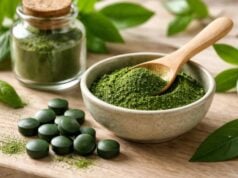
Chicory (Cichorium intybus) is a familiar plant with two very different personalities: a pleasantly bitter leafy green and a root that can be roasted into a coffee-like drink or milled into a fiber-rich powder. In traditional herbal practice, chicory has been used as a “bitter” to support digestion and appetite, while modern nutrition research focuses on chicory root’s inulin-type fructans—prebiotic fibers that feed beneficial gut microbes.
Most people explore chicory for one of three reasons: steadier digestion, improved gut comfort over time, or a gentler alternative to coffee that still feels like a ritual. It may also play a supporting role in metabolic health, mainly by increasing fiber intake and shaping the microbiome in ways that influence blood sugar, lipids, and appetite signals.
Chicory is generally safe as a food, but concentrated chicory fiber can trigger gas and bloating in sensitive individuals, and those with ragweed-family allergies or certain digestive conditions may need extra caution. This guide walks through what chicory contains, what it may help with, how to use it well, and how to dose it responsibly.
Quick Overview for Chicory
- Regular chicory root fiber intake can support bowel regularity and a healthier gut microbiome over 2–4 weeks.
- Chicory leaf “bitters” may help stimulate digestion, especially when appetite feels sluggish.
- Start chicory inulin at 2–3 g/day and build to 5–10 g/day as tolerated; higher doses often increase gas.
- Avoid high-dose chicory fiber if you have severe IBS symptoms, a low-FODMAP plan, or a known ragweed-family allergy.
Table of Contents
- What is chicory?
- Key ingredients and actions
- Does chicory support gut health?
- Metabolic benefits and inflammation
- How to use chicory
- How much chicory per day?
- Safety, interactions, and evidence
What is chicory?
Chicory (Cichorium intybus) is a hardy plant in the daisy family (Asteraceae) with a long culinary and herbal history across Europe, the Mediterranean region, and beyond. If you have seen bright blue wildflowers along roadsides, there is a good chance you have seen wild chicory. In kitchens, however, “chicory” can refer to several cultivated forms that emphasize either the leaves or the root.
The main parts used:
- Leaves and stems: Often eaten as bitter greens. Some cultivated types are milder, while others keep a sharper bite.
- Root: Dried and roasted as a coffee-like beverage, or processed into powders and extracts. Chicory root is also a major natural source of inulin-type fructans, a prebiotic fiber used in foods and supplements.
Chicory is sometimes confused with “endive.” Botanically, endive is usually Cichorium endivia, while chicory is Cichorium intybus. In grocery stores and menus, the names can blur, especially across regions. For practical purposes, the biggest difference is not the label—it is the part of the plant and the form you are using. A bitter leaf salad and a spoonful of chicory root fiber behave very differently in your body.
Chicory’s traditional reputation as a “bitter tonic” comes from compounds in the leaves and root that create a dry, slightly sharp taste. Bitters have a simple logic: bitterness can stimulate digestive reflexes—salivation, gastric secretions, and bile flow—helping the body prepare for a meal. Meanwhile, chicory root’s modern popularity is more about fiber: it can gently shift stool consistency and frequency and support beneficial gut bacteria when used consistently and introduced gradually.
If you are choosing chicory for health reasons, start by clarifying your goal:
- Daily regularity and microbiome support: chicory root fiber is usually the focus
- Digestive “wake-up” before meals: bitter chicory leaves or a small bitter preparation may fit better
- Coffee ritual with less caffeine: roasted chicory root beverage is the classic choice
That goal-first approach helps you pick the right product and avoid the most common mistake: using the wrong form (or too much, too fast) and blaming the plant rather than the strategy.
Key ingredients and actions
Chicory’s health effects come from two main categories of compounds: prebiotic fibers (especially in the root) and bitter phytochemicals (in both leaves and root). Understanding these categories makes chicory far easier to use well, because each one has different “best practices.”
1) Inulin-type fructans (root fiber)
Chicory root is one of the best-known sources of inulin and oligofructose—chains of fructose that humans do not fully digest. Instead, these fibers reach the colon and become fuel for microbes. As they ferment, they produce short-chain fatty acids (SCFAs) like acetate, propionate, and butyrate, which are linked to gut barrier function and metabolic signaling.
Practical meaning: inulin-type fructans can improve stool frequency for some people, but they can also cause gas and bloating when introduced too quickly. If you want a deeper primer on what inulin does and how it commonly behaves in real life, see inulin dosing and side effects.
2) Bitter sesquiterpene lactones
These are responsible for chicory’s bitterness. Two often discussed examples are lactucin and lactucopicrin (especially noted in chicory relatives). Bitters may support digestion by stimulating taste receptors that trigger digestive secretions and motility cues.
Practical meaning: the benefit is often situational—useful when appetite is low or digestion feels “stalled”—but not necessarily something you need every day.
3) Polyphenols and phenolic acids
Chicory contains antioxidant compounds such as chlorogenic acid and related polyphenols. These are not unique to chicory, but they add to its overall “plant chemistry” profile, especially in leaf-based preparations and roasted root beverages.
Practical meaning: polyphenols can complement a fiber strategy, but they are rarely the main driver of noticeable changes compared with the fiber itself.
4) Minerals and micronutrients (mostly from leaves)
As a leafy green, chicory can contribute potassium, folate, and other micronutrients. The exact amounts depend on the variety and preparation, but the core point is simple: chicory leaves are a food first, and foods work through patterns of intake rather than single-dose effects.
A useful way to sum up chicory’s actions is “two levers”:
- Fiber lever (root): slow-building changes over weeks
- Bitter lever (leaf/root): faster, more immediate digestive cues
When you match the lever to the goal—and introduce fiber gradually—chicory becomes much easier to tolerate and more likely to help.
Does chicory support gut health?
Chicory is best known for gut health support, largely because chicory root fiber acts as a prebiotic. Prebiotics are not probiotics (live microbes). Instead, they are the fibers that help beneficial bacteria thrive. Chicory’s inulin-type fructans are among the most studied prebiotic fibers, and many people notice their effects in the very practical language of daily life: stool frequency, stool softness, and a calmer “rhythm” of digestion.
What chicory root fiber may help with:
- Constipation tendency: Some people experience more frequent bowel movements and softer stool when chicory fiber is used consistently.
- Microbiome balance: Inulin-type fructans often increase beneficial groups such as Bifidobacterium, which can influence fermentation patterns and stool quality.
- Gut barrier support (indirect): Fermentation produces SCFAs, which are associated with maintaining the gut lining’s integrity and immune signaling.
- Appetite and cravings (indirect): Some people feel steadier appetite over time, likely because fiber changes satiety cues and blood sugar swings.
The most important “gut-health truth” about chicory: tolerance is dose-dependent and personal. The same fermentation that makes chicory useful can also make it uncomfortable if you overshoot your current capacity. Gas is not automatically “bad,” but painful bloating is a sign the dose is too high for now.
How to improve tolerance (and outcomes):
- Start low and ramp slowly. A beginner dose of 2–3 grams of inulin-type fiber can be plenty.
- Split the dose. Taking 2–3 g twice daily often feels easier than 5–6 g at once.
- Pair with water and meals. Fiber without fluids can backfire; fiber with a meal often ferments more predictably.
- Track one signal. Stool frequency or stool softness—pick one and watch it for 2–4 weeks.
- Adjust for IBS and FODMAP sensitivity. Chicory inulin is a common FODMAP trigger; “more” is rarely the right answer if symptoms spike.
If your main goal is regularity but chicory fiber feels too fermentable, some people do better with a different style of fiber. Psyllium, for example, is less fermentable for many users and can be gentler for gas-prone digestion (see psyllium dosing for regularity).
Chicory can be a strong gut tool when used patiently. Think in weeks, not days. For most people, the “sweet spot” is a tolerable daily dose you can actually keep doing—because consistency is what shifts the microbiome and bowel pattern.
Metabolic benefits and inflammation
Chicory’s metabolic story is mostly a fiber story. When chicory root increases total fiber intake—especially prebiotic fiber—it can influence blood sugar patterns, appetite signaling, and lipid metabolism. The key is to keep expectations realistic: chicory is not a shortcut or a “fat-loss herb,” but it can be a meaningful support in a broader plan that includes diet quality, protein adequacy, and movement.
Blood sugar support (most relevant for root fiber):
Fiber can slow glucose absorption and smooth post-meal spikes. Chicory inulin-type fructans may also influence insulin sensitivity indirectly through microbiome changes and SCFA production. In practice, people often notice the effect as fewer sharp hunger swings between meals, especially when fiber is taken with breakfast or lunch.
Weight management (modest but plausible):
Prebiotic fibers can increase satiety hormones and reduce “drive to snack” for some individuals. Results vary: some people see a small shift in appetite and waistline over 8+ weeks, while others mainly notice digestive changes. The effect is usually most noticeable when chicory fiber replaces a low-fiber pattern rather than being added on top of a high-fiber diet.
Lipids and cardiovascular risk factors:
Inulin-type fructans are often studied for LDL cholesterol and triglycerides. The average changes tend to be modest, and not everyone responds. Think of chicory as a “fiber nudge” that can support—rather than replace—core interventions like dietary fat quality, exercise, and (when needed) medication.
Inflammation and oxidative stress:
Chicory leaves and root contain polyphenols that may contribute antioxidant activity. This area is promising but less likely to produce a dramatic, immediate sensation. The most reliable “anti-inflammatory” move chicory offers is still practical: raising fiber intake can support gut barrier integrity, which influences systemic inflammatory signaling over time.
Liver and bile support (bitters angle):
Bitter plants are traditionally used to support bile flow and fat digestion. Chicory is often grouped with other bitter greens for this reason, and some users report that a small serving of bitter salad before a meal feels helpful for heaviness or sluggish appetite. For a broader look at digestive and liver-adjacent botanicals, see artichoke benefits and digestive uses.
A helpful way to use chicory for metabolic goals is to define a measurable target:
- 2–4 weeks: stool regularity and tolerance
- 6–12 weeks: waist circumference, fasting glucose trends (if you track), or lipid labs (if clinically appropriate)
Chicory tends to reward patient, steady use more than heroic dosing. If you chase fast results with high doses, you usually get the wrong outcome: bloating, discomfort, and inconsistency.
How to use chicory
Chicory is unusually versatile: you can treat it as a food, a beverage ritual, or a fiber supplement. The best method depends on your goal and your digestion.
1) Chicory leaves as bitter greens
If you want digestive stimulation and micronutrients, use chicory like other greens:
- Raw: Add small amounts to salads and balance bitterness with citrus, olive oil, or a naturally sweet element (like roasted vegetables).
- Cooked: Sauté with olive oil and garlic; cooking softens bitterness and texture.
- Before meals: A small bitter salad 10–20 minutes before a heavier meal can be a practical “bitter strategy.”
2) Roasted chicory root as a coffee-like drink
Roasted chicory root has a deep, toasted flavor and is naturally caffeine-free. It can be used alone or blended with coffee to reduce caffeine while keeping the ritual.
Simple method:
- Use about 1–2 teaspoons roasted chicory root per 250 mL (8 oz) hot water (adjust to taste).
- Steep 5–10 minutes (longer can increase bitterness).
- Strain if needed, then drink plain or with milk.
If you are building a lower-caffeine routine, pairing chicory with a smaller coffee portion can be a comfortable transition (see coffee benefits and considerations).
3) Chicory root fiber powder (inulin-type fructans)
This is the most targeted form for gut and metabolic goals, but it requires a careful ramp-up.
Practical uses:
- Stir into yogurt, kefir, or oatmeal
- Blend into smoothies (start small; smoothies can hide “too much”)
- Mix into warm beverages (some dissolve better than others)
4) Extracts and tinctures
These are less standardized for everyday consumers. If you use them, treat dosing as label- and clinician-guided rather than assuming “more is better.” Extracts can be useful when someone wants the bitter effect without a full serving of greens, but tolerance and product quality matter.
Common mistakes (and quick fixes):
- Mistake: Jumping straight to a full scoop of fiber
- Fix: Start at 2–3 g/day, split doses, and increase weekly
- Mistake: Using chicory fiber on an empty stomach and blaming the plant
- Fix: Take with meals and adequate water
- Mistake: Over-steeping roasted root until it tastes harsh
- Fix: Shorten steep time and adjust amount rather than steeping longer
Chicory works best when it fits your actual routine—something you can do consistently without dread. That is the hidden advantage of chicory: it can be a habit, not a project.
How much chicory per day?
Chicory dosing depends on the form: leaf, roasted root beverage, or isolated chicory root fiber. A “one-size” dose does not work here, so the most useful approach is to pick the form that matches your goal and then dose it in a way your digestion can tolerate.
A) Chicory leaves (food use)
- Typical serving: 1–2 cups raw in a salad, or ½–1 cup cooked
- Frequency: Daily or a few times per week
- Best timing: Before meals if using the “bitter” effect intentionally
Food doses are usually well tolerated. If bitterness bothers you, start with smaller amounts and mix with milder greens.
B) Roasted chicory root beverage
- Typical brew strength: 1–2 teaspoons per 250 mL (8 oz) water
- Frequency: 1–3 cups per day, based on taste and tolerance
- Best timing: Morning or early afternoon if it replaces coffee ritual (even without caffeine, warm beverages can become a “morning cue”)
This is a gentle entry point for many people, though it may not provide enough inulin to act like a true fiber supplement unless used heavily.
C) Chicory root fiber (inulin-type fructans) powder
This is where dosing matters most.
- Start: 2–3 g per day for 3–7 days
- Build: Increase by 1–2 g per week as tolerated
- Common effective range: 5–10 g per day
- Upper practical range: 10–15 g per day (often increases gas; not ideal for many)
Helpful dosing tips:
- Split doses: 2–5 g twice daily tends to be easier than one large dose
- Use with meals: improves predictability and tolerance
- Add water: fiber works better when hydration is adequate
- Count the label, not the spoon: scoops and teaspoons vary; use grams when possible
How long to try it:
- For bowel regularity: 2–4 weeks is a fair trial
- For appetite or metabolic signals: 8–12 weeks is more realistic
When to slow down:
If you develop persistent cramping, significant bloating, reflux-like pressure, or stool urgency, reduce the dose to the last comfortable level and hold there for a full week before considering any increase.
If you are already using other fermentable fibers or prebiotics, introduce chicory fiber more slowly. Stacking multiple “microbiome products” at once can make it hard to know what is helping and what is causing symptoms.
Safety, interactions, and evidence
Chicory is widely consumed as a food, and for most people it is safe in culinary amounts. The main safety issues show up when chicory root fiber is used in concentrated doses or when someone has specific allergies or digestive sensitivities.
Common side effects (mostly from chicory root fiber):
- Gas, bloating, and abdominal pressure (especially during the first 1–2 weeks)
- Loose stools if the dose is too high
- Cramping if fermentation outpaces your current tolerance
These effects are usually dose-related and improve with a slower ramp-up.
Who should be cautious or avoid high-dose chicory products:
- People with IBS or strong FODMAP sensitivity: chicory inulin is a frequent trigger
- Those with ragweed-family (Asteraceae) allergies: chicory is in the same plant family, and cross-reactivity is possible
- Anyone with recurrent unexplained hives or oral itching from bitter greens: treat that as a warning sign
- People with gallbladder issues: bitters can influence bile flow; if you have gallstones or biliary pain history, get clinician guidance before using strong bitter extracts
Medication and condition considerations:
- Diabetes medications: increased fiber can reduce post-meal glucose; monitor for low blood sugar if you are tightly controlled
- Warfarin and vitamin K consistency: chicory leaves (like many greens) can contribute vitamin K; consistency matters more than avoidance
- Digestive conditions: if you have inflammatory bowel disease, strictures, or recent GI surgery, ask a clinician before adding concentrated fibers
Pregnancy and breastfeeding:
Chicory as a food is generally considered reasonable for most people, but high-dose extracts and aggressive fiber supplementation are not ideal experiments during pregnancy or lactation unless a clinician recommends them.
What the evidence actually supports (without hype):
- Stronger evidence: chicory-derived inulin-type fructans can shift microbiome composition and support bowel function in many users when dosed consistently and introduced gradually.
- Moderate evidence: chicory inulin-type fructans may support weight management outcomes modestly over time, especially when used for 8+ weeks and paired with a sensible diet.
- Mixed evidence: cholesterol and triglyceride improvements appear modest and not universal.
- Limited evidence: concentrated chicory extracts for liver or inflammatory conditions—promising signals exist, but product variability and small study sizes limit confident conclusions.
If you want a more traditional “bitter green” approach rather than a fiber-forward strategy, a related food-herb often used in a similar culinary way is dandelion (see dandelion uses and safety notes). The key is to choose a strategy you can tolerate and repeat—because chicory’s most reliable benefits come from steady use, not intensity.
When in doubt, treat chicory like a dial, not a switch: start low, adjust slowly, and let comfort guide the pace.
References
- Effect of chicory-derived inulin-type fructans on abundance of Bifidobacterium and on bowel function: a systematic review with meta-analyses – PubMed 2023 (Systematic Review and Meta-Analysis).
- Dried chicory root improves bowel function, benefits intestinal microbial trophic chains and increases faecal and circulating short chain fatty acids in subjects at risk for type 2 diabetes – PMC 2022 (RCT).
- The effects of chicory inulin-type fructans supplementation on weight management outcomes: systematic review, meta-analysis, and meta-regression of randomized controlled trials – PMC 2024 (Systematic Review and Meta-Analysis).
- The effects of inulin-type fructans on cardiovascular disease risk factors: systematic review and meta-analysis of randomized controlled trials – PubMed 2024 (Systematic Review and Meta-Analysis).
- Inulin-induced improvements on bowel habit and gut microbiota in adults with functional constipation: findings of a randomized, double-blind, placebo-controlled study – PMC 2025 (RCT).
Disclaimer
This article is for educational purposes only and does not provide medical advice, diagnosis, or treatment. Dietary fibers and herbal products can affect digestion, blood sugar, and medication response. If you are pregnant or breastfeeding, have a chronic digestive condition, gallbladder disease, or a known ragweed-family allergy, or if you take prescription medications (especially for diabetes or blood clotting), speak with a qualified clinician before using concentrated chicory extracts or high-dose chicory root fiber. Stop use and seek medical care if you develop signs of an allergic reaction such as swelling, hives, wheezing, or difficulty breathing.
If this guide helped you, consider sharing it on Facebook, X (formerly Twitter), or your favorite platform so others can make informed, safe choices.