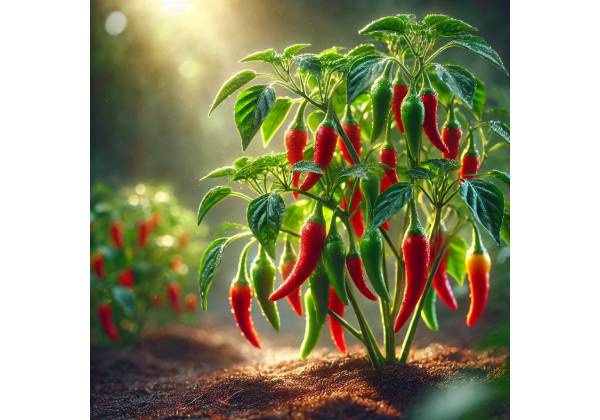
Chili peppers are more than a culinary thrill. These bright fruits from Capsicum species bring heat, color, and a surprisingly practical set of plant compounds to the table. Their signature “burn” comes from capsaicinoids, especially capsaicin, which interact with pain and temperature pathways in the body. In sensible amounts, that same biology is why chili peppers are studied for appetite and weight support, metabolic markers, circulation, and even pain relief when capsaicin is used topically.
Chili peppers also contribute nutrients—most notably vitamin C and carotenoids—plus antioxidants that help explain why spicy diets are often associated with broader health patterns. Still, peppers are not a universal fit. The benefits tend to be modest, and the downsides are real for people with reflux, sensitive digestion, or certain medication needs. The goal of this guide is to help you use chili pepper intentionally: choosing the right form, understanding realistic outcomes, dialing in dose and timing, and staying on the safe side.
Key Takeaways
- Regular chili pepper intake may support appetite control and modest weight and waist changes when paired with healthy eating habits.
- Capsaicin-based topical products can reduce certain types of localized nerve pain, but burning and irritation are common early on.
- Typical dietary dose range: 1–10 g chili pepper or 0.25–1 tsp chili powder daily, adjusted to heat tolerance.
- Avoid high-dose capsaicin supplements if you have uncontrolled GERD, active ulcers, frequent diarrhea, or you use anticoagulants unless your clinician approves.
Table of Contents
- What is chili pepper?
- Key ingredients and medicinal properties
- Chili pepper for weight management
- Heart and circulation support
- Topical capsaicin for pain relief
- How to use chili peppers
- Dosage, safety, and evidence
What is chili pepper?
“Chili pepper” is a broad, everyday term for the spicy fruits of several Capsicum species. The most common are Capsicum annuum (which includes many mild-to-hot varieties), C. frutescens, C. chinense (often the hottest group), C. baccatum, and C. pubescens. Botanically, peppers are fruits, but in cooking they’re treated as vegetables and spices.
A helpful way to think about chili peppers is to separate heat, flavor, and nutrition:
- Heat mostly comes from capsaicinoids, concentrated in the pale internal ribs (often called the placenta). Seeds can feel hot because they contact those tissues, but the seeds themselves are not the main source.
- Flavor depends on the variety and how it’s prepared—fresh, smoked, dried, fermented, or cooked into sauces.
- Nutrition varies with color and ripeness. Red peppers often have more carotenoids; fresh peppers generally retain more vitamin C than heavily heated forms.
Chili heat is commonly described using the Scoville Heat Unit (SHU) scale. This is not a “health scale,” but it matters for dosing because a small amount of a very hot pepper can deliver as much capsaicin as a much larger amount of a mild pepper. For context, jalapeños are often in the thousands of SHU, while habanero-type peppers can be hundreds of thousands. Super-hot peppers can go far beyond that, and they should be approached as potent irritants rather than casual “food challenges.”
Chili peppers show up in several practical forms:
- Fresh peppers: sliced into meals, blended into salsas, or cooked into stews
- Dried flakes and powders: convenient, concentrated, and easy to dose
- Fermented hot sauces: flavorful, but sodium can be high
- Standardized supplements: capsules with a defined capsaicin or capsinoid content
- Topical capsaicin products: creams, gels, or patches used for pain
Because chili peppers are common in daily diets, most “health questions” come down to two decisions: how much heat your body tolerates and whether you’re using them as food or as a concentrated product. Those choices determine both the potential benefits and the risk of side effects.
Key ingredients and medicinal properties
Chili pepper’s best-known active compounds are capsaicinoids, but peppers contain a wider mix of nutrients and phytochemicals that shape how they affect the body.
Capsaicinoids and TRPV1 activation
Capsaicin and dihydrocapsaicin bind to a receptor called TRPV1 (transient receptor potential vanilloid 1). TRPV1 helps the nervous system detect heat and irritation. When capsaicin activates TRPV1, you feel warmth or burning, your body may sweat, and your heart rate can rise slightly—especially if you’re not used to spicy foods.
With repeated exposure, TRPV1 pathways can become less reactive. This is one reason capsaicin is used in topical pain products: repeated stimulation can reduce the intensity of certain pain signals over time.
Capsinoids, carotenoids, and antioxidants
Some peppers (and related extracts) provide capsinoids, compounds that are structurally similar to capsaicin but often feel less “hot” in the mouth. They are studied for metabolic effects, though results vary by dose and product.
Colorful peppers also contain carotenoids such as capsanthin and beta-carotene, which act as antioxidants and contribute to their red and orange pigments. Fresh chili peppers can be a meaningful source of vitamin C, though exact amounts depend on the variety and preparation. If you want to align pepper intake with broader vitamin C targets, see vitamin C dosing and safety guidance.
Medicinal properties people use chili pepper for
From a practical health perspective, chili pepper is commonly described as having:
- Thermogenic and appetite-modulating effects: a short-lived rise in perceived warmth and, in some people, reduced appetite at meals
- Circulatory effects: transient vasodilation and a “warming” sensation that can feel energizing
- Analgesic potential (topical capsaicin): reduced pain signaling with repeated use on specific sites
- Antioxidant support: largely from carotenoids and vitamin C in fresh peppers
- Digestive stimulation: increased saliva and gastric secretions in some people (helpful for appetite in some, irritating for others)
A key nuance is that chili pepper’s “medicinal” profile depends heavily on dose and context. Small culinary amounts may support dietary variety and appetite satisfaction without much downside. High doses—especially from extracts—can produce more noticeable effects, but they also increase the chance of heartburn, stomach pain, or diarrhea.
It also helps to distinguish chili pepper from other “pepper” terms. Black pepper is a different plant with a different main compound (piperine). Paprika may be made from milder Capsicum varieties and is not always “hot.” Clear labeling matters when you’re using peppers for a specific goal.
Chili pepper for weight management
One of the most searched questions about chili peppers is whether they help with weight loss. The most accurate answer is that chili pepper and capsaicin can support small, measurable changes for some people, but they are not a stand-alone solution.
How it may work
Research focuses on a few mechanisms:
- Thermogenesis: a small increase in energy expenditure after eating, often accompanied by warmth and sweating
- Appetite effects: some people eat less at a meal when it includes capsaicin, especially if they are not regular spicy-food users
- Food satisfaction: spicy flavor can make simple meals feel more satisfying, which may reduce snacking for some people
- Behavioral consistency: people often stick to a “spicy routine,” which can indirectly reinforce healthier cooking habits
The biggest practical lever is usually appetite. If spicy foods help you feel satisfied with balanced meals, the benefit can be meaningful over time. If spicy foods trigger cravings for salty, ultra-processed snacks, the effect can flip.
What outcomes look like in real life
Meta-analyses of capsaicin supplementation in overweight or obese adults suggest the average changes tend to be modest—think small reductions in body weight and waist circumference rather than dramatic drops. In everyday terms, that often translates to “helpful support” rather than “visible transformation.”
For many people, chili pepper works best as a tool for:
- Reducing portion creep: spicy heat slows eating and can make you pause
- Making high-fiber foods more appealing: beans, vegetables, eggs, lean proteins, and soups can taste more interesting with heat
- Replacing calorie-heavy sauces: heat can add flavor without needing sugar-heavy condiments
When it is less likely to help
Chili pepper is less effective (or counterproductive) when:
- Reflux or gastritis makes you avoid healthy meals after spicy triggers
- You “chase heat” with high-calorie foods (fried snacks, creamy dips, sugary drinks)
- You rely on supplements instead of fixing sleep, protein intake, and calorie awareness
If you’re comparing chili pepper with other evidence-based metabolic supports, it can be useful to contrast it with approaches that act through different pathways, such as berberine for weight and glucose support. The best choice depends on your goals, tolerance, and medication profile.
Practical ways to use it for weight goals
- Add moderate heat to protein-forward meals (eggs, yogurt sauces, fish, tofu)
- Use chili in fiber meals (bean chili, lentil soup) to increase satisfaction
- Keep portions consistent and adjust heat rather than adding extra oils or sugars
- Track symptoms: if heartburn or diarrhea increases, reduce dose or shift to milder varieties
Heart and circulation support
Chili peppers are often discussed in the context of heart health because spicy-food patterns show up in observational research and because capsaicin influences blood vessel tone, inflammation signaling, and metabolic markers. The key is to separate association from proof.
What the research suggests
In population studies, people who regularly consume chili pepper sometimes show lower rates of all-cause and cardiovascular mortality. These findings are intriguing, but they do not prove chili pepper is the cause. Spicy-food eaters may differ in many ways—diet quality, cooking habits, social patterns, or overall lifestyle—that are hard to fully control.
Clinical trials and controlled studies explore more direct outcomes such as:
- Blood pressure: some trials show small improvements, others show no change; effects may depend on baseline blood pressure and dose
- Lipids: capsaicin and pepper-based interventions may produce modest shifts in triglycerides or total cholesterol in some groups
- Inflammation and oxidative stress: peppers provide antioxidants, and capsaicin may influence inflammatory pathways, but the translation to long-term outcomes is still being clarified
A realistic takeaway is that chili pepper may help as part of a heart-supportive pattern—especially if it helps you eat more minimally processed foods. It is unlikely to “override” a high-sodium, low-fiber diet or a sedentary lifestyle.
How chili pepper fits a heart-smart diet
If you tolerate heat, chili pepper can make it easier to cook at home with fewer added sugars. A few practical strategies:
- Use chili to season beans, vegetables, and whole grains so you rely less on salty sauces
- Add heat to lean proteins to reduce the need for creamy dressings
- Choose fermented hot sauces carefully if you’re sodium-sensitive, and measure them instead of pouring freely
Common concerns
- Does spicy food “stress the heart”? For most healthy adults, the flushing and warmth from capsaicin are temporary. If you have arrhythmias, unstable angina, or you notice palpitations after spicy meals, treat that as a personal intolerance and discuss it with a clinician.
- Can chili pepper replace heart medications? No. At most, it is a supportive dietary tool.
If your goal is cardiovascular support with stronger evidence, chili pepper can be a flavor ally alongside staples like fiber, exercise, and clinically supported nutrients such as omega-3 fatty acids for heart health.
Topical capsaicin for pain relief
One of the most evidence-backed “medicinal” uses linked to chili pepper is topical capsaicin. This is a different use case than eating spicy food. Topical products aim to reduce localized pain by repeatedly activating TRPV1, which can lessen pain signaling over time.
What topical capsaicin is used for
Clinicians and pain specialists most often use topical capsaicin for:
- Peripheral neuropathic pain (localized nerve pain in a specific area)
- Postherpetic neuralgia (after shingles)
- Some arthritis-related pain (as an adjunct, not a cure)
- Localized itch in select cases, under guidance
Over-the-counter creams and gels are typically lower concentration, while high-concentration patches are usually applied in clinical settings because they can cause intense burning during application.
What it feels like and why that matters
A frequent reason people quit too early is the initial discomfort. Early use can cause:
- Burning, stinging, or warmth at the site
- Redness and sensitivity
- A “flare” feeling that peaks early and then often fades with consistent use
This is not the same as an allergy in most cases, but severe swelling, blistering, wheezing, or widespread rash is a reason to stop and seek care.
How to use it more comfortably
Practical steps that reduce mistakes:
- Apply a thin layer to intact skin only.
- Wash hands thoroughly after application (or use gloves).
- Avoid touching eyes, nose, or sensitive skin for several hours.
- Do not apply heat (heating pads, hot baths) over freshly treated areas.
- Give it time: benefits often require consistent use for 1–2 weeks with low-dose creams.
Topical capsaicin is not the only plant-based pain approach people consider. For comparison with another common topical option, see arnica topical uses for minor pain. These products work differently, and your best match depends on pain type, skin sensitivity, and medical context.
When topical capsaicin is not a good idea
Avoid or use clinician guidance if you have:
- Broken, inflamed, or infected skin at the site
- Severe eczema or frequent contact dermatitis
- Poor sensation in the area (you may not notice irritation early)
How to use chili peppers
Using chili pepper well is mostly about matching the form to your goal and adjusting the dose so you get benefits without turning meals into a digestion gamble.
Choose the right form
- Fresh peppers: best for brightness, crunch, and vitamin C. Add them near the end of cooking to keep flavor vivid.
- Dried flakes and powders: easiest to measure and distribute evenly in soups, marinades, and roasted vegetables.
- Smoked peppers (like chipotle-style): great for “depth” without needing heavy sauces.
- Hot sauce: convenient, but check sodium and sugar; treat it like seasoning, not a beverage.
- Supplements: consider only if you can’t tolerate spice in food but still want a standardized dose, and only if your digestion and medication profile make it reasonable.
Reduce burn without losing flavor
Capsaicin is fat-soluble, which means a little fat can distribute heat more evenly. If a dish is too hot:
- Add a small amount of fat (olive oil, yogurt, avocado) to mellow the edges
- Increase volume with vegetables, beans, or broth rather than adding sugar
- Use acidity (lime, vinegar) to brighten flavor without “turning up” heat
If your mouth is burning, water usually does little. Instead, try dairy or a fat-containing food. If you’re cooking for mixed heat tolerances, serve chili elements on the side so everyone can dose their own plate.
Build tolerance strategically
Tolerance isn’t a character trait—it’s conditioning. If you want to eat chili peppers regularly without GI backlash:
- Start with mild peppers and small amounts, 3–4 times per week
- Increase either frequency or heat level, but not both at once
- Track reflux, stool changes, and sleep disruption (late spicy meals can affect both)
Best times to use chili pepper
- Earlier in the day if you’re reflux-prone
- With meals, not on an empty stomach, if you’re sensitive
- Before workouts only if you know your gut tolerates it (otherwise it can backfire)
If your main reason for using peppers is digestive comfort (bloating or sluggishness), many people find combining mild heat with other culinary spices works better than pushing capsaicin hard. A useful pairing to explore is ginger for digestive support, especially when you want warmth without intense burn.
Dosage, safety, and evidence
Chili pepper dosing is tricky because “one pepper” can mean very different capsaicin exposure depending on the variety. The safest approach is to anchor your dose to tolerance and symptoms, not bravado.
Practical dosage ranges
For most healthy adults using chili peppers as food:
- Fresh chili peppers: about 1–10 g daily (roughly a few slices up to one small pepper), adjusted for heat level
- Chili powder: about 0.25–1 teaspoon daily mixed into food, with the option to split across meals
- Hot sauce: start with 1–2 teaspoons as seasoning; measure if sodium is a concern
For supplements, label standardization varies. A cautious approach is:
- Choose products that list capsaicin content (in mg) rather than vague “pepper extract” wording
- Start at the lowest labeled dose for at least 3–7 days
- Avoid stacking multiple “thermogenic” products that also contain caffeine or other stimulants
Common side effects
Dose-related side effects are common, especially when you increase heat quickly:
- Heartburn, reflux flare, stomach pain, nausea
- Diarrhea or cramping, especially in people with IBS tendencies
- Anal burning after bowel movements (a simple sign you exceeded your current tolerance)
- Flushing and sweating, which is usually harmless but can be uncomfortable
A useful rule: if chili pepper repeatedly disrupts sleep, triggers reflux, or causes urgent diarrhea, the “health benefit” is no longer a net positive.
Who should avoid or use extra caution
Be cautious with high-dose chili pepper or capsaicin supplements if you have:
- Uncontrolled GERD, active gastritis, or a history of ulcers
- Inflammatory bowel disease flares or frequent diarrhea
- Severe hemorrhoids or anal fissures
- Known nightshade sensitivity (rare, but possible)
Pregnancy and breastfeeding are situations where culinary amounts are often tolerated, but concentrated supplements are a different risk category. If you’re pregnant, breastfeeding, or giving chili products to children, discuss supplement use with a qualified clinician rather than self-dosing.
Medication-wise, use extra caution (and get clinician guidance) if you take:
- Anticoagulants or antiplatelet drugs (bleeding risk is a concern with high-dose products and individual variability)
- Multiple blood pressure medicines, especially if you notice dizziness with spicy meals
- GI medications where symptom masking could delay evaluation
What the evidence actually supports
The most defensible claims are modest:
- Capsaicin supplementation can produce small improvements in weight and waist outcomes in some groups, but results vary.
- Observational studies link chili pepper intake with lower mortality risk, but this is association, not proof.
- Controlled trials do not consistently show meaningful improvements in glucose control, so chili pepper should not be treated as a diabetes intervention.
- Topical capsaicin has the clearest use case for specific localized pain conditions, but it requires correct use and patience.
Used thoughtfully, chili pepper is best seen as a diet tool and symptom-specific topical option, not a cure-all.
References
- The effects of capsaicin intake on weight loss among overweight and obese subjects: a systematic review and meta-analysis of randomised controlled trials 2023 (Systematic Review and Meta-Analysis)
- Meta-analysis evaluating the impact of chili-pepper intake on all-cause and cardiovascular mortality: A systematic review 2021 (Systematic Review and Meta-Analysis)
- Short- and long-term effects of capsaicin supplementation on glycemic control: a systematic review and meta-analysis of controlled trials 2021 (Systematic Review and Meta-Analysis)
- Capsaicin: Emerging Pharmacological and Therapeutic Insights 2024 (Review)
Disclaimer
This article is for educational purposes only and does not provide medical advice, diagnosis, or treatment. Chili pepper and capsaicin products can cause side effects, worsen reflux or digestive conditions, and interact with medications. Supplement strength varies widely, and “more heat” is not always safer or more effective. If you are pregnant, breastfeeding, have a medical condition, take prescription medications (especially anticoagulants, antiplatelets, or blood pressure drugs), or are considering high-dose capsaicin supplements or topical patches, consult a qualified healthcare professional first. Seek urgent care for signs of a severe allergic reaction, such as facial swelling, wheezing, or trouble breathing.
If you found this guide helpful, please share it on Facebook, X (formerly Twitter), or your preferred platform so others can use chili pepper more safely and effectively.