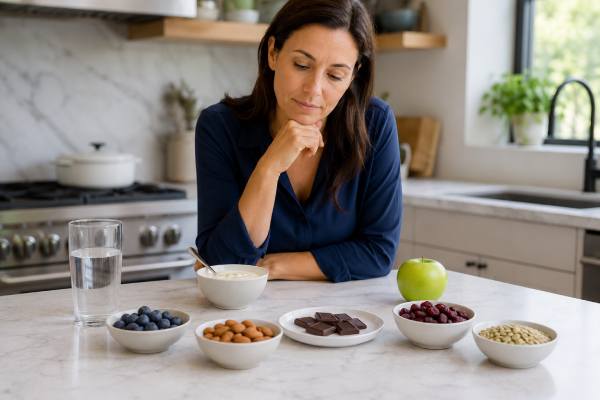
Chocolate is not automatically forbidden if you have had kidney stones, but it deserves attention if your stones are calcium oxalate stones or your urine oxalate runs high. The risk comes mostly from cocoa solids, not from the sweet taste itself. Cocoa powder, cacao nibs, dark chocolate, brownie-heavy desserts, and “healthy” cacao smoothies concentrate oxalate more than a few milk chocolate chips or an occasional small square.
The practical question is not “Is chocolate bad for kidneys?” It is “How much cocoa am I eating, how often, and does my stone pattern make oxalate a real problem?” For some people, chocolate is a small treat that fits into a prevention plan. For others, especially people with recurrent calcium oxalate stones, high urine oxalate, bowel malabsorption, or a very high-oxalate diet, chocolate is one of the foods worth tightening up.
Table of Contents
- Is Chocolate Bad for Kidney Stones?
- Why Cocoa Oxalates Matter
- Risk by Chocolate Type and Serving Size
- Who Should Limit Chocolate Most?
- How to Eat Chocolate With Lower Risk
- What Matters More Than Chocolate?
- When to Test and Personalize Your Plan
- Bottom Line
Is Chocolate Bad for Kidney Stones?
Chocolate raises kidney stone concern mainly because cocoa contains oxalate. Oxalate is a natural compound found in many plant foods. Your body also makes some oxalate on its own. When too much oxalate reaches the urine and meets calcium in concentrated urine, calcium oxalate crystals form more easily. Those crystals are the starting point for the most common type of kidney stone.
That does not mean every person with a stone history needs to cut out chocolate. Kidney stone prevention is not a single-food rule. It is a pattern: enough fluid, moderate sodium, enough calcium with meals, sensible protein portions, and targeted limits on high-oxalate foods when urine testing shows that oxalate is a problem. Chocolate matters most when it is part of a larger oxalate load or when the serving is much larger than people realize.
The biggest mistake is treating all chocolate the same. A teaspoon of chocolate chips in oatmeal is not the same as a daily cacao smoothie with cocoa powder, spinach, almond butter, and plant protein. A small milk chocolate square after lunch is not the same as a 70% dark chocolate bar eaten across an evening. The darker and more cocoa-heavy the product, the more it deserves caution.
Chocolate also comes with another issue: sugar. Sugar does not create calcium oxalate the same way oxalate does, but high-sugar desserts and sweet drinks work against a stone-prevention diet by crowding out water, adding calories, and making it easier to overeat sodium-heavy foods. That does not turn a small treat into a medical emergency. It simply means chocolate works best as a planned serving, not as a daily grazing food.
If you know your stone type is calcium oxalate, read chocolate as a “portion-sensitive” food. If you have uric acid stones, cystine stones, or infection stones, cocoa oxalate is less central, though hydration and overall diet still matter. If you do not know your stone type, avoid extreme restriction until you get the stone analyzed or complete urine testing. A targeted plan beats a long avoid list.
For a broader explanation of how calcium oxalate stones form and how diet fits in, see calcium oxalate stone prevention.
Why Cocoa Oxalates Matter
Cocoa is the part of chocolate that brings most of the oxalate. Cocoa powder is especially concentrated because much of the fat has been removed and the remaining powder is rich in cocoa solids. Dark chocolate usually contains more cocoa solids than milk chocolate, so it usually carries more oxalate per bite. Cacao nibs, unsweetened baking chocolate, cocoa-heavy protein bars, and “raw cacao” powders belong in the higher-risk group.
Oxalate risk is not just about the number on a food list. It also involves absorption. Oxalate eaten with calcium in the same meal is more likely to bind in the gut and leave in the stool. Oxalate eaten by itself, especially in a low-calcium meal, has a clearer path into the bloodstream and then into urine. This is why a small chocolate dessert after a meal with yogurt, milk, cheese, calcium-set tofu, or a calcium-fortified drink is different from cocoa powder blended into a low-calcium smoothie.
Urine concentration also changes the risk. The same amount of oxalate creates more trouble in a person who produces a low urine volume. Concentrated urine lets stone-forming minerals meet and stick together. Dilute urine keeps them moving. This is why fluid intake remains the most important daily habit even when oxalate is the food issue getting attention.
Total oxalate versus soluble oxalate
Food lists often report “total oxalate,” but soluble oxalate matters because it is more available for absorption. Cocoa products contain a meaningful soluble oxalate fraction. That does not mean every milligram becomes urine oxalate; the gut, calcium intake, meal composition, and individual absorption all affect the final amount. Still, cocoa-heavy foods have enough oxalate to matter in people who are trying to lower urinary oxalate.
This helps explain why chocolate advice sounds inconsistent. One person hears “avoid chocolate” from a stone clinic. Another hears “a little is fine.” Both statements fit different risk levels. A person with one stone years ago, normal urine oxalate, and good hydration does not need the same rule as a person who forms stones repeatedly and has high oxalate on a 24-hour urine test.
Why low calcium makes oxalate worse
Many stone formers assume calcium is the enemy because their stone contains calcium. In calcium oxalate stones, cutting dietary calcium often backfires. When there is not enough calcium in the gut, more oxalate stays free for absorption. Normal dietary calcium, spread through meals, helps trap oxalate before it reaches urine.
This is the reason “eat less chocolate” is only half of the advice. The better strategy is “keep cocoa portions small and pair higher-oxalate foods with calcium-containing meals.” A low-calcium day with cocoa powder, nuts, spinach, and black tea is a very different stone-risk day than a balanced day with steady fluids, moderate sodium, and calcium included at meals.
For a practical explanation of this meal-pairing strategy, see calcium with meals for oxalates.
Risk by Chocolate Type and Serving Size
The serving size is where chocolate risk often gets underestimated. A “small treat” on the wrapper might be one or two squares, while the amount actually eaten is half a bar. Cocoa powder is even easier to misjudge because a few spoonfuls disappear into a smoothie, oatmeal bowl, homemade mocha, or protein shake.
Oxalate values vary by cocoa source, processing, brand, and testing method, so the exact number is less useful than the category. For stone prevention, think in tiers.
| Chocolate or cocoa product | Typical oxalate concern | Practical serving guidance | Risk level for calcium oxalate stone formers |
|---|---|---|---|
| Cocoa powder or cacao powder | Very concentrated cocoa solids | Use teaspoons, not heaping tablespoons; avoid daily cocoa-heavy smoothies if urine oxalate is high | High |
| Cacao nibs | Dense cocoa solids in a snackable form | Treat like a high-oxalate topping; avoid large handfuls | High |
| Dark chocolate, especially 70% and higher | Higher cocoa percentage usually means higher oxalate | Keep to a small square or about half to one ounce, preferably with a meal | Moderate to high |
| Milk chocolate | Less cocoa than dark chocolate, but more sugar | Small servings are usually easier to fit than dark chocolate; do not use it as a daily snack food | Lower than dark chocolate, still portion-dependent |
| White chocolate | Little to no cocoa solids, so oxalate is usually much lower | Lower oxalate, but still a sugary treat | Low for oxalate, not a health food |
| Brownies, fudge, chocolate syrup, hot cocoa mixes | Oxalate depends on cocoa amount; sugar and portion size add concern | Watch dense desserts and large drinks; homemade recipes with heavy cocoa add up quickly | Moderate to high |
The highest-risk habit is not usually one birthday brownie. It is a repeated pattern: cocoa powder in breakfast, dark chocolate after lunch, chocolate protein bars, and a large chocolate dessert at night. That pattern stacks oxalate across the day, often without enough calcium at the same eating times.
Dark chocolate is not automatically the best choice
Dark chocolate often gets promoted because it contains cocoa flavanols and less sugar than many milk chocolate candies. For heart health or general nutrition, that comparison has some logic. For calcium oxalate stones, higher cocoa content changes the equation. The very feature that makes dark chocolate “more cocoa-rich” also makes it more oxalate-rich.
That does not make dark chocolate off-limits for every stone former. It means a small serving matters. If you enjoy dark chocolate, choose a square or two and eat it with a meal. Do not treat a full 3-ounce bar as a normal serving. Do not combine it with other high-oxalate foods in the same snack, such as almonds, cashews, spinach, beet powder, or black tea.
Chocolate drinks deserve special attention
Chocolate drinks create a different problem because they are easy to consume quickly. A mug of hot cocoa made with a modest amount of cocoa powder and milk is different from a large café mocha, a chocolate protein shake, or a “cacao superfood” smoothie with several high-oxalate ingredients.
If you make hot chocolate at home, use less cocoa powder, make it with milk or a calcium-fortified alternative, and keep it occasional. If you use plant milks, check that they are calcium-fortified. Almond milk is often calcium-fortified, but almonds themselves are high in oxalate, and not every almond milk has the same calcium level. Oat, soy, pea, and dairy milk products vary too, so the nutrition label matters.
Who Should Limit Chocolate Most?
The people who need the strictest chocolate limits are not “everyone with kidneys.” They are people whose stone pattern points directly to oxalate. That distinction matters because unnecessary restriction makes diets harder to follow and sometimes removes foods without reducing stone risk much.
Limit cocoa-heavy chocolate more seriously if you have had calcium oxalate stones and your 24-hour urine test shows high oxalate. In that situation, chocolate joins spinach, rhubarb, almonds, cashews, wheat bran, beet greens, and strong black tea as foods worth controlling. The goal is not a joyless diet. The goal is to spend your oxalate budget on foods you value and to avoid hidden concentrated sources.
People with enteric hyperoxaluria need extra caution. This means oxalate absorption is high because of gut conditions or procedures, such as certain bariatric surgeries, inflammatory bowel disease, chronic fat malabsorption, or short bowel problems. In these cases, even ordinary servings of high-oxalate foods create more urinary oxalate than expected. Cocoa powder, cacao nibs, and large dark chocolate servings are poor fits unless a kidney stone dietitian has built them into a plan.
Recurrent stone formers also need a tighter approach. If you have formed several stones, needed procedures, or passed stones despite “drinking more water,” do not focus only on one food. Use chocolate as one part of a full prevention review. That includes sodium, urine volume, calcium intake, urine citrate, supplements, vitamin C dose, animal protein portions, and medication options if needed.
If you are following a low-oxalate plan, use chocolate carefully instead of guessing. A structured low-oxalate diet does not mean removing every plant food. It means identifying the highest-impact oxalate sources, limiting the concentrated ones, and keeping the rest of the diet nutritionally solid.
You usually do not need a strict chocolate ban if your stone was not calcium oxalate, your urine oxalate is normal, you drink enough fluid, and chocolate is an occasional small serving. In that lower-risk situation, it is more useful to prevent dehydration, avoid very salty meals, and keep sugary snacks from replacing real food.
How to Eat Chocolate With Lower Risk
The safest way to keep chocolate in a kidney stone prevention plan is to make the serving small, pair it with calcium, and avoid stacking it with other high-oxalate foods. This approach works better than vague promises to “eat less.”
Start with the serving. For someone with calcium oxalate stone risk, a small square after a meal is a different decision than a large bar on an empty stomach. A practical target is about half to one ounce of chocolate at a time if your clinician has not told you to avoid it. If your urine oxalate is high, stay closer to the smaller end and choose the chocolate you enjoy most instead of eating several low-satisfaction portions.
Pair chocolate with calcium at the same meal or snack. Good pairings include yogurt, milk, kefir, calcium-fortified soy or pea milk, calcium-set tofu in a meal, or cheese as part of lunch. The calcium needs to be present in the gut at the same time as the oxalate. Taking calcium hours later does not give the same binding effect.
Do not pair chocolate with a high-oxalate lineup. A snack of dark chocolate, almonds, and black tea is an oxalate-heavy combination. A smoothie with cocoa powder, spinach, almond butter, and vitamin C powder is even more concerning for someone who forms calcium oxalate stones. Choose one higher-oxalate item, keep it small, and build the rest of the meal around lower-oxalate foods.
A simple chocolate plan looks like this:
- Choose milk chocolate or a small portion of dark chocolate instead of cocoa powder-heavy foods when you want a treat.
- Eat it after a meal that includes calcium.
- Keep cocoa powder out of daily smoothies if urine oxalate is high.
- Avoid cacao nibs as a regular topping.
- Do not combine chocolate with almonds, spinach, beet powder, or strong black tea in the same snack.
- Drink water regularly through the day instead of trying to “catch up” at night.
Homemade desserts give you more control. You can make a recipe less cocoa-heavy, cut bars into smaller squares, use vanilla or cinnamon for flavor, and serve the dessert after a balanced meal rather than as a stand-alone snack. With store-bought bars, pre-portion the amount before you sit down. A bar eaten straight from the wrapper is harder to control.
If you enjoy chocolate every day, decide whether it is truly worth that place in your oxalate budget. For some people, a small daily piece is easy to fit. For high-risk stone formers, saving chocolate for a few planned servings per week is a better tradeoff. The stricter plan is especially reasonable if the rest of the diet already includes nuts, bran, spinach, beets, black tea, or other high-oxalate foods.
What Matters More Than Chocolate?
Chocolate gets attention because it is specific and easy to blame, but most kidney stone prevention plans fail because of bigger daily patterns. A person who cuts chocolate but eats very salty restaurant meals, drinks little water, and avoids calcium is still giving stones the conditions they need.
Fluid comes first. The goal is steady urine dilution, not occasional water bursts. Pale yellow urine through most of the day is a practical sign that fluid timing is on track, though vitamins and some foods change urine color. People who sweat heavily, exercise outdoors, work in hot settings, or sleep through long dry nights need a more deliberate fluid schedule. For drink choices that fit stone prevention, see drinks that help prevent kidney stones.
Sodium is another major driver. High sodium intake pushes more calcium into urine. More urine calcium means more opportunity for calcium oxalate and calcium phosphate crystals. The salty meal is often more important than the small chocolate dessert that follows it. Restaurant food, deli meats, pizza, canned soups, frozen meals, salty sauces, and packaged snacks are common sources. If stones keep recurring, sodium tracking often reveals more than expected. For the mechanism behind this, see how salt raises urine calcium.
Calcium intake needs balance. Too little dietary calcium leaves more oxalate free for absorption. Too much supplemental calcium, especially taken away from meals, is not the same as getting calcium from food with meals. Most stone-prevention advice favors normal dietary calcium spread through the day, not calcium avoidance.
Animal protein portions also matter, especially for people with low citrate, high uric acid, or acidic urine. Large portions of meat, poultry, fish, and eggs increase acid load and shift urine chemistry in a less favorable direction for many stone formers. You do not need to become vegetarian for stone prevention, but oversized portions create problems. More practical guidance is available in animal protein portion targets for kidney stones.
Sugar and sweet drinks deserve attention too. Chocolate candy, sweet coffee drinks, soda, and dessert-heavy snacking add sugar without improving hydration or mineral balance. If the chocolate serving is part of a sweetened drink habit, the drink pattern is often the real issue. Replacing one large sweet drink with water or lemon water usually matters more than debating one small square of chocolate.
When to Test and Personalize Your Plan
A 24-hour urine test turns chocolate advice from guesswork into a plan. The test measures what your urine is actually doing across a full day. For stone prevention, the useful results include urine volume, oxalate, calcium, citrate, sodium, uric acid, and pH. Those numbers show whether chocolate and other oxalate foods need major restriction or only modest portion control.
If urine oxalate is high, chocolate becomes more important. If urine volume is low, hydration timing is the first target. If urine sodium and calcium are high, salt reduction might matter more than cocoa. If citrate is low, citrus strategies or prescribed citrate therapy might enter the plan. If urine pH is low and uric acid is high, the focus shifts again.
Testing is especially useful if you have had more than one stone, have a family history of stones, formed stones at a young age, have kidney disease, had bowel surgery, follow a restrictive diet, or take supplements that affect stone risk. It is also useful if you are already “doing everything right” but stones keep forming.
Stone analysis matters too. If you pass a stone or have one removed, ask whether it was analyzed. A calcium oxalate stone, calcium phosphate stone, uric acid stone, struvite stone, and cystine stone do not all lead to the same diet plan. Chocolate is most relevant to calcium oxalate stones. It is not the central food issue for every stone type.
For details on what the urine test measures and how to prepare, see the 24-hour urine test for kidney stones.
Bring a real food pattern to your appointment, not a perfect one-day diary. Write down a usual week: chocolate, tea, nuts, spinach, protein shakes, supplements, restaurant meals, water intake, and calcium foods. The goal is to find the highest-impact changes. If chocolate is your only treat and your oxalate is only mildly high, the plan might be a smaller serving with calcium. If cocoa powder is in a daily smoothie with other high-oxalate foods, the plan will be stricter.
Bottom Line
Chocolate is a kidney stone concern mainly for people at risk of calcium oxalate stones, and the risk rises with cocoa concentration and serving size. Cocoa powder, cacao nibs, dark chocolate, and dense chocolate desserts are more concerning than small portions of milk chocolate. White chocolate is usually much lower in oxalate because it contains little to no cocoa solids, but it is still a sugary treat.
The most practical rule is simple: keep cocoa-heavy portions small, eat them with calcium-containing meals, and avoid stacking chocolate with other high-oxalate foods. If your urine oxalate is high or you form stones repeatedly, treat chocolate as an occasional planned food rather than a daily habit. If your urine oxalate is normal and your chocolate intake is small, bigger prevention wins usually come from fluids, sodium reduction, normal calcium intake, and a full stone-prevention plan.
Do not cut calcium to prevent calcium stones. Do not judge risk from chocolate alone. Do not assume “dark” means safer for stone prevention. The best plan is specific to your stone type, urine results, and real eating pattern.
For a wider prevention framework, use kidney stone prevention strategies that work as the bigger guide, then decide how chocolate fits inside that plan.
References
- Prevention of Recurrent Nephrolithiasis in Adults and Children: A Systematic Review 2026 (Systematic Review)
- EAU Guidelines on Urolithiasis 2025 (Guideline)
- Current Dietary and Medical Prevention of Renal Calcium Oxalate Stones 2024 (Review)
- Diet Interventions for Calcium Kidney Stone Disease 2023 (Review)
- Oxalate content in commercially produced cocoa and dark chocolate 2011 (Food Composition Study)
- Eating, Diet, & Nutrition for Kidney Stones 2017 (Patient Guidance)
Disclaimer
This article is for education and does not diagnose your stone type or replace care from a clinician. Chocolate advice is most useful after stone analysis or a 24-hour urine test, because oxalate restriction is not equally important for every kidney stone. If you have recurrent stones, kidney disease, bowel malabsorption, a history of bariatric surgery, or severe pain with fever, vomiting, or trouble urinating, seek medical care promptly.