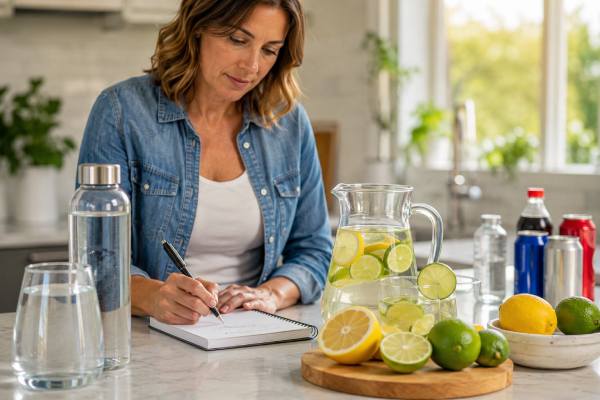
The best drink for preventing kidney stones is plain water, used consistently enough to keep urine diluted through the whole day. That sounds simple, but the details matter: how much you drink, when you drink it, what your urine looks like, and whether your stone risk is linked to low citrate, low urine pH, high sodium, high oxalate, or another problem.
Citrate-rich drinks, especially lemon or lime water, also deserve attention because citrate helps block crystal growth in urine. But not every “citrus” or “alkaline” drink works the same way, and sugary juices or sodas create new problems while trying to solve another one. The goal is not to chase one magic beverage. The goal is to build a daily drinking pattern that keeps urine flowing, adds helpful citrate when appropriate, and avoids drinks that concentrate urine, add sugar, or raise stone-forming risk.
Table of Contents
- Best drinks for kidney stone prevention, ranked by usefulness
- How much water you need to lower stone risk
- Citrate drinks: lemon water, lime water, orange juice, and potassium citrate
- Drinks to limit or avoid if you form kidney stones
- Coffee, tea, milk, and sparkling water: what fits and what needs caution
- How to match drinks to your kidney stone type
- A practical daily drinking plan for stone prevention
- When drink advice needs to be personalized
Best drinks for kidney stone prevention, ranked by usefulness
Water is the foundation because kidney stones form more easily when urine is concentrated. Concentrated urine lets calcium, oxalate, uric acid, cystine, and other stone-forming substances crowd together. More fluid spreads those substances out, lowers crystal saturation, and gives tiny crystals less chance to grow into stones.
Citrate drinks come next, especially for people with calcium stones, uric acid stones, or low urine citrate on testing. Citrate is a natural stone inhibitor. It binds with calcium in urine and makes calcium less available to join with oxalate or phosphate. It also helps keep some stones from growing by interfering with crystal formation.
The most useful drinks are not always the most complicated. A good prevention plan often looks like water most of the day, lemon or lime added to some servings, and a clear limit on sugar-sweetened drinks.
| Drink | Why it helps | Best use | Watch-outs |
|---|---|---|---|
| Plain water | Dilutes urine and lowers concentration of stone-forming substances | Main drink every day | Needs to be spread across the day, not taken all at once |
| Lemon or lime water | Adds citrate without much sugar when made unsweetened | Useful swap for soda, sweet tea, or juice | Can irritate reflux or sensitive bladders in some people |
| Low-sugar lemonade made with real lemon juice | Can raise citrate intake while improving taste | Good for people who struggle with plain water | Many bottled lemonades are mostly sugar and flavoring |
| Orange juice | Contains citrate and has an alkalinizing effect | Small servings when calories and sugar fit the diet | High sugar load; not ideal as a main hydration drink |
| Unsweetened sparkling water | Hydrates like still water | Useful if carbonation helps you drink more | Check sodium and avoid cola-style drinks |
| Coffee or tea | Contributes fluid and is not automatically harmful for stones | Moderate intake as part of total fluids | Sweeteners, creamers, caffeine sensitivity, and tea oxalate matter |
The simplest rule is this: make most of your fluid water, add citrate in low-sugar ways, and treat soda, sweetened fruit drinks, energy drinks, and large juice servings as occasional rather than routine.
How much water you need to lower stone risk
Most kidney stone prevention plans aim for enough fluid to produce about 2 to 2.5 liters of urine per day. That usually means drinking more than 2 liters of fluid because you also lose water through sweat, breathing, bowel movements, and normal daily activity. People who sweat heavily, work outdoors, exercise often, use saunas, live in hot climates, or have physically demanding jobs usually need more.
A practical target for many adults is 2.5 to 3 liters of total fluid per day, unless a clinician has told them to restrict fluids. Total fluid means water plus other drinks, but water should do most of the work. Food also contributes some water, especially fruits, vegetables, soups, yogurt, and cooked grains, but food water alone is not enough for someone trying to prevent recurrent stones.
Urine color gives a useful daily clue. Pale yellow urine usually means better dilution. Dark yellow or amber urine means the urine is concentrated and stone risk is higher at that point in the day. The first morning urine is often darker because you went hours without drinking, but it should lighten after morning fluids.
The biggest mistake is drinking a large amount at one time and then going many hours without fluid. That creates peaks and valleys: diluted urine for a short window, then concentrated urine later. A better approach is steady intake from morning to evening. A hydration timing plan helps because stone prevention depends on the urine you make all day, not only the total amount you drink by bedtime.
Use urine output, not thirst, as your guide
Thirst is a late signal. By the time you feel thirsty, your urine has often become more concentrated. People also ignore thirst when they are busy, driving, working, or avoiding bathroom trips. Stone prevention works better when drinking is planned.
A useful routine is to drink a full glass after waking, another with each meal, another between meals, and another in the evening. People who wake at night to use the bathroom do not need to force extra fluid right before bed, but they should avoid going dry from dinner until morning. For people who repeatedly form stones, a small planned bedtime drink is worth discussing, especially if overnight urine concentration is a problem. The details are covered in a focused guide to the best bedtime drink for kidney stones.
Adjust for sweat, salt, and activity
A person sitting in an air-conditioned office needs less fluid than a person walking job sites in July. A runner, cyclist, gardener, construction worker, chef, warehouse worker, or frequent traveler loses more water and often needs a larger bottle-based system to keep up.
Salt intake also changes the equation. A salty day does not only raise thirst. It can increase urine calcium in people prone to calcium stones. Drinking water helps dilute urine, but it does not erase the effect of a high-sodium diet. That is why the best prevention plan pairs hydration with lower sodium meals, especially for calcium oxalate and calcium phosphate stones.
A fluid calculator gives a starting point, but kidney stone prevention should be judged by urine color, urine volume, and personal risk factors. A daily water intake estimate is useful only if it is adjusted for sweat, exercise, climate, body size, and medical advice.
Citrate drinks: lemon water, lime water, orange juice, and potassium citrate
Citrate is one of the main reasons citrus drinks are discussed in kidney stone prevention. In urine, citrate helps keep calcium from binding with oxalate or phosphate. It also makes the urine less favorable for certain crystals. Low urine citrate, called hypocitraturia, is common in recurrent stone formers and is one reason clinicians order a 24-hour urine test.
Lemon and lime are popular because they provide citrate with very little sugar when mixed into water. That makes them different from most bottled juices, sweetened lemonades, and fruit drinks. The goal is not to drink sour liquid all day. The goal is to make water easier to drink while adding a useful citrate source.
A common home approach is to squeeze lemon or lime juice into water and drink it across the day. Some people use fresh juice; others use bottled lemon or lime juice. Fresh tastes better, but bottled juice is easier to measure and repeat. The drink should taste pleasantly tart, not harsh. If it burns your throat, worsens reflux, or triggers bladder discomfort, dilute it more or use it less often.
A deeper guide to lemon water for kidney stones explains dose ranges, practical mixing ideas, and why lemon water works best as part of a complete plan rather than as a stand-alone remedy.
Citric acid and citrate are related, but not identical in effect
Food labels often list “citric acid,” especially in flavored waters, sodas, candies, and bottled drinks. Citric acid gives a tart flavor and helps preserve food. That does not mean the drink will raise urine citrate in a meaningful way. The form of citrate, the overall alkali load, the sugar content, and the rest of the drink all matter.
This distinction explains why a sugar-sweetened citrus soda is not the same as lemon water. The soda may contain citric acid, but it can also add sugar, calories, caffeine, phosphoric acid, or other ingredients that do not fit a stone prevention plan. A plain glass of water with lemon juice is usually a cleaner choice.
The difference between citric acid and citrate matters most when people buy bottled drinks assuming “citrus flavor” means stone protection. Citrus flavor is not enough. Real lemon or lime juice, low sugar, and enough total fluid matter more than flavor claims.
Orange juice helps in a different way, but sugar limits its role
Orange juice contains citrate and tends to alkalinize urine more than lemon juice. That sounds helpful, and in some cases it is. The drawback is sugar. A standard glass of orange juice delivers a concentrated fruit sugar load without the fiber of whole fruit. For people with diabetes, insulin resistance, weight concerns, gout, fatty liver, or high uric acid risk, daily large servings are not a good trade.
A small serving of orange juice with a meal is different from using orange juice as a main hydration drink. For stone prevention, water remains the base. Orange juice is a possible add-on, not a replacement.
Grapefruit juice deserves extra caution. It interacts with several medications and has mixed evidence in stone research. Anyone taking blood pressure medicines, cholesterol medicines, transplant medicines, antiarrhythmics, some psychiatric medicines, or other long-term prescriptions should check before using grapefruit juice routinely.
Potassium citrate is medicine, not just a drink idea
Some people need prescription potassium citrate because diet changes and citrate drinks are not enough. This is especially common with recurrent calcium stones linked to low citrate, uric acid stones linked to acidic urine, and some cystine stone plans. Potassium citrate raises urine citrate and urine pH in a controlled way, but it also changes body chemistry.
It is not a casual supplement for everyone. People with chronic kidney disease, high potassium, certain blood pressure medicines, heart rhythm issues, or a history of calcium phosphate stones need medical guidance. Too much urine alkalinization can increase calcium phosphate stone risk. Potassium citrate should be matched to urine test results, stone type, kidney function, and follow-up labs.
A guide to potassium citrate for kidney stones explains who it helps, why monitoring matters, and why the dose should not be guessed from symptoms.
Drinks to limit or avoid if you form kidney stones
The drinks most worth limiting are the ones that add sugar, sodium, acid load, or dehydration pressure without giving enough prevention benefit in return. You do not need a perfect diet to reduce stone risk, but daily beverage habits add up quickly.
Sugar-sweetened soda is one of the clearest drinks to cut back. Cola is a concern because many colas contain phosphoric acid, and regular soda adds a large sugar load. Non-cola sugary sodas and fruit punches are also poor choices because the sugar itself is part of the problem. High sugar intake can increase urine calcium, raise uric acid risk, and make weight and metabolic health harder to manage.
A practical rule: if a drink tastes like dessert, treat it like dessert. A 12-ounce can of soda is not hydration in the same sense as a 12-ounce glass of water. It adds fluid, but it also adds ingredients that work against a prevention plan. The same goes for sweet tea, fruit punch, lemonade made mostly with sugar, sports drinks used outside hard exercise, and many bottled “juice drinks.”
For a closer look at cola, phosphoric acid, sugar, and risk, see the guide to soda and kidney stones.
Energy drinks and sports drinks are often the wrong default
Energy drinks are not a smart daily hydration tool for stone prevention. They often combine caffeine, sugar or intense sweeteners, acids, and large serving sizes. Some people use them when they are tired, dehydrated, or working long hours, which is exactly when water would be more useful.
Sports drinks have a narrower role. During long, sweaty exercise, they can replace sodium and fluid. For routine sipping at a desk, they usually add sugar or sodium that the person does not need. Sugar-free electrolyte drinks also deserve label reading because some contain significant sodium or potassium. That matters for people with high blood pressure, kidney disease, heart disease, or potassium restrictions.
High-dose vitamin C drinks are not prevention drinks
Vitamin C powders, immune drink packets, and large-dose vitamin C beverages are often marketed as healthy. For calcium oxalate stone formers, high-dose vitamin C is a concern because the body can convert excess vitamin C into oxalate. Normal vitamin C from fruits and vegetables is not the issue. Repeated high-dose supplements are the problem.
This is especially important during cold and flu season, when people start taking large vitamin C packets daily. If you form calcium oxalate stones, do not use high-dose vitamin C drinks as a routine habit without medical advice.
Alcohol does not belong in a stone prevention plan
Alcoholic drinks contain fluid, and some older beverage studies found lower stone associations with certain alcoholic drinks. That does not make alcohol a prevention strategy. Alcohol can disrupt sleep, increase dehydration risk after its diuretic effect, worsen gout, add calories, and interact with medicines. People with uric acid stones, gout, liver disease, pancreatitis, pregnancy, or a history of alcohol use disorder should be especially cautious.
If you drink alcohol, pair it with water and do not count it as your stone-prevention fluid. The useful habit is the water beside it, not the alcohol itself.
Coffee, tea, milk, and sparkling water: what fits and what needs caution
Everyday drinks do not need to disappear from a kidney stone prevention plan. The issue is how they fit into the total pattern. A cup of coffee in the morning is very different from using sweetened iced coffee as your main fluid. Unsweetened tea is different from large sweet tea. Sparkling water is different from cola.
Coffee contributes fluid and is not automatically dehydrating at normal intake. People who already tolerate coffee do not need to remove it only because they form kidney stones. The problems are usually add-ons: sugary syrups, large blended drinks, heavy creamers, and using coffee instead of water all day. Caffeine can also worsen urgency, anxiety, reflux, palpitations, or insomnia in sensitive people. If coffee makes you urinate more and drink less water, scale it back and add water earlier in the day.
Tea is more complicated because black tea contains oxalate. That does not mean every calcium oxalate stone former must avoid tea completely. Serving size, brewing strength, total oxalate intake, calcium intake with meals, and urine test results matter. A person drinking one mug of tea with breakfast is in a different situation from someone drinking several large glasses of strong iced black tea daily. For people trying to lower oxalate, the guide to tea and kidney stones explains better choices and serving-size decisions.
Milk can fit well, especially for calcium oxalate stone formers who need normal dietary calcium. Calcium from food binds oxalate in the gut so less oxalate reaches the urine. The best timing is with meals, especially meals that contain higher-oxalate foods. Milk is not usually the main hydration drink, but it can be part of a stone-smart diet. People with advanced chronic kidney disease, high phosphorus, high potassium, or specific diet limits need individual advice before increasing dairy.
Sparkling water is usually fine when it is unsweetened and low in sodium. Carbonation itself is not the same as cola. The label matters. Choose plain sparkling water or lightly flavored versions without sugar, phosphoric acid, and high sodium. If carbonation worsens reflux or bloating, still water is easier to tolerate.
How to match drinks to your kidney stone type
The best drink plan depends on the stone type and urine chemistry. Many people are told they had “a kidney stone” but never learn whether it was calcium oxalate, calcium phosphate, uric acid, cystine, struvite, or mixed. That missing detail leads to generic advice that helps somewhat but misses the most important target.
Calcium oxalate stones are the most common. These often improve with higher urine volume, normal calcium with meals, lower sodium, and enough citrate. Uric acid stones need special attention to urine pH because they form more easily in acidic urine. Calcium phosphate stones are different because urine that becomes too alkaline can worsen risk. Cystine stones need high urine volume and specialized care. Struvite stones are infection-related and are not solved by drinking lemon water.
A guide to kidney stone types can help you understand why the same drink choice is useful for one person and wrong for another.
| Stone type | Drink priority | What to be careful with |
|---|---|---|
| Calcium oxalate | High fluid intake, water first, lemon or lime water if citrate is low | Large amounts of black tea, high-dose vitamin C drinks, sugary drinks |
| Calcium phosphate | High fluid intake and lower sodium habits | Over-alkalinizing urine with citrate medicines or heavy alkaline products |
| Uric acid | High fluid intake and urine alkalinization when advised | Sugary drinks, alcohol excess, and guessing urine pH without testing |
| Cystine | Very high urine volume, often including evening and nighttime strategy | Trying to manage it with casual citrus drinks instead of specialist care |
| Struvite | Fluids can support general urinary health | Assuming drinks treat the infection source or replace urologic care |
Mixed stones are common enough that guessing is risky. Someone with both calcium oxalate and calcium phosphate risk may need enough citrate to reduce calcium oxalate risk without pushing urine pH too high. Someone with uric acid stones may need a specific urine pH target. Someone with kidney disease may need fluid, potassium, sodium, or phosphorus limits.
Stone analysis and urine testing turn drink advice from broad to precise.
A practical daily drinking plan for stone prevention
The best plan is the one you can repeat on normal days, busy days, travel days, and weekends. A perfect two-day effort after a kidney stone attack is less useful than a simple routine you keep for months.
Start by choosing a bottle size you understand. A 750 ml bottle means three bottles equals 2.25 liters. A 1-liter bottle means two and a half bottles equals 2.5 liters. This removes guesswork. Fill the bottle in the morning and track refills instead of trying to remember random glasses.
A practical day can look like this:
- Drink one glass of water after waking, before coffee.
- Drink one bottle by late morning.
- Drink water with lunch, especially if the meal is salty or higher in protein.
- Drink another bottle through the afternoon, when many people forget fluids.
- Use lemon or lime water when plain water starts feeling boring.
- Drink with dinner, but do not save most of the day’s fluid for the evening.
- Use a small evening drink if overnight urine concentration is a known issue and nighttime urination is manageable.
Keep the plan visible. A bottle on the desk, a glass by the coffee maker, a refill habit after every bathroom trip, or a phone reminder can all work. The best cue is tied to something you already do: waking, meals, medication times, commuting, exercise, or brushing your teeth.
For people who dislike plain water, flavor matters. Use lemon, lime, cucumber, mint, berries, or a small splash of real juice. Keep it low sugar. A strong flavor is not necessary; the goal is to make the water pleasant enough that you drink it consistently.
Use urine color checks without obsessing
Check urine color a few times a day until you know your pattern. If urine is dark at 3 p.m., your morning plan is not working. If urine is always dark after exercise, you need a pre-exercise and post-exercise fluid routine. If urine is pale all day but you still form stones, the issue is not only fluid and needs deeper testing.
Do not push water to extremes. Overdrinking can cause low blood sodium, especially during endurance exercise or when a person drinks large amounts quickly without electrolytes. Stone prevention means steady, adequate fluid, not forcing gallons of water.
Make restaurant and travel rules
Restaurants and travel are common failure points. Salty food, delayed bathroom breaks, alcohol, flights, long drives, and schedule changes all concentrate urine. Use simple rules: drink water before leaving home, carry a bottle through security when possible and fill it afterward, order water before other drinks, and drink extra when meals are salty.
On long drives, people often avoid drinking to reduce bathroom stops. That habit is understandable but risky for recurrent stone formers. Plan stops instead of avoiding fluids. The inconvenience of one extra stop is smaller than the inconvenience of another stone attack.
When drink advice needs to be personalized
General drink advice is enough for some first-time stone formers, but recurrent stones deserve testing. If you have had more than one stone, stones in both kidneys, stones at a young age, a family history of stones, gout, bowel disease, bariatric surgery, kidney disease, repeated urinary infections, or unusually large stones, ask about a full prevention workup.
A 24-hour urine test measures the chemistry that actually drives your risk: urine volume, calcium, oxalate, citrate, uric acid, sodium, pH, and other markers. Those results show whether your main issue is low urine volume, low citrate, acidic urine, high sodium intake, high calcium in urine, high oxalate, or a combination. A guide to the 24-hour urine test for kidney stones explains what it measures and how to prepare.
Personalized advice is also essential if you have heart failure, advanced chronic kidney disease, liver disease with fluid limits, low blood sodium, high potassium, uncontrolled high blood pressure, swelling, or are taking diuretics, ACE inhibitors, ARBs, potassium-sparing medicines, or potassium supplements. In these situations, “drink more water” or “take potassium citrate” can be unsafe without a clinician’s plan.
Get urgent medical care for fever with stone pain, vomiting that prevents fluids, severe one-sided back or flank pain, inability to urinate, confusion, pregnancy with suspected stone symptoms, or stone symptoms with a known single kidney. Prevention drinks are for long-term risk reduction, not for treating a blocked infected kidney or a severe stone attack.
The best drink plan is steady and specific: enough water to keep urine diluted, citrate in low-sugar forms when it fits your stone type, and clear limits on soda, sweet drinks, and high-risk supplement beverages. Once you know your stone type and urine results, the plan becomes much easier to tailor and much more likely to work.
References
- Prevention of recurrent kidney stones: a CARI Guidelines summary 2026 (Guideline)
- Nutrition therapy for the prevention of kidney stones 2026 (Guideline)
- Pharmacological Prevention of Kidney Stones 2026 (Guideline)
- Hydration for Adult Patients with Nephrolithiasis: Specificities and Current Recommendations 2023 (Review)
- Role of Citrus Fruit Juices in Prevention of Kidney Stone Disease (KSD): A Narrative Review 2021 (Review)
- Soda and other beverages and the risk of kidney stones 2013 (Cohort Study)
Disclaimer
This article is for education and does not diagnose your stone type or replace medical care. Kidney stone prevention should be personalized if you have recurrent stones, kidney disease, heart failure, abnormal potassium, gout, pregnancy, a single kidney, or fluid restrictions. Ask a qualified clinician about stone analysis, 24-hour urine testing, and whether citrate treatment is appropriate before using supplements or prescription alkalinizing therapy.