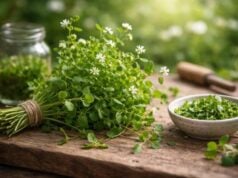
Chocolate mint (Mentha x piperita ‘Chocolate’) is a fragrant peppermint cultivar loved for its dessert-like aroma and its familiar cooling “mint” feel. In the garden, it behaves like peppermint—vigorous, bright, and strongly scented. In the body, it tends to behave like peppermint too, because its signature compounds (especially menthol and menthone) overlap with classic peppermint profiles. That makes chocolate mint a practical herb for everyday, food-forward support: easing occasional digestive discomfort, freshening breath, supporting a clear-feeling airway, and offering cooling comfort when tension builds in the head or muscles.
It is also an herb where the form matters. A cup of leaf tea is gentle and broadly safe for most adults, while concentrated essential oil is potent enough to cause heartburn, irritation, or interactions when used carelessly. If you treat chocolate mint as a pleasant daily ally—used thoughtfully, in sensible doses—it can add both flavor and function to your routine without the drama that sometimes comes with “stronger” supplements.
Top Highlights
- May ease post-meal bloating and mild cramps through antispasmodic, carminative effects.
- Can provide cooling comfort for occasional tension and stuffy-feeling days when inhaled or used topically (diluted).
- Avoid taking essential oil internally unless using an enteric-coated product designed for that purpose; heartburn can worsen.
- Typical tea dose: 1–2 g dried leaves per cup, up to 2–3 cups daily.
- Avoid medicinal use if you have uncontrolled reflux, significant swallowing issues, or you are using blood thinners without clinician guidance.
Table of Contents
- What is chocolate mint?
- Key ingredients in chocolate mint
- Health benefits and realistic outcomes
- How to use chocolate mint
- How much chocolate mint per day?
- Side effects and interactions
- What the evidence says
What is chocolate mint?
Chocolate mint is a cultivated variety of peppermint (Mentha x piperita), typically grown for its aroma and culinary charm. The “chocolate” name is about scent more than sweetness: the leaves often smell like peppermint with a soft cocoa-like nuance, especially when bruised. Botanically, it’s part of the mint family (Lamiaceae), a group known for aromatic essential oils stored in tiny leaf glands. Those oils are the reason mints smell vivid, taste sharp, and can feel cooling on the skin.
As a peppermint cultivar, chocolate mint is usually used the same ways people use peppermint leaf:
- As a tea for gentle digestive comfort and fresh breath
- As a culinary herb in desserts, fruit, sauces, and drinks
- As an aromatic (steam inhalation or diffuser) for a clear, cooling sensation
- As a topical ingredient (diluted) for cooling comfort in muscles or temples
A practical distinction helps avoid confusion: chocolate mint leaf is not the same as peppermint oil capsules sold for gut symptoms. Leaf tea is mild and food-like. Essential oil is concentrated and can be irritating or unsafe if used incorrectly. Many “peppermint benefits” you see online come from studies of standardized peppermint oil (often enteric-coated), not from a casual cup of mint tea.
Chocolate mint also tends to be a “high-signal” plant in the garden: it spreads through runners and can become invasive if planted directly in open soil. That’s not a health concern, but it does matter if you grow your own—container growing is often the simplest, cleanest way to harvest leaves you can trust.
If you are using chocolate mint as a wellness herb, treat it like a daily-support plant, not a quick-fix drug. Its best role is modest, consistent support—especially for digestion and comfort—while keeping concentrated oil use more cautious and intentional.
Key ingredients in chocolate mint
Chocolate mint’s effects come primarily from its essential oil profile plus a supportive layer of polyphenols. While exact percentages vary by growing conditions, harvest time, and cultivar differences, chocolate mint generally resembles peppermint in the compounds that matter most for sensation and function.
Menthol and menthone
Menthol is the “cooling” star. It activates TRPM8 receptors (the same receptors that sense cold), creating the familiar minty chill in the mouth and on skin. Menthone contributes the crisp peppermint aroma and may support the overall antispasmodic profile. Together, they help explain why mints can feel:
- Cooling and refreshing in the mouth
- Calming for mild nausea sensations (especially via aroma)
- Comforting for tension when used topically in diluted form
For deeper context on menthol’s dosing and topical safety, the guide on menthol dosing and safety can help you think clearly about “cooling” products and when they become too strong.
Menthyl acetate and other terpenes
Menthyl acetate can soften the aroma and add a smoother “sweet mint” note. Other terpenes may be present in smaller amounts and can influence how sharp, herbal, or airy the mint smells. This is one reason chocolate mint sometimes feels gentler than some peppermint plants, even though it is still peppermint at heart.
Rosmarinic acid and polyphenols
Like many Lamiaceae plants, mint leaves contain rosmarinic acid and related polyphenols. These compounds are studied for antioxidant activity and support for inflammatory balance in laboratory models. In daily use, this layer of chemistry is best understood as supportive rather than dramatic. It adds to the “overall calming” profile but usually doesn’t create an immediate sensation the way menthol does.
Tannins and bitters
Mint leaves contain small amounts of tannins and bitter compounds that can stimulate digestive secretions and support appetite patterns. This is subtle, but it is part of why a mint tea can feel “settling” after a heavy meal.
Why cultivar matters, but not too much
Chocolate mint is a named cultivar, so its aroma can differ slightly from generic peppermint—often perceived as rounder or dessert-like. Still, most evidence for “mint benefits” is based on peppermint broadly. A good rule is: expect peppermint-like effects, with small differences in flavor and intensity.
If you want reliable, repeatable outcomes (for example, for gut symptoms), consistency of preparation matters more than cultivar branding: how strong the tea is, how often you use it, and whether you’re using leaf or oil usually make the biggest difference.
Health benefits and realistic outcomes
Chocolate mint’s benefits are easiest to appreciate when you match the herb to the right kind of goal: comfort, freshness, and gentle support rather than rapid “treatment.” Most outcomes are modest, but they can be meaningful—especially when chocolate mint replaces less supportive habits (sugary after-dinner snacks, heavy coffee after meals, or mindless snacking during stress).
Digestive comfort after meals
Mint leaf tea is commonly used for post-meal heaviness, mild nausea, gas, and crampy feelings. The most realistic benefits come from:
- Relaxing smooth muscle tone (helpful for mild spasm sensations)
- Supporting the natural “settling” process after eating
- Encouraging slower, calmer breathing when sipped warm
Many people notice a difference within 20–60 minutes, especially when symptoms are mild. If your digestion tends to be sensitive, chocolate mint can be a gentle first step before stronger interventions. If you want a comparison herb that is also widely used for nausea and cramping, ginger’s digestive uses and active compounds can help you decide when mint versus ginger is the better fit.
Fresh breath and oral comfort
This is one of chocolate mint’s most reliable “everyday wins.” The volatile oils create a fresh sensation, and the act of sipping tea can help with dry mouth. Fresh leaves can be chewed briefly for freshness, though that’s more of a culinary habit than a medical one.
Cooling comfort for tension
Used topically (diluted) or inhaled, mint’s cooling sensation can be helpful when tension builds in the head, neck, or shoulders. The key word is comfort: it may reduce the sense of heat, tightness, or pressure, even if it does not fully “treat” the underlying trigger. For a migraine-focused botanical with a different mechanism and evidence base, feverfew for migraine relief offers a useful contrast.
Respiratory “clear feeling” support
Mint vapor can make breathing feel more open by changing sensory perception (that cooling, airy sensation). This can be useful during seasonal discomfort or dry indoor air months. It’s important to keep expectations realistic: it may improve comfort, but it does not replace medical care for asthma, infection, or significant shortness of breath.
Stress-adjacent support
Chocolate mint does not sedate, but it can contribute to a calmer routine. A warm cup after dinner, or the scent during a short breathing break, can become a behavioral anchor that reduces stress-driven snacking and tension. For a stronger “calm-forward” aroma approach, lavender oil for sleep and stress can complement mint-based routines.
Overall, chocolate mint is best framed as a high-utility comfort herb: helpful for digestion, freshness, and cooling sensations—especially when used consistently and gently.
How to use chocolate mint
Chocolate mint is flexible: you can treat it as food, tea, aroma, or topical support. The safest approach is to start with leaf-based use and treat essential oil as a specialized tool.
1) Tea (fresh or dried leaves)
Tea is the classic method because it delivers gentle aromatics plus soothing warmth.
Practical tips for better results:
- Cover the cup while steeping to keep volatile oils from escaping.
- Sip slowly after meals for digestive comfort.
- If you’re using fresh leaves, lightly bruise them first to release aroma.
Tea is also the easiest way to “dose by feel” without overdoing it. You can make it weaker on sensitive days and stronger when you know you tolerate it well.
2) Culinary use
Chocolate mint shines in everyday food:
- Fruit bowls, yogurt, and oats
- Iced teas and infused water
- Dark chocolate desserts and cacao smoothies
- Light sauces (especially for berries or citrus)
Culinary use is ideal if you want mint’s benefits with minimal risk. You can also use it to reduce added sugar: mint adds flavor intensity that can make desserts taste “complete” with less sweetener.
3) Steam inhalation
For a clear, cooling sensation:
- Add hot (not boiling) water to a bowl.
- Add a handful of leaves, or a mild tea bag infusion.
- Inhale gently for 1–3 minutes with breaks.
Avoid aggressive steam inhalation if you have asthma triggered by strong scents, and keep children away from essential oils in hot water.
4) Topical use (diluted)
For muscle or tension comfort, you can use a diluted preparation:
- For a home approach, a strong tea can be used as a cool compress.
- If using essential oil, dilution is crucial (details in the dosage section).
Do not apply essential oil undiluted to skin, and avoid eyes and mucous membranes.
5) Choosing leaf versus essential oil
A simple decision rule:
- Choose leaf (tea or food) for daily use, digestion, and gentle support.
- Choose essential oil only when you need a targeted sensory effect (cooling, aromatic focus) and you can use it safely.
If you are building a small herbal toolkit, chocolate mint pairs well with other gentle digestive plants; for example, chamomile’s active compounds and digestive uses complement mint’s spasm-soothing profile with a more overt calming effect.
How much chocolate mint per day?
Chocolate mint dosing depends on whether you use the leaf (mild) or the essential oil (concentrated). Most people do best with leaf-based dosing as the default, then occasional targeted aromatic use as needed.
Tea dosing (adult)
A practical range for leaf tea is:
- 1–2 g dried leaves per 240 ml (8 oz) water, steep 5–10 minutes
- Up to 2–3 cups per day
If using fresh leaves:
- 2–4 g fresh leaves per cup (a small handful), steep 5–10 minutes
- Start with one cup daily and increase gradually if digestion stays comfortable
If you are using mint for post-meal comfort, timing matters more than strength:
- Take 1 cup 10–30 minutes after eating.
- For frequent symptoms, consider 1 cup after your two largest meals rather than sipping all day.
Tincture and glycerite (adult)
If you use a liquid extract, follow the product label. A common traditional range for leaf tinctures is:
- 2–4 ml, up to 3 times daily, usually with water
Because products vary, label guidance is more reliable than assuming a universal dose.
Essential oil dosing (aroma and topical)
Essential oil is not “strong tea.” It is a concentrated mixture of volatile compounds.
For inhalation:
- 1–2 drops in a diffuser session, or on a tissue held several inches away
- Limit sessions to 10–20 minutes, then reassess
For topical use:
- 1–2% dilution for sensitive areas (about 1–2 drops per 5 ml carrier oil)
- 3% dilution for small areas like neck and shoulders if you tolerate it well
- Avoid face application unless you are experienced and very cautious
For headache-style use, some over-the-counter products use peppermint oil preparations around 10% in alcohol, but replicating that at home can be irritating. If you want this approach, it’s safer to use a reputable, pre-formulated product rather than DIY concentration.
Enteric-coated peppermint oil capsules
Many clinical studies use enteric-coated peppermint oil (not leaf tea). If you choose this route, follow product labeling and consider medical guidance if you have reflux. Common research dosing often falls around 180–225 mg per capsule, taken 2–3 times daily before meals, but product design and release location vary.
If you have heartburn, start with leaf tea instead of capsules.
Side effects and interactions
Chocolate mint leaf is widely used as a food herb and is usually well tolerated in typical tea amounts. Most safety concerns appear when people use concentrated essential oil, high-dose capsules, or stack multiple “mint products” at once.
Common side effects
Leaf tea (more likely when too strong or taken on an empty stomach):
- Mild heartburn or stomach burning in reflux-prone people
- Nausea (uncommon, but possible if very concentrated)
- Dry mouth in some individuals
Peppermint oil (more likely than leaf):
- Heartburn and reflux (especially if the oil releases in the upper GI tract)
- Perianal burning (sometimes reported with enteric-coated capsules)
- Skin irritation if used undiluted or too strong
Who should avoid or use extra caution
Avoid medicinal-style use (especially oils and capsules) or seek guidance if you have:
- Uncontrolled GERD, frequent heartburn, or hiatal hernia (peppermint can worsen reflux sensations)
- Bile duct obstruction or symptomatic gallbladder issues (seek clinician guidance before using concentrated peppermint oil)
- Significant swallowing difficulty (avoid concentrated oils and avoid thick gels or strong preparations that could irritate)
- Young children (do not apply peppermint oil near the face; strong menthol exposure can trigger breathing issues in vulnerable children)
Pregnancy and breastfeeding:
- Chocolate mint as a food herb is commonly used, but high-dose essential oil is best avoided unless guided by a clinician.
Medication interactions
Most interactions are about either reflux mechanisms or metabolism in concentrated forms:
- Antacids and acid-reducing medicines can affect how enteric-coated capsules dissolve; this can increase upper-GI release and heartburn risk.
- Peppermint oil can influence drug-metabolizing enzymes in laboratory settings; if you take high-stakes medications (for example, transplant medicines, anticoagulants, or tightly dosed therapies), avoid self-prescribing concentrated peppermint oil without professional advice.
Practical safety habits
- Start with leaf tea before moving to capsules or oils.
- Do not take essential oil internally unless the product is designed for that route.
- Separate “new herb trials” from other changes so you can tell what is helping or hurting.
- Stop if reflux worsens, nausea increases, or skin irritation appears.
Used thoughtfully, chocolate mint is a low-risk daily herb for most adults. The main goal is simply to respect potency differences between leaf and oil.
What the evidence says
Chocolate mint itself is not the main focus of clinical research. Most human evidence comes from peppermint oil or peppermint-based combinations, and then we infer that chocolate mint leaf may offer similar (usually milder) effects because it is a peppermint cultivar with overlapping volatile compounds. This is a reasonable inference for everyday use, but it also sets a limit: the strongest evidence applies to standardized products, not home-grown tea.
Best-supported area: gastrointestinal symptoms
Across clinical trials and meta-analyses, peppermint oil has shown benefit for global IBS symptoms and abdominal pain compared with placebo, though adverse events (often mild) are more frequent and evidence quality varies. In practical terms, this supports peppermint oil as an option for IBS symptom relief when used in well-designed formulations, especially enteric-coated products intended to reduce heartburn risk.
Functional dyspepsia is another area where peppermint appears frequently, often in combination with caraway oil. A systematic review and meta-analysis of a peppermint–caraway preparation (Menthacarin) reports improvements in dyspepsia symptoms in randomized trials. This does not prove chocolate mint tea will “treat” dyspepsia, but it reinforces the core idea that mint-family aromatics can influence gut comfort pathways.
Other uses: headache, nausea, and sensory comfort
Peppermint oil is used topically for tension-type headache in some settings, and peppermint aroma is often studied for nausea support in specific contexts (for example, postoperative or chemotherapy-related nausea). Results across aromatherapy studies are mixed, but many people still find the sensory effect meaningful: cooling, clearer breathing sensation, and improved comfort during nausea-prone moments.
What the evidence does not support well
- Chocolate mint as a stand-alone “treatment” for infections, asthma, or chronic disease
- Large, predictable changes in weight, blood pressure, or blood sugar from leaf use
- High-dose essential oil use as a safe long-term daily supplement without guidance
How to apply evidence responsibly
A grounded approach is:
- Use chocolate mint leaf for gentle, low-risk daily support (digestion, freshness, comfort rituals).
- Reserve peppermint oil products for specific targets (often gut symptoms), and treat them like a supplement with real side effects.
- Reassess after 2–4 weeks of consistent use: if you do not notice meaningful benefit, escalating dose is rarely the best next step.
Chocolate mint is at its best when it supports your routine rather than trying to replace medical care. That is a strength—not a limitation—because it makes the herb both practical and sustainable.
References
- Systematic review and meta-analysis: efficacy of peppermint oil in irritable bowel syndrome – PubMed 2022 (Systematic Review and Meta-Analysis)
- Menthacarin, a Proprietary Peppermint Oil and Caraway Oil Combination, Improves Multiple Complaints in Patients with Functional Gastrointestinal Disorders: A Systematic Review and Meta-Analysis – PMC 2022 (Systematic Review and Meta-Analysis)
- Investigating the Health Potential of Mentha Species Against Gastrointestinal Disorders—A Systematic Review of Clinical Evidence 2025 (Systematic Review)
- Peppermint Oil: Usefulness and Safety | NCCIH 2025 (Evidence Summary)
Disclaimer
This article is for educational purposes only and does not provide medical advice, diagnosis, or treatment. Herbal products can cause side effects and interact with medications, and “mint” products vary widely in strength (leaf tea versus essential oil versus enteric-coated capsules). If you are pregnant or breastfeeding, have gastroesophageal reflux disease, gallbladder or bile duct problems, a swallowing disorder, or you take prescription medications (especially blood thinners or tightly dosed therapies), consult a qualified healthcare professional before using chocolate mint or peppermint oil medicinally. Seek urgent care for severe allergic reactions, breathing difficulty, or symptoms that suggest infection or a serious gastrointestinal condition.
If you found this guide helpful, please share it on Facebook, X (formerly Twitter), or your preferred platform so others can use chocolate mint more safely and effectively.