Cinnamon basil (Ocimum basilicum ‘Cinnamon’) is a fragrant basil cultivar that bridges two familiar worlds: the bright, green sweetness of basil and the warm, spicy note we associate with cinnamon. In the kitchen, it is prized for desserts, fruit, tea blends, and savory dishes that benefit from a soft “spice lift” without added sugar. In herbal use, cinnamon basil behaves much like other basils: it offers aromatic compounds that can support comfortable digestion, help the body feel more settled after meals, and provide gentle antioxidant and antimicrobial activity.
What makes cinnamon basil distinctive is its aroma chemistry. Many cinnamon basil plants produce higher levels of cinnamon-scented constituents (often discussed as methyl-cinnamate–leaning profiles), alongside classic basil compounds such as linalool, eugenol, and related phenolics. That blend explains why the herb can feel both refreshing and warming.
Because basil essential oils can vary widely between cultivars, safety and dosing depend on the form you use. Leaf tea and culinary amounts are generally gentle; concentrated oils and extracts require more caution and clearer guidance.
Core Points
- May ease occasional bloating and post-meal discomfort through aromatic, antispasmodic effects.
- Offers antioxidant and antimicrobial activity that supports overall wellness routines.
- Avoid internal use of concentrated basil essential oil unless professionally guided; chemotype and estragole content matter.
- Typical tea dose: 1–2 g dried leaves per cup, up to 2–3 cups daily.
- Avoid medicinal use in pregnancy and use extra caution with blood thinners or diabetes medications.
Table of Contents
- What is cinnamon basil?
- Key ingredients and aroma compounds
- Health benefits and medicinal properties
- How to use cinnamon basil
- How much cinnamon basil per day?
- Side effects, interactions, and who should avoid
- What the evidence actually says
What is cinnamon basil?
Cinnamon basil is a named cultivar of sweet basil (Ocimum basilicum) selected for a distinct warm, spicy fragrance that resembles cinnamon. Botanically, it belongs to the mint family (Lamiaceae), which is known for plants that store aromatic oils in tiny glands on the leaves and flowers. Those oils are why basil smells intense when you bruise a leaf, why it perfumes a dish quickly, and why it can feel “active” even when used in small amounts.
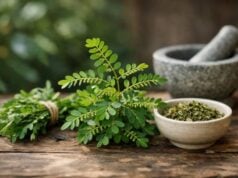
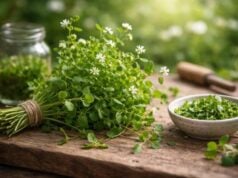
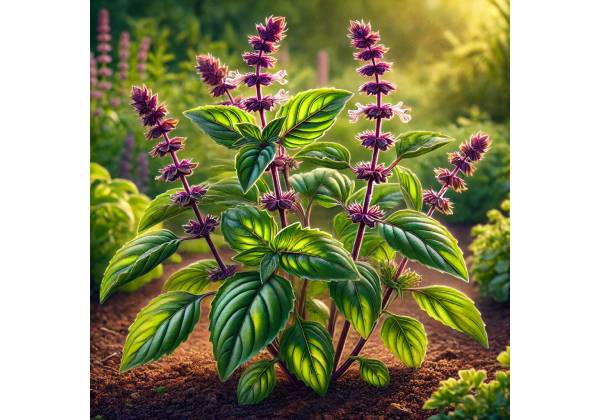
Gardeners often recognize cinnamon basil by its slightly narrower leaves, purple-tinged stems, and mauve-to-pink flower spikes, though appearance varies with sun, soil, and watering. Like other basils, it is tender, fast-growing, and best harvested regularly. Frequent pinching encourages leaf production and delays flowering, which matters because aroma can shift once a plant is heavily in bloom.
From a practical health perspective, cinnamon basil sits in the “food-herb” category. That means the most reliable benefits usually come from culinary use and gentle preparations (like tea), rather than from supplement-style dosing. This is an important distinction because basil essential oil composition can vary dramatically among basil types and even among batches of the same cultivar. A cinnamon-scented basil is not automatically the same as “basil oil” sold in capsules or bottles.
Cinnamon basil versus culinary cinnamon
Despite the name, cinnamon basil is not a source of cinnamon bark compounds in the same way that Cinnamomum species are. The cinnamon impression comes from basil’s own aromatic constituents. In other words: cinnamon basil can add “cinnamon-like” warmth to your palate, but it is not a substitute for cinnamon supplements, cinnamon bark, or clinically studied cinnamon extracts.
Why people use it
Most people reach for cinnamon basil for one of three reasons:
- Flavor: making fruit, chocolate, and herbal tea taste richer without extra sweeteners
- Digestion: supporting a calmer stomach after heavy or rich meals
- Comfort and freshness: the gentle uplifting effect of aromatic herbs in routines that feel tense or sluggish
Think of cinnamon basil as a small, steady helper—best used consistently and pleasantly, not aggressively.
Key ingredients and aroma compounds
Cinnamon basil’s “medicinal personality” is largely shaped by its volatile oils (aroma compounds) and its polyphenols (plant antioxidants). The exact mix depends on genetics, harvest timing, and growing conditions, but there are predictable patterns that help you use the herb more intelligently.
Volatile oils: the sensory drivers
The cinnamon-like note in cinnamon basil is often linked to a profile richer in cinnamon-scented constituents (commonly discussed as methyl cinnamate–forward chemotypes) layered over classic basil aromatics. These volatile oils can influence the body in several ways:
- They stimulate smell and taste receptors, shaping appetite and digestive signaling.
- Some have mild antispasmodic effects, which is why aromatic herbs can feel “settling” after meals.
- Many have antimicrobial activity in lab settings, which helps explain why basil has a long history as a food-preserving and kitchen-medicine plant.
Because basil chemotypes vary, “basil essential oil” is not a single standardized substance. Some basil oils are linalool-rich and softer; others are more estragole-leaning and sharper; others emphasize eugenol or related phenylpropanoids. Cinnamon basil tends to sit closer to the “spiced, warm” end of that spectrum.
Polyphenols and phenolic acids
Beyond aroma, basil leaves contain antioxidant compounds such as rosmarinic-acid–type phenolics and flavonoids. These support the plant’s protective functions and contribute to the “whole-herb” wellness profile. In human terms, polyphenols are best viewed as cumulative support—part of why herbs and greens can be helpful over time—rather than a quick, measurable effect after one serving.
Eugenol and related phenylpropanoids
Some basils contain eugenol and related compounds that are also found in other aromatic plants. Eugenol is often discussed for soothing and antimicrobial properties, and it is one reason basil can taste slightly clove-like in the background. If you want to compare how eugenol behaves in a more concentrated culinary herb, eugenol-rich clove and its safety considerations can help you think about dose and potency differences.
Minerals and micronutrients
As a fresh herb, cinnamon basil contributes small amounts of vitamins and minerals, but its main value is not as a “nutrient supplement.” Its value is that it makes healthy food taste better, which makes healthy eating easier to sustain.
The key idea: cinnamon basil’s benefits come from the intersection of aroma chemistry and gentle plant antioxidants, with the strongest effects appearing when the herb becomes part of your daily food pattern.
Health benefits and medicinal properties
Cinnamon basil is best used for benefits that match what aromatic, polyphenol-rich herbs reliably do: support digestion, add antioxidant “lift,” and contribute mild antimicrobial and anti-inflammatory activity. The most helpful way to read basil claims is to separate what’s realistic in kitchen doses from what requires concentrated extracts.
1) Digestive comfort and reduced “after-meal heaviness”
Many people drink basil tea or add basil to meals when they feel bloated, mildly crampy, or sluggish after eating. Aromatic herbs can support digestion through several gentle mechanisms:
- Encouraging digestive secretions and motility patterns
- Relaxing mild smooth muscle spasm sensations
- Providing a calming sensory cue that helps the body shift from stress to rest-and-digest
In practice, the most noticeable effect is often simple: a meal feels like it “sits better.” If your primary goal is digestive comfort, cinnamon basil can be a pleasant alternative to stronger minty herbs, though it plays a similar role. For comparison, peppermint’s digestive comfort profile illustrates what aromatic herbs often do well and where they can sometimes irritate reflux-prone people.
2) Antioxidant and inflammatory-balance support
Basil’s phenolics and volatile compounds have antioxidant activity in laboratory research, and this aligns with traditional use as a “cooling, clearing” kitchen herb. Realistically, this shows up as long-term support when cinnamon basil is part of a diet rich in plants, not as a dramatic short-term change.
3) Antimicrobial activity and “kitchen medicine” relevance
Basil essential oils and extracts can inhibit microbes in lab settings. That does not mean basil treats infections in people. What it does mean is that basil is a sensible herb to include in food routines when you want gentle antimicrobial support as part of a broader hygiene and nutrition strategy.
4) Mood and stress-adjacent support
Aromatic plants often influence mood indirectly through scent and ritual. A cup of cinnamon basil tea after dinner can become a cue that reduces late-night snacking, supports a calmer evening, and helps you transition into sleep. Some clinical research exists for basil preparations in specific contexts, but outcomes vary and are not a substitute for mental health care.
5) Metabolic interest: glucose and lipid markers
Basil is sometimes discussed for metabolic support based on preclinical data and some human trials with extracts. The most responsible expectation is modest support, especially when basil use is paired with diet changes. If you take glucose-lowering medication, this is also where caution becomes relevant, because additive effects are possible.
Overall, cinnamon basil’s strongest “real world” benefits are digestion support and gentle wellness reinforcement through flavor, aroma, and consistent use.
How to use cinnamon basil
Cinnamon basil is unusually easy to use because it works as both a culinary herb and a gentle tea. The safest and most sustainable approach is to start with food-level use, then explore stronger preparations only if you have a clear reason and good tolerance.
1) Culinary use (everyday and low-risk)
Cinnamon basil shines when you use it as a flavor enhancer that reduces the need for sugar or heavy sauces. Practical ideas:
- Fruit and dessert: berries, oranges, melon, dark chocolate dishes, yogurt, and oats
- Drinks: infused water, iced tea, warm herbal tea blends, and cocoa
- Savory: squash, carrots, tomato-based dishes, mild curries, and roasted chicken
A useful trick is to add cinnamon basil at the end of cooking. Heat can drive off the most delicate aromatics, so finishing a dish preserves the “cinnamon lift.”
2) Tea (fresh or dried)
Tea is the classic “digestive support” use:
- Use warm water and cover while steeping to trap volatile oils.
- Sip slowly after meals, rather than chugging, to maximize comfort benefits.
- If the tea tastes too sharp or perfumey, reduce leaf amount before you shorten steep time.
3) Honey or syrup infusions
Cinnamon basil pairs naturally with honey. A mild honey infusion can be used as a flavoring for tea or yogurt. Keep this as a culinary preparation, not a medicinal concentrate—especially if you are managing blood sugar.
4) Tinctures and capsules
These are less common for cinnamon basil specifically, but some basil leaf extracts exist. If you use a supplement, look for clear labeling of:
- Plant part (leaf versus essential oil)
- Extraction method and dose
- Quality testing
Avoid products that rely on vague “basil oil” language without explaining the chemotype or safety testing.
5) Essential oil use (caution zone)
Basil essential oil is potent. It can be used aromatically or topically (diluted), but internal use is not a casual choice because basil oils can vary in estragole and other constituents. If you want a safer path for sensory benefits, choose leaf tea first.
Smart pairing with other herbs
Cinnamon basil blends well with other culinary herbs that bring savory depth. If you’re building a kitchen-herb routine, oregano’s culinary and wellness profile can complement basil-style herbs while keeping your approach food-first and sustainable.
The best “how to” rule is simple: let cinnamon basil live primarily in your meals and teas, and treat concentrated products as optional tools that deserve extra care.
How much cinnamon basil per day?
Dosing cinnamon basil is less about hitting a precise number and more about choosing the right form for your goal. Culinary use and tea are typically the most practical and safest options. Concentrated oils and extracts require more restraint.
Culinary amounts
For most people, a reasonable daily culinary range is:
- 1–2 tablespoons of chopped fresh leaves added to food
- Or 1–2 teaspoons of dried leaves used in cooking
These amounts are small enough to be comfortable for most digestion, but large enough to make flavor noticeable. If you grow the plant and enjoy it often, it is fine to use it daily as part of meals.
Tea dosing (adult)
A reliable tea range is:
- 1–2 g dried leaves per 240 ml (8 oz) water, steep 5–10 minutes
- Up to 2–3 cups daily
For fresh leaves:
- 2–5 g fresh leaves per cup (a small handful), steep 5–10 minutes
For digestive comfort, timing matters:
- Try 1 cup 10–30 minutes after meals.
- If you’re sensitive to aromatics, start with ½ strength for several days.
Tincture or extract dosing
Because products vary, follow the label. As a conservative pattern:
- Start with the lowest labeled dose for 3–7 days
- Increase only if you notice benefit and no reflux, nausea, or headaches
If you are using basil extract for metabolic support, monitor your response carefully, especially if you already use diet changes, exercise, or supplements that influence glucose.
Essential oil dosing (topical and aromatic)
Avoid internal dosing unless you have professional guidance and a product designed for that route. For safer external use:
- Diffuser: 1–2 drops, run 10–20 minutes, then reassess
- Topical dilution: 1% for sensitive skin (about 1 drop per 5 ml carrier oil) and up to 2% for small areas if tolerated
Always avoid eyes, mucous membranes, and broken skin.
How long to use it
- Culinary and tea use can be ongoing if it feels good and digestion is stable.
- Extracts and essential oil use are better approached in short courses (for example, 1–2 weeks), then reassessed.
If you enjoy rotating gentle digestive herbs, ginger’s active compounds and uses offers a helpful contrast: ginger is often more “warming and direct,” while basil tends to be more aromatic and subtle.
A practical goal is to use the smallest effective amount that supports comfort without irritating reflux or overwhelming your system with concentrated aromatics.
Side effects, interactions, and who should avoid
Cinnamon basil used as a food herb is typically well tolerated. Most safety issues arise from concentrated essential oils, high-dose extracts, or using basil in ways that do not match a person’s health context. The safest default is culinary use and mild tea.
Possible side effects
With leaf tea or food:
- Mild stomach upset if taken very strong or on an empty stomach
- Occasional reflux worsening in sensitive individuals (aromatics can relax the lower esophageal sphincter in some people)
- Rare allergic reactions (especially in people sensitive to mint-family plants)
With essential oil or strong extracts:
- Skin irritation or burning if undiluted or too concentrated
- Headache, nausea, or dizziness from strong aromatics
- Heartburn or throat irritation if used improperly
Key interaction considerations
If you use cinnamon basil in food amounts, interactions are unlikely for most people. With medicinal-style dosing (extracts or oils), caution is more relevant:
- Blood thinners and antiplatelet drugs: basil contains compounds that may influence clotting pathways in theory, and concentrated products can raise the stakes.
- Diabetes medications: basil extracts may influence glucose control in some contexts, creating additive effects.
- Blood pressure medications: any herb that improves diet patterns and fluid balance can indirectly change blood pressure responses.
If you take high-stakes medications or have a condition that requires stable dosing, avoid self-prescribing concentrated basil products.
Who should avoid medicinal-style use
Avoid high-dose extracts or essential oil use (and consider professional guidance even for regular tea) if you are:
- Pregnant or trying to conceive (concentrated essential oils and certain constituents warrant caution)
- Breastfeeding (food use is common, but concentrated products should be guided)
- Managing uncontrolled reflux, gastritis, or frequent heartburn
- Living with liver disease or a history of sensitivity to essential oils
- Using anticoagulants, antiplatelets, or multiple glucose-lowering therapies
Quality and chemotype concerns
A major safety nuance with basil is that essential oil composition can vary widely. Some basil oils can contain higher levels of estragole and related constituents. This is one reason many safety-focused guidelines emphasize limiting exposure to certain constituents from concentrated herbal medicinal products. For consumers, the practical takeaway is simple: do not ingest basil essential oil casually, and do not assume that all basil oils are equivalent.
Simple safety habits
- Prefer leaf-based use (food and tea) as your default.
- Introduce only one new herb product at a time.
- Start low and increase gradually.
- Stop if you notice worsening reflux, rash, wheezing, or persistent nausea.
Used with these boundaries, cinnamon basil is a pleasant, low-drama herb for most people—especially when it stays in the kitchen and teacup.
What the evidence actually says
Cinnamon basil itself is a cultivar, so most research is not labeled “cinnamon basil.” Instead, evidence typically applies to Ocimum basilicum more broadly (leaf extracts, syrups, and essential oils) and to basil chemotypes with specific dominant compounds. This matters because basil is chemically diverse: different cultivars can behave differently, especially in essential oil form.
Human evidence: promising but not definitive
There are clinical trials exploring basil preparations for several outcomes, including mood-related measures, sleep and menopausal symptoms, and topical applications for pain. These studies suggest basil can be well tolerated in certain forms and timeframes, and they help identify “where basil might fit” as a complementary approach. At the same time, study designs vary, outcomes are not always consistent, and many trials use specific preparations that are not equivalent to home tea.
A useful way to interpret basil research is to ask two questions:
- Was the preparation a whole leaf tea, a standardized extract, a syrup, or an essential oil?
- Does my planned use match the preparation used in the study?
If not, treat the study as supportive context, not proof that your method will produce the same result.
Preclinical evidence: strong chemistry, limited translation
Basil’s volatile oils and polyphenols show antimicrobial and antioxidant activity in laboratory and animal studies. That supports traditional use and explains why basil is valued in food systems. But preclinical results do not automatically translate to clinical outcomes like “treating infection” or “curing inflammation” in humans. In practice, basil is better framed as a supportive herb that can improve comfort and wellness habits rather than a replacement for medical treatment.
Safety evidence: chemotype matters most for oils
The biggest evidence-driven caution with basil centers on concentrated essential oils and certain constituents that may raise toxicology concerns at high exposure. Regulatory-style safety statements exist to guide safe use of herbal products containing these constituents, emphasizing duration and dose considerations. This is why leaf use is generally the simplest: you get aroma and polyphenols without turning basil into a concentrated chemical exposure.
What cinnamon basil users should conclude
If you use cinnamon basil as:
- A culinary herb: evidence supports it as a nutritious, aromatic plant with plausible antioxidant and antimicrobial themes.
- A tea: evidence supports aromatic-herb logic for digestion and comfort, but expect gentle effects.
- A supplement or oil: evidence becomes product-specific, and safety depends on composition and dose.
The strongest “evidence-aligned” approach is food-first and tea-forward, with concentrated products used only when you have a clear reason, a reliable product, and a safety plan.
References
- Basil (Ocimum basilicum) to Alleviate Anxiety in Patients With Major Depressive Disorder: A Randomized Placebo-Controlled Clinical Trial 2025 (RCT)
- A randomized double-blind active-controlled clinical trial on the efficacy of topical basil (Ocimum basilicum) oil in knee osteoarthritis 2024 (RCT)
- Volatile Organic Compounds from Basil Essential Oils: Plant Taxonomy, Biological Activities, and Their Applications in Tropical Fruit Productions 2022 (Review)
- Public statement on the use of herbal medicinal products containing estragole 2022 (Guideline)
Disclaimer
This article is for educational purposes only and does not provide medical advice, diagnosis, or treatment. Herbs can cause side effects and interact with medications, and basil products vary widely in strength and composition (fresh leaf, dried leaf, extracts, and essential oils are not interchangeable). If you are pregnant or breastfeeding, have reflux or a gastrointestinal condition, take prescription medications (especially blood thinners, diabetes medicines, or blood pressure drugs), or have a history of sensitivity to essential oils, consult a qualified healthcare professional before using cinnamon basil medicinally or using basil essential oil. Seek urgent care for signs of allergic reaction, breathing difficulty, severe abdominal pain, or symptoms that could indicate infection or another serious condition.
If you found this guide helpful, consider sharing it on Facebook, X (formerly Twitter), or your preferred platform so others can use cinnamon basil more safely and effectively.