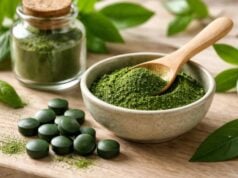
Cocoa (Theobroma cacao) is the seed-derived food we recognize as cocoa powder, dark chocolate, and cacao nibs. It is also one of the most studied “functional foods” because it combines mineral density, unique stimulants, and a concentrated family of polyphenols called cocoa flavanols. In practical terms, that chemistry can translate into small but meaningful benefits for circulation, blood pressure support, and vascular function when cocoa is used consistently and in the right form. Many people also use cocoa for mood and focus, partly because of theobromine, a gentler stimulant than caffeine that tends to feel steady rather than sharp.
Cocoa’s health story depends heavily on processing. Fermentation, roasting, and alkalization change flavor and can also reduce flavanol content, which is why “best tasting” and “best studied” are not always the same. The goal of this guide is to help you use cocoa with clear expectations: how it works, what to choose, how much is reasonable, and what safety issues matter most, from reflux and sleep disruption to heavy metal exposure in some chocolate products.
Essential Insights
- Regular intake of flavanol-rich cocoa may support healthy blood flow and vascular function.
- Theobromine can improve alertness and mood, but late-day use may disrupt sleep.
- Typical daily amount: 5–15 g cocoa powder or 10–30 g dark chocolate, adjusted to tolerance.
- Choose low-sugar, minimally processed options; alkalized cocoa may contain fewer flavanols.
- Avoid medicinal-style use if pregnant, sensitive to stimulants, or managing reflux or kidney stone risk.
Table of Contents
- What is cocoa?
- Key ingredients in cocoa
- Does cocoa support heart health?
- Cocoa for brain, mood, and energy
- How to use cocoa
- How much cocoa per day?
- Safety, interactions, and evidence limits
What is cocoa?
Cocoa comes from the seeds (beans) of Theobroma cacao, a tropical tree native to the Americas and now cultivated widely in equatorial regions. The fresh seeds are surrounded by a sweet, white pulp inside cacao pods. After harvest, the seeds typically go through fermentation and drying, which develop flavor precursors and reduce bitterness. Roasting deepens flavor further and makes the beans easier to process into cocoa products.
From those beans, producers create several forms you’ll see on shelves:
- Cocoa powder (unsweetened): Cocoa solids after some cocoa butter is removed. This is the most practical “health-forward” form because it delivers flavanols and minerals without much sugar.
- Cacao nibs: Crushed roasted beans. Nibs add crunch and a strong, bitter chocolate flavor, and they keep more of the natural fat and fiber.
- Dark chocolate: A blend of cocoa solids, cocoa butter, and usually sugar. The cocoa percentage (for example, 70%) tells you the proportion of cocoa ingredients, not the flavanol content.
- Cocoa butter: The natural fat from cocoa beans. It is valued for texture and cooking, but it contains far fewer flavanols than cocoa powder because flavanols are mainly in the nonfat solids.
- Cocoa extracts and supplements: Concentrated preparations designed to deliver a standardized dose of cocoa flavanols. These can be useful in research-like dosing but are not interchangeable with food forms.
Cacao versus cocoa
In wellness circles, “cacao” is often used to imply minimal processing, while “cocoa” sometimes implies roasted or alkalized powder. In reality, labeling is inconsistent. The more reliable way to judge a product is by reading the processing notes: natural (non-alkalized) cocoa generally retains more flavanols than alkalized (Dutch-processed) cocoa, which is treated to reduce acidity and bitterness.
Why processing matters for benefits
If your goal is flavor alone, any cocoa powder or chocolate may work. If your goal is the research-backed vascular effects associated with cocoa flavanols, processing becomes central. Fermentation, roasting, and especially alkalization can reduce flavanol levels. This is why two products with the same cocoa percentage can behave very differently in the body.
A helpful mindset is to treat cocoa like a “two-part” food: flavor is one part, and bioactive content is another. You can often balance both, but you need to choose intentionally.
Key ingredients in cocoa
Cocoa’s health profile is built from three main categories: polyphenols (especially cocoa flavanols), methylxanthines (theobromine and caffeine), and supportive nutrients (minerals, fiber, and fats). Understanding these helps you predict how cocoa might feel and what benefits are most realistic.
Cocoa flavanols and procyanidins
Cocoa is one of the richest dietary sources of flavanols, including epicatechin and catechin, plus larger chains called procyanidins. These compounds are studied primarily for vascular effects, including nitric-oxide signaling and endothelial function, which can influence blood flow and blood pressure patterns over time.
Key practical points:
- Flavanol content varies widely by brand and processing.
- Natural cocoa generally retains more flavanols than alkalized cocoa.
- Dark chocolate can be flavanol-rich, but sugar and added fats can dilute the dose per calorie.
If you’re curious how cocoa compares to other polyphenol sources used for circulation, grape seed polyphenols and vascular benefits offers a useful point of reference.
Theobromine and caffeine
Cocoa contains theobromine, a stimulant that tends to feel smoother and longer-lasting than caffeine for many people. It can support alertness, perceived energy, and mood. Cocoa also contains some caffeine, though typically less than coffee. The combined effect explains why cocoa can feel uplifting even without added sugar.
What to expect:
- Theobromine may increase heart rate slightly in sensitive individuals.
- Late-day cocoa can affect sleep, especially in people who metabolize stimulants slowly.
- Some people experience reflux or headache from methylxanthines.
Minerals, fiber, and fats
Unsweetened cocoa powder contributes meaningful amounts of magnesium, iron, copper, and manganese, plus fiber. These are not “magic” ingredients, but they add to cocoa’s value as a nutrient-dense food when used without excessive sugar.
Cocoa butter contains a higher proportion of saturated fat than many plant oils, but much of it is stearic acid, which is often described as having a more neutral effect on LDL cholesterol compared with other saturated fats. Still, the biggest health lever with chocolate is usually sugar content and portion size, not cocoa butter alone.
Compounds you may not expect
Cocoa also contains biogenic amines and aroma compounds that contribute to flavor and sometimes to sensitivity reactions. For example, some people notice migraines, flushing, or jitteriness with certain chocolates, while others do not. This variability is a reminder that cocoa is not just nutrition; it is also pharmacology in miniature.
If you want cocoa’s benefits, the most controllable path is unsweetened, minimally processed cocoa powder, because it gives you flavanols and minerals without forcing you into high sugar or high calorie intakes.
Does cocoa support heart health?
Cocoa’s strongest and most consistent health signal is cardiovascular, especially when the focus is on flavanol-rich cocoa rather than sugar-heavy chocolate. The benefits are usually modest, but they can be meaningful at a population level and noticeable for some individuals over weeks to months.
Blood flow and endothelial function
The endothelium is the thin inner lining of blood vessels. When it functions well, blood vessels dilate appropriately and circulation stays responsive. Cocoa flavanols are studied for supporting endothelial function, largely through nitric-oxide–related pathways. In practical terms, this may show up as:
- Slight improvements in flow-mediated dilation measures in research settings
- Small reductions in blood pressure in some trials
- A “warmer hands and feet” perception for some people, especially when cocoa replaces less helpful snacks
These effects are not instant and not guaranteed. They depend on baseline health, flavanol dose, and the rest of the diet. If your diet is already rich in plants and low in ultra-processed foods, cocoa may add a smaller marginal benefit than it would for someone making a larger diet shift.
Blood pressure and vascular tone
Meta-analyses of cocoa and chocolate interventions often report small average decreases in systolic and diastolic blood pressure, particularly in people with higher baseline blood pressure. However, results vary widely. Two people can eat the same chocolate bar and have different outcomes because flavanol content and individual sensitivity differ.
A practical approach is to treat cocoa as a supportive tool alongside:
- Sodium awareness
- Regular movement
- Adequate sleep
- Stress reduction
If you are exploring plant-based strategies for circulation, hawthorn cardiovascular support provides a different model: it is typically used as an herbal supplement, while cocoa is usually used as a food.
Lipids, glucose, and cardiometabolic markers
Cocoa interventions have also been studied for insulin sensitivity, fasting glucose, and lipid patterns. The most consistent findings tend to be modest improvements in vascular-related markers rather than dramatic shifts in cholesterol. When benefits do appear for metabolic markers, they often happen in the context of:
- Lower-sugar cocoa products
- Calorie-neutral substitutions (replacing a snack, not adding extra calories)
- Higher flavanol dosing than most people get from casual chocolate intake
What “counts” as heart-healthy cocoa?
The heart-health conversation changes depending on the product:
- Unsweetened cocoa powder: Most efficient for flavanols per calorie.
- Dark chocolate: Can support vascular goals if sugar is low and portions are moderate.
- Milk chocolate and candy bars: Often too sugar-forward to be a reliable cardiometabolic choice.
In short: cocoa can support heart health, but the benefit is driven by flavanols, not by chocolate as a dessert category. Choose forms and portions that keep sugar and calories in check while delivering the compounds research actually studies.
Cocoa for brain, mood, and energy
Cocoa is often described as a “feel-good” food, and there are plausible reasons for that beyond taste. Its combination of flavanols and methylxanthines can influence blood flow, alertness, and the subjective sense of well-being. The key is to separate a short-term “uplift” from long-term brain-health claims.
Cognitive performance and mental clarity
Research on cocoa flavanols suggests potential benefits for certain aspects of cognition, especially in older adults or under conditions where blood flow is a limiting factor. The most realistic cognitive effects are subtle:
- Slight improvements in attention or processing speed in some studies
- Better performance during fatigue, stress, or low-oxygen challenges in specific experimental designs
- Stronger effects when flavanol dosing is standardized (often via extracts)
For everyday use, cocoa is not a cognitive enhancer in the way a prescription medication is. It is better framed as a food that may support brain function indirectly by supporting vascular health and reducing oxidative stress exposure over time.
Mood, motivation, and the “cocoa calm” feeling
Cocoa can feel comforting for three overlapping reasons:
- Theobromine: A mild stimulant that can improve alertness without the sharpness of high caffeine.
- Sensory reward: Aroma and taste can shift mood rapidly, especially when paired with a warm drink ritual.
- Blood flow effects: Some people report a “clearer” feeling that may relate to vascular response.
If your main goal is calm focus without stimulation, cocoa may not be the best stand-alone choice, especially later in the day. For a non-stimulant option often used for calm clarity, l-theanine for calm focus and sleep support is a useful comparison.
Energy and exercise-adjacent use
Cocoa is sometimes used pre-workout or in endurance contexts. The rationale is a blend of:
- Theobromine’s mild stimulant effect
- Potential endothelial support that may improve blood flow efficiency
- A psychological “warm-up” benefit from a familiar ritual
For most people, the practical impact is small. If cocoa helps you exercise more consistently because you enjoy it, that behavioral effect can matter more than any acute physiology.
Sleep considerations
Cocoa can disrupt sleep in stimulant-sensitive individuals, especially when used in the afternoon or evening. Even if caffeine is low, theobromine can linger and keep sleep lighter. If you love nighttime cocoa, consider:
- Smaller servings
- A lower-caffeine cocoa product
- Earlier timing, such as after lunch rather than after dinner
Cocoa can support mood and mental clarity, but it is not a universal “brain booster.” The most reliable benefit is often the simplest: a nutrient-dense, lower-sugar comfort food that supports better habits and steadier energy when used intentionally.
How to use cocoa
The most effective way to use cocoa for health is to treat it as a strategic substitution rather than an add-on. When cocoa replaces a high-sugar dessert or a refined snack, it is more likely to help; when it becomes extra calories on top of your usual intake, benefits are easier to cancel out.
Choose the right form for your goal
- For flavanols and minerals: Unsweetened, natural cocoa powder is usually the best starting point.
- For convenience and portion control: Dark chocolate squares can work well if sugar is low and serving size is consistent.
- For texture and crunch: Cacao nibs add cocoa intensity without added sugar, but they are bitter and easy to overeat if used mindlessly.
- For research-like dosing: Cocoa flavanol extracts can be consistent, but they should be treated like supplements with dosing and safety considerations.
Natural cocoa versus Dutch-processed
Dutch-processed cocoa is alkalized to reduce acidity and bitterness, which can make drinks smoother. The tradeoff is that alkalization often reduces flavanol content. If you want a compromise:
- Use natural cocoa for your “health-forward” routine.
- Keep Dutch cocoa for recipes where flavor and texture matter most.
Make a cocoa drink that supports your goals
A simple, balanced approach:
- Use unsweetened cocoa powder
- Add hot water or milk of choice
- Sweeten lightly if needed, then reduce sweetener over time
- Add protein or fat (such as yogurt, milk, or nut butter) to blunt sugar cravings and improve satiety
If you notice stomach sensitivity, try cocoa with food rather than on an empty stomach.
Use cocoa as a flavor tool
Cocoa can make healthy foods taste richer:
- Oats, chia puddings, and yogurt
- Smoothies with fruit and greens
- Homemade energy bites with minimal sweetener
- Savory sauces (small amounts can deepen chili or mole-style dishes)
This “flavor amplification” is a quiet superpower: cocoa can help you enjoy less sugar without feeling deprived.
Quality habits that matter
- Pick products with short ingredient lists (cocoa, cocoa butter, maybe a small amount of sugar).
- Be cautious with “keto” or “protein” chocolates that add sugar alcohols; they can cause digestive upset.
- Store cocoa well; aroma compounds fade with heat and time.
Cocoa works best when it becomes a stable, repeatable part of your routine. The goal is not maximum chocolate. The goal is a consistent, moderate intake that delivers beneficial compounds without drifting into a candy pattern.
How much cocoa per day?
Cocoa dosing depends on the form you use, your sensitivity to stimulants, and whether your goal is general wellness or a targeted flavanol intake. Because flavanol content varies widely between brands, it helps to think in practical serving sizes, then adjust based on how you feel.
Common daily ranges (food forms)
For most adults, a reasonable starting range is:
- Cocoa powder: 5–15 g per day (about 1–3 tablespoons, depending on how heaped your spoon is)
- Dark chocolate: 10–30 g per day (about 1–3 small squares, depending on the bar)
- Cacao nibs: 5–15 g per day (about 1–2 tablespoons)
If you are new to daily cocoa, start at the low end for a week. This helps you spot reflux, headaches, or sleep disruption early.
Targeting cocoa flavanols
Many studies use standardized cocoa flavanol doses that commonly fall around 200–600 mg per day, often delivered via extracts. Food forms can sometimes reach that range, but not reliably. Two cocoa powders can differ dramatically in flavanol content even if both say “unsweetened.”
If your goal is vascular support:
- Choose natural, minimally processed cocoa
- Use a consistent brand
- Treat cocoa as a daily habit for 4–12 weeks before judging results
Timing
- For daytime focus: Morning or early afternoon tends to work best.
- For blood flow support: Consistency matters more than timing, but pairing cocoa with a routine (for example, after breakfast) improves adherence.
- For sleep-sensitive people: Avoid cocoa within 6–8 hours of bedtime, especially higher doses or darker chocolate.
Variables that change the “right dose”
- Stimulant sensitivity: People who get jittery from tea may need smaller cocoa servings.
- Reflux tendency: Larger servings, especially in drinks, can worsen symptoms.
- Calorie goals: Cocoa can be easy to overconsume when mixed into sweetened drinks or desserts.
- Kidney stone history: Some people do better limiting high-oxalate foods, including large cocoa servings.
When less is more
If cocoa helps you replace a sugary dessert, a smaller dose is often better than a “health maximalist” dose. A daily tablespoon of cocoa in yogurt may provide more benefit over time than a large nightly cocoa drink that disrupts sleep.
A good rule is to choose the smallest amount that feels beneficial, keep it consistent, and reassess after several weeks.
Safety, interactions, and evidence limits
Cocoa is a food, but it is not neutral. Its stimulants, bioactive compounds, and contaminant risks deserve a safety-first approach, especially if you use cocoa daily or in concentrated supplement form.
Stimulant effects and sleep
Cocoa contains theobromine and some caffeine. Potential issues include:
- Sleep disruption, especially with afternoon or evening intake
- Anxiety or palpitations in stimulant-sensitive people
- Headaches in some individuals, particularly with certain chocolates
If you notice sleep changes, reduce dose first and shift timing earlier before you decide cocoa “doesn’t agree” with you.
Reflux, nausea, and GI sensitivity
Chocolate and cocoa can worsen reflux in some people. The mechanism is often a combination of methylxanthines and fat content relaxing the lower esophageal sphincter. Practical fixes:
- Prefer cocoa powder over rich chocolate desserts
- Use smaller servings
- Avoid cocoa on an empty stomach if it triggers nausea
Heavy metals and product quality
Some cocoa and dark chocolate products have tested higher for cadmium and lead than consumers expect. This is not a reason to panic, but it is a reason to avoid making very high-cocoa chocolate a “multi-serving daily staple,” especially for children and pregnant people. Practical risk-reduction strategies:
- Rotate brands rather than relying on a single daily bar
- Keep portions moderate
- Consider third-party tested products when available
- Treat high-cocoa chocolate as one piece of your overall dietary exposure, not the whole story
Medication interactions and special populations
For most people using food-level cocoa, interactions are unlikely. Caution is more relevant with cocoa extracts and very high intakes.
Use extra care if you:
- Take blood pressure medications (cocoa may add mild blood pressure effects in some people)
- Take stimulant medications (additive jitteriness or sleep issues)
- Have arrhythmia history or frequent palpitations
- Are pregnant or breastfeeding (food-level chocolate is common, but high-dose extracts are best avoided unless clinically guided)
- Have kidney stone risk or are advised to limit oxalates
Also keep cocoa away from pets. Theobromine is toxic to dogs, and accidental ingestion is common in households with chocolate snacks.
What the evidence actually supports
The strongest evidence supports cocoa flavanols for vascular function markers and modest blood pressure effects in some populations. Evidence is mixed for long-term clinical outcomes, and it is often dependent on standardized flavanol dosing rather than casual chocolate intake. Many studies also vary in product type, dose, and duration, which makes “one-size-fits-all” claims unreliable.
A balanced conclusion is this: cocoa can be a smart daily food when it is flavanol-forward and sugar-light, but it should not be treated as a cure, and it should not be used in high doses without attention to sleep, reflux, and contaminant exposure.
References
- The role of cocoa flavanols in modulating peripheral and cerebral microvascular function in healthy individuals and populations at-risk of cardiovascular disease: a systematic review – PMC 2025 (Systematic Review)
- Effect of cocoa flavanol supplementation for the prevention of cardiovascular disease events: the COcoa Supplement and Multivitamin Outcomes Study (COSMOS) randomized clinical trial – PubMed 2022 (RCT)
- Effects of cocoa extract and a multivitamin on cognitive function: a randomized clinical trial – PMC 2023 (RCT)
- Effects of flavanols and procyanidins-rich cocoa consumption on metabolic syndrome: an update review (2013-2023) – PubMed 2024 (Systematic Review)
Disclaimer
This article is for educational purposes only and does not provide medical advice, diagnosis, or treatment. Cocoa products vary widely in flavanol content, sugar, stimulants (theobromine and caffeine), and potential contaminant exposure. If you are pregnant or breastfeeding, sensitive to stimulants, living with reflux, palpitations, kidney stone risk, or a chronic medical condition, or if you take prescription medications (especially blood pressure medicines or stimulant therapies), consult a qualified healthcare professional before using high amounts of cocoa or cocoa extracts. Seek medical care promptly for severe allergic reactions, persistent chest discomfort, fainting, or significant sleep disruption.
If this guide helped you, please share it on Facebook, X (formerly Twitter), or your preferred platform to help others choose and use cocoa more safely.