Codonopsis (Codonopsis pilosula), often called Dang Shen, is a sweet, mild-tasting root used in East Asian traditions as a “qi tonic” for low energy, poor appetite, and recovery after illness or stress. It is sometimes described as a gentler cousin of ginseng—supportive rather than stimulating—making it popular for people who want steadier stamina, digestive comfort, and immune resilience without feeling wired. Modern research helps explain why codonopsis has such a broad reputation: its roots contain polysaccharides, saponins, polyacetylenes, and other compounds that may influence immune signaling, gut barrier function, and oxidative stress pathways.
Still, “tonic” does not mean risk-free. Product strength varies widely, and codonopsis is often used in multi-herb formulas where effects are harder to predict. This guide breaks down what codonopsis is, what it contains, what it may realistically help with, how to prepare it as food or tea, and how to approach dosage and safety—especially if you take medications or have a chronic health condition.
Key Takeaways for Codonopsis
- May support steadier energy and appetite, especially during recovery or high-demand periods.
- Common traditional decoction range is about 9–30 g/day of dried root, usually in short courses.
- Use caution if you take immunosuppressants or diabetes medications due to possible immune and glucose effects.
- Avoid during pregnancy unless a qualified clinician specifically recommends it.
- People with autoimmune disease flares or complex medication regimens should avoid self-prescribing concentrated extracts.
Table of Contents
- What is codonopsis?
- Key ingredients and medicinal actions
- Does codonopsis boost energy?
- Gut and immune support
- How to use codonopsis
- How much codonopsis per day?
- Safety, interactions, and evidence
What is codonopsis?
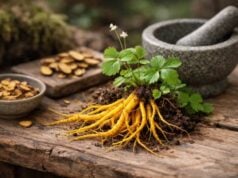
Codonopsis (Codonopsis pilosula) is a climbing plant in the bellflower family (Campanulaceae). The medicinal part is the dried root, traditionally called Codonopsis Radix or Dang Shen. The root is typically tan to light brown with a slightly sweet, starchy flavor and a faint aromatic note. In traditional frameworks, codonopsis is used to “support qi,” especially when low vitality shows up as fatigue, shortness of breath on exertion, weak appetite, loose stools, or a sense of being run down after illness or chronic stress.
Codonopsis is not one single “dang shen”
In commerce, “codonopsis” can refer to several Codonopsis species and regional varieties. The most commonly discussed is Codonopsis pilosula, but related roots may appear under similar names. This matters because chemical profiles can differ by species, growing conditions, harvest year, and processing method. If you are using codonopsis for a specific goal (such as a fatigue-support tea), choose products that list the botanical name and the plant part (root) clearly.
How codonopsis is traditionally positioned
Codonopsis is often selected when someone needs “tonic” support but does not tolerate stronger botanicals well. In practical terms, codonopsis is commonly used for:
- Recovery after illness, surgery, or prolonged stress
- Low appetite and digestive weakness patterns
- Mild respiratory weakness (especially when fatigue and breathlessness travel together)
- General “building” support during demanding seasons
It is also used as a food-medicine ingredient in soups, congee, and slow-cooked broths in some cultures. That culinary use is one reason codonopsis feels approachable. But “food-medicine” can still be pharmacologically active—especially when taken daily in concentrated products.
Common form confusion
Codonopsis is sometimes confused with:
- Ginseng roots, because of the “poor man’s ginseng” nickname
- Other tonic roots, which may be substituted in blends
- Extract powders, which can be far more concentrated than sliced root
A helpful rule: sliced root used in soup is typically mild; standardized extracts and capsules can be much stronger and less predictable. If you start with codonopsis, it is usually safer to start with traditional food-style preparations first, then decide whether a concentrated form is actually necessary.
Key ingredients and medicinal actions
Codonopsis has a “broad-spectrum” profile: it contains multiple compound families that may influence immune tone, digestion, energy metabolism, and stress physiology. Rather than a single signature active, codonopsis behaves more like a layered botanical—especially when used as a decoction or food ingredient where many water-soluble constituents are extracted together.
Key compound groups in codonopsis root
The most discussed constituents include:
- Polysaccharides (often called Codonopsis pilosula polysaccharides or CPPs): These complex carbohydrates are frequently studied for effects on immune signaling, gut barrier integrity, and microbiome-related metabolites. In practical terms, polysaccharides are one reason codonopsis is framed as supportive during recovery and digestive weakness patterns.
- Saponins and glycosides: These compounds may contribute to adaptogenic-style effects, including stress resilience and systemic support in preclinical models. Their presence also helps explain why codonopsis is sometimes compared to ginseng, even though it is typically milder.
- Polyacetylenes and polyenes: Often associated with plant defense chemistry; they are explored for anti-inflammatory and antimicrobial behavior in laboratory settings.
- Phenylpropanoids, flavonoids, and phenolics: These antioxidant-related compounds may support oxidative stress balance and inflammatory mediator modulation.
- Alkaloids and other nitrogen-containing compounds: Present in smaller amounts, they may contribute to broader pharmacology, though human outcomes remain less certain.
What these compounds may “do” in the body
Codonopsis is often described in mechanism language that can feel abstract. A more user-friendly way to translate the science is to focus on four plausible action themes:
- Immune modulation rather than immune stimulation
Many papers describe codonopsis as supporting immune balance—helping the system respond appropriately without necessarily “boosting” it indiscriminately. This distinction matters if you have autoimmune disease or take immune-active medications. - Gut-first support
Polysaccharide-rich botanicals often influence the gut environment, including microbial fermentation products and intestinal barrier signaling. This can translate into improved appetite, steadier stools, and less post-meal discomfort in some people. - Energy availability and recovery support
“Qi tonics” are frequently used when fatigue is tied to under-eating, poor digestion, long-term stress, or convalescence. Codonopsis may support energy indirectly by improving nutrient intake and tolerance, rather than acting like a stimulant. - Oxidative stress and inflammation pathways
Codonopsis compounds are studied in models that involve inflammation and oxidative stress. This is supportive context for its traditional reputation, but it does not mean codonopsis is a stand-alone treatment for inflammatory disease.
Why form matters
Water extracts (soups, teas, decoctions) emphasize polysaccharides and other water-soluble compounds. Alcohol extracts may pull different fractions. Capsules can deliver higher daily doses than traditional food use. For most people, the safest way to match “ingredients to goals” is to start with the gentlest form that fits your purpose and move up only if needed.
Does codonopsis boost energy?
Codonopsis is best thought of as an energy steadiness herb rather than an energy “surge” herb. People often reach for it when fatigue is paired with low appetite, poor recovery, or a sense that the body is running on fumes. It is not typically used as a quick fix before workouts or as a replacement for sleep. When it helps, it tends to support a more stable baseline—especially over days to weeks.
When codonopsis is a good match for fatigue
Codonopsis may fit well when fatigue looks like:
- Low stamina with mild breathlessness on exertion
- Low appetite or nausea with stress-related under-eating
- Post-illness recovery fatigue
- “Crashy” energy linked to irregular meals and digestive sensitivity
In these situations, codonopsis is often used as part of a “build back” plan: regular meals, adequate protein, gentle movement, and sleep rhythm. Codonopsis can be the supportive piece that makes the plan easier to sustain.
What to realistically expect
Codonopsis is unlikely to feel like caffeine. More typical improvements include:
- Better appetite earlier in the day
- Less afternoon energy collapse
- More tolerance for light activity without feeling depleted
- A calmer, less “frazzled” fatigue experience when stress is high
Because this is subtle, it helps to track results. A simple log of energy (morning and afternoon), appetite, and stool quality for 10–14 days can reveal whether it is truly helping.
Codonopsis vs. stronger tonics
Codonopsis is sometimes compared to ginseng because both are used for vitality and recovery. The difference many people notice is that codonopsis feels gentler and more digestive-friendly, while ginseng can feel more activating for some. If you are deciding between them, it may help to review Asian ginseng benefits and uses and ask whether your fatigue needs stimulation, recovery support, or digestive rebuilding.
When codonopsis is not enough
If fatigue is severe, persistent, or accompanied by red flags—unexplained weight loss, night sweats, chest pain, fainting, blood in stool, or major shortness of breath—do not self-treat. Codonopsis can be supportive, but it should not delay evaluation for anemia, thyroid issues, sleep disorders, depression, long COVID complications, or cardiopulmonary conditions.
Used appropriately, codonopsis is most helpful for the kind of fatigue that improves when you support fundamentals: nourishment, digestion, stress regulation, and gentle rebuilding.
Gut and immune support
Codonopsis has a strong reputation for supporting digestion and immune resilience, and those two goals often overlap. If appetite is low, the gut is sensitive, or bowel habits are inconsistent, the immune system tends to feel more reactive and recovery takes longer. Codonopsis is commonly used to strengthen the “center”—a traditional way of describing digestive function, nutrient assimilation, and the energy that comes from eating well.
Digestive comfort and appetite support
Codonopsis is often selected when digestion feels weak rather than inflamed. Signs include:
- Poor appetite, especially in the morning
- Bloating after small meals
- Loose stools that worsen with stress or fatigue
- A “hollow” tiredness that improves temporarily after eating but returns quickly
Food-style codonopsis (soup or decoction) is frequently chosen in these situations because it is gentle and steady. Some people pair it with warming culinary herbs for comfort, but the codonopsis role is usually foundational—helping appetite and meal tolerance return.
Microbiome-friendly polysaccharides
Codonopsis polysaccharides are studied for how they influence gut bacteria and the metabolites produced during fermentation. This is one reason codonopsis is often discussed for:
- Post-antibiotic recovery routines (alongside diet changes)
- Stress-related GI sensitivity
- “Build back” digestion after prolonged under-eating
It is important to keep expectations measured. A polysaccharide-rich herb may support gut ecology over time, but it will not override a highly processed diet, chronic sleep debt, or ongoing alcohol excess.
Immune resilience: what it can and cannot mean
Many people want an herb that “boosts immunity.” A safer goal is immune resilience—fewer crashes, smoother recovery, and less lingering depletion after normal stressors. Codonopsis may support immune signaling and recovery capacity, particularly when low appetite and fatigue are part of the picture.
If you want a close comparison within classic tonic traditions, you may also explore astragalus for immune support. Astragalus is often framed more directly around immune resilience, while codonopsis is frequently chosen when digestion and appetite need rebuilding alongside immune support.
Respiratory support in tonic traditions
Codonopsis is also used for mild respiratory weakness patterns—especially when shortness of breath is linked to low stamina rather than acute infection. In practical terms, that might look like:
- Getting winded easily, especially when tired
- Weak cough that feels unproductive
- Post-illness “lung tiredness” during recovery
Codonopsis is not an acute infection herb. If you have fever, chest pain, wheezing, or worsening shortness of breath, seek medical care.
The most grounded way to use codonopsis for gut and immune goals is to think “recovery support,” not “antibiotic replacement,” and to keep dosing consistent and moderate.
How to use codonopsis
Codonopsis can be used as food, tea, decoction, powder, tincture, or capsule, and the best choice depends on your goal and how sensitive you are to botanicals. If you are new to codonopsis, the most practical and safest entry point is usually sliced root in soup or a simple decoction, because it is easier to control intensity and observe how your body responds.
Common forms and what they are best for
- Sliced dried root (soups and broths): Best for gentle recovery support, appetite building, and long, steady nourishment routines.
- Decoction (simmered tea): Best when you want more concentrated water-soluble constituents (especially polysaccharides) without moving to extracts.
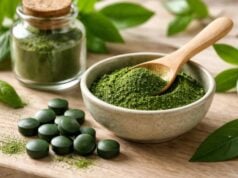
- Granules or powdered extracts: Convenient and often more consistent, but typically stronger than soup use.
- Capsules or tablets: Most convenient, but quality varies; look for clear labeling of root equivalent and extraction ratio.
- Tincture: Useful for measured dosing, but potency varies widely and may be less aligned with polysaccharide-focused goals if heavily alcohol-based.
Simple decoction method
A basic preparation for sliced root:
- Add the sliced root to a small pot with water.
- Bring to a gentle simmer (not a vigorous boil).
- Simmer 20–40 minutes, then strain.
- Drink warm, or add to soups and stews.
Many traditional approaches combine codonopsis with other herbs, not because codonopsis is weak, but because formulas can be tailored for digestion, cough, or stress patterns. A common companion in “lung and digestion” traditions is licorice root. If you want context on how that herb is used, see licorice root benefits and common uses. Do not assume “common companions” are always safe together—licorice has its own blood pressure and potassium considerations.
Culinary ideas that are actually practical
Codonopsis has a mild sweetness that pairs well with:
- Chicken or vegetable broth
- Rice congee with ginger and scallion
- Slow-cooked soups with carrots, mushrooms, and lean protein
- Light stews during recovery when appetite is low
Food-style use works best when it supports a consistent eating pattern. If you only use codonopsis occasionally, you may enjoy the taste but miss the cumulative benefits.
Quality and sourcing tips
- Choose products that specify Codonopsis pilosula and root.
- Avoid blends that hide quantities if you need to assess effect and tolerance.
- Prefer suppliers that test for contaminants (heavy metals, pesticides) when possible.
- Store sliced root dry and sealed; moisture can degrade quality.
The “how to use” goal is not to take the strongest product. It is to choose the simplest form that reliably supports appetite, recovery, and steadier energy without side effects.
How much codonopsis per day?
Codonopsis dosing is best approached in ranges, because products vary and traditional dosing is often adjusted to the person. A safe strategy is to start at the low end, watch digestion and energy response, then adjust gradually. If you are pregnant, managing a chronic disease, or taking multiple medications, use professional guidance—especially with concentrated extracts.
Traditional dried root ranges
For sliced dried root used in decoction, a commonly cited traditional range is:
- About 9–30 g per day of dried root, usually simmered and taken in 1–2 servings
That range is wide for a reason: the “right” amount depends on constitution, symptom pattern, and whether codonopsis is used alone or in a formula. If you are starting out, beginning around 9–12 g/day in a decoction or soup-style use is a conservative approach.
Powders, granules, and capsules
Because concentrations differ, dosing should follow the label. Still, many products cluster around these practical patterns:
- Root powder (non-extract): often 1–3 g/day, mixed into warm water or food
- Extract granules: commonly used in gram-level daily amounts, depending on concentration
- Capsules: often provide 500–1,500 mg/day of extract or root-equivalent, split into 1–2 doses
If a label does not clarify whether the dose is raw powder, extract, or “root equivalent,” it is hard to dose responsibly. Choose transparent products.
Timing and duration
Codonopsis is usually taken earlier in the day or with meals, especially if appetite is part of the goal:
- With breakfast or lunch: supports consistent intake and reduces the chance of stomach upset
- Avoid late-night dosing if you find it increases alertness or disrupts sleep (not everyone experiences this)
For duration, codonopsis is commonly used as a short course:
- 2–6 weeks for recovery, appetite building, or seasonal resilience
- Reassess at 2 weeks for clear benefit (appetite, stool quality, energy steadiness)
If you are using codonopsis continuously, build in checkpoints. Long, open-ended use often turns a supportive herb into background noise that is hard to evaluate.
How to adjust responsibly
Increase dose only if:
- You tolerate it well (no bloating, nausea, headaches, or sleep disruption)
- You see partial benefit and want a clearer effect
- You are not stacking multiple immune-active or stimulant herbs at the same time
A simple rule: if you feel worse, scale back. If you feel nothing after 2–4 weeks at a reasonable dose, the match may be wrong and it is better to switch strategies than to keep escalating.
Safety, interactions, and evidence
Codonopsis is often described as gentle, but “gentle” depends on the person, the dose, and the product form. Sliced root in soup is a very different exposure than a concentrated extract taken daily. Safety improves when you keep goals clear, doses moderate, and duration limited.
Who should avoid codonopsis
Avoid codonopsis (or use only with professional guidance) if you are:
- Pregnant or trying to conceive, unless a qualified clinician recommends it
- Managing autoimmune disease flares, where immune modulation could be unpredictable
- Taking immunosuppressant medications (for example, after transplant or for autoimmune disease)
- Using multiple medications and cannot monitor changes closely
- Allergic to plants in the bellflower family or have a pattern of strong reactions to botanicals
Breastfeeding is a gray area: food-style use may be different from medicinal dosing. If you are breastfeeding and want to use extracts, involve a clinician.
Potential interactions to take seriously
Codonopsis is not known for a long list of confirmed drug interactions, but it has plausible overlap with a few common medication categories:
- Diabetes medications: Some traditional and preclinical discussions suggest codonopsis may influence glucose handling. If you take insulin or oral glucose-lowering drugs, monitor for low blood sugar symptoms and consult your clinician.
- Immunosuppressants: Herbs with immune-modulating potential can theoretically reduce medication control or increase immune reactivity.
- Blood pressure medications: If codonopsis makes you feel lightheaded or unusually relaxed, reassess dose and timing.
- Anticoagulants and antiplatelet drugs: Evidence is not definitive for codonopsis, but caution is reasonable with any herb used in multi-herb formulas, especially if you bruise easily.
If you are scheduled for surgery, it is prudent to stop non-essential supplements in advance under medical guidance.
Possible side effects
Most side effects are dose-related and often improve when the dose is reduced:
- Bloating or digestive discomfort (especially with strong decoctions)
- Loose stools in sensitive individuals
- Headache or sleep disruption if taken late or in high-dose extracts
- Rare allergic reactions (rash, itching, swelling)
Stop use and seek medical care for facial swelling, breathing difficulty, severe rash, fainting, or persistent vomiting.
What the evidence actually supports
Codonopsis has a large research footprint, but much of it is preclinical (cell and animal studies) or focused on isolated fractions like polysaccharides. Systematic reviews describe broad pharmacology themes—immune signaling, oxidative stress pathways, gastrointestinal effects—but human trials for single-herb codonopsis outcomes are still relatively limited compared with its popularity.
The fairest interpretation is:
- Most plausible benefits: appetite support, digestive tolerance, recovery support, and immune resilience, especially when fatigue is tied to under-nourishment or convalescence.
- Least supported claims: dramatic “performance boosting,” disease treatment claims, or using codonopsis as a substitute for medical care.
Codonopsis can be a useful tool when used like a tonic: moderate dose, clear purpose, and time-limited courses. The strongest safety move is also the simplest—use it to support fundamentals, not to bypass them.
References
- A systematic review of the mechanism of action and potential medicinal value of codonopsis pilosula in diseases – PMC 2024 (Review)
- Codonopsis radix: a review of resource utilisation, postharvest processing, quality assessment, and its polysaccharide composition – PMC 2024 (Review)
- A review of the botany, ethnopharmacology, phytochemistry, analysis method and quality control, processing methods, pharmacological effects, pharmacokinetics and toxicity of codonopsis radix – PMC 2023 (Review)
- Preparation, structural characteristics and immune regulatory effects of Codonopsis pilosula polysaccharides: a review – PMC 2025 (Review)
Disclaimer
This article is for educational purposes and does not replace medical advice, diagnosis, or treatment. Codonopsis (Codonopsis pilosula) products vary widely in strength and quality, and concentrated extracts may not have the same safety profile as food-style use in soups or teas. If you are pregnant, breastfeeding, have an autoimmune condition, take immunosuppressants, use diabetes or blood pressure medications, or take prescription drugs regularly, consult a qualified clinician before using codonopsis. Seek urgent medical care for signs of a severe allergic reaction, fainting, chest pain, serious shortness of breath, or rapidly worsening symptoms.
If you found this article helpful, please share it on Facebook, X (formerly Twitter), or your favorite platform so others can make informed, safety-first decisions.