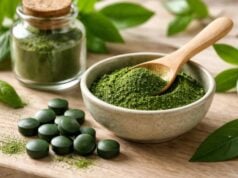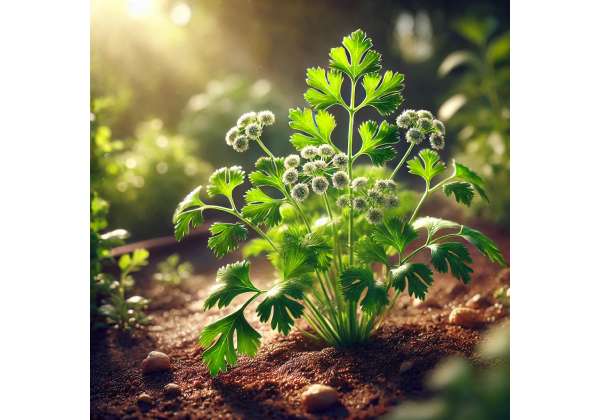
Coriander (Coriandrum sativum) is one of those rare plants that can be both a daily kitchen staple and a legitimately interesting medicinal herb. Depending on where you live, the leafy portion may be called cilantro, while the dried fruits are sold as coriander “seeds” (they are technically fruits). Those two forms behave differently in the body: the fresh leaves lean toward vitamin-rich, plant-polyphenol support, while the seeds concentrate aromatic oils like linalool that give coriander its warm, citrusy-spice character.
Traditionally, coriander has been used to ease post-meal discomfort, support appetite and digestion, and add gentle antimicrobial and antioxidant support through food. Modern research is still developing, but early human evidence suggests coriander seed preparations may modestly support blood sugar and lipid markers when paired with healthy diet habits. Because coriander is widely consumed, it is generally well tolerated in culinary amounts—yet concentrated supplements and essential oils deserve more caution, especially for people on certain medications or in pregnancy.
Quick Overview
- May support modest improvements in blood sugar and cholesterol in some people when used consistently.
- Helps post-meal comfort for some individuals by supporting digestion and reducing bloating.
- Typical supplemental trial dose: coriander seed powder 1,000 mg daily for 6 weeks.
- Use caution if you take diabetes or blood-pressure medications due to possible additive effects.
- Avoid concentrated extracts or essential oil if pregnant, breastfeeding, or allergic to Apiaceae plants.
Table of Contents
- What is coriander and cilantro?
- Key ingredients in coriander
- Health benefits of coriander
- How to use coriander
- How much coriander per day
- Coriander safety and interactions
- What the evidence really shows
What is coriander and cilantro?
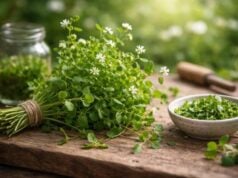
Coriander (Coriandrum sativum) is an annual herb in the Apiaceae family—the same plant family as parsley, celery, dill, fennel, and carrots. It grows quickly, producing delicate white-pink flowers and round, ridged fruits that dry into what most of us call coriander seeds. The plant is used in three main ways:
- Leaves and tender stems (often called cilantro): Bright, “green” flavor, commonly used fresh in salsas, salads, soups, and chutneys.
- Dried fruits (sold as coriander seeds): Warm, citrusy, gently sweet spice used whole or ground in spice blends, curries, pickles, sausages, and baked goods.
- Essential oil (distilled, usually from seeds): Highly concentrated aromatic compounds used mainly for flavoring, fragrance, and limited topical or aromatherapy applications.
This difference matters for health intent. If you eat coriander as a food, you are taking in a broad mix of nutrients and plant compounds at gentle, meal-sized amounts. If you take coriander as a supplement—capsules, tinctures, standardized extracts, or essential oil—you are shifting into “medicinal dosing,” where benefits and risks both become more relevant.
Coriander also has a sensory twist: some people perceive cilantro as “soapy.” That response is strongly influenced by individual smell-receptor differences, which can change how enjoyable—and therefore how consistent—your intake is. If cilantro tastes unpleasant to you, coriander seed is a different experience entirely and can be a practical workaround.
In everyday practice, think of coriander as a spectrum: fresh leaves for micronutrients and polyphenols, seeds for aromatic oils and digestive tradition, and essential oil for highly concentrated use that requires careful handling. Choosing the form that matches your goal is the simplest way to use coriander well.
Key ingredients in coriander
Coriander’s “active” profile depends heavily on which part you use. Seeds emphasize volatile oils and fatty compounds; leaves emphasize water-soluble nutrients and polyphenols. Understanding that split prevents a common mistake: expecting one form to behave like the other.
1) Volatile oils (especially in seeds)
The signature aroma of coriander seed comes from volatile oils dominated by monoterpenes. The best-known is linalool, which contributes to coriander’s floral-citrus scent and is frequently studied for antimicrobial and anti-inflammatory behavior in lab settings. Other aromatic compounds (which vary by growing conditions, harvest timing, and storage) may include terpinene, pinene, and geranyl derivatives. Practically, volatile oils are why toasted, freshly ground coriander tastes more potent—and why old, pre-ground coriander loses “impact.”
2) Polyphenols and flavonoids (present in both, often higher in leaves)
Coriander contains a range of polyphenols (such as phenolic acids) and flavonoids that participate in antioxidant signaling and inflammation modulation. In food terms, this translates to “cell-protective” support rather than a dramatic, immediate effect. If you want to compare coriander’s polyphenol style to another common green herb, parsley is a helpful reference point for how leafy herbs can contribute meaningful phytonutrients across a week of meals; see parsley’s polyphenol and metabolic support profile.
3) Fatty oil fraction (mainly in seeds)
Beyond volatile oil, coriander seeds also contain a fatty oil fraction with fatty acids and plant sterols. This fraction is one reason seeds show up in traditional “metabolic” discussions (lipids, digestion, appetite), although the clinical evidence is still emerging.
4) Fiber and minerals (food-form benefits)
Using coriander seeds in cooking adds small amounts of fiber and minerals. Leaves contribute vitamin-like nutrients and hydration-friendly micronutrients, but the real advantage is consistency: herbs are easy to repeat daily, and many plant benefits are cumulative.
How these ingredients “work” in the body (in plain terms)
- Volatile oils can influence microbial balance and digestive comfort.
- Polyphenols can reduce oxidative stress signaling and support healthy inflammatory tone.
- Seed fractions may support modest shifts in lipid and glucose markers in some people, especially when paired with dietary improvements.
The biggest takeaway: coriander is not a single-chemical supplement. It’s a food-herb with multiple active fractions, and your results depend on choosing the right form, dose, and duration.
Health benefits of coriander
Coriander’s benefits are best understood as supportive—the kind that complements meals, routines, and clinical care, rather than replacing them. People tend to notice coriander most in three areas: digestive comfort, metabolic markers, and general antioxidant support.
1) Digestive comfort and post-meal ease
Traditionally, coriander seed is used as a carminative, meaning it may help reduce gas and bloating and support comfortable digestion. In practical terms, this can look like less heaviness after rich meals, fewer “bloat spikes,” or improved appetite when stress or illness has dulled hunger. The mechanism is likely multi-factorial: aromatic compounds can stimulate digestive secretions and influence gut motility, and the warm spice profile can make food more palatable.
2) Blood sugar and lipid support (modest, context-dependent)
Modern interest in coriander has grown because early clinical work suggests coriander seed supplementation may support improved fasting glucose and lipid markers in some people—particularly when baseline markers are elevated and diet quality is being addressed at the same time. This is not an “herb that cancels sugar,” but coriander may be a reasonable adjunct for people building a consistent, meal-based strategy.
If you enjoy spice-based metabolic support, coriander often appears alongside cumin in culinary traditions. The pairing is useful because it improves flavor while keeping the approach food-first; see cumin’s digestion and metabolic support overview for a practical comparison of how these seeds are typically used.
3) Antioxidant and anti-inflammatory tone
Coriander’s polyphenols and volatile oils contribute to antioxidant capacity in lab studies, and coriander extracts are often described as anti-inflammatory in preclinical research. In real life, this typically translates to “background support”—a nudge toward resilience rather than a dramatic symptom switch. Consistency matters more than intensity here.
4) Antimicrobial activity (mostly lab evidence)
Coriander essential oil and extracts can inhibit certain microbes in vitro. That finding supports its traditional use in food preservation and flavoring, but it should not be interpreted as a substitute for medical treatment of infection.
5) Skin and sensory applications (select use cases)
Some people use coriander preparations for skin comfort or as part of fragrance-free routines. This is a mixed area: coriander-derived aromatics can be soothing for some, irritating for others, especially at higher concentrations.
What you can realistically expect
- Short-term (days to 2 weeks): flavor benefits, digestive comfort, better meal satisfaction.
- Medium-term (4 to 8 weeks): if using a consistent seed preparation, modest shifts in metabolic markers are possible for some individuals.
- Long-term: coriander works best as a repeated, food-based habit that adds up over time.
How to use coriander
The most effective way to use coriander is to match the form to your goal, then make it easy to repeat. Coriander can be a daily culinary herb, a simple home preparation, or a targeted supplement.
1) Culinary use (the most practical “therapeutic” approach)
- Cilantro leaves: Add at the end of cooking or use fresh to preserve aroma and nutrient content. Great in salads, soups, grain bowls, eggs, and sauces.
- Coriander seeds: Toast briefly in a dry pan until fragrant, then grind. This improves flavor and makes the aromatic compounds more available in the dish. Use in curries, roasted vegetables, lentils, marinades, and spice rubs.
- Ground coriander: Convenient, but potency fades over time. If you use it for health purposes, buy smaller amounts and replace more often.
2) Coriander seed tea (a gentle digestive option)
A classic preparation is a warm infusion of lightly crushed seeds. This can be useful after meals if you tend to feel bloated or heavy. Many traditional kitchens pair coriander with other seeds for a smoother taste and broader digestive comfort. One common pairing is coriander with fennel; see fennel tea and digestive uses if you want a similar, well-known reference point.
Simple approach:
- Crush seeds lightly (do not pulverize into dust).
- Pour hot water over them and steep.
- Sip after a meal or in the evening.
3) Tinctures and extracts (more concentrated, more variable)
If you choose a supplement, prioritize clarity:
- Identify whether it is seed powder, seed extract, or essential oil.
- Look for standardized labeling (for example, a defined extract ratio), and choose products that provide batch testing.
4) Essential oil (high caution)
Coriander essential oil is very concentrated. For most people, it is best reserved for:
- Aromatherapy (diffuser, inhalation from a tissue at a distance).
- Topical use only when properly diluted (see safety section).
Avoid casual “internal” use of essential oils unless under the guidance of a qualified clinician trained in essential-oil therapeutics, because dosing mistakes are easy and adverse reactions are more likely.
5) Food-prep and storage tips that protect potency
- Store seeds in an airtight container away from heat and light.
- Grind in small batches.
- Add cilantro near the end of cooking to preserve aroma.
This combination—right form, repeatable routine, and good storage—often matters more than chasing a perfect “protocol.”
How much coriander per day
Coriander dosing is best framed in tiers: culinary amounts (food), tea-style preparations (gentle), and supplement amounts (targeted). Your best dose depends on your goal, your medications, and how sensitive your digestion is.
1) Culinary dosing (everyday wellness)
For most adults, coriander is safest and most sustainable as a food habit:
- Cilantro leaves: roughly 1/4 to 1 cup (loosely packed) as part of meals across a day, as tolerated.
- Coriander seed (whole or ground): about 1/2 to 2 teaspoons daily in cooking is a realistic range for regular use.
This level is ideal if your aim is general antioxidant support, flavor-driven appetite support, and digestive comfort.
2) Tea or infusion dosing (digestive-focused)
A common home-use range is:
- 1 to 2 teaspoons of lightly crushed coriander seeds steeped in hot water, 1 to 2 times daily.
If you are sensitive to herbs, start with 1 teaspoon once daily for a few days and assess comfort.
3) Supplemental dosing (more specific goals)
Human research uses different preparations, so always read labels carefully. One recent clinical approach used:
- Coriander seed powder 1,000 mg per day for 6 weeks in capsule form.
For many people, this sits in the “reasonable trial” zone: long enough to assess changes, but not so long that you drift into indefinite supplementation without a plan.
Timing tips (what tends to work best)
- For digestive comfort, coriander often fits best after meals or with meals.
- For metabolic goals, consistency matters more than time of day. Pair your dose with a routine you already repeat (breakfast or dinner).
How long to try it
- Digestive comfort: 7 to 14 days is often enough to notice whether it suits you.
- Metabolic markers: consider 6 to 8 weeks, then reassess. If you track fasting glucose or lipids, use the same measurement conditions each time.
Combining coriander with other foods
Many people combine coriander with other spices for taste and function. If you already use ginger for nausea or post-meal comfort, coriander can complement it, but keep total “herbal intensity” reasonable; see ginger’s active compounds and common dosing patterns for a helpful comparison when building a simple routine.
If you take medications that affect blood sugar or blood pressure, treat supplemental dosing as a real intervention—start low, monitor, and coordinate with your clinician.
Coriander safety and interactions
Coriander is widely eaten and usually well tolerated in food amounts. Most safety concerns appear when people use concentrated supplements or essential oil, or when coriander is added on top of medications that already push the same physiological “levers.”
Common side effects (usually mild)
- Digestive upset (nausea, cramping, loose stools), especially with higher supplemental doses
- Headache or lightheadedness in sensitive individuals
- Skin irritation with topical products, especially if the product is fragranced or oxidized
Allergy considerations (Apiaceae family)
Coriander can trigger allergic reactions in some individuals, particularly those who react to related plants (celery, carrot, parsley, fennel, dill). Allergy can range from oral itching to more significant respiratory or systemic symptoms. If you have known spice allergies, start with very small food amounts and avoid essential oils.
Medication interactions to take seriously
- Diabetes medications (insulin, metformin, sulfonylureas, GLP-1 agents): coriander seed supplements may add mild blood-sugar-lowering effects in some people. Monitor for low blood sugar if you are already well controlled.
- Blood-pressure medications: if coriander lowers blood pressure for you (even modestly), it can add to antihypertensives.
- Anticoagulants or antiplatelet drugs: coriander as a food is usually fine, but concentrated supplements can be unpredictable. If you are on blood thinners, keep intake consistent and check with your clinician before using extracts.
Pregnancy and breastfeeding
- Food amounts: generally considered reasonable for most people.
- Supplements and essential oil: best avoided unless a qualified clinician specifically recommends them. Pregnancy is not the time for high-dose experimentation.
Surgery and procedures
If you use coriander supplements for metabolic reasons, a cautious approach is to stop concentrated supplements about 2 weeks before surgery, because perioperative blood sugar and blood pressure management are sensitive.
Essential oil safety (extra caution)
- Do not apply undiluted essential oil to skin.
- If used topically, dilute conservatively and patch test first.
- Avoid eyes, mucous membranes, and broken skin.
- Discontinue if you develop burning, rash, or persistent irritation.
Who should avoid coriander supplements (or use only with supervision)
- Pregnant or breastfeeding individuals
- People with known Apiaceae allergies
- Anyone with frequent hypoglycemia, very low blood pressure, or unstable medication regimens
- Those preparing for surgery or adjusting diabetes or blood-pressure medications
Food-first coriander is the safest approach for most people; supplements should be treated like a short, monitored trial rather than a permanent default.
What the evidence really shows
Coriander is a good example of a plant with strong traditional use, promising lab research, and a smaller—but growing—set of human trials. The key is to separate what is plausible from what is proven.
Where evidence is strongest (relative to other herbal claims)
- Metabolic markers (seed preparations): A small, placebo-controlled human trial using coriander seed powder (1,000 mg daily for 6 weeks) reported improvements in several glycemic and lipid measures in adults with type 2 diabetes. This is encouraging, but it does not mean coriander replaces standard care. The study size was limited, the duration was short, and the results need replication in larger and more diverse groups.
- Bioactive composition: Reviews consistently identify coriander as a meaningful source of volatile oils (notably linalool) and polyphenols, helping explain its antioxidant and anti-inflammatory activity in preclinical models.
Where evidence is suggestive but not decisive
- Digestive comfort: Traditional use is strong, and the mechanism is plausible, but high-quality trials on specific digestive diagnoses are limited. Many people still find coriander tea or seed-based cooking helpful—just keep expectations realistic.
- Antimicrobial effects: Coriander essential oil can inhibit microbes in vitro, but real-world infection treatment is a different standard. This evidence is better interpreted as support for food preservation and general antimicrobial “potential,” not a standalone therapy.
What research cannot yet promise
- “Detox” claims, including heavy-metal removal, are often overstated in marketing. While coriander is a plant with active chemistry, the leap from lab findings to reliable clinical detoxification protocols is not supported well enough for confident health promises.
- Dramatic symptom reversal (blood sugar normalization, cholesterol cures, anxiety cures) is not a fair expectation.
A practical way to use the evidence
- Choose the form that fits your goal: leaves for food-based phytonutrients, seeds for digestive and metabolic tradition, supplements for a time-limited trial.
- Use a clear timeframe: 2 weeks for digestion, 6 to 8 weeks for metabolic goals.
- Track something real: meal comfort, fasting glucose (if appropriate), or lab markers with clinician support.
- Stop if side effects appear, and avoid stacking coriander supplements with other “metabolic” herbs unless you have a clear plan.
How to choose a coriander supplement (if you go beyond food)
- Prefer products that identify the plant part (seed vs leaf), dose per serving, and provide third-party testing.
- Avoid essential oil products marketed for casual internal use.
- Treat coriander like an adjunct: it works best when it supports a broader plan built on food quality, movement, sleep, and medical care when needed.
Used thoughtfully, coriander is a valuable food-herb with credible potential—just not a shortcut.
References
- Effects of Dietary Supplementation with Coriander Seed Powder on Serum Lipid Profile, Glycemic Indices, and Oxidative Stress Biomarkers in Patients with Type 2 Diabetes Mellitus: A Randomized, Double-Blind, Placebo-Controlled Trial 2025 (RCT)
- Coriandrum sativum L., essential oil as a promising source of bioactive compounds with GC/MS, antioxidant, antimicrobial activities: in vitro and in silico predictions 2024 (Review)
- Coriander (Coriandrum sativum) Polyphenols and Their Nutraceutical Value against Obesity and Metabolic Syndrome 2023 (Review)
- Coriandrum sativum L.: A Review on Ethnopharmacology, Phytochemistry, and Cardiovascular Benefits 2021 (Systematic Review)
Disclaimer
This article is for educational purposes only and does not provide medical advice. Herbs and supplements can affect people differently and may interact with medications or health conditions. If you are pregnant, breastfeeding, managing diabetes or blood pressure, taking anticoagulants, or planning surgery, consult a qualified healthcare professional before using coriander supplements or essential oils. Do not delay or replace professional diagnosis or treatment with information from this guide.
If this guide helped you, consider sharing it with friends or family on Facebook, X (formerly Twitter), or your preferred platform so others can make safer, more informed choices about using coriander.