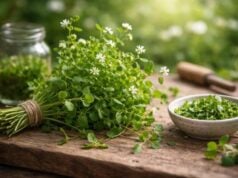
Cress (Lepidium sativum)—often called garden cress—is a fast-growing, peppery herb from the mustard family that can be eaten as microgreens, tender leaves, or sprouts, and used more “medicinally” as seeds in traditional systems. Its appeal is twofold: it’s nutrient-dense for its size, and it carries the characteristic Brassicaceae chemistry—glucosinolates that convert into pungent isothiocyanates when the plant is chopped or chewed. In everyday terms, cress is a small food that can make a big difference in flavor while quietly adding vitamin C, vitamin K, carotenoids, and plant antioxidants.
People reach for cress for practical goals: boosting micronutrient intake, supporting digestion with seed “gel” preparations, or using seed-rich recipes traditionally associated with postpartum nourishment and iron intake. At the same time, its strengths create a few non-negotiable safety points: vitamin K can matter for anticoagulant users, concentrated seed use may not be appropriate during pregnancy, and sprouts require careful handling. This guide walks through what cress contains, what it may help with, how to use it, how much is reasonable, and how to avoid common mistakes.
Top Highlights
- Adds vitamin C, vitamin K, and carotenoids that support antioxidant intake and normal blood clotting function.
- Glucosinolate breakdown products may support cellular defense pathways, but most evidence is preclinical rather than human.
- Typical food use is 10–30 g fresh leaves daily or 1–3 g seeds (ground or soaked) as a culinary add-in.
- Avoid concentrated seed use in pregnancy and use caution if you take warfarin or other vitamin K–sensitive anticoagulants.
Table of Contents
- What is cress?
- Cress key ingredients
- Does cress help with health?
- How to use cress
- How much cress per day?
- Safety and interactions
- What the evidence says
What is cress?
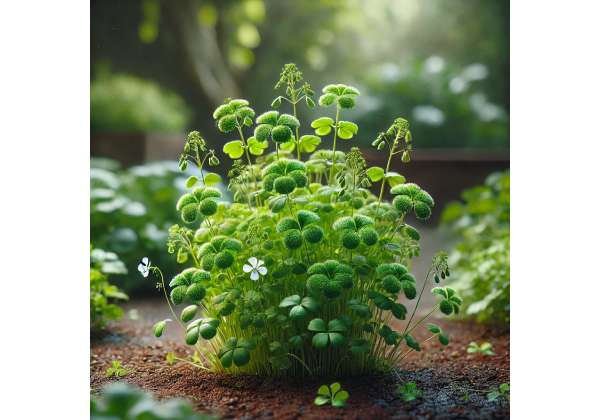
Cress (Lepidium sativum) is an annual herb in the Brassicaceae family (the same broader family as mustard, arugula, broccoli, and cabbage). It’s known for its quick growth—often harvestable as microgreens within days—and for its sharp, peppery taste that can lift salads, soups, eggs, and sandwiches without adding many calories.
It helps to clarify “which cress” you mean, because the word is used loosely. Garden cress is not the same as watercress (a different species and flavor profile) and not the same as “upland cress” found in some markets. Garden cress is the one commonly sold as small seeds for sprouting and as a garnish herb. When people talk about cress as a traditional remedy, they’re usually referring to the seeds, which are used in some cultures as halim, chandrashoor, or similar regional names.
The part you use changes the experience:
- Microgreens and leaves: peppery, fresh, and best as a food. They are commonly used as a finishing herb because heat can dull some of the brightness.
- Sprouts: tender and mildly spicy, but they require careful food-safety habits (more on that later).
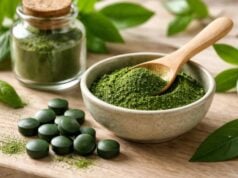
- Seeds: earthy and slightly pungent, often soaked or ground. When soaked, the seeds can form a mucilaginous gel, which is why they are sometimes used to support bowel regularity or as a thickener in traditional recipes.
Cress’s “medicinal properties” are closely tied to Brassicaceae chemistry. When you chop or chew cress, glucosinolates can convert into isothiocyanates—the compounds behind the mustardy bite. These compounds are widely studied across cruciferous vegetables for their potential roles in antioxidant defense and inflammation signaling. Cress also contains a supportive layer of nutrients and polyphenols that make it attractive as a functional food.
A practical way to think about cress is this: it sits between “herb” and “microgreen superfood.” Most people benefit from it most when they treat it as a regular, small food habit—sprinkled daily—rather than as a high-dose supplement. That approach also makes safety much easier to manage.
Cress key ingredients
Cress offers a blend of nutrients (vitamins and minerals) and bioactive plant compounds that explain its popularity in both kitchen and traditional-use contexts. The exact profile varies by growing conditions and whether you’re using leaves, microgreens, sprouts, or seeds, but the major themes stay consistent.
Vitamins and minerals
Cress is best known for:
- Vitamin K (especially K1 in the leaves), which supports normal blood clotting and plays a role in bone-related proteins.
- Vitamin C, which contributes to antioxidant protection and supports collagen formation in skin and connective tissue.
- Carotenoids (vitamin A precursors) that support immune and eye health.
Minerals are also part of the story, especially in the seeds:
- Iron (a traditional reason cress seeds appear in postpartum foods).
- Calcium, magnesium, and potassium, which support muscle and nerve function and overall dietary mineral balance.
Because vitamin K is so central, cress is a good example of a food that can be “healthy” and still require consistency if you’re on vitamin K–sensitive anticoagulants. If you need a clear primer on vitamin K’s roles and dosing context, see vitamin K benefits and safety basics.
Glucosinolates and isothiocyanates
Cress belongs to the cruciferous family, so it contains glucosinolates that can convert into isothiocyanates when the plant is cut or chewed. This conversion is part of what gives cress its bite and part of why cruciferous vegetables are widely researched for antioxidant and detoxification-related pathways. The key point for readers: these compounds behave more like cell-signaling modulators than like classic vitamins, and their effects are strongly influenced by preparation and dose.
Polyphenols and other antioxidants
Cress contains phenolic acids and flavonoids, which can contribute to antioxidant capacity in lab tests. These compounds are not unique to cress, but they help explain why cress is sometimes described as “protective” in broad nutritional terms.
Seed mucilage and oils
The seeds can form a gel when soaked, reflecting soluble fiber-like mucilage. This is why some traditional uses focus on digestion and regularity. Seeds also contain oils with fatty acids, though concentrated oils are a different safety category than culinary seed use.
In short, cress is not a single-compound herb. It’s a layered plant: vitamins and minerals for foundational nutrition, plus cruciferous bioactives that may influence how the body handles oxidative stress and inflammation—within realistic limits.
Does cress help with health?
Cress can support health in two main ways: as a nutrient-dense food and as a source of cruciferous bioactives. The most reliable benefits are the ones you’d expect from regularly eating a leafy, peppery green. The more “medicinal” claims—blood sugar, asthma support, fracture healing—tend to rely on preclinical data or small human studies and should be viewed as promising, not proven.
1) Micronutrient support with a small serving
Because cress is rich in vitamin C and vitamin K (especially in the leaves and microgreens), it can meaningfully contribute to daily micronutrient intake even when used in modest amounts. This matters most for people who struggle to eat enough greens consistently. A handful of cress on lunch and dinner can be a practical bridge: small volume, big flavor, easy repetition.
2) Antioxidant and inflammation signaling support
Like other cruciferous plants, cress provides glucosinolates that can convert into isothiocyanates. These compounds are often discussed for supporting cellular defense pathways, including antioxidant systems. If you want to understand this class of compounds in a supplement-like context, sulforaphane and detox-support pathways gives a useful mental model (even though cress and broccoli sprouts are not identical).
3) Digestive regularity (seed preparations)
Soaked cress seeds can form a gel-like texture that some people use similarly to other mucilaginous seeds: to support stool softness and regularity when paired with enough water. The benefit here is often less about a “drug-like effect” and more about adding soluble-fiber-like bulk and hydration.
4) Traditional uses: postpartum nourishment and respiratory comfort
In some traditions, cress seeds are incorporated into postpartum foods with the goal of supporting energy, iron intake, and milk production. These uses may overlap with general nutrition (protein, minerals) and with cultural dietary patterns. Cress has also been used traditionally for cough and asthma-like complaints; however, if respiratory symptoms are persistent, self-treatment should not replace evaluation.
What cress is unlikely to do
Cress is unlikely to “cure” anemia, diabetes, or chronic inflammation on its own. Think of it as a supportive tool that can improve the nutritional and phytochemical quality of a diet, rather than a substitute for medical care or evidence-based therapies.
How to use cress
Cress is unusually flexible because you can use it at multiple life stages: as microgreens, as mature leaves, and as seeds. The best form depends on your goal—flavor, nutrition, or a seed-based traditional preparation.
Everyday culinary uses (leaves and microgreens)
For most people, the easiest and safest way to use cress is as a fresh herb:
- Sprinkle over eggs, soups, roasted vegetables, and grain bowls.
- Fold into salads with milder greens to balance the peppery bite.
- Blend into yogurt-based dips or soft cheeses for a “mustard-green” note.
- Add at the end of cooking to preserve brightness and texture.
A practical absorption tip: if you’re using cress for carotenoids, pairing it with a little dietary fat (olive oil, yogurt, eggs, nuts) can improve absorption compared with fat-free meals.
Sprouting at home (seed → sprout)
Sprouts are convenient, but they require hygiene. A simple home approach:
- Rinse seeds well and soak briefly.
- Drain and keep them in a clean sprouting vessel with airflow.
- Rinse and drain on a schedule, keeping them moist but not waterlogged.
- Refrigerate promptly once sprouted and use within a short window.
If you have a weakened immune system or are pregnant, sprouts are often a higher-risk food category; in that case, microgreens grown in soil or mature leaves are usually a safer choice.
Traditional-style seed use (soaked or ground)
Cress seeds are used in some cultures in warm drinks, porridges, or sweets. Common patterns include soaking until a gel forms, then mixing into milk, yogurt, or a grain dish. The key practical points are:
- Start with small amounts and increase slowly to avoid bloating.
- Take with adequate water; gel-forming seeds without fluids can be uncomfortable.
- Treat seeds as a concentrated form—more “supplement-like” than leaves.
If your interest in seeds is tied to postpartum nourishment or lactation traditions, it’s wise to take a broader view of safety and alternatives. For example, fenugreek uses and precautions shows how even widely used lactation herbs can have meaningful contraindications. The same caution mindset applies to concentrated cress seed use.
Overall, cress is easiest to use consistently when you make it a “finishing herb” habit—something you add the way you add black pepper—rather than a project you only do occasionally.
How much cress per day?
Cress dosing depends on whether you’re using it as a food green or as seeds. Leaves and microgreens are generally the gentlest entry point; seeds are more concentrated and deserve more careful dosing.
Fresh leaves and microgreens (most common)
A practical daily range for adults is:
- 10–30 g per day of fresh cress (roughly a small handful to a generous handful), used as a garnish or salad component.
If you’re new to the flavor, start smaller—cress can be peppery enough that a little goes a long way. If your goal is consistent micronutrient intake, the most important factor is not the perfect gram amount, but repeating it regularly.
Sprouts
Sprouts can be used similarly to leaves:
- 1–2 small handfuls per day as a topping or sandwich green.
Because sprouts are more perishable and more sensitive to handling, it’s reasonable to treat them as an “occasional rotation” food rather than a daily staple unless you’re confident in your sprouting hygiene and storage.
Seeds (more concentrated)
Seeds are often used in small culinary amounts, especially when soaked:
- 1–3 g per day of seeds (about ½–1 teaspoon, depending on seed size), soaked or ground and mixed into food.
- If using seeds for digestive regularity, increase fluid intake and consider splitting the dose (morning and afternoon) to reduce bloating.
Some traditions use larger seed amounts in postpartum foods, but “traditional” does not always mean “appropriate for everyone.” If you have a medical condition or take medications, keep seed dosing conservative unless a clinician advises otherwise.
Timing and duration
- Leaves/microgreens: can be used daily as part of the diet.
- Seeds: often work best as a short run (for example, a couple of weeks) while you assess tolerance, then adjusted based on digestion and overall diet goals.
Consistency matters for vitamin K
If you use warfarin or other vitamin K–sensitive anticoagulants, the key strategy is consistency rather than avoidance. Sudden increases (or decreases) in cress intake can shift anticoagulation control. If your interest in cress is partly for iron intake, it’s also worth understanding that “more” is not always better; iron has a safety ceiling, especially in supplement form. For a clear overview of dosing boundaries and risks, see iron dosing and safety considerations.
If you’re unsure where to start, choose the simplest plan: add a small handful of fresh cress to one meal per day for a week, then decide if you want to increase. That approach captures most of the upside with minimal downside.
Safety and interactions
Cress is generally safe as a food, but there are specific situations where caution matters—especially with sprouts, concentrated seeds, and vitamin K–related medication interactions.
Common side effects
Most side effects are mild and tend to come from seed use rather than leaves:
- Gas, bloating, or loose stools if you increase seed intake quickly
- Mild stomach discomfort if taken without enough water
- Occasional mouth or throat irritation in people sensitive to spicy greens
Medication interactions
- Vitamin K–sensitive anticoagulants (such as warfarin): cress leaves can be high in vitamin K. The safest strategy is to keep your intake consistent week to week and inform your prescribing clinician if you make a meaningful dietary change.
- Blood sugar–lowering medications: if you use concentrated seed preparations and you also take diabetes medications, monitor for symptoms of low blood sugar and use conservative dosing.
- Diuretics: cress is sometimes described traditionally as mildly diuretic; in most food-level use this is not a major issue, but concentrated preparations should be approached thoughtfully if you already take diuretics.
Pregnancy, breastfeeding, and fertility considerations
- Pregnancy: avoid concentrated cress seed use. Traditional sources sometimes describe the seeds as stimulating to the uterus at higher intakes, and there is no strong reason to accept that risk.
- Breastfeeding: food-level leaf use is generally reasonable, but concentrated seed use should be discussed with a clinician, particularly if you or the baby have sensitivities.
Sprout safety
Sprouts can carry higher food-safety risk than mature greens because warm, moist sprouting conditions can also support bacterial growth. If you are pregnant, immunocompromised, or feeding young children, consider choosing microgreens grown in soil or mature leaves instead of sprouts.
Who should be especially cautious or avoid concentrated use
- People on warfarin or other vitamin K–sensitive anticoagulants (avoid sudden changes)
- Pregnant individuals (avoid seed concentrates)
- Anyone with thyroid disease who is using very high amounts of cruciferous plants daily (moderation and variety are sensible)
- People with a history of food allergies to mustard-family plants
Seek medical care promptly for severe allergic symptoms (swelling, wheezing, hives), or for persistent gastrointestinal symptoms that don’t resolve after stopping the herb.
What the evidence says
The evidence for cress is strongest in three areas: (1) nutrient composition, (2) preclinical research on bioactive compounds, and (3) traditional use patterns that are plausible but not always clinically verified.
1) Nutrition is the most reliable “benefit”
Cress delivers vitamins (notably C and K) and antioxidant compounds in a low-calorie package. For many readers, this is the most practical takeaway: adding cress is a realistic way to increase the density of micronutrients and phytochemicals in the diet without major lifestyle change.
2) Bioactive compounds show promise, but translation is limited
Laboratory and animal research often explores:
- Antioxidant capacity of extracts
- Anti-inflammatory signaling effects
- Antimicrobial activity in controlled settings
- Metabolic effects (lipids, glucose, oxidative stress markers) in animal models
These findings are useful for understanding mechanism and for guiding future clinical research, but they do not automatically mean that eating cress will produce the same magnitude of effect in humans. Dose, extraction method, and the difference between “leaf as food” and “seed extract as intervention” are major variables.
3) Human evidence exists, but it is not definitive
Some human studies and small trials have examined cress seeds for specific outcomes (such as respiratory symptoms or functional health markers), but the overall body of evidence is not yet strong enough to treat cress as a stand-alone therapeutic agent for chronic disease. The most responsible conclusion is that cress can be a helpful adjunct—especially as part of a diet rich in vegetables—rather than a replacement for evidence-based medical care.
How to interpret cress claims online
A useful filter is to ask:
- Is the claim about fresh cress as a food, or about a concentrated extract or oil?
- Is the evidence human, or mostly animal and lab work?
- Does the claim ignore known tradeoffs, like vitamin K interactions or pregnancy cautions?
Cress is a good example of a plant that is easy to oversell. When you keep expectations grounded—nutrition first, potential bioactive benefits second—it becomes a smart, low-friction addition to many diets.
References
- Garden cress seeds: a review on nutritional composition, therapeutic potential, and industrial utilization – PMC 2024 (Review)
- Evidence for Health-Promoting Properties of Lepidium sativum L.: An Updated Comprehensive Review – PMC 2022 (Review)
- Anti-inflammatory and Immunomodulatory Properties of Lepidium sativum – PMC 2022 (Review)
- Toxic effects of Lepidium sativum seed fixed oil on Wistar albino rats in acute and subacute toxicity models – PMC 2025 (Research Article)
Disclaimer
This article is for educational purposes only and does not provide medical advice, diagnosis, or treatment. Cress (Lepidium sativum) is generally safe as a food, but concentrated seed preparations and oils may carry different risks than culinary use. Do not use cress to self-treat serious conditions or delay medical evaluation. Use extra caution if you are pregnant, breastfeeding, immunocompromised, managing thyroid disease, or taking prescription medications—especially vitamin K–sensitive anticoagulants (such as warfarin), diabetes medications, or diuretics. Seek urgent care for signs of a severe allergic reaction, significant breathing difficulty, or persistent vomiting or dehydration.
If this guide was helpful, please share it on Facebook, X (formerly Twitter), or any platform where it could help others make safer, better-informed health choices.