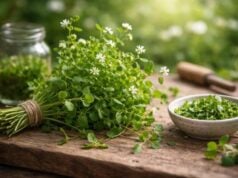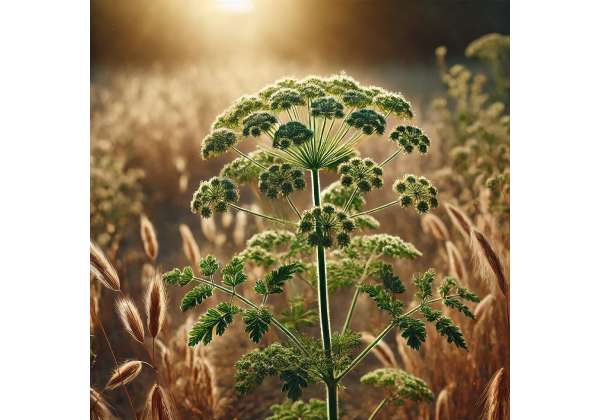
Cumin (Cuminum cyminum) is a warm, earthy spice made from the dried seeds of an aromatic plant in the parsley family. It’s famous in global cuisine, but cumin also has a long medicinal tradition as a digestive “comfort herb” and a metabolic support spice. What makes cumin particularly interesting is that it carries two kinds of helpful chemistry at once: fragrant essential-oil compounds (including cuminaldehyde) that influence digestion and microbial balance, and polyphenols that support antioxidant and inflammatory pathways.
Modern research most often looks at cumin in two ways: as a daily culinary habit that gently supports digestion, and as a standardized supplement that may modestly improve certain cardiometabolic markers in specific groups. At the same time, cumin is not a fast fix, and product quality varies widely—especially in capsules and essential oils. Used thoughtfully, cumin can be both enjoyable and functional: a spice that improves flavor while supporting everyday wellness goals with a strong safety profile at food-level doses.
Essential Takeaways for Cumin
- May support digestion and reduce meal-related bloating when used consistently with food.
- Some studies suggest modest improvements in triglycerides and waist measurements with standardized supplementation.
- Typical intake ranges from 1–3 g/day as seed or powder, or standardized extracts as labeled for 8–12 weeks.
- Avoid ingesting cumin essential oil; concentrated oils can be irritating and unsafe at small volumes.
- Avoid or get guidance if pregnant, breastfeeding, allergic to Apiaceae spices, or using anticoagulants or glucose-lowering medications.
Table of Contents
- What is cumin and how used?
- Key ingredients in Cuminum cyminum
- Cumin benefits for digestion and metabolism
- How to use cumin
- How much cumin per day?
- Safety, side effects, and interactions
- What the research really shows
What is cumin and how used?
Cumin is the dried seed (often called a “seed,” though botanically it’s a fruit) of Cuminum cyminum, a slender annual plant in the Apiaceae family. That family also includes coriander, parsley, dill, fennel, and caraway—spices that share a similar “bright, aromatic” backbone even when their flavors differ. Cumin’s taste is deeper and smokier than most of its relatives, with a warm bitterness that becomes nutty when toasted.
In everyday life, cumin shows up in two major forms:
- Whole seeds, used for tempering (briefly heated in oil) or dry-toasting
- Ground cumin powder, used in blends, soups, legumes, and marinades
From a health standpoint, the form matters. Whole seeds preserve volatile oils longer, so they tend to stay aromatic in storage. Ground cumin loses fragrance more quickly because more surface area is exposed to air and light. If you use cumin for both flavor and function, buying whole seeds and grinding small amounts can improve both taste and potency.
Cumin is also easy to confuse with other spices:
- Caraway is sometimes mislabeled as cumin in different languages and regions, and the seeds look similar. Caraway is usually more anise-like and sharper, while cumin is earthier. If you want a clear comparison of their culinary and wellness profiles, caraway uses and digestive benefits is a helpful reference point.
- Black cumin (often Nigella sativa) is not cumin at all; it’s a different plant with different constituents and uses.
- “Jeera” and “shah jeera” naming can vary by region, with some terms applied to different Apiaceae seeds.
Medicinally, cumin has been used as a carminative (supporting gas relief), a warming digestive aid, and a spice believed to support appetite and post-meal comfort. In some traditions, cumin water or cumin tea is used after heavy meals, postpartum, or during periods of sluggish digestion. Today, research interest often focuses on standardized cumin supplementation for metabolic markers—an approach that is best understood as “adjunct support,” not a replacement for diet, movement, or clinical care.
Key ingredients in Cuminum cyminum
Cumin’s key ingridients can be grouped into volatile aromatics (fast-acting, scent-driven compounds) and non-volatile plant compounds (often slower, supportive, and antioxidant). Understanding these categories helps you choose the right form—food, tea, or supplement—without overestimating what any single preparation can do.
Volatile essential-oil compounds
Cumin’s signature aroma comes largely from essential-oil constituents. The specific profile varies by growing region, harvest conditions, and storage, but common headline compounds include:
- Cuminaldehyde (often considered a defining aroma compound)
- Terpenes such as gamma-terpinene and p-cymene
- Other aldehydes and alcohols that shape the “warm, roasted” smell
These volatile compounds help explain why cumin is traditionally used for digestive comfort and why it is often included in savory meals that can otherwise feel heavy. Aromatic compounds can influence saliva, stomach secretions, and the sensory experience of digestion—one reason warm spices can feel immediately comforting even before deeper metabolic changes occur.
Polyphenols and antioxidant constituents
Cumin also contains polyphenols—plant compounds that support antioxidant balance and influence inflammatory signaling. These do not act like stimulants, and they do not produce a “quick effect” you can feel right away. Instead, they tend to matter through consistent use over time, especially in the context of cardiometabolic health patterns.
Flavonoids and phenolic acids
Flavonoids and phenolic acids contribute to cumin’s broader health interest, including potential effects on lipid oxidation and general oxidative stress markers. These compounds are also part of why cumin’s health profile overlaps with other spices used in traditional diets.
Dietary nutrients and fiber (small but relevant)
As a spice, cumin is used in small amounts, so its vitamins and minerals are not usually the main story. Still, cumin seeds provide modest micronutrients and small amounts of fiber. The more meaningful “nutrition” story is often that cumin helps people enjoy fiber-rich foods—like beans, lentils, and vegetables—because it makes them taste better and sometimes feel easier to digest.
Why cumin is not the same as cumin oil
Cumin essential oil is highly concentrated. It contains a far higher dose of volatile compounds than you would get from a teaspoon of seeds. This is why essential oil is not interchangeable with culinary cumin—and why it should not be used internally without professional training. If you want a familiar comparison for how essential-oil concentration changes safety and irritation risk, black pepper and piperine effects offers an example of how “small amounts in food” can be very different from concentrated extracts.
The practical takeaway: cumin’s benefits come from a layered chemistry, but most people get the best balance of effect and safety through food-level dosing or carefully standardized supplements—not essential oil.
Cumin benefits for digestion and metabolism
Cumin is often described as a “digestive spice,” but modern interest also includes metabolism, weight management, and lipid markers. The most useful way to think about cumin’s benefits is to separate what it may help you feel (digestive comfort) from what it may help shift over time (metabolic measurements).
Digestive comfort and bloating patterns
Cumin’s traditional use as a carminative is still its most intuitive benefit. Many people use cumin when meals feel heavy, when gas builds easily, or when the stomach feels slow. Practical effects may include:
- Less post-meal bloating, especially with legumes and rich foods
- A “warmer” digestive feel that supports appetite and meal satisfaction
- Smoother digestion when combined with hydration and slow eating
Cumin is often paired with other aromatic seeds in the same family because they complement each other. If you build a digestion-friendly spice routine, fennel digestive uses is a common companion, especially when the goal is gentleness and breath-freshening comfort.
Metabolic support: lipids, waist, and glucose patterns
Cumin supplementation has been studied for cardiometabolic markers, including triglycerides, HDL, fasting glucose, and waist circumference. The most realistic interpretation is not that cumin “treats” metabolic syndrome, but that standardized cumin supplementation may provide modest improvements for some people—particularly when used consistently for 8–12 weeks alongside diet and activity changes.
If you are using cumin for metabolic goals, two details matter:
- Standardization: products vary widely in dose and composition
- Consistency: modest effects often require daily use for weeks, not days
Antioxidant and inflammation-related support
Cumin contains compounds that may help buffer oxidative stress. In daily life, this can matter most when cumin becomes part of a diet pattern that is already protective: more legumes and vegetables, less ultra-processed food, and more home cooking. In that context, cumin is not a single “active ingredient” solution; it is an amplifier of a healthier pattern.
Appetite, satiety, and food behavior
Some people notice that cumin-heavy meals feel more satisfying. That may be partly chemistry (aromatics and digestive signaling) and partly behavior (spiced foods often encourage slower eating and better meal structure). This is a quiet but important benefit: when food tastes good and digests comfortably, it is easier to stay consistent with health goals.
Cumin’s strongest benefits are usually experienced as “supportive and steady.” It can make digestion easier, improve the palatability of high-fiber foods, and—when standardized and used consistently—may help nudge certain metabolic markers in the right direction.
How to use cumin
Cumin is easy to use daily because it works both as a seasoning and as a simple traditional preparation. The best method depends on whether your goal is digestive comfort, culinary habit-building, or a more targeted supplement routine.
Use cumin as a “foundation spice”
For most people, the safest and most sustainable approach is culinary use. Practical ways to make cumin a daily habit include:
- Toast whole seeds for 30–60 seconds in a dry pan, then grind
- Bloom cumin in oil at the start of cooking to deepen flavor
- Add cumin to lentils, beans, roasted vegetables, and soups
- Use it in yogurt-based sauces to balance richness and aid digestion
A helpful rule: if cumin tastes harsh, you may be using too much or heating it too long. Gentle toasting brings out sweetness; burning emphasizes bitterness.
Cumin water and cumin tea
A traditional option is cumin water, often used after meals. The idea is simple: steep lightly crushed seeds in hot water and sip warm. This can be helpful when you want a gentler dose than a heavy spice blend. For sensitive stomachs, a mild infusion is usually better tolerated than a strong decoction.
Blend with complementary spices
Cumin pairs well with coriander and ginger in both flavor and function. Coriander is often described as “lighter” and more citrusy, which can soften cumin’s depth. If you want to understand coriander’s culinary and traditional wellness uses more clearly, coriander culinary and medicinal guidance can help you build balanced blends without overdoing intensity.
Supplements: when they make sense
Supplements are most relevant when the goal is metabolic markers and you want consistent dosing without changing your diet dramatically. If you choose supplements:
- Prefer products with clear labeling and standardized extract amounts
- Avoid “proprietary blends” that hide the actual cumin dose
- Use a defined trial period (often 8–12 weeks), then reassess
Essential oil is not a food substitute
Cumin essential oil is not equivalent to cumin spice. It is far more concentrated and can irritate the mouth, throat, stomach, and nervous system when misused. For most people, essential oil is not a safe or necessary route for internal use.
The most practical takeaway: treat cumin like a daily tool you can actually keep using. Culinary habits deliver steady exposure, while mild infusions and well-labeled supplements can be useful in more specific situations.
How much cumin per day?
Cumin dosing depends on form: seeds and powder are measured in grams or teaspoons, while supplements are measured in milligrams. The best dose is the smallest one that fits your goal and feels comfortable in your body.
Culinary dosing (everyday wellness)
For routine cooking, a practical daily range is:
- About 1/2 to 1 teaspoon ground cumin (roughly 1–2 g)
- Or 1 to 2 teaspoons whole seeds, depending on the dish and preference
This amount is typically safe for most adults and is often enough to support meal comfort, especially when used with legumes and vegetables.
Tea or infusion dosing (digestive comfort)
For cumin water or tea:
- About 1–2 g lightly crushed seeds per cup (250 mL)
- Steep 10–15 minutes, then sip warm
- Use 1–2 cups daily for a few days as needed
If you notice heartburn or stomach irritation, reduce strength or take it with food rather than on an empty stomach.
Supplement dosing (more targeted goals)
Supplement studies vary widely, so label guidance matters. Common patterns in commercial products include:
- 250–500 mg cumin extract per dose, 1–2 times daily
- Or standardized products designed for 8–12 week use
A practical approach is to start at the lowest labeled dose for one week, then increase only if well tolerated.
Timing and duration
- For digestive use: cumin often works best with or after meals
- For metabolic goals: daily consistency matters more than timing, and a fair trial is usually 8–12 weeks
- For long-term use: culinary dosing is generally preferred over continuous high-dose supplementation unless supervised
Common dosing mistakes
- Using large amounts of cumin essential oil internally
- Increasing supplement doses quickly because results feel subtle
- Stacking multiple spice extracts at once, making side effects hard to identify
- Expecting cumin to replace hydration, fiber intake, or medical evaluation
If you are using cumin as part of a broader metabolic routine, be mindful of “ingredient stacking.” Spices like cinnamon are often used for similar goals, and combining several concentrated products can increase GI irritation without adding meaningful benefit. If that topic is relevant to your routine, cinnamon metabolic and cardiovascular uses can help you think more clearly about overlaps and smart sequencing.
The safest dosing strategy is simple: start with food-level use, keep supplement trials time-limited, and avoid concentrated oils.
Safety, side effects, and interactions
Cumin is widely used as a food and is generally safe at culinary doses. Most safety concerns appear when people move into concentrated supplements or essential oils, or when cumin is used in higher-risk medical contexts.
Common side effects
Food-level cumin is usually well tolerated. When side effects occur, they are most often digestive:
- Heartburn or reflux (especially with strong spice blends)
- Nausea or stomach discomfort with concentrated capsules
- Loose stools if intake increases rapidly
Reducing dose, taking cumin with food, and choosing a gentler preparation (like a mild infusion) usually resolves these issues.
Allergy and sensitivity
Because cumin is in the Apiaceae family, people who react strongly to related plants may be more likely to experience sensitivity. Signs include mouth itching, rash, swelling, or breathing difficulty. Anyone with a history of severe food allergy should be cautious with concentrated extracts and stop immediately if symptoms occur.
Pregnancy and breastfeeding
Culinary cumin is typically considered low risk for most people. The main caution is with medicinal-dose supplementation and essential oil exposure, because concentrated products can behave differently in the body than a teaspoon in soup. If pregnant or breastfeeding, it is reasonable to stick to food amounts unless a clinician familiar with botanicals advises otherwise.
Medication interactions and special populations
Cumin may influence glucose and lipid markers modestly in some people. That means caution is sensible if you are using:
- Glucose-lowering medications (risk of additive effects, especially with multiple supplements)
- Anticoagulants or antiplatelet medicines (prudent caution with concentrated extracts, especially before surgery)
If you are scheduled for surgery, avoid introducing new high-dose cumin supplements in the weeks leading up to the procedure unless your surgical team approves. Culinary use is rarely a concern, but “new supplements” can complicate bleeding risk assessment and postoperative GI tolerance.
Essential oil warnings
Do not ingest cumin essential oil unless directed by a qualified professional trained in clinical aromatherapy. Essential oils are concentrated and can cause mucosal irritation, nausea, dizziness, and other adverse effects at surprisingly small amounts.
When to seek medical care
Seek evaluation if you are using cumin for symptoms that might indicate an underlying condition, such as persistent abdominal pain, severe bloating with weight loss, ongoing diarrhea, blood in stool, or uncontrolled glucose swings. Cumin can support comfort, but it should not delay diagnosis.
Overall, cumin’s safety profile is strong at culinary doses. The key is respecting concentration: food use is low risk for most people; concentrated extracts and essential oils require more caution and clearer reasons.
What the research really shows
Cumin research is a good example of why “the herb works” is rarely a simple yes-or-no. Results vary depending on the form (seed powder, extract, tea), the population (metabolic syndrome, overweight, diabetes), and the study design. The most helpful summary is to focus on what the higher-quality evidence suggests—and what remains uncertain.
Metabolic outcomes: promising but modest
Systematic reviews and meta-analyses of randomized trials suggest cumin supplementation may improve some components of metabolic syndrome in certain groups. The signals that appear most often are improvements in triglycerides, HDL, waist circumference, and sometimes fasting glucose. However, the certainty of evidence is not always high, and heterogeneity is common. In plain language: some people respond, some do not, and product differences matter.
This is why cumin works best as an adjunct. If you use it to support cardiometabolic goals, it should sit alongside the foundations—protein adequacy, fiber, daily movement, sleep, and clinician-guided care when needed.
Glycemic indices: not consistently improved
A separate meta-analysis focused on glycemic indices concluded that cumin supplementation did not reliably improve fasting glucose, insulin, or insulin resistance markers across trials. This does not mean cumin has no metabolic value; it means that glucose control effects are not consistently strong in current RCTs. This is an important reality check for people who expect spice supplements to work like medications.
Digestive research: emerging, context-dependent
Human research on cumin for digestive outcomes is smaller but interesting. A recent triple-blind clinical trial examined cumin use after abdominal surgery and found faster return of bowel motility markers in the intervention group. That is a specific context with a controlled setting, so it does not automatically translate to “cumin fixes constipation.” Still, it supports the traditional view of cumin as a digestive-support spice that may influence motility and comfort.
How to interpret cumin studies as a consumer
If you want to use research to guide choices, look for these details on labels and in product decisions:
- Form used in research (powder, extract, infusion) and whether your product matches it
- Duration (most trials are weeks, not days)
- Whether the outcome is prevention/support versus treatment
- Whether participants had a defined condition (metabolic syndrome, overweight)
A grounded bottom line
Cumin is best supported as:
- A daily culinary spice that improves dietary adherence and digestive comfort
- A supplement with potential modest cardiometabolic benefits in specific groups
- A low-risk adjunct at food-level doses, with higher caution for concentrates
If you approach cumin as a steady support rather than a dramatic intervention, the evidence aligns well with real-world experience: small shifts, better comfort, and improved consistency with healthier eating patterns over time.
References
- Potential benefits of Cuminum cyminum L supplementation on components of metabolic syndrome in adults with metabolic disorders: a GRADE-assessed systematic review and meta-analysis of randomized controlled trials 2026 (Systematic Review and Meta-Analysis)
- The effect of cumin (Cuminum cyminum L.) supplementation on glycemic indices: A systematic review and meta-analysis of randomized controlled trials 2021 (Systematic Review and Meta-Analysis)
- Synergistic effects of a carbohydrate-controlled diet and Cuminum cyminum herbal infusion on metabolic syndrome 2025 (Clinical Study)
- The effect of Cuminum cyminum on the return of bowel motility after abdominal surgery: a triple-blind randomized clinical trial 2024 (RCT)
- A review on traditional uses, phytochemistry, pharmacology, and clinical research of dietary spice Cuminum cyminum L 2021 (Review)
Disclaimer
This article is for educational purposes only and does not provide medical advice, diagnosis, or treatment. Foods and supplements can affect individuals differently, and cumin products vary widely in concentration and purity. Culinary cumin is generally safe for most people, but concentrated extracts and essential oils can cause irritation, allergic reactions, or interactions—especially in pregnancy, breastfeeding, childhood, and when taking anticoagulants or glucose-lowering medications. If you have persistent digestive symptoms, metabolic disease, recurrent allergic reactions, or you plan to use cumin supplements regularly, consult a qualified healthcare professional for individualized guidance.
If you found this article helpful, consider sharing it on Facebook, X (formerly Twitter), or your preferred platform so others can use cumin more safely and effectively.