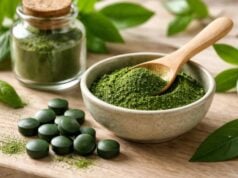
Curcuma—better known as turmeric—is the golden rhizome that gives curry its color and many traditional remedies their warming, earthy backbone. For centuries it has been used in food and wellness practices to support digestion, soothe aching joints, and promote recovery after strain. Modern research focuses on curcuma’s curcuminoids (especially curcumin) and aromatic oils, which influence inflammatory signaling, oxidative stress, and how the body responds to everyday wear and tear.
Curcuma is also a perfect example of a “simple” herb that becomes complicated once it’s concentrated. Turmeric powder in food behaves differently from high-potency extracts designed for absorption. That distinction matters for results, for interactions, and for safety—particularly for people who take blood thinners, manage gallbladder issues, or have a sensitive stomach.
This guide breaks down what curcuma contains, what it realistically helps with, how to use it well, and how to choose a dose and form that fit your goals without taking unnecessary risks.
Essential Insights for Curcuma
- Curcuma may support joint comfort and inflammatory balance, especially with consistent daily use.
- High-absorption curcumin supplements can interact with medicines and may rarely affect the liver; choose quality products and start low.
- Typical adult ranges are 1–3 g/day turmeric powder (food) or 500–1,500 mg/day curcuminoids (extract), depending on formulation.
- Avoid curcuma supplements if pregnant, preparing for surgery, or using anticoagulant or antiplatelet medicines without clinician guidance.
Table of Contents
- What is curcuma longa?
- Key ingredients in curcuma
- How curcuma works in the body
- Curcuma benefits for joints and pain
- Curcuma for metabolism and digestion
- Best ways to use curcuma
- How much curcuma per day
- Safety, side effects, and evidence
What is curcuma longa?
Curcuma longa is a plant in the ginger family (Zingiberaceae). The part used in food and supplements is the rhizome—the underground stem that looks like a knobby root. When dried and ground, it becomes turmeric powder. When extracted, it can be concentrated into curcuminoid-rich supplements, oils, or standardized blends designed for targeted outcomes.
Curcuma is often described as “anti-inflammatory,” but it helps to translate that into real life. For most people, the goal is not to “turn off inflammation” (which is essential for healing), but to nudge the body away from excess inflammatory signaling that can show up as stiffness, low-grade aches, or slow recovery after stress. That’s why curcuma is frequently discussed for joint comfort, muscle soreness, and general resilience.
Curcuma also has a culinary identity that matters. When you use turmeric in food, you’re getting a complex mixture: curcuminoids, aromatic oils, fiber, starches, and trace minerals. This whole-food matrix is gentler and often easier to tolerate. Supplements, by contrast, may contain a high dose of curcuminoids in a form designed to absorb better, which can raise both benefits and risks.
One of the most common sources of confusion is the word “curcumin.” Curcumin is a major curcuminoid in curcuma, but curcuma is not only curcumin. Whole turmeric contains multiple curcuminoids plus aromatic constituents that may matter for aroma, digestive effects, and overall biological activity. This is also why different products can feel different: one may be a mild culinary powder, while another is a high-potency curcumin complex that behaves more like a targeted nutraceutical.
Finally, quality and authenticity matter more than many people realize. Turmeric powders can vary in curcuminoid content, and some products may be adulterated or contaminated. Practical shopping cues include clear labeling (Curcuma longa), batch identification, and third-party testing when possible—especially for concentrated supplements, where small differences can matter.
Curcuma can be a daily ally, but it works best when you choose the form that matches your goal and your risk profile.
Key ingredients in curcuma
Curcuma’s health effects come from three major categories of constituents: curcuminoids, volatile oils, and the supportive “food matrix” (fiber and polysaccharides). Understanding what each group does helps you choose the right product and set realistic expectations.
Curcuminoids
Curcuminoids are the bright yellow polyphenols that give turmeric its signature color. The best-known is curcumin, but turmeric also contains related compounds (often described as demethoxycurcumin and bisdemethoxycurcumin). Together, they’re typically measured as “total curcuminoids.” Curcuminoids are studied for their role in inflammatory signaling, oxidative stress pathways, and cellular stress responses. For practical use, curcuminoids are the main target when people buy a “high-potency turmeric” supplement.
Volatile oils
Turmeric also contains aromatic oils—compounds that contribute to its warm, slightly peppery scent. These oils may include constituents such as turmerones (commonly discussed in turmeric oil), along with other aromatics that influence digestion and sensory signaling. The volatile fraction is part of why turmeric feels different from isolated curcumin: it can be more “warming,” more digestive, and sometimes more noticeable in the body at lower culinary doses.
Polysaccharides, fiber, and the whole-food matrix
Whole turmeric provides fibers and complex carbohydrates that are not headline actives, yet they can matter for tolerance and for gut-related effects. Many people do better starting with food-based turmeric because the whole matrix tends to be gentler. From a digestion perspective, curcuma often behaves like other warming spices: it supports comfort when used in normal culinary amounts, but can irritate when overdone.
Why “extract” is not a single thing
Turmeric extracts differ in:
- percentage of curcuminoids (often 95% in standardized extracts)
- delivery technology (phytosome complexes, micelles, nanoparticles)
- added bioenhancers (commonly piperine)
- inclusion of turmeric oils (full-spectrum vs curcuminoid-only)
These differences explain why one product may help joints noticeably while another feels like nothing. They also explain why safety can change: higher absorption increases systemic exposure.
If your main interest is boosting absorption using bioenhancers, it helps to understand how concentrated pepper extracts behave differently from culinary pepper. black pepper extract and piperine benefits can provide useful context for why “a little” can have outsized effects on supplement absorption and medication metabolism.
The bottom line: curcuma is a multi-constituent plant. Whole turmeric emphasizes breadth and tolerance; standardized extracts emphasize curcuminoids and potency. Both can be useful, but they are not interchangeable.
How curcuma works in the body
Curcuma is often described as acting “everywhere,” and that reputation comes from how it influences broad biological pathways rather than one single receptor. In practical terms, curcuma is most relevant for people whose symptoms are shaped by inflammatory signaling, oxidative stress, and repetitive tissue strain—especially when those patterns show up as stiffness, slower recovery, or low-grade discomfort.
Inflammatory signaling modulation
Curcuminoids are frequently studied for how they influence inflammatory mediators. Rather than behaving like a typical painkiller, curcuma is better understood as a signaling modulator: it may help the body produce fewer inflammatory “amplifiers” when the immune response is overactive or chronically provoked. This is one reason effects can feel gradual. Many people notice more benefit after 2–8 weeks than after a few days.
Antioxidant support and cellular stress response
Curcuma also influences oxidative stress pathways. Oxidative stress is not inherently “bad,” but when it runs high for long periods, it can worsen recovery and make tissues more reactive. Curcuma’s polyphenols can support a more balanced response—again, a nudge rather than a dramatic switch.
Gut and microbiome interactions
A large portion of oral curcumin remains in the gut, which may actually be an advantage for digestive-focused goals. Curcuma may influence gut comfort through local effects on the intestinal lining and microbial environment. This is a useful lens: sometimes “poor absorption” is framed as a failure, but for gut-centered outcomes, local presence can be part of the point.
The bioavailability challenge
Curcumin is famously difficult to absorb. It is poorly soluble in water and is rapidly transformed by the body. Many supplement technologies aim to solve this with:
- piperine bioenhancers
- phospholipid complexes (phytosomes)
- micelles and emulsions
- nanoparticles and liposomal delivery
Better absorption can improve outcomes for some people, but it also increases the chance of side effects and interactions. A helpful way to think about it is tiered exposure: culinary turmeric is low exposure and low risk; high-bioavailability curcumin is higher exposure and requires more caution.
Why some people “don’t feel it”
Curcuma tends to work best when your target symptom fits the mechanism. If pain is driven mainly by nerve compression, structural injury, or advanced joint degeneration, curcuma alone may not move the needle. If discomfort is tied to inflammatory flare patterns, repetitive strain, or metabolic inflammation, it is more likely to help.
Curcuma is not magic. It is a signaling herb. When you match it to the right problem, choose a tolerable form, and give it time, its effects can be meaningful—especially as part of a broader lifestyle strategy.
Curcuma benefits for joints and pain
Curcuma is best known for joint comfort, particularly in contexts like age-related stiffness, overuse aches, and osteoarthritis-type pain patterns. The most realistic expectation is not instant relief, but a gradual reduction in pain intensity and stiffness that makes movement easier and recovery smoother.
Joint stiffness and osteoarthritis patterns
Many people try curcuma when joints feel “rusty” in the morning, sore after walking or lifting, or reactive after long sitting. In these cases, curcuma may help by reducing inflammatory mediators that amplify pain signaling. When it works, people often report:
- less morning stiffness after 2–4 weeks
- reduced soreness after activity by week 4–8
- improved comfort on “moderate” days, even if flare days still happen
Curcuma tends to fit best as an adjunct—something you combine with movement, strength training, weight management when relevant, and standard medical care rather than replacing it.
Muscle soreness and recovery support
Curcuma is also used for post-exercise soreness and general recovery, especially when soreness feels inflammatory rather than purely mechanical. Some people find it most useful on training blocks when inflammation is predictably higher (new program, higher volume, long hikes). Here, timing can matter: consistent daily use may work better than occasional “as needed” dosing.
Menstrual and cramping discomfort
Curcuma is sometimes used for menstrual comfort due to its inflammatory signaling effects. The evidence base is not as strong as it is for joint discomfort, and individual response varies. If pelvic pain is severe, new, or worsening, evaluation matters more than supplementation.
Topical use for localized aches
Turmeric-containing creams exist, but topical curcuma is less predictable than oral use because absorption through skin varies widely. Still, some people find it helpful in massage blends, mainly as a supportive comfort practice. Topical products can also stain skin and clothing, which is inconvenient but not usually dangerous.
How curcuma compares to other anti-inflammatory botanicals
People often compare turmeric to other plant-based options used for joint comfort. A common alternative is boswellia, which has a different mechanism profile and is frequently used in joint formulas. If you are weighing options, boswellia benefits and research can help you compare approaches without assuming that one is universally “better.”
The most grounded way to use curcuma for pain is to treat it like a slow-building support. Track stiffness, activity tolerance, and rescue-medication use over 6–8 weeks. If nothing changes, it may be the wrong tool—or the wrong formulation—for your specific pain pattern.
Curcuma for metabolism and digestion
Beyond joints, curcuma is frequently used for metabolic health and digestive comfort. These uses can be meaningful, but they are also easy to oversell. Curcuma is not a substitute for diabetes care, cholesterol management, or treating digestive disease. Its best role is supportive: small improvements layered on top of diet, movement, sleep, and clinician-guided treatment when needed.
Blood sugar and insulin sensitivity support
Some studies suggest curcuma or curcumin supplements may modestly improve markers such as fasting blood sugar or insulin resistance in certain populations. The most realistic outcome is not a dramatic drop, but a gentle nudge—especially for people with cardiometabolic risk factors who are also improving food choices and activity. If you take glucose-lowering medication, this becomes a safety consideration because additive effects are possible.
Cholesterol and lipid profiles
Turmeric is often marketed for heart health, but the most careful summary is that effects on lipids can be modest and variable. Some formulations appear more impactful than others, and combinations (including bioenhancers) may change results. For many people, this is a “maybe helps a little” category rather than a primary strategy.
If your goal is lipid and inflammation support with a stronger mainstream evidence base, omega-3s are often part of the conversation. omega-3 fatty acids benefits and usage can be a helpful comparison point for setting expectations about what nutraceuticals can realistically do.
Digestive comfort and bile flow considerations
Culinary turmeric is widely used for digestion—often described as easing heaviness after meals and supporting appetite. Many people find it most helpful when paired with fats (for absorption) and used as part of cooking. However, turmeric can stimulate bile-related signaling in some people. If you have gallstones, bile duct obstruction, or a history of biliary colic, concentrated turmeric supplements may worsen symptoms.
Gut inflammation and “sensitive digestion”
Curcuma’s local presence in the gut may support comfort for some people, especially when symptoms are driven by mild inflammatory irritation. But if you have persistent abdominal pain, blood in stool, unexplained weight loss, fever, or severe diarrhea, turmeric is not the right tool to “try first.” Those are evaluation symptoms.
What curcuma won’t do for metabolism
Curcuma will not “burn fat” in a meaningful way without lifestyle change. It also won’t override a high-sugar, low-fiber diet. Used realistically, curcuma can be one supportive lever—often best as a food habit that helps people eat more balanced meals (soups, stews, vegetables) rather than as a stand-alone capsule expecting major lab changes.
If you treat curcuma as part of a metabolic routine—not the centerpiece—you’re more likely to see the kind of small, durable benefits it can plausibly offer.
Best ways to use curcuma
Curcuma can be used as food, tea, or a standardized supplement. The “best” way depends on your goal, your digestion, and how comfortable you are managing interactions. A simple rule is to start with food first, then move toward targeted supplements if you need more intensity and have a clear reason.
1) Curcuma in food
Food use is the safest and most sustainable option for most people. Practical ways to add it:
- Stir 1/2 teaspoon into soups, lentils, rice, or roasted vegetables
- Combine with olive oil, yogurt, or coconut milk for a fat-containing base
- Pair with black pepper to support absorption (small culinary amounts)
Food-based curcuma is ideal for people seeking digestive comfort, general inflammatory support, and a daily habit that is easy to maintain.
2) Golden milk and turmeric drinks
Turmeric drinks can be soothing, but they can also irritate reflux-prone people. Keep drinks modest in strength and include fat for better curcuminoid uptake. If you notice heartburn, shift curcuma into meals instead.
3) Standardized supplements
Supplements make sense when you want a more therapeutic dose, especially for joint discomfort. Look for labels that clearly state:
- curcuminoid amount per serving (in mg)
- delivery form (phytosome, micelle, or other)
- whether piperine is included
- third-party testing or batch identification
If a supplement includes piperine or other bioenhancers, treat it as more “medicine-like” in terms of interaction potential and start with the lowest effective dose.
4) Combining curcuma with other botanicals
Curcuma is often paired with ginger in cooking and formulas because both are warming rhizomes with digestive benefits, yet they emphasize different aromatics and polyphenols. ginger benefits and active compounds can help you design a food-based routine that feels satisfying rather than supplement-heavy.
5) Practical troubleshooting
If curcuma “doesn’t work,” common reasons include:
- using too little (especially for joint goals)
- choosing a low-absorption product when systemic exposure is needed
- not taking it consistently long enough (many benefits are slow-building)
- expecting it to solve structural pain problems it cannot fix
If curcuma causes stomach upset:
- switch from capsules to food-based use
- take supplements with meals
- avoid very high doses
- try a formulation without piperine if you are sensitive
Using curcuma well is less about finding a miracle product and more about matching form, dose, and consistency to your specific goal.
How much curcuma per day
Curcuma dosing is best approached by “form and goal.” Turmeric powder is measured in grams and teaspoons; supplements are measured in milligrams of curcuminoids and may differ dramatically in absorption. Start low, increase gradually, and choose a time window long enough to judge results.
Culinary turmeric powder
For general wellness and food-based use:
- Typical range: 1–3 g/day turmeric powder (about 1/2 to 1 teaspoon)
- Best timing: with meals that contain fat
- Best duration: ongoing, as part of cooking habits
This level is usually well tolerated for most adults, though people with reflux may prefer smaller amounts.
Standardized curcuminoid supplements
For targeted joint or inflammatory support, common adult ranges fall around:
- Start: 500 mg/day curcuminoids
- Typical range: 500–1,500 mg/day curcuminoids, divided 1–2 times daily
Higher doses are sometimes used in studies, but “higher” should be approached cautiously, especially with bioavailability-enhanced products. If a product includes piperine or a high-absorption delivery system, a lower labeled dose may deliver a stronger systemic effect than a higher dose of a basic extract.
Timing strategies
- With food: often improves tolerance and may improve absorption
- Split dosing: can reduce GI irritation and provide steadier exposure
- Consistency: matters more than perfect timing for most goals
How long to try it
A realistic self-trial depends on your target:
- Joint comfort: 6–8 weeks is a reasonable window
- Metabolic markers: 8–12 weeks is more realistic
- Digestive comfort: 2–4 weeks can be enough to judge tolerance and benefit
When to stop or reassess
Stop and reassess if you notice:
- persistent nausea, cramping, or diarrhea
- reflux that worsens over time
- itching, rash, or swelling
- dark urine, yellowing eyes, or unusual fatigue (especially on high-absorption products)
If you want a structured way to think about “dose plus absorption,” it helps to remember that bioenhancers can change the effective dose without changing the label number. piperine bioenhancer basics can clarify why “500 mg” is not always the same experience across formulations.
The best dose is the smallest one that produces a noticeable benefit without side effects—and that you can realistically maintain.
Safety, side effects, and evidence
Curcuma is widely used and often well tolerated, especially in food. Most safety concerns show up with concentrated supplements, high-bioavailability formulations, and combinations that increase absorption. A smart safety approach is to treat curcuma like a spice first and a supplement second.
Common side effects
Dose-related effects may include:
- nausea, stomach burning, cramping, or diarrhea
- reflux flare-ups (especially with drinks or capsules on an empty stomach)
- headache in sensitive individuals
These often improve by lowering the dose, taking with meals, or switching from capsules to food-based use.
Interactions and higher-risk situations
Curcuma may interact with medicines that affect bleeding, blood sugar, or drug metabolism. Use clinician guidance if you take:
- anticoagulants or antiplatelet medicines
- diabetes medications or insulin
- chemotherapy or immunosuppressive therapies
- medicines with narrow therapeutic windows where small level changes matter
A practical precaution is to stop high-dose curcuma supplements 1–2 weeks before surgery unless your surgical team advises otherwise.
Gallbladder and kidney considerations
If you have gallstones or a history of biliary pain, concentrated turmeric supplements may aggravate symptoms in some people. People prone to kidney stones sometimes worry about oxalates; while typical culinary use is unlikely to be an issue for many, high-dose supplementation deserves individualized guidance if you have a strong stone history.
Liver safety and rare injury reports
Most people never have liver issues with turmeric. However, rare cases of liver injury have been reported, particularly with high-absorption curcumin products and combinations that enhance bioavailability. This does not mean “turmeric is dangerous,” but it does mean quality control and conservative dosing matter. Stop supplementation and seek medical evaluation if you develop jaundice, dark urine, severe fatigue, or persistent nausea.
For broader liver-support context in herbal routines, some people compare protective strategies such as milk thistle liver support, though it does not “prevent” supplement-related liver injury and should not be used to justify risky dosing.
What the evidence actually supports
Overall, the strongest and most consistent human evidence for curcuma and curcumin is in areas like:
- osteoarthritis-type pain and function outcomes
- some inflammatory markers and oxidative stress markers
- modest shifts in certain cardiometabolic markers in some populations
Evidence quality varies, and product differences matter. Many studies are short, use different formulations, and include small sample sizes. That’s why curcuma works best as a well-chosen adjunct, not a stand-alone cure.
If you keep curcuma dosing conservative, prioritize food-based use when possible, and treat high-absorption supplements with respect, you can capture most potential benefits while reducing avoidable risks.
References
- Curcuma Longa (turmeric): from traditional applications to modern plant medicine research hotspots – PMC 2025 (Review)
- Curcumin on Human Health: A Comprehensive Systematic Review and Meta-Analysis of 103 Randomized Controlled Trials – PubMed 2024 (Systematic Review and Meta-Analysis)
- The efficacy and safety of Curcuma longa extract and curcumin supplements on osteoarthritis: a systematic review and meta-analysis – PMC 2021 (Systematic Review and Meta-Analysis)
- Effects of Turmeric and Turmeric Plus Piperine Supplementation on Lipid Profiles in Adults with Cardiometabolic Risk Conditions: A Systematic Review and Meta-Analysis of Randomized Controlled Trials Following PRISMA Guidelines – PMC 2025 (Systematic Review and Meta-Analysis)
- Turmeric – LiverTox – NCBI Bookshelf 2025 (Safety Monograph)
Disclaimer
This article is for educational purposes only and does not provide medical advice, diagnosis, or treatment. Curcuma (turmeric) products vary widely in potency and absorption, and concentrated supplements may interact with medications or cause side effects. If you are pregnant or breastfeeding, have gallbladder disease, a history of kidney stones, liver disease, or take prescription medicines (especially blood thinners or diabetes drugs), consult a qualified clinician before using curcuma supplements. Seek prompt medical care for severe allergic reactions, persistent vomiting, unusual bleeding, or signs of liver injury such as jaundice or dark urine.
If this guide was helpful, please share it on Facebook, X (formerly Twitter), or your preferred platform so others can use curcuma more safely and effectively.