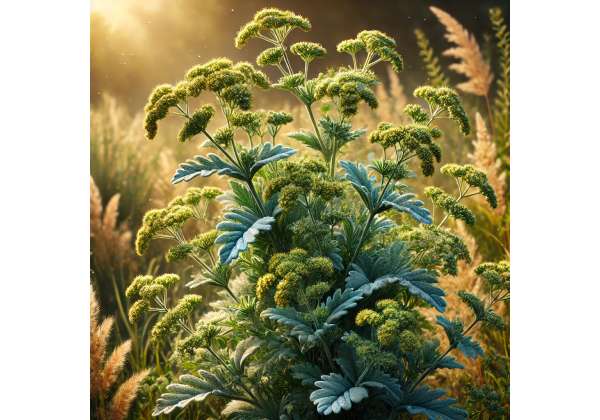
Davana (Artemisia pallens) is an aromatic herb best known for its essential oil, a richly layered scent often described as fruity, herbaceous, and warm. While davana has a long history in Indian traditional use, most modern interest centers on davana essential oil in perfumery, skincare, and aromatherapy. Its appeal is not only sensory: davana contains a complex mix of sesquiterpenes and related compounds that, in early research, show anti-inflammatory signaling activity and antioxidant potential. In practical terms, that places davana in the category of botanicals people explore for skin comfort, stress and mood support through fragrance, and occasional antimicrobial or deodorizing applications.
At the same time, davana is not a “more is better” ingredient. Essential oils are concentrated mixtures, and davana’s strength is exactly why thoughtful dosing matters. In this guide, you will learn what davana is, what it contains, what it may realistically help with, and how to use it in ways that prioritize safety—especially around skin sensitivity, dilution, and special populations such as pregnancy.
Essential Insights
- Davana oil is most often used for mood and sensory comfort, and for skin support when properly diluted.
- Early evidence suggests davana oil components may help reduce pro-inflammatory signaling in lab models.
- Do not ingest davana essential oil unless a qualified clinician specifically directs it.
- Typical topical dilution is 0.5%–1% (about 3–6 drops per 30 mL carrier) for short-term use.
- Avoid if pregnant, breastfeeding, very young, or prone to fragrance allergies or contact dermatitis.
Table of Contents
- What is davana?
- Key ingredients and properties
- What does davana help with?
- How to use davana safely
- How much davana oil to use
- Davana side effects and interactions
- What the evidence says
What is davana?
Davana (Artemisia pallens) is a fragrant herb in the Asteraceae family and the Artemisia genus. If that genus sounds familiar, it is because it includes many strongly scented plants that show up in traditional medicine and modern aromatics. Davana’s distinguishing feature is its essential oil profile, which tends to read as sweet and fruity with an herbaceous backbone rather than sharply camphor-like. This is one reason perfumers prize it: it can add depth and a “rounded” warmth to blends without dominating in the same way as more piercing oils.
In everyday wellness contexts, davana is used far more as an essential oil than as a dried culinary or tea herb. The leaves and flowering tops are typically the source material for distillation. Because the oil’s character depends on climate, harvest stage, and distillation choices, davana is often discussed in terms of authenticity and quality. A bottle labeled “davana” may vary in scent and chemistry more than consumers expect, especially if it is blended, diluted, or produced from different plant parts.
It also helps to understand what davana is not. It is not a standard nutritional supplement with a fixed dose and predictable clinical outcomes. It is a concentrated aromatic extract with a long history of traditional use and a smaller, emerging research base. That means the most responsible way to approach it is through clear intent (why you are using it) and conservative use (how you are using it).
If you are exploring davana because you like Artemisia plants in general, it is worth comparing davana’s profile with other members of the genus. Some Artemisia species are known for very “medicinal” aromatic notes and more caution flags around certain constituents. A practical starting point for context is an overview of wormwood uses and safety, which highlights how different Artemisia species can have different strengths and precautions.
Finally, consider your usage lane: perfumery and aroma (diffusion, inhalation, personal scent) or skin and body care (diluted topical use). Both can be valid, but they call for different safety rules and expectations.
Key ingredients and properties
Davana’s effects are best understood through its chemistry: a multi-component essential oil rich in sesquiterpenes and related oxygenated compounds. Unlike single-ingredient supplements, essential oils behave more like orchestras than soloists. The scent, skin feel, and biological activity you experience are influenced by the blend of constituents, their relative proportions, and how they interact.
One of the signature constituents frequently highlighted in analytical studies is cis-davanone, often reported as a major component in davana oil. Alongside it, analyses commonly identify sesquiterpenes and oxygenated molecules such as bicyclogermacrene, spathulenol, and aromatic esters like ethyl cinnamate, among many others. This complexity is not a footnote—it is the core reason davana is both prized and variable.
From these constituents, people commonly attribute several “medicinal properties” to davana, with the most realistic framing being supportive rather than curative:
1) Anti-inflammatory signaling support (early-stage evidence)
Some davana oil components appear to reduce pro-inflammatory signaling in lab settings. This does not mean davana “treats inflammation” in a clinical sense, but it suggests plausible mechanisms for why diluted topical use may feel soothing for some people.
2) Antioxidant potential (context-dependent)
Antioxidant activity is frequently discussed for aromatic plants, but what matters is context: on skin, oxidative stress can rise after UV exposure, friction, shaving, or irritation. Antioxidant potential may support comfort and appearance when paired with barrier-friendly formulation and consistent routines.
3) Sensory and mood effects through aroma
Aroma affects mood and perception through learned association, memory, and physiological responses to scent. Davana’s fragrance is often described as “comforting” and “grounding,” which can be useful in personal rituals even when the biology is subtle.
4) Mild antimicrobial and deodorizing potential
Many essential oils show antimicrobial activity in lab studies, but real-world usefulness depends on concentration, contact time, and formulation. For davana, the more practical interpretation is “may support freshness” when used as a small part of a well-formulated product, not as a replacement for hygiene or medical care.
Because davana oil is often used in aromatic blends, it is also helpful to understand the role it plays in the larger palette of oils. In perfumery, davana can be paired with citrus top notes and resinous bases to create depth. If you enjoy that style, you might explore the scent and topical profile of bergamot essential oil properties as a contrasting example of how different oils bring different safety considerations and skin behavior.
A final point on “key ingredients”: while people often want a single hero compound, davana’s identity is the whole profile. Quality, freshness, and correct storage (cool, dark, tightly sealed) often influence user experience as much as any single molecule.
What does davana help with?
Davana is most realistic as a supportive aromatic with potential skin-comfort applications when properly diluted. It is not usually chosen as a first-line remedy for a medical condition, but it can play a meaningful role in daily routines where the goal is comfort, sensory regulation, and gentle topical support.
1) Stress and emotional comfort through scent
This is one of davana’s most common uses. People diffuse it during transitions (end of workday, before bedtime routines) or use it in personal fragrance blends. The benefit here is often subtle but practical: scent can help signal “it is time to shift gears.” If you respond well to scent cues, davana may be useful as a consistent anchor.
A helpful way to keep expectations grounded is to treat davana as a “nervous system cue” rather than a sedative. You are aiming for a calmer environment and softer mental edges, not a forced shutdown. If you want a more widely studied relaxing aroma, lavender oil for sleep and stress is often used as a benchmark. Davana can be complementary—warmer, fruitier, and sometimes more emotionally evocative.
2) Skin comfort in well-diluted blends
Davana sometimes shows up in body oils, balms, and massage blends intended for skin that feels “reactive” or easily stressed. The important detail is the formulation: davana should be low concentration and combined with a carrier that supports the skin barrier. People often use it on intact skin after shaving irritation, friction, or general dryness, where the goal is a calmer feel and more comfortable texture.
3) Freshness and odor support
Because essential oils can have deodorizing and scent-masking effects, davana may be used in natural deodorants or body sprays. Here, the most realistic benefit is sensory: it can make a product smell pleasant and may support a sense of freshness. If odor is persistent or associated with skin irritation, the more important step is evaluating the cause and adjusting hygiene, clothing materials, or medical care if needed.
4) “Skin tone” and cosmetic positioning
Davana’s antioxidant and aromatic profile has led to cosmetic use in some products aimed at appearance and glow. This category can easily drift into exaggerated marketing. A realistic approach is to view davana as a supporting ingredient, not the core of an “even tone” strategy. If uneven tone is your target, consistent sunscreen and gentle, proven actives usually matter more than any single essential oil.
5) Traditional wellness contexts (limited modern confirmation)
In traditional practice, Artemisia pallens has been used in broader wellness frameworks. Modern studies include preclinical work, but human evidence for specific outcomes remains limited. If you choose to explore these traditional lanes, do it with conservative dosing and a clear stop rule if you notice irritation or sensitivity.
In short, davana can be valuable when the goal is comfort, ritual, scent-based support, and gentle topical use—and less valuable when you need a predictable medical effect.
How to use davana safely
Most people use davana as an essential oil in one of three ways: diffusion, personal aromatherapy, or diluted topical application. The safest approach is to choose the method that fits your goal with the lowest practical exposure.
1) Diffusion (room aroma)
Diffusion is a common entry point because it avoids direct skin contact and ingestion. Practical tips:
- Use short sessions: 15–30 minutes, then pause. Continuous diffusion can cause headaches or scent fatigue.
- Ventilation matters. A small room can become overpowering quickly.
- Keep diffusers away from children’s sleeping areas and from pets that cannot leave the room.
If your goal is emotional comfort, consider “ritual pairing”: use the same scent only during one activity (journaling, stretching, winding down). Over time, your brain may associate that aroma with the desired state, making the effect feel more reliable.
2) Personal inhalation (low-exposure aromatherapy)
This can be as simple as placing one drop on a scent strip, cotton pad, or personal inhaler device, then inhaling briefly. This is often preferable to applying undiluted oil on pulse points, which can irritate skin over time.
3) Diluted topical use (massage or body oil)
Topical use can feel grounding, especially when paired with massage. The key is dilution and carrier choice. Many people tolerate davana best in stable, skin-friendly carriers. If you are building a body oil, a gentle carrier such as jojoba is often chosen because it feels lightweight and is well tolerated by many skin types. For background, see jojoba skin uses and applications.
Practical topical uses include:
- A diluted body oil after showering on intact skin
- A massage blend for relaxation rituals
- A small amount on dry patches (not broken skin) for comfort
4) Bath and shower use (use extra caution)
Essential oils do not mix with water. Adding drops directly to bathwater can increase the risk of skin irritation because undiluted droplets float and contact skin. If you want davana in a bath:
- Mix it into a carrier oil first and use a very low total amount
- Or choose a properly formulated bath product that disperses oils safely
5) Blending for fragrance
Davana is often used in personal fragrance blends because it can act as a “bridge note” between bright top notes and deep bases. If you blend, keep the total essential oil concentration low and patch test before wearing daily.
What to avoid
- Do not apply davana essential oil undiluted to skin.
- Do not use it on broken, infected, or severely inflamed skin.
- Do not use it internally unless a qualified clinician directs it.
Safe use is less about fear and more about respect for concentration. With davana, small amounts are usually the smarter choice.
How much davana oil to use
Because davana is most often used as an essential oil, dosing is usually discussed in drops, dilution percentages, and duration, not milligrams. The guiding principle is to use the smallest amount that achieves your goal, for the shortest reasonable period, and to reassess if you need it daily.
Topical dilution guidelines (common conservative ranges)
For most adults with intact skin:
- Face and sensitive areas: 0.25%–0.5%
- General body use: 0.5%–1%
- Short-term, limited-area massage blends: up to 2% for some adults, if well tolerated
A practical conversion many people use:
- 1% dilution is roughly 6 drops per 30 mL (1 oz) of carrier oil
- 0.5% dilution is roughly 3 drops per 30 mL (1 oz)
- 0.25% dilution is roughly 1–2 drops per 30 mL (1 oz)
Drop size varies by bottle and viscosity, so treat these as approximate. When in doubt, under-dose and adjust slowly.
Suggested topical timing and duration
- For relaxation massage: once daily or a few times per week, based on tolerance
- For skin comfort: apply a thin layer once daily and reassess after 3–7 days
- If you need it continuously for weeks, that is a signal to reconsider the approach and investigate underlying causes (skin barrier issues, irritant exposure, fragrance sensitivity)
Diffusion dosing
For a standard home diffuser:
- Start with 2–4 drops in the reservoir
- Diffuse 15–30 minutes, then pause
- If you notice headache, throat irritation, or “overwhelm,” reduce drops and time
Personal inhalation
- 1 drop on a scent strip or inhaler pad is usually enough
- Inhale briefly, then stop. More frequent sniffs are often better than stronger loading.
Internal use and teas
Davana is not commonly used internally in the same way as gentle culinary herbs. If you see davana essential oil promoted for ingestion, treat that as a caution flag. Internal use should be considered only under professional guidance because essential oils are concentrated and can irritate mucosa, interact with medications, or cause sensitization.
Common variables that change dosing
- Skin type: dry, eczema-prone, or fragrance-sensitive skin needs lower concentrations
- Age: children should not be dosed like adults
- Exposure load: if your routine already includes fragranced products, additional essential oil increases sensitization risk
- Frequency: daily use raises the importance of very low concentrations and patch testing
If you want davana to be a supportive tool rather than a source of irritation, think “low concentration, short contact, and careful repetition.”
Davana side effects and interactions
Davana’s biggest safety issue is not a dramatic toxicity profile in typical aromatherapy use—it is skin irritation and sensitization, especially with repeated exposure or overly strong dilution. Essential oils are concentrated mixtures, and even oils perceived as “gentle” can trigger reactions in susceptible people.
Possible side effects
- Skin irritation: stinging, redness, dryness, or warmth after topical use
- Allergic contact dermatitis: itching, rash, bumps, or delayed redness that can appear 24–72 hours after exposure
- Respiratory irritation: coughing, throat irritation, or headache from strong diffusion in enclosed spaces
- Nausea or dizziness: typically from too much aroma exposure rather than a “detox” effect
Patch testing is not optional if you are new to davana
A simple method:
- Prepare your intended dilution (for example, 0.5% in a carrier).
- Apply a small amount to the inner forearm.
- Leave it alone for 24 hours (do not wash the area repeatedly).
- If you notice redness, itching, swelling, or rash, do not use it more broadly.
Who should avoid davana or use only with professional guidance
- Pregnant or breastfeeding people: avoid routine essential oil use unless a clinician experienced with aromatherapy advises it
- Infants and young children: avoid diffusion in sleeping areas and avoid topical use unless professionally guided
- People with fragrance allergies, asthma triggered by scents, or chronic dermatitis/eczema: risk of flares and sensitization is higher
- Those with a history of severe allergic reactions: do not experiment casually
- People with multiple fragranced products in their routine: cumulative exposure increases sensitization risk
Medication interactions and medical conditions
Specific interaction data for davana is limited. However, general caution is reasonable:
- If you take blood thinners, have bleeding disorders, or are preparing for surgery, avoid internal essential oil use and keep topical use conservative because adverse effects are higher-stakes.
- If you use topical prescription treatments (retinoids, steroids, medicated acne therapies), adding essential oils can increase irritation risk.
Photosensitivity
Some essential oils are strongly photosensitizing, especially certain cold-pressed citrus oils. Davana is not typically categorized as a major photosensitizer, but formulation and blending matter. If you apply a blend to sun-exposed skin, keep the dilution low and avoid experimenting right before strong sun exposure.
Red flags that mean “stop”
- Rash, itching, hives, or swelling
- Burning sensation that persists
- Worsening skin inflammation
- Headaches or breathing discomfort during diffusion
With davana, safe use is a pattern: low dilution, short sessions, and a willingness to stop quickly if your body says no.
What the evidence says
Davana sits at the intersection of traditional use, industrial perfumery, and early-stage biomedical research. That mix can create confusing expectations: a high-value essential oil is not automatically a clinically proven remedy. The most useful way to read the evidence is to separate what is well established (chemistry and quality), what is plausible (mechanisms), and what remains uncertain (human outcomes).
1) Chemical composition and authenticity are well supported
Analytical research on davana essential oil emphasizes how chemically complex it is and how that complexity affects authenticity and quality control. In at least one detailed profile, davana oil contained dozens of identifiable compounds, with cis-davanone frequently highlighted as a major constituent. This kind of work does not prove a health benefit by itself, but it is foundational: it explains why different davana products may behave differently in scent and skin feel.
2) Anti-inflammatory signaling is promising, but mostly preclinical
Some studies have looked at davana oil and specific constituents in cellular models relevant to inflammation. Findings suggesting reduced pro-inflammatory signaling in these models support a plausible explanation for why some people experience davana as “soothing” in diluted topical use. The important limitation is that cell models are not the same as clinical trials, and dosing in lab studies does not translate directly to consumer use.
3) Whole-plant extracts have preclinical signals
Beyond essential oil, research on Artemisia pallens extracts includes animal models exploring inflammation and oxidative stress pathways. These studies can be useful for hypothesis-building, but they do not establish safe or effective human dosing. They are best treated as “early signals,” not as reasons to self-treat a chronic inflammatory condition.
4) Aromatherapy evidence is broader than davana-specific
There is a larger body of literature on essential oils in aromatherapy, including safety considerations and best practices. This broader evidence can help guide how davana is used (dilution, exposure time, avoiding ingestion), even if davana itself is not the main focus of many clinical trials. In other words, we can often be more confident about how to use essential oils safely than about any one oil’s ability to treat a specific condition.
5) The biggest gap: high-quality human trials for specific claims
For davana, the most common wellness claims involve mood support, skin comfort, and “balancing” effects. These are areas where high-quality davana-specific human trials are limited. That does not make the oil useless; it means you should view it as a supportive sensory tool rather than a primary treatment.
A responsible evidence-based takeaway
- Strongest support: chemistry, composition, and quality-control relevance
- Moderate support: plausible anti-inflammatory and antioxidant mechanisms in preclinical models
- Weakest support: specific, predictable clinical outcomes in humans
If you use davana with that hierarchy in mind, you are more likely to have a positive experience and less likely to chase exaggerated expectations.
References
- New Insights into the Chemical Composition, Pro-Inflammatory Cytokine Inhibition Profile of Davana (Artemisia pallens Wall. ex DC.) Essential Oil and cis-Davanone in Primary Macrophage Cells – PubMed 2021 (Preclinical) ([PubMed][1])
- Analysis of root volatiles and functional characterization of a root-specific germacrene A synthase in Artemisia pallens – PubMed 2024 (Phytochemistry) ([PubMed][2])
- Artemisia pallens W. Attenuates Inflammation and Oxidative Stress in Freund’s Complete Adjuvant-Induced Rheumatoid Arthritis in Wistar Rats – PubMed 2024 (Animal Study) ([PubMed][3])
- Essential oils for clinical aromatherapy: A comprehensive review – PubMed 2024 (Review) ([PubMed][4])
Disclaimer
This article is for educational purposes only and does not provide medical advice, diagnosis, or treatment. Davana essential oil is a concentrated aromatic product that can cause skin irritation, allergic contact dermatitis, or respiratory discomfort, especially when used undiluted or too frequently. Do not ingest davana essential oil unless a qualified clinician specifically directs you. If you are pregnant, breastfeeding, have asthma triggered by scents, have chronic skin conditions, take prescription medications, or are preparing for surgery, consult a licensed healthcare professional before use. Seek urgent medical care for signs of a severe allergic reaction (hives, facial swelling, wheezing, or trouble breathing) or for rapidly worsening skin symptoms.
If you found this guide useful, consider sharing it on Facebook, X (formerly Twitter), or any platform you prefer so others can use davana more safely and responsibly.