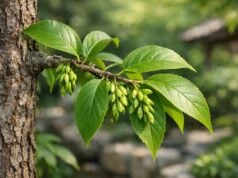
Deodar cedar (Cedrus deodara), also known as Himalayan cedar, is an aromatic evergreen prized for its warm, resinous scent and long history in traditional wellness systems. In many modern routines, it appears less as a “tea herb” and more as a wood-derived essential oil used for topical blends, massage, and aromatherapy—especially when people want calming ambiance, breathing comfort, or skin-supportive cleansing. Traditional practices have also used deodar’s wood and resin in preparations for aches, stiffness, and seasonal respiratory discomfort.
At the same time, the benefits are easy to overstate if you treat “cedar” as one single product. Oils sold as “cedarwood” may come from different species and even different genera, which changes both the chemistry and safety profile. This guide explains what deodar cedar contains, which uses are realistic, how to approach dosage conservatively, and how to avoid common safety pitfalls—especially with essential oils, skin sensitivity, and special populations.
Quick Facts for Safe Use
- Most practical benefits come from aromatherapy and topical use for relaxation, fresh-feeling skin, and comfort routines.
- Essential oil should be diluted to 0.5%–2% before skin use; undiluted application raises irritation risk.
- Diffuser use is typically 3–6 drops per session (intermittent, not continuous), in a well-ventilated room.
- Avoid internal use and avoid use if pregnant or breastfeeding, if you have significant asthma sensitivity to scents, or if you have a history of fragrance allergy.
Table of Contents
- What is deodar cedar?
- Key ingredients and medicinal properties
- Does deodar cedar have health benefits?
- How to use deodar cedar
- Dosage and timing guidelines
- Side effects, interactions, and who should avoid it
- What the evidence actually says
What is deodar cedar?
Deodar cedar (Cedrus deodara) is a conifer native to the western Himalayas, where it has cultural, spiritual, and practical value as a durable timber tree with a distinctive fragrance. The name “deodar” is often linked to the idea of a “divine” or sacred tree in regional tradition, which hints at its long-standing presence in human life—temples, architecture, incense, and household use. From a wellness perspective, the most common modern entry point is the wood essential oil, often described as woody, balsamic, and grounding.
A helpful first step is understanding what people mean by “cedar.” In commerce, “cedarwood oil” can be produced from several sources:
- True cedars (Cedrus species): such as Cedrus deodara (Himalayan cedar) and Cedrus atlantica (Atlas cedar).
- Juniper “cedarwoods” (Juniperus species): often sold as “Virginia cedarwood,” with a different chemical profile.
- Other “cedar” species: used regionally or historically, not always interchangeable in safety or effects.
This matters because scent, skin tolerance, and expected effects can differ by species and distillation style. If your goal is wellness use, a product label should clearly state Cedrus deodara and the plant part (typically wood) rather than only “cedarwood.”
Common forms you will encounter
Most people use deodar cedar in one of these forms:
- Essential oil (steam-distilled wood): used for diffusion, topical dilution, massage blends, and room fragrance.
- Wood, chips, or incense: aromatic use; exposure is mainly through scent rather than skin contact.
- Traditional preparations of wood or resin: used in some herbal systems under practitioner guidance.
In daily life, deodar cedar is rarely a “kitchen herb.” It functions more like other aromatic resins and woods—valued for scent, ritual, and topical comfort routines. If you approach it that way, your choices tend to be both safer and more aligned with how the plant is actually used today.
Key ingredients and medicinal properties
Deodar cedar’s wellness reputation comes largely from its volatile, aromatic compounds—the constituents that distill into essential oil and create its characteristic woody scent. These molecules are not “vitamins” or nutrients in the dietary sense. They are bioactive plant chemicals, most commonly terpenes and related compounds, which can influence the way skin feels, how a room smells, and how the nervous system responds to scent-based cues.
Core constituents you will see discussed
Deodar cedar oils are typically described as sesquiterpene-rich. In plain terms, that means the oil contains heavier aromatic molecules that smell warm and long-lasting, and often feel less sharp than citrus or mint oils. Key groups commonly associated with Cedrus species include:
- Himachalene-type sesquiterpenes: often described in cedarwood oils as major “woody backbone” components.
- Oxygenated sesquiterpenes (alcohols and ketones): compounds that may influence how an oil behaves on skin and how it’s perceived aromatically.
- Minor terpenoids and aromatic compounds: present in smaller amounts but sometimes important for overall scent and tolerability.
Outside the essential oil, some traditional descriptions also mention non-volatile plant compounds (such as flavonoids and lignan-like constituents) found in extracts of wood or other parts. These tend to matter more in laboratory studies of extracts than in everyday aromatherapy routines.
Medicinal properties people associate with deodar
It is common to see deodar cedar described with broad “properties” such as antimicrobial, anti-inflammatory, calming, or insect-repelling. A practical way to interpret those labels is to connect them to real-world uses:
- Fresh-feeling cleansing and odor control (topical): Many woody oils have a “clean” scent and can support routines for scalp, skin, or foot freshness when diluted properly.
- Comfort for sore-feeling muscles and joints (massage blends): The combination of massage, warmth, and aroma can help people feel looser, even when the oil itself is not acting like a pain medicine.
- Respiratory comfort routines (aroma and steam): Woody oils are often used to create a sense of easier breathing, primarily through scent and ritual.
- Grounding and relaxation (aromatherapy): Scent can shift mood and perceived stress, especially when paired with slow breathing and consistent routines.
If you are comparing deodar cedar to other resinous, calming aromatics, you may also find it helpful to review how frankincense is used for aromatic and skin-focused routines, since both are often chosen for “grounding” blends—yet they are not interchangeable in scent, tolerance, or evidence.
Does deodar cedar have health benefits?
Deodar cedar can be beneficial in the sense that it supports comfort, routine, and symptom relief for mild concerns, especially when used aromatically or topically in a conservative, well-formulated way. The key is matching expectations to the kind of evidence we actually have. For most people, the most believable benefits come from a combination of (1) scent-driven nervous-system cues, (2) skin-level effects such as freshness and mild irritation reduction through proper dilution, and (3) the “delivery system” of the routine itself—massage, warm compresses, or a bedtime wind-down.
Most realistic benefits for everyday use
These benefits align best with how deodar cedar is commonly used:
- Relaxation and mental settling: Many people experience cedarwood aromas as grounding. In practice, this can support bedtime routines, meditation, or stress decompression after work. The effect is usually subtle: improved ease of unwinding rather than a sedative “knockout.”
- Comfort for tight or sore muscles: A diluted cedarwood blend in a carrier oil can feel pleasant during massage. The biggest driver is often the massage itself, with the scent improving the subjective experience.
- Fresh-feeling skin and scalp routines: Some people use cedarwood-type oils in low concentrations in hair and body routines to support a cleaner scent profile and reduce the “greasy” feel sensation. This is more about perceived freshness than a guaranteed clinical change.
- Seasonal respiratory comfort rituals: Diffusion or steam-adjacent routines can make breathing feel easier, particularly when congestion is mild and the person responds well to aroma.
Benefits that are commonly overstated
Deodar cedar is sometimes promoted as a stand-alone treatment for infections, chronic inflammatory disease, asthma, or major anxiety disorders. That crosses into territory where self-treatment is not appropriate:
- Antimicrobial activity in a lab does not equal treatment of a human infection.
- Anti-inflammatory signals in animals do not automatically translate into safe, effective dosing in people.
- Aromatherapy calm is not the same as treating clinical anxiety or insomnia.
A balanced view is that deodar cedar can be a supportive tool—one that may help you feel calmer, more comfortable, or more refreshed—while not replacing diagnosis, medication, or evidence-based treatment when those are needed.
If your primary goal is skin-focused antimicrobial support with stronger clinical tradition, you may want to compare cedar routines with better-studied topicals such as tea tree oil for targeted skin use, while still respecting that any essential oil can irritate skin if used undiluted or too frequently.
How to use deodar cedar
Most safe, practical use of deodar cedar centers on essential oil or aromatic wood products. The best approach is to decide whether your goal is mood support, skin freshness, muscle comfort, or a seasonal breathing routine—and then choose a method that keeps exposure controlled.
Aromatherapy and home fragrance
Diffusion is one of the simplest uses because it avoids direct skin contact:
- Use a diffuser in a well-ventilated room rather than a closed space.
- Keep sessions intermittent (for example, 30–60 minutes), then take a break.
- Consider evening diffusion as part of a wind-down routine: dim lights, slower breathing, and minimal screen time often matter more than the oil.
Deodar cedar blends well with citrus (for brightness), lavender-like florals (for softness), and resinous notes (for depth). If you are scent-sensitive, start with fewer drops and build slowly.
Topical use for massage and skin routines
Topical use should always involve dilution in a carrier oil (such as jojoba, sweet almond, or fractionated coconut oil). Common routines include:
- Massage blend for neck, shoulders, or legs: Apply after a shower or after gentle stretching.
- Post-workout comfort blend: Use on sore-feeling areas, avoiding broken skin.
- Fresh-feeling scalp routine: Some people add a properly diluted blend to a carrier oil and apply briefly before washing, but this requires extra caution because the scalp can be reactive.
Practical tip: If you are using cedarwood oil for skin, keep the routine simple. Using multiple essential oils at once can increase irritation risk and makes it harder to identify what caused a reaction.
Steam and “breathing comfort” rituals
Deodar cedar is sometimes used as part of a comforting aromatic routine, but it is not the only option. If you want a more classic “steam” aromatic profile, you might explore eucalyptus-based respiratory comfort traditions—with the reminder that strong aromas can aggravate sensitive airways and are not appropriate for everyone.
Uses to avoid
- Internal use of essential oil: Not recommended. Essential oils are concentrated and can be irritating or toxic if swallowed.
- Undiluted skin application: Increases the chance of irritation and sensitization.
- Continuous diffusion in small rooms: Can lead to headaches, nausea, or airway irritation in some people.
Used thoughtfully, deodar cedar fits best as an aromatic or topical ingredient that supports comfort—rather than as a high-dose, internally consumed remedy.
Dosage and timing guidelines
There is no single “perfect dose” for deodar cedar because products vary by species, distillation style, and concentration. The safest way to dose deodar cedar is to focus on conservative ranges and to treat essential oil use as a “low and slow” practice. Think of dosage as a relationship between intensity, frequency, and your personal sensitivity.
Diffuser dosing (adult household use)
A common conservative approach is:
- 3–6 drops per diffuser session
- Use intermittently (for example, 30–60 minutes), then pause
- Prefer earlier evening or bedtime routines if your goal is calming
If you notice headache, nausea, throat irritation, or restlessness, use fewer drops, diffuse for less time, increase ventilation, or stop.
Topical dilution ranges
For most adults, these dilution ranges are widely used in aromatherapy practice:
- 0.5%–1% for sensitive skin or facial-adjacent areas (about 3–6 drops per 30 mL carrier oil)
- 1%–2% for body massage blends (about 6–12 drops per 30 mL carrier oil)
- Short-term targeted use rather than daily, long-term application
If you are using multiple essential oils in one blend, keep the total essential oil dilution within the same range rather than stacking each oil at full strength.
Timing and duration
- For relaxation: Use in the evening, 30–90 minutes before sleep, paired with calming habits.
- For muscle comfort: Use after heat (warm shower) or after movement (stretching), when tissues are already relaxed.
- For skin freshness routines: Use a short course (for example, a few days to two weeks), then reassess. Long-term daily use increases the risk of developing irritation or sensitization.
Traditional internal dosing: proceed with caution
Some traditional systems use deodar wood preparations internally under practitioner guidance. If you see recommendations such as powders or decoctions, treat them as professional-use territory, not as a DIY wellness tea. The safety profile and appropriate dosing depend on preparation method, patient factors, and the broader formula.
A good rule is that deodar cedar’s essential oil is best used externally and aromatically. If your health goal requires internal supplementation, it is usually wiser to choose a better-studied herb or to work with a qualified clinician or herbal professional who can evaluate safety.
Side effects, interactions, and who should avoid it
Deodar cedar is often perceived as “gentle” because its scent is warm and familiar, but essential oils are concentrated substances and deserve careful handling. Most adverse effects occur from overexposure (too much diffusion, too frequent use) or skin misuse (undiluted application, repeated high concentration, or applying to compromised skin).
Possible side effects
- Skin irritation: redness, itching, burning, or dry patches—more likely with undiluted use or higher dilution percentages
- Sensitization over time: a delayed allergy can develop after repeated exposure, even if early use felt fine
- Headache or nausea: often from heavy diffusion, poor ventilation, or personal fragrance sensitivity
- Airway irritation: coughing, throat scratchiness, or tightness in scent-sensitive individuals
If a reaction occurs, stop use and wash the area with a gentle cleanser and carrier oil (plain soap and water can sometimes spread essential oils across skin). Seek medical advice if symptoms are severe or persistent.
Who should avoid deodar cedar essential oil
Avoid use, or use only with professional guidance, if you are:
- Pregnant or breastfeeding (essential oil safety data are limited, and risk tolerance is lower)
- Using essential oils on infants or young children (children’s airways and skin are more reactive)
- Living with asthma or scent-triggered migraines, especially with diffusion
- Managing a history of fragrance allergy or contact dermatitis
- Applying to broken skin, active eczema flares, or freshly shaved areas
Medication interactions and practical cautions
Deodar cedar is not known for a single “signature interaction” the way some oral herbs are, but caution is still warranted:
- If you take blood thinners or are preparing for surgery, avoid adding multiple essential oils and “anti-inflammatory” botanicals without guidance, since skin bruising and irritation can complicate care.
- If you use multiple topical actives (retinoids, exfoliating acids, benzoyl peroxide), keep essential oils minimal to reduce barrier stress.
- If you have chronic liver or kidney disease, avoid internal use of any cedar preparation unless supervised.
Finally, keep cedarwood products away from pets, especially cats, which can be more sensitive to certain aromatic compounds. Good safety is less about fear and more about controlled, respectful use.
What the evidence actually says
The research story for deodar cedar is promising in places, but it is not the same as having strong clinical proof for specific health outcomes. A realistic reading is that Cedrus deodara has a documented history of traditional use, a chemically active essential oil, and a growing preclinical literature—while well-designed human trials remain limited.
What research supports most confidently
- Chemical plausibility: Cedrus deodara contains aromatic compounds that plausibly contribute to antimicrobial and anti-inflammatory signaling in laboratory models.
- Preclinical activity: Animal and in vitro studies often report effects related to inflammation, pain signaling, microbial growth inhibition, and oxidative stress markers. These findings justify continued research, but they do not define safe human dosing for self-treatment.
- Aromatherapy as supportive care: For many essential oils, the most defensible human benefit is as a supportive tool for mood and comfort. This is especially true when the intervention includes massage, relaxation routines, and controlled exposure.
Where evidence is weakest
- Disease treatment claims: Claims that deodar cedar treats infections, asthma, ulcers, kidney stones, or major anxiety disorders are not supported well enough for self-directed care.
- Standardized dosing: Essential oils vary widely; studies often use specific chemotypes, extracts, or laboratory-grade preparations that do not match retail oils.
- Long-term safety data: Repeated topical exposure can create sensitization, and long-term daily diffusion is not well studied.
How to use the evidence for better decisions
A practical framework is:
- Choose deodar cedar for what it does best: aroma, comfort, and topical routines with conservative dilution.
- Use it as an adjunct, not a replacement, for medical evaluation when symptoms are persistent, severe, or worsening.
- Keep your product list short and your routines simple so you can identify what helps and what irritates.
If you like coniferous profiles, you may also explore related wellness approaches such as pine-based respiratory and skin routines, remembering that similar scent families still differ meaningfully in chemistry and tolerance.
In short, deodar cedar is best treated as a potent aromatic resource with supportive potential—worthy of respect, conservative dosing, and realistic expectations.
References
- Cedrus deodara (Roxb. ex D.Don) G.Don: A review of traditional use, phytochemical composition and pharmacology 2021 (Review). ([PubMed][1])
- Cedrus deodara (Roxb.): a review on the recent update on its pharmacological and phytochemical profile 2023 (Review).
- Cedarwood essential oil (Cedrus spp.): a forgotten pharmacological resource with emerging therapeutic potential 2025 (Review). ([Exploration Publishing][2])
- The Therapeutic Potential of Essential Oils in Managing Inflammatory Skin Conditions: A Scoping Review 2024 (Scoping Review). ([PMC][3])
Disclaimer
This article is for educational purposes only and does not provide medical advice, diagnosis, or treatment. Essential oils, including deodar cedar (Cedrus deodara) oil, are concentrated plant products that can cause skin irritation, allergic sensitization, or airway discomfort, especially when used undiluted, too frequently, or in poorly ventilated spaces. Do not ingest essential oils. If you are pregnant or breastfeeding, managing asthma or fragrance sensitivity, treating a chronic medical condition, or taking prescription medicines, consult a qualified clinician before using herbal or essential-oil products. Seek urgent medical care if you develop severe reactions, breathing difficulty, or persistent symptoms.
If this guide was helpful, please consider sharing it on Facebook, X (formerly Twitter), or your preferred platform so others can make safer, more informed choices.