Scots pine, Pinus sylvestris, is one of Europe’s most familiar conifers, yet it is also a long-used medicinal plant. Traditional herbal practice has relied on its young shoots, needles, resin, and essential oil for coughs, chest congestion, sore muscles, and minor skin complaints. Modern research helps explain why pine stayed in that tradition for so long. The plant contains monoterpenes such as alpha-pinene, beta-pinene, limonene, and bornyl acetate, along with polyphenols, resin acids, and other bioactive compounds that give it a sharp aromatic profile and measurable antimicrobial and antioxidant activity.
Even so, pine is not one simple remedy. A pine shoot syrup is not the same as pine essential oil, and neither is the same as pine bark extracts sold in supplement form. The whole herb, the resin, and the distilled oil each behave differently. That makes pine useful, but it also makes careless self-treatment more risky than many people assume. The most practical way to view Scots pine today is as a traditional respiratory and topical herb with real chemical interest, modest evidence for whole-plant use, and a stronger need for dose awareness than its familiar forest scent might suggest.
Top Highlights
- Scots pine is traditionally used for coughs, chest congestion, and aromatic respiratory support.
- Pine resin and essential-oil-rich preparations may offer topical antimicrobial and soothing value in well-formulated products.
- A cautious folk-use range for pine shoot syrup is about 5 to 10 mL at a time, not as a substitute for medical treatment.
- Avoid self-directed medicinal use if you are pregnant, breastfeeding, highly fragrance-sensitive, or using concentrated pine oil around children.
Table of Contents
- What Is Pine and Which Parts Are Used
- Pine Key Ingredients and Medicinal Properties
- Potential Health Benefits and What the Evidence Shows
- Traditional Uses and Modern Practical Applications
- Dosage, Preparations, and Best Ways to Use Scots Pine
- Common Mistakes and How to Think About Pine Clearly
- Safety, Side Effects, Interactions, and Who Should Avoid It
What Is Pine and Which Parts Are Used
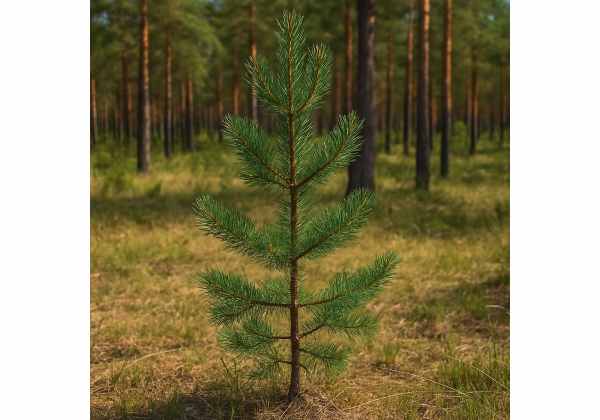
Scots pine is an evergreen conifer in the Pinaceae family, widely distributed across Europe and parts of Asia. It is easy to recognize by its orange-brown upper bark, blue-green needles, resinous scent, and compact cones. In medicine, however, the tree is not used as a single uniform herb. Different parts of Pinus sylvestris have different traditional roles and different chemical profiles. That is the first point readers need to understand if they want useful information rather than folklore stitched together under one plant name.
The most commonly used parts are the young spring shoots or buds, the needles, the resin, and the essential oil distilled from pine material. Young shoots and buds have a strong tradition in homemade syrups, teas, and infusions for cough, chest heaviness, and winter respiratory discomfort. Needles are sometimes infused, extracted, or included in aromatic baths. Resin has a more topical history and appears in household salves, ointments, and wound preparations. Essential oil is the most concentrated form and the one that demands the most caution. It may smell clean and familiar, but it is far more potent than a pine tea or syrup.
This distinction matters because people often speak about pine as though one benefit applies to every preparation. It does not. A folk syrup made from young shoots carries a different balance of compounds than a distilled essential oil rich in volatile terpenes. Likewise, a resin-based topical salve behaves differently from a bark extract studied in a laboratory. Even the commercial world adds confusion. Some “pine bark extract” supplements are based on other pine species, especially maritime pine, not on Pinus sylvestris. So if a person reads about pine antioxidants, pine respiration, and pine skin uses all in one sitting, they may actually be reading about several different pine-derived materials.
Historically, Scots pine was deeply practical. Ethnomedicinal records describe its shoots for coughs, asthma, tracheitis, and colds, its resin for dental or skin problems, and its aromatic vapors for breathing comfort. That pattern tells us something important. Pine was valued where smell, stickiness, and resinous strength were useful. It was not a gentle all-purpose tonic. It was a situational herb for airways, surfaces, and seasonal discomfort.
A good modern way to think about Scots pine is to separate it into four working categories:
- Shoots and buds: mostly folk respiratory use
- Needles: aromatic and mildly extractable plant material
- Resin: topical and protective household use
- Essential oil: concentrated volatile preparation with narrower safety margins
Readers who want a broader frame for aromatic respiratory herbs often compare pine with eucalyptus for cold and cough relief, but pine has a more resin-centered tradition and deserves to be judged on its own forms rather than by scent alone.
Pine Key Ingredients and Medicinal Properties
Scots pine’s medicinal profile begins with its volatile terpenes. Essential oils from pine are especially rich in monoterpenes, including alpha-pinene, beta-pinene, limonene, myrcene, delta-3-carene, and bornyl acetate, with sesquiterpenes and resin-related compounds contributing additional depth. These are the molecules most responsible for pine’s sharp forest aroma and for its long association with chest rubs, inhalations, and topical preparations. They are also the compounds that make pine more than a pleasant-smelling tree. In biological systems, many of them show antimicrobial, antioxidant, and locally stimulating behavior.
The chemistry does not stop with the essential oil. Pine shoots, needles, bark, and resin also contain polyphenols, tannins, resin acids, and related plant metabolites. Review literature on pine species shows that shoots and needles can supply ascorbic acid, phenolic compounds, and other antioxidant-related constituents, while bark extracts are often especially rich in polyphenols and tannins. This matters because pine’s value is not limited to aroma. Traditional pine syrups and shoot products likely benefited from a wider mix of compounds than the essential oil alone provides.
Medicinally, this chemistry points to four main property areas. The first is aromatic respiratory support. Pine’s volatile compounds help explain its traditional use for congestive coughs and chest heaviness. The second is antimicrobial potential, especially in essential oils and resin-rich fractions. The third is antioxidant activity, which appears in both bark and shoot extracts. The fourth is topical protective action, where resin and strongly aromatic fractions have historically been used on minor skin problems, dry cracks, and simple wounds.
Still, it is important not to overread the chemistry. A plant can contain interesting terpenes and phenolics without becoming a clinically proven remedy for serious disease. In Scots pine, the chemistry clearly supports biological activity, but the strength of evidence depends heavily on form. Essential oil data, in vitro antimicrobial findings, and bark-extract analyses do not all translate into the same level of practical benefit for home use.
Another useful distinction is between whole-plant tradition and compound-centered pharmacology. With pine, much of the whole-plant tradition is respiratory and topical. The modern lab story focuses more on essential oil composition, antimicrobial assays, oxidative-stress models, and extract characterization. Those two stories overlap, but they are not identical. Whole shoots in syrup do not behave like isolated terpenes, and a pine bath does not behave like a concentrated oil dropped onto the skin.
A practical summary of Scots pine chemistry looks like this:
- Monoterpenes: aromatic, volatile, and central to respiratory and topical use
- Polyphenols and tannins: tied to antioxidant and tissue-level effects
- Resin acids and sticky fractions: relevant to topical traditional use
- Needle and shoot nutrients: part of the food-herb side of the plant
People interested in aromatic plant chemistry often also explore thyme essential oil and aromatic applications, which helps show how strongly concentrated volatile herbs can shift from culinary to medicinal territory very quickly.
Potential Health Benefits and What the Evidence Shows
The most believable health benefits of Scots pine are respiratory comfort, topical support, and extract-level antioxidant or antimicrobial potential. But each of those comes with an important qualifier. The evidence is mixed across forms, and pine often performs best as a traditional support herb rather than as a stand-alone treatment.
Respiratory support is the headline use. Ethnomedicinal studies document Pinus sylvestris shoots used for coughs, asthma, tracheitis, and general respiratory complaints, often in syrup form. That long tradition fits the plant’s aromatic chemistry. Pine’s volatile compounds can create a clearer sensation in the nose and chest, and they may help explain why people have long turned to pine steam, pine shoot syrup, and resin fragrance during colds. Yet even here the evidence is not cleanly one-directional. An animal study on Scots pine essential oil inhalation found improved airway hyperreactivity and edema markers in mice, but it also found aggravation in some inflammatory parameters. In other words, pine aroma may help breathing mechanics while still being too complicated to treat as a simple anti-inflammatory tool.
That nuance is useful. Pine may help someone feel less congested, more open, or more comfortable during a short-lived respiratory illness. But it should not be presented as a proven therapy for asthma, infection, or inflamed airways in general. The plant’s traditional value is real. Its clinical certainty is not.
The second likely benefit area is antimicrobial and cleansing support. Essential oils from Scots pine and related pine species show antibacterial activity in laboratory testing, and some Scots pine cone oils performed well against certain gram-positive organisms. This supports the long folk use of pine in cleansing resins, topical balms, and household remedies. But a lab result is not a prescription. What it really tells the reader is that pine has enough antimicrobial promise to make its traditional uses understandable, especially for simple external applications.
The third benefit area is antioxidant support. Pine shoots, bark, and extracts contain polyphenols and tannins, and Scots pine bark extracts have shown antioxidant activity in vitro. This matters mostly as background value. It helps explain why pine has been explored in health products and functional foods, but it does not mean a homemade pine syrup becomes a cure for oxidative stress.
A balanced evidence-based reading looks like this:
- Most plausible: short-term aromatic respiratory comfort and traditional topical use
- Promising but preclinical: antimicrobial and antioxidant extract effects
- Not established: treating chronic lung disease, serious infection, or systemic inflammatory illness on its own
For readers looking for a gentler herb specifically for cough and irritated throat tissue, great mullein for cough and throat comfort usually offers a softer and easier herbal starting point. Pine is sharper, more resinous, and more preparation-dependent.
So the evidence does support pine as a meaningful traditional herb. It just supports it most strongly as a situational, form-specific remedy rather than a modern universal supplement.
Traditional Uses and Modern Practical Applications
Traditional pine medicine is practical medicine. It grew out of forests, cold seasons, sticky resin, and the need to use what was available. In that setting, Scots pine was not only admired; it was worked with. Shoots were turned into syrups, decoctions, and honey-like preserves for cough and chest complaints. Resin was softened into salves or applied in small household remedies for cracked skin, boils, or tooth discomfort. Fresh shoots were inhaled for their resinous scent, and pine-rich baths or rubs were used when the body felt chilled, sore, or weighed down by congestion.
One reason pine stayed important is that it fits several overlapping roles at once. It can act as a seasonal food-herb, a respiratory folk remedy, a resin source, and an aromatic topical plant. That range makes it highly useful in traditional settings. It also makes it easy to misuse today, because modern consumers may jump from one form to another without realizing they are no longer working within the same safety logic.
In practical current use, the most reasonable pine preparations are still the traditional ones:
- Pine shoot syrup: mainly for seasonal cough and throat support
- Needle or shoot infusions: light aromatic use rather than strong medicinal dosing
- Topical resin-based balms: for dry, intact skin or minor household skin uses
- Essential oil inhalation or chest rubs: only in controlled, diluted, short-term use
These uses make more sense than trying to force pine into unrelated wellness trends. Pine is not a general detox herb, not a routine daily adaptogen, and not a replacement for more clearly studied respiratory tools. Its best applications remain supportive, local, and seasonal.
Modern commercial use complicates the picture. “Pine” can appear in cough syrups, inhalation blends, cosmetic products, air fresheners, and essential oil bottles. But these products are not interchangeable. A syrup made from buds and sugar is a folk respiratory food. A distilled essential oil is a concentrated aromatic extract. A pine-scented cleaning product is not a medicinal preparation at all. Good use depends on respecting those differences rather than assuming that the word pine guarantees the same effect everywhere.
Traditional ethnomedicinal records from Transylvania are especially helpful because they show pine being used in grounded ways rather than abstractly. Scots pine shoots were collected in spring and turned into syrups for respiratory problems. Resin was used for skin dryness, furuncles, and even direct folk dental applications. Those details remind us that pine’s real history is not in generalized “immune boosting” language. It is in direct, hands-on use tied to cough, skin, and resin.
If someone wants a more standardized aromatic respiratory herb for short-term cold-season support, eucalyptus for cold and cough relief often makes more sense in modern products. Pine remains valuable, but its uses are strongest when they stay close to its traditional forms rather than drifting into generic supplement culture.
Dosage, Preparations, and Best Ways to Use Scots Pine
Dosage with Scots pine is not one number. It depends completely on whether you are using a folk syrup, a mild infusion, a resin-based topical preparation, or essential oil. The safest starting point is to treat pine as a preparation-sensitive herb, not as a plant with one universal dose.
For pine shoot syrup, traditional ethnomedicinal reports offer the clearest practical guide. They describe spring shoots cooked or layered with sugar or honey and then taken in teaspoon amounts or added in small amounts to tea. A cautious folk-use range is about 5 to 10 mL at a time, usually once to three times daily for short periods. This is best understood as a traditional home-use amount, not a clinically validated therapeutic dose. It can be reasonable for occasional throat and cough support, but it should not be stretched into long-term internal treatment.
Infusions of needles or young shoots are more variable and less standardized. They are better treated as light aromatic herbal preparations than as potent medicinal brews. In practice, people usually use small handfuls of fresh material or modest dried amounts in hot water, mostly for flavor, steam, or gentle respiratory comfort. Because pine can be resinous and strong, more is not automatically better. A mild preparation is often both safer and more pleasant.
Topical resin preparations also vary widely. Traditional salves and balms often combine resin with fat, wax, or oil to soften its intensity. These preparations can make sense for dry, intact skin and small areas of minor irritation, but they should not be used on large open wounds or treated like a substitute for proper wound care. Patch testing matters, because some people react to resinous products quickly.
Essential oil is where dosing gets hardest and mistakes become more costly. The safest rule is simple: do not ingest Scots pine essential oil casually. It is far more concentrated than tea or syrup, and route matters. Inhalation should be brief and light, not aggressive. Topical use should be diluted and confined to intact skin. Products designed for diffusing, bathing, rubbing, and swallowing are not interchangeable.
A practical form-by-form summary looks like this:
- Syrup: 5 to 10 mL at a time as a traditional folk-use amount
- Infusion: mild and short-term, mostly for aroma and comfort
- Resin balm: external use only, patch-tested first
- Essential oil: diluted, route-specific, and never assumed safe by default
The best way to use Scots pine is to match the form to the goal. For cough-season comfort, a syrup or light tea is more sensible than undiluted oil. For a chest rub, a prepared topical blend is better than improvising from a bottle. For digestion or peppermint-style soothing, pine is usually the wrong herb, and something like peppermint for digestive and cooling respiratory support is often a better fit.
Common Mistakes and How to Think About Pine Clearly
The biggest mistake people make with pine is assuming that all pine products are basically the same. They are not. Pine shoot syrup, needle tea, resin salve, essential oil, and commercial pine bark products do not share the same strength, chemistry, or safety profile. Once that misunderstanding takes hold, every other mistake becomes easier to make.
A second mistake is borrowing evidence from one form and applying it to another. A bark extract showing antioxidant activity does not automatically prove that a homemade syrup has the same health effect. An essential-oil study showing antimicrobial action in vitro does not mean a pine bath or steam inhalation will treat infection. A mouse model showing some improvement in airway reactivity does not prove that concentrated pine oil is a good idea for a person with inflamed lungs. The ability to keep form-specific evidence in its place is what separates good herbal reasoning from wishful thinking.
A third mistake is treating familiar scent as proof of gentleness. Pine smells clean, outdoorsy, and almost comforting, which makes people underestimate how active it can be. But strong-smelling terpene-rich plants often irritate as easily as they soothe. That is especially true when the oil is concentrated, the room is poorly ventilated, or the user already has a sensitive airway.
Another common error is using pine for the wrong type of problem. Pine fits best when the need is short-term and practical: seasonal congestion, mild throat irritation, a fragrant chest rub, or a traditional topical balm. It is not the right herb to self-prescribe for ongoing asthma, unexplained chronic cough, shortness of breath, persistent skin infection, or systemic inflammation. Those are situations where delay is riskier than the herb is helpful.
Poor sourcing is another issue. Wild pine must be identified correctly and harvested from clean areas. Trees growing near traffic, treated landscapes, industrial contamination, or heavy pollution are poor sources for medicinal material. Resinous trees can also carry environmental contaminants on their surfaces. Clean source material matters as much as plant identity.
A better way to think about Scots pine is to ask a few simple questions before using it:
- What exact pine preparation am I considering?
- Is the goal respiratory comfort, topical support, or something more serious?
- Does the evidence fit this form of pine, or a different form?
- Is there a simpler herb for the same job?
- Am I using pine to support care, or to postpone needed care?
Those questions keep pine in proportion. It is a useful traditional conifer, not a miracle medicine. For simple skin and wound-support traditions, many people are actually better served by herbs such as plantain for simple skin and mucosal support, which are easier to understand and usually easier to use safely.
Safety, Side Effects, Interactions, and Who Should Avoid It
Scots pine is safest when used modestly and in traditional-style forms, especially syrup and light infusions. The risks rise when the material becomes more concentrated, more prolonged, or more experimental. Essential oil deserves the most caution. It can irritate skin, mucous membranes, and sensitive airways, and it should never be treated as interchangeable with a tea or syrup.
Digestive irritation is one of the more likely problems with stronger internal use. Resinous plant material can be rough on sensitive stomachs, and concentrated preparations may cause nausea, burning, or loose stools. Topically, pine resin and pine oil can trigger redness, dermatitis, or stinging, especially on damaged skin or in fragrance-sensitive individuals. Inhalation may feel opening to some people but irritating to others, particularly if they already have reactive airways.
One of the most important safety lessons comes from the difference between symptom relief and inflammatory response. In an animal model, Scots pine essential oil improved some measures of airway function but also aggravated certain inflammatory markers. That means a pine inhalation that feels helpful is not automatically benign at the tissue level. This is one reason heavy inhalation around children, people with asthma, or those with inflamed airways is not a casual decision.
Pregnancy and breastfeeding are also caution zones. There is not enough high-quality evidence to endorse medicinal pine use in these settings, especially with essential oil or concentrated resin products. Children deserve extra care for the same reason. Their smaller size and more reactive airways make concentrated aromatic products harder to judge safely. For them, the familiar smell of pine should not be mistaken for a green light.
Another important warning is that adverse effects are possible even with “natural” respiratory remedies. A 2024 case report described Scotch pine-related liver injury in a person using pine for asthma. A single case does not prove frequent harm, but it does prove that serious reactions are possible and that pine should not be treated as risk-free. When a herb is used repeatedly, at higher doses, or in concentrated products, unusual reactions become more plausible.
Who should be especially cautious or avoid self-directed use?
- Pregnant or breastfeeding people
- Young children, especially around essential oil
- People with fragrance sensitivity or reactive airways
- Anyone with unexplained chronic cough, wheezing, or asthma flares
- People with active liver disease or a history of herb-related liver injury
- Anyone using concentrated pine products alongside multiple medications
The practical safety rule is simple. Food-like pine preparations used briefly and conservatively are one thing. Concentrated oils, heavy inhalation, and repeated self-treatment for serious symptoms are another. Pine belongs in supportive care, not in place of diagnosis or treatment.
References
- Pinus Species as Prospective Reserves of Bioactive Compounds with Potential Use in Functional Food—Current State of Knowledge – PMC 2021 (Review)
- The Importance of Pine Species in the Ethnomedicine of Transylvania (Romania) – PMC 2022 (Ethnomedicinal Study)
- Pinus sylvestris L. and Syzygium aromaticum (L.) Merr. & L. M. Perry Essential Oils Inhibit Endotoxin-Induced Airway Hyperreactivity despite Aggravated Inflammatory Mechanisms in Mice – PMC 2022 (Animal Study)
- Antimicrobial Activities of Essential Oils of Different Pinus Species from Bosnia and Herzegovina – PMC 2024
- Scotch pine-induced liver injury: A case report – PubMed 2024 (Case Report)
Disclaimer
This article is for educational purposes only and does not replace medical advice, diagnosis, or treatment. Scots pine has a real tradition in respiratory and topical herbal use, but its preparations vary widely in strength and safety. Essential oil, resin products, and repeated internal use should be approached carefully, especially in children, pregnancy, breastfeeding, asthma, or liver disease. Seek medical care promptly for shortness of breath, chest pain, wheezing, persistent cough, fever, skin infection, or suspected adverse reactions to pine products.
Please share this article on Facebook, X, or your preferred platform if you think a balanced, evidence-aware guide to Scots pine could help someone else.