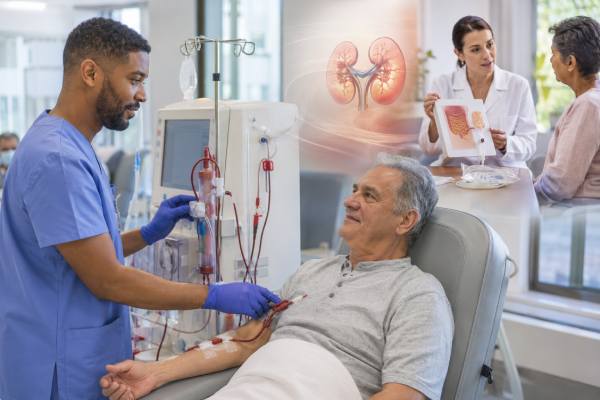
Dialysis is a treatment for kidney failure. It removes extra water, waste, and certain minerals from the blood when the kidneys no longer do enough of that work on their own. It does not make damaged kidneys healthy again, but it keeps the body in a safer balance and often improves symptoms such as swelling, nausea, itching, poor appetite, shortness of breath from fluid buildup, and severe tiredness.
The two main types are hemodialysis and peritoneal dialysis. Hemodialysis cleans the blood through a machine and filter outside the body. Peritoneal dialysis uses the lining of the abdomen as the filter and is usually done at home. Both treatments require planning, training, supplies, diet changes, and regular follow-up. The best choice is not simply the “stronger” or “easier” option. It is the option that fits your health, home setup, schedule, support system, access needs, and personal goals.
Table of Contents
- What Dialysis Does and What It Does Not Do
- When Dialysis Starts and How the Decision Is Made
- Hemodialysis Explained: Access, Sessions, and Daily Life
- Peritoneal Dialysis Explained: Catheter, Exchanges, and Home Routine
- Hemodialysis vs Peritoneal Dialysis: How to Compare Your Options
- Preparing for Dialysis Before the First Treatment
- Diet, Medicines, Fluid Limits, and Monitoring
- Problems to Watch For and When to Call the Dialysis Team
- Living With Dialysis: Work, Travel, Relationships, and Next Steps
What Dialysis Does and What It Does Not Do
Dialysis takes over part of the kidneys’ filtering job. Healthy kidneys work all day and night. They remove urea and other waste products, balance water and salt, help control potassium and acid levels, and keep blood pressure from rising because of fluid overload. Dialysis does these jobs in scheduled treatments rather than continuously, so the goal is control, not perfect replacement.
The word “dialysis” sounds like one treatment, but the method matters. Hemodialysis sends blood through tubing into a dialyzer, often called an artificial kidney. The dialyzer has a thin membrane that lets waste and extra fluid move out of the blood while cleaned blood returns to the body. Peritoneal dialysis puts sterile dialysis fluid into the abdomen. The peritoneum, the natural lining inside the belly, works as the membrane. Waste and extra water move from the blood vessels in that lining into the fluid, which is later drained out.
Dialysis helps with several urgent problems that happen in kidney failure:
- Too much fluid, causing swelling, high blood pressure, or shortness of breath
- High potassium, which can affect heart rhythm
- Acid buildup, which can cause weakness, rapid breathing, and worsening illness
- Uremic symptoms, such as nausea, poor appetite, confusion, itching, metallic taste, and severe fatigue
- Waste buildup that makes it hard to eat, sleep, think clearly, or maintain strength
Dialysis does not replace every kidney function. Damaged kidneys often stop making enough erythropoietin, a hormone that helps the body make red blood cells. That is why anemia in CKD often needs separate treatment. Kidney failure also affects phosphorus, calcium, parathyroid hormone, and vitamin D, so bone and mineral problems need monitoring even after dialysis begins. Dialysis also does not remove every toxin perfectly, cure heart disease, reverse diabetes, or remove the need for blood pressure care.
A practical way to think about dialysis is this: it creates a safer weekly rhythm for your body. Hemodialysis usually gives larger cleanings several times per week. Peritoneal dialysis gives smaller cleanings every day. Both approaches work, but they feel different in daily life.
When Dialysis Starts and How the Decision Is Made
Dialysis usually starts because kidney failure is causing problems that diet, medicines, and close monitoring no longer control. The decision is not based on one lab number alone. The kidney team looks at symptoms, eGFR, potassium, bicarbonate, fluid overload, nutrition, blood pressure, hospitalizations, and how quickly kidney function is falling.
Many people start discussing dialysis while they still feel reasonably well. That early planning matters. A fistula for hemodialysis needs time to mature. A peritoneal dialysis catheter needs time to heal before full use. Training, supply delivery, insurance details, transportation, and home space also take time. People who wait until an emergency often start with a temporary neck or chest catheter in the hospital, which is less ideal than planned access.
Dialysis planning usually becomes more concrete in advanced kidney disease, especially CKD stage 5. Some people begin treatment when eGFR is around 5 to 10, but the exact timing varies. A person with eGFR 9 who is eating well, breathing comfortably, and keeping potassium stable may be monitored closely. Another person with eGFR 12, repeated fluid overload, severe nausea, or uncontrolled potassium may need treatment sooner.
Symptoms that push the conversation forward include:
- Loss of appetite that does not improve
- Unplanned weight loss or muscle loss
- Nausea, vomiting, or a constant bad taste in the mouth
- Shortness of breath from fluid buildup
- Swelling that no longer responds well to diuretics
- Confusion, sleepiness, or trouble concentrating
- Severe itching
- Chest discomfort related to fluid overload or uremia
- Repeated high potassium or acid buildup
Starting dialysis is a medical decision, but it is also a life decision. A good dialysis plan includes the treatment type, access plan, diet plan, backup plan, emergency contacts, transportation plan, and transplant referral if transplant is an option. It should also include a conversation about conservative kidney management, which focuses on symptom control without dialysis or transplant. That option is especially relevant for people whose other illnesses make dialysis more burdensome than helpful.
Hemodialysis Explained: Access, Sessions, and Daily Life
Hemodialysis cleans blood through a machine. Most people picture in-center hemodialysis: treatments at a dialysis clinic, usually three times per week, often around four hours each time. Home hemodialysis is another option in some areas. It requires training, equipment, space, and often a partner or helper, but it offers more control over timing.
How blood gets to the machine
Hemodialysis needs vascular access, which means a reliable way to move blood from the body to the machine and back again. The access choice affects comfort, infection risk, how soon treatment can start, and long-term reliability.
An arteriovenous fistula is made by surgically connecting an artery to a vein, usually in the arm. Over weeks to months, the vein grows stronger and larger so dialysis needles can be placed into it. A fistula often lasts longer and has a lower infection risk than other access types, but it takes time and does not mature well in every person.
An arteriovenous graft uses a soft synthetic tube to connect an artery and vein. It is useful when veins are not strong enough for a fistula. A graft is often ready sooner than a fistula, but it has a higher risk of clotting and infection.
A central venous catheter is a tube placed into a large vein, often in the neck or chest. It works quickly, which makes it useful for urgent starts. It also has the highest infection risk and is usually treated as a bridge rather than the best long-term plan.
Good access planning is one of the most important parts of preparing for dialysis. Ask which access is recommended, when it should be placed, how it will be checked, and what signs of infection or clotting require a call.
What happens during a session
At the start of in-center hemodialysis, staff check weight, blood pressure, temperature, and access. Your starting weight is compared with your target or “dry” weight, which is the weight your team believes you would have without extra fluid. The difference helps determine how much fluid to remove.
Needles are placed into a fistula or graft. If you have a catheter, the catheter is connected to the machine using sterile technique. Blood flows through the dialyzer, returns to the body, and the machine tracks pressure, flow, and fluid removal. You usually sit or recline during treatment. People read, sleep, watch videos, work on a laptop, or talk with staff and other patients.
During treatment, some people feel cold, hungry, bored, restless, or tired. A drop in blood pressure can cause cramps, nausea, dizziness, yawning, sweating, or a washed-out feeling. These symptoms often relate to how much fluid is being removed and how fast it is removed. Bringing large fluid gains between treatments makes sessions harder because the machine has more fluid to remove in a limited time.
After treatment, staff remove the needles and hold pressure until bleeding stops. Some people feel better right away. Others need a few hours to recover, especially early in treatment or after aggressive fluid removal. The day after dialysis often feels easier than the treatment day.
What hemodialysis asks of you
Hemodialysis gives strong support from trained staff, which many people find reassuring. It also creates a fixed schedule. Missing or shortening treatments leads to fluid, potassium, and waste buildup. The two-day gap over a weekend is often the hardest stretch for people on a Monday-Wednesday-Friday or Tuesday-Thursday-Saturday schedule.
Daily life with hemodialysis usually means protecting the access arm, planning transportation, limiting fluid, watching high-potassium foods, taking medicines on schedule, and showing up even when you feel tired. The treatment is clinic-centered unless you choose home hemodialysis, so the clinic schedule becomes part of your weekly calendar.
Peritoneal Dialysis Explained: Catheter, Exchanges, and Home Routine
Peritoneal dialysis, often called PD, is usually done at home every day. It does not use needles for each treatment. Instead, a soft catheter stays in the abdomen. Dialysis fluid goes in through the catheter, sits inside the belly for a dwell time, then drains out with waste and extra fluid.
The catheter is usually placed several weeks before PD starts. That healing time lowers the chance of leaks and gives the dialysis team time to train you. The part of the catheter outside the body is capped and secured when not in use. Keeping the exit site clean and dry is a daily responsibility.
CAPD and automated peritoneal dialysis
Continuous ambulatory peritoneal dialysis, or CAPD, uses manual exchanges during the day. A typical exchange takes about 30 to 40 minutes. Many people do about four exchanges daily, though prescriptions vary. You drain used fluid, fill with fresh fluid, disconnect, and go about your day while the fluid dwells inside the abdomen.
Automated peritoneal dialysis uses a cycler machine, usually overnight. The machine performs several exchanges while you sleep. Some people also need a daytime dwell or a manual exchange, depending on body size, lab results, membrane function, and fluid needs. Automated PD appeals to people who want fewer daytime interruptions, but it requires setting up the machine nightly and sleeping connected to tubing.
PD is flexible, but it is not casual. It must be done consistently. Skipping exchanges lowers dialysis dose and raises the risk of fluid overload, high potassium, poor appetite, and feeling unwell.
What PD feels like
Most people do not feel waste leaving the blood. The noticeable part is the fluid in the belly. During filling, you may feel pressure, fullness, or a stretching sensation. During draining, some people feel tugging or brief discomfort, especially near the end of the drain. The belly often looks fuller when fluid is dwelling.
PD supplies take up space. Boxes of fluid, tubing, caps, masks, cleaning supplies, and the cycler need a clean storage area. A clean exchange area matters. Pets, fans, open windows, and clutter raise contamination risk during connection and disconnection. Training teaches hand hygiene, mask use, connection steps, exit-site care, and what to do after accidental contamination.
PD fluid contains glucose, a sugar that helps pull extra water from the blood. Some glucose is absorbed into the body. This can affect weight, blood sugar, appetite, and triglycerides, especially in people with diabetes. PD also removes protein, so the diet plan often includes enough high-quality protein while controlling sodium and phosphorus.
Infection prevention is part of the treatment
The major PD infection concern is peritonitis, an infection inside the abdominal cavity. Warning signs include cloudy drain fluid, abdominal pain, fever, nausea, or feeling suddenly unwell. Exit-site infection is another concern. Redness, swelling, crusting, drainage, tenderness, or a tunnel-like pain along the catheter path needs prompt attention.
PD teams take infection prevention seriously because early treatment protects the catheter and the peritoneum. You should know exactly whom to call, whether to save a cloudy drainage bag, and how quickly your unit wants you to start evaluation.
Hemodialysis vs Peritoneal Dialysis: How to Compare Your Options
The best dialysis choice is the one that fits your body and your life well enough to keep treatment consistent. Hemodialysis is more staff-supported and schedule-based. Peritoneal dialysis is more independent and home-based. Neither option is automatically better for everyone.
| Feature | Hemodialysis | Peritoneal dialysis |
|---|---|---|
| How it works | Blood leaves the body, passes through a dialyzer, and returns cleaned. | Dialysis fluid sits in the abdomen and draws waste and extra water through the peritoneal lining. |
| Usual location | Dialysis center; home hemodialysis in selected patients. | Home, work, or another clean place after training. |
| Typical schedule | Often three clinic sessions weekly, about four hours each. | Daily exchanges, either manual during the day or cycler-based overnight. |
| Access | Fistula, graft, or central venous catheter. | Abdominal PD catheter. |
| Needles | Usually needed for fistula or graft treatments. | No needles for routine exchanges. |
| Independence | Clinic staff do much of the treatment in-center. | You or a helper performs the treatment after training. |
| Storage needs | Little or none for in-center treatment. | Regular storage space for fluid boxes and supplies. |
| Main infection concern | Access infection, especially with catheters. | Peritonitis and catheter exit-site infection. |
| Diet and fluid pattern | Fluid and potassium limits are often stricter because treatment is intermittent. | Fluid limits may be less strict for some people, but sodium, phosphorus, calories, and protein need attention. |
| Best fit for | People who want staff support, have limited home space, or prefer not to manage daily home treatment. | People who want home treatment, flexible timing, no routine needles, and enough vision, hand strength, cleanliness, and storage space. |
Hemodialysis may fit better if you live alone and do not want responsibility for treatment setup, have unsafe or crowded housing, cannot store supplies, have severe abdominal scarring, or need close staff monitoring. It also suits people who prefer treatment to happen outside the home, even if travel is inconvenient.
Peritoneal dialysis may fit better if you want more control over schedule, live far from a dialysis center, work or care for family during the day, want to avoid routine needles, or value daily gentler treatment. It requires reliable technique. Poor vision, memory problems, severe tremor, repeated contamination, unsafe housing, or lack of clean storage can make PD harder unless strong support is available.
Some medical issues affect the decision. Large abdominal hernias, frequent diverticulitis, major abdominal surgery with adhesions, severe obesity with catheter problems, or inability to manage sterile steps may push the team away from PD. Severe heart instability during rapid fluid removal may push the team toward gentler or more frequent dialysis options. A person’s choice can also change over time. Someone may start with PD and later move to hemodialysis, or start urgently on hemodialysis and later switch to PD after training.
Preparing for Dialysis Before the First Treatment
Preparation reduces rushed decisions. Start by asking your kidney team which options are medically reasonable for you, not just which option is most common at the nearest center. Ask to meet a dialysis educator, a social worker, a renal dietitian, and, if available, people already living with different dialysis types.
For hemodialysis, preparation centers on vascular access. Protect the arm that may be used for a fistula or graft. Your team may tell you to avoid blood draws, IV lines, or blood pressure cuffs on that arm. Ask when vein mapping will happen, who will place the access, how long it needs to mature, and what backup plan exists if it does not work.
For PD, preparation centers on catheter placement, home setup, and training. Ask where supplies will be stored, how deliveries work, what the training schedule looks like, and how to keep pets away during exchanges. If you work, ask whether manual exchanges at work are realistic or whether nighttime cycler treatment fits better.
A simple preparation checklist includes:
- Current kidney labs, trend in eGFR, and reason dialysis is being planned now
- Dialysis option education, including home therapies
- Access referral and expected placement date
- Transplant referral if appropriate
- Medicine review, including diabetes medicines, blood pressure pills, diuretics, pain medicines, and supplements
- Dietitian visit for sodium, potassium, phosphorus, protein, and fluid guidance
- Vaccination review, including hepatitis B when recommended
- Transportation plan for in-center treatment
- Home storage and cleanliness plan for PD or home hemodialysis
- Emergency contact numbers for the dialysis unit
Transplant should be discussed early, not after years on dialysis. Some people qualify for listing before dialysis begins. A living donor transplant may even happen before dialysis is needed. If transplant is medically possible, ask about referral timing, testing, waiting list rules, and living donor evaluation. A good starting point is understanding kidney transplant basics alongside dialysis planning.
Diet, Medicines, Fluid Limits, and Monitoring
Dialysis changes the diet conversation, but it does not remove the need for a kidney-focused eating plan. Your exact targets depend on dialysis type, urine output, lab results, body size, diabetes, heart disease, appetite, and nutrition status.
Sodium is a major target for both types. Salty foods cause thirst and fluid retention. That makes hemodialysis sessions harder and increases swelling or blood pressure between treatments. On PD, extra sodium still drives thirst and fluid gain, even when treatments happen daily. Restaurant meals, processed meats, canned soups, frozen dinners, pickles, sauces, salty snacks, and seasoning blends are common sources.
Potassium needs a personalized plan. Hemodialysis patients often need to limit high-potassium foods because potassium rises between sessions. PD removes potassium more continuously, so some people on PD need more potassium rather than less. This is why copying another patient’s diet is risky. If your potassium is high, review high potassium risks with your care team and learn which foods and salt substitutes are the biggest issue for you.
Phosphorus often stays high because it is found in many protein foods and is hard for dialysis to remove fully. High phosphorus contributes to itching, bone disease, and blood vessel problems. Phosphate binders only work when taken with food. If you take them after the meal or forget them with snacks, they do less. Packaged foods with phosphate additives are often a bigger problem than natural phosphorus because additives are absorbed more easily. A renal dietitian can help with low-phosphorus food choices that still provide enough protein.
Protein needs usually increase after dialysis starts, especially with PD because protein is lost into the drained fluid. Poor appetite is common before dialysis, so rebuilding strength becomes a priority. Your team may track albumin, weight trends, muscle loss, and diet intake. Do not cut protein aggressively unless your kidney team tells you to do so.
Fluid limits depend heavily on urine output. Some people still make urine after starting dialysis, especially early. Others make very little. Hemodialysis patients with little urine output often need stricter fluid limits because fluid builds between sessions. PD patients may have more flexible limits, but fluid overload still happens if the prescription does not remove enough or sodium intake stays high.
Medicines also change. Blood pressure pills may need timing adjustments to prevent low pressure during hemodialysis. Diuretics may continue if you still make urine. Diabetes medicines often need review because appetite, glucose exposure from PD fluid, and kidney clearance affect blood sugar. Many people take phosphate binders, vitamin D-related medicines, iron, erythropoiesis-stimulating agents, bicarbonate in selected cases, stool softeners, or itch treatments. Bring an updated medicine list to every dialysis review, including over-the-counter pain relievers and supplements.
Problems to Watch For and When to Call the Dialysis Team
Dialysis teams expect phone calls. Calling early often prevents hospitalization, access loss, or a missed treatment. The most important rule is simple: report changes in access, breathing, mental status, fever, chest symptoms, severe weakness, or signs of infection promptly.
For hemodialysis access, check your fistula or graft daily. You should feel a vibration, often called a thrill. If the thrill is gone, weaker than usual, or the access looks swollen, red, hot, painful, or starts bleeding, call the dialysis unit or seek urgent care based on your instructions. Do not sleep with pressure on the access arm. Do not let anyone use that arm for blood pressure or routine blood draws unless your dialysis team says it is acceptable.
For a hemodialysis catheter, fever, chills during treatment, drainage, redness, loose dressing, or pain around the catheter needs quick attention. Catheter infections can become bloodstream infections. Keep the dressing dry and intact. Do not open or handle catheter caps yourself unless specifically trained to do so.
For PD, cloudy drain fluid is peritonitis until proven otherwise. Do not wait to see whether it clears on the next exchange. Abdominal pain, fever, vomiting, or new diarrhea with cloudy fluid deserves same-day contact. Exit-site redness, swelling, drainage, crusting, or tenderness also needs attention. A leak around the catheter, sudden poor drainage, or new swelling in the groin or scrotum should be reported.
Symptoms during or after dialysis deserve review too. Repeated cramps, dizziness, nausea, headaches, chest discomfort, or extreme post-treatment exhaustion may mean the fluid removal goal, dry weight, blood pressure medicine timing, treatment length, or dialysate prescription needs adjustment. Do not simply assume feeling terrible is the price of dialysis.
Get emergency help for severe shortness of breath, chest pain, fainting, confusion, seizure, severe weakness, uncontrolled bleeding from access, black or bloody stool, or signs of stroke. If you have no urine or suddenly much less urine before dialysis has started, review very low urine output warning signs and contact a clinician urgently.
Living With Dialysis: Work, Travel, Relationships, and Next Steps
The first month often feels overwhelming because dialysis changes the calendar, meals, energy, sleep, and sense of control. Most people settle into a more predictable routine after access issues, fluid goals, diet changes, and treatment timing are adjusted. Feeling better is often gradual. Appetite, sleep, swelling, breathing, and mental clarity may improve at different speeds.
Work is possible for many people, but the schedule needs planning. In-center hemodialysis may require early morning, evening, or weekend chair times. Home therapies may give more flexibility, but they still take hours and require setup, cleanup, supply management, and follow-up. If your job is physical, ask about lifting limits after access surgery and how to protect a fistula, graft, or PD catheter.
Travel is possible with planning. Hemodialysis travel requires arranging treatments at a dialysis center near your destination well ahead of time. PD travel often means shipping supplies or carrying enough for shorter trips, plus planning a clean place for exchanges. Keep a written prescription, supply list, medication list, recent labs, and dialysis unit contact information with you.
Exercise usually remains important. Walking, light resistance training, stretching, and balance work help protect muscle and independence. Access surgery, catheter healing, hernias, low blood pressure, neuropathy, and heart disease may affect the plan, so ask for clear limits. On hemodialysis, avoid heavy strain on the access arm unless cleared. On PD, ask about lifting limits, abdominal pressure, and hernia prevention.
Sex and relationships often change because of fatigue, body image, catheter concerns, erectile dysfunction, vaginal dryness, mood changes, or fear of hurting the access. These problems are common and treatable, but people often feel embarrassed to bring them up. Dialysis teams, nephrologists, primary care clinicians, urologists, gynecologists, and counselors all have roles depending on the issue.
Mood deserves direct attention. Dialysis can bring grief, anger, anxiety, relief, boredom, and decision fatigue in the same week. Persistent depression, panic, hopelessness, missed treatments, or withdrawal from family and friends should be treated as health concerns, not personal failure. Ask the dialysis social worker about counseling, transportation help, work protections, insurance questions, support groups, and financial resources.
Dialysis is also not always permanent in the same form. Some people switch modalities. Some receive a transplant. Some recover kidney function after acute kidney injury, although that is different from permanent kidney failure. Some choose conservative management later if dialysis no longer matches their health goals. The treatment plan should be revisited whenever your health, living situation, support, symptoms, or priorities change.
Before each major decision, ask your kidney team these questions:
- Which dialysis options are medically reasonable for me?
- What option best fits my heart health, diabetes, abdomen, blood vessels, and infection risk?
- What access should I plan for, and when?
- What would make this option unsafe or unsuccessful?
- What training, storage, transportation, or caregiver support will I need?
- How will this affect work, travel, sleep, food, fluids, and exercise?
- Am I eligible for transplant evaluation?
- Who do I call after hours, and what symptoms are urgent?
The right dialysis plan should make the treatment understandable, repeatable, and realistic. Good care is not only about clearing waste from the blood. It is also about protecting access, reducing symptoms, preserving strength, supporting daily life, and keeping future choices open.
References
- Choosing a Treatment for Kidney Failure 2026 (Official Patient Guidance)
- Home dialysis: conclusions from a Kidney Disease: Improving Global Outcomes (KDIGO) Controversies Conference 2023 (Conference Report)
- Managing the symptom burden associated with maintenance dialysis: conclusions from a Kidney Disease: Improving Global Outcomes (KDIGO) Controversies Conference 2023 (Conference Report)
- KDOQI Clinical Practice Guideline for Vascular Access: 2019 Update 2020 (Guideline)
- ISPD peritonitis guideline recommendations: 2022 update on prevention and treatment 2022 (Guideline)
- ISPD Catheter-related Infection Recommendations: 2023 Update 2023 (Guideline)
Disclaimer
This article is for education about dialysis options and what to expect. Dialysis planning, access placement, diet targets, fluid limits, infection treatment, and the timing of kidney failure treatment require guidance from a nephrologist and dialysis team who know your labs, symptoms, medical history, and home situation. Seek urgent medical care for severe shortness of breath, chest pain, confusion, fainting, uncontrolled bleeding, high potassium symptoms, fever with a dialysis catheter, or cloudy peritoneal dialysis fluid.