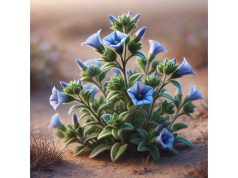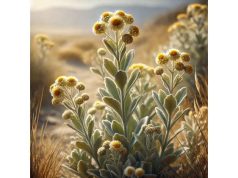
Elecampane is one of those old European herbs that still feels surprisingly relevant when discussed carefully. Botanically known as Inula helenium, it is a tall, sunflower-like plant whose aromatic root has been used for centuries in cough remedies, bitter digestive tonics, and warming herbal formulas. What keeps it interesting today is its unusual mix of traditional respiratory use and a chemistry that is genuinely active: the root contains inulin, sesquiterpene lactones such as alantolactone and isoalantolactone, essential oil components, and smaller amounts of phenolic compounds.
That said, elecampane is best understood as a traditional herb with promising laboratory data, not as a proven cure-all. Its strongest reputation is for easing thick mucus, supporting irritated airways, and stimulating sluggish digestion. At the same time, the same sesquiterpene lactones that give the root much of its activity can also trigger allergy and skin sensitivity in some people. Used well, elecampane can be a thoughtful, short-term herbal ally. Used casually, it can be more irritating than helpful.
Key Insights
- Elecampane is best known for traditional support of cough, bronchial congestion, and slow digestion.
- Its main active compounds include alantolactone, isoalantolactone, and inulin-rich root fiber.
- A traditional oral range is 1.5 to 4 g dried root decoction or 1.5 to 4 mL liquid extract, taken three times daily.
- People with ragweed or Asteraceae allergy should be cautious because elecampane may trigger dermatitis or irritation.
- Avoid medicinal use during pregnancy, breastfeeding, and in children unless guided by a qualified clinician.
Table of Contents
- What is elecampane and what is in it
- Does elecampane help the lungs
- Can it support digestion and microbes
- How to use elecampane root
- How much elecampane per day
- Side effects, interactions, and who should avoid it
- What the evidence actually says
What is elecampane and what is in it
Elecampane is a perennial herb in the Asteraceae family, the same broad botanical family that includes chamomile, yarrow, ragweed, and dandelion. It grows tall, produces large rough leaves and yellow composite flowers, and is valued mainly for its thick, aromatic root. Traditional European herbalism has long treated that root as both a lung herb and a bitter digestive herb, which already tells you something important: elecampane does not fit neatly into a single use category.
The chemistry helps explain why. Elecampane root is especially notable for two groups of constituents.
- Inulin-type fructans, which can make up a surprisingly large share of the root. Inulin is a storage carbohydrate and a well-known prebiotic fiber.
- Sesquiterpene lactones, especially alantolactone and isoalantolactone, which are widely considered the plant’s most pharmacologically active compounds.
The root also contains:
- Essential oil fractions
- Bitter principles
- Phenolic acids
- Flavonoids
- Small amounts of resins and sterol-like compounds
This is a useful example of why whole-herb discussion matters. Inulin helps explain elecampane’s nutritional and gut-supporting side. The sesquiterpene lactones explain much of its antimicrobial, anti-inflammatory, and also sensitizing potential. In other words, the same herb can soothe one system and irritate another, depending on the person, dose, and preparation.
Traditionally, elecampane was used in several ways:
- As a decoction for cough and chest congestion
- In syrups for persistent, wet, or irritating cough
- As a bitter tonic for weak appetite or sluggish digestion
- As a root preparation for occasional microbial or worm-related concerns in older herbal practice
Its taste and aroma also reveal a lot about how it behaves. Elecampane root is not mild and bland. It is bitter, resinous, and warming, with a camphor-like, earthy edge. Herbs with that profile often stimulate digestion, thin mucus, and feel more “moving” than cushioning.
Still, it helps to keep the root in context. Elecampane is not simply a source of inulin, and it is not just an antimicrobial plant. It is a chemically mixed herb whose actions reflect both fiber and potent secondary metabolites. That is why it can appear in a cough syrup, a digestive tonic, or a lab paper on sesquiterpene lactones and still make sense in each setting.
Does elecampane help the lungs
Respiratory support is the reason most people look up elecampane. In older herbal systems, it was commonly used for bronchial catarrh, lingering cough, thick mucus, and the kind of chest congestion that feels heavy rather than dry. That traditional reputation is still its clearest and most practical use case.
Elecampane appears to help the lungs in three overlapping ways.
- Its bitter-aromatic profile may encourage more mobile secretions.
- Its sesquiterpene lactones show anti-inflammatory activity in experimental models.
- Some of its compounds also show antimicrobial activity in laboratory research.
That does not mean elecampane is a substitute for antibiotics, inhalers, or formal treatment of pneumonia, asthma, or COPD. It means the herb has a rational traditional role when the goal is short-term support for an uncomplicated cough with mucus, post-viral chest irritation, or a sluggish, congested feeling in the airways.
In practical herbal terms, elecampane is often described as more suitable for a wet, stubborn, or boggy cough than for a very dry, scratchy throat. That is a useful distinction. If someone mainly needs a moistening coating herb, a gentler option such as marshmallow root for irritated throat tissue may be a better first match. Elecampane tends to be more stimulating, bitter, and active.
It is also often compared with other classic respiratory herbs. For example, great mullein for mucus-heavy coughs is usually regarded as softer and more demulcent, while elecampane feels more pungent and digestive at the same time. That dual action is part of its appeal in traditional formulas.
A realistic respiratory benefit profile would include:
- Loosening thick mucus
- Supporting expectoration
- Reducing the sense of chest stagnation
- Helping when cough and digestion seem linked, especially after illness
That last point is easy to miss. Elecampane has long been used when respiratory complaints coexist with poor appetite, bloating, or a “cold” sluggish stomach. Many old herbs were chosen by pattern rather than by a single diagnosis, and elecampane fits that model well.
Where people overreach is assuming that a respected cough herb must be strongly proven in clinical trials. It is not. The best support remains traditional use plus preclinical anti-inflammatory and antimicrobial research. That is enough to justify cautious, informed use. It is not enough to justify exaggerated claims for chronic lung disease, severe infection, or long-term respiratory self-treatment.
Can it support digestion and microbes
Elecampane’s digestive side is sometimes overshadowed by its cough reputation, but it is central to how the herb has traditionally been used. The root is distinctly bitter, and bitter herbs often stimulate digestive secretions, appetite, and that general sense that food is moving more normally through the upper digestive tract. If someone feels heavy, bloated, uninterested in food, or burdened by post-meal sluggishness, elecampane often makes more herbal sense than its respiratory image alone would suggest.
Its potential digestive value comes from more than one angle.
- Bitterness may help prime digestion before meals.
- Inulin may offer prebiotic support, especially when whole-root preparations are used.
- Traditional warming quality may make the herb feel helpful where digestion is slow and damp rather than inflamed and raw.
This is where comparison helps. If the main goal is a classic bitter aperitif, readers often compare elecampane with gentian as a stronger digestive bitter. Gentian is usually the clearer choice when the priority is appetite and digestive stimulation alone. Elecampane becomes more interesting when digestion and mucus seem to travel together.
There is also a long history of using elecampane in antimicrobial and antiparasitic contexts. Modern lab work gives some support to that tradition. Extracts and isolated compounds from elecampane root have shown activity against certain bacteria and fungi in vitro, especially against staphylococcal strains. That is scientifically meaningful, but it should not be confused with proven treatment of infection in people.
The same caution applies to worm-related historical use. Elecampane has been used as an anthelmintic in older traditions, but modern human evidence is too thin to recommend it as a dependable stand-alone remedy for parasites.
A more realistic summary is this:
- Elecampane may support weak appetite and slow digestion.
- Whole-root preparations may contribute some prebiotic value because of inulin.
- Root extracts show antimicrobial promise in lab settings.
- These effects do not make it a replacement for targeted treatment of infection, ulcers, or chronic digestive disease.
It is also important to separate whole-root decoctions from concentrated extracts. A decoction retains more of the traditional bitter-fiber character. A standardized extract focused on sesquiterpene lactones may behave differently and may also be more irritating. For many readers, that difference is more important than the herb name itself.
In practice, elecampane works best in digestion when the pattern is sluggish, cold, and congested. It is less obviously suited to people who are already sensitive, dry, reflux-prone, or irritated by strong bitters.
How to use elecampane root
Elecampane is used almost entirely as the root, and the form changes the experience quite a bit. A tea or decoction highlights the herb’s traditional, earthy, bitter character. A syrup softens that sharpness and is often preferred for cough formulas. Tinctures are more concentrated and convenient, while essential-oil style products are much less appropriate for casual self-use because the root contains sensitizing compounds.
The most common forms are:
- Dried root for decoction
- Liquid extract or tincture
- Syrup
- Powdered root, less commonly
- Topical preparations, only occasionally
A simple traditional approach for internal use is a decoction. That means the dried root is simmered rather than merely steeped. This makes sense because elecampane root is dense, aromatic, and woody compared with softer leaf herbs. Syrups are also common because the root’s bitterness can be intense, and honey or another sweet base can make it easier to take during a cough.
People often use elecampane in blends rather than alone. That can be smart, because the herb has a strong personality. In formulas, it is often paired with herbs that either soften it or focus it.
Examples include:
- A demulcent companion to reduce harshness.
- A respiratory herb that supports expectoration.
- A digestive bitter that sharpens pre-meal use.
- A sweet vehicle, such as syrup, to improve tolerance.
The best form depends on the goal.
- For thick, lingering coughs: syrup, tincture, or decoction
- For weak appetite or digestive stagnation: small amounts before meals, often as tincture or decoction
- For general wellness: usually not the best herb choice, because elecampane is more targeted than tonic
A practical caution is not to over-interpret the herb’s traditional status. “Traditional” does not mean casual. Elecampane is more active than many kitchen herbs, and its sesquiterpene lactones mean concentrated products deserve respect.
A few simple use principles help:
- Start with low amounts rather than aggressive dosing.
- Use it for a reason, not just because it is interesting.
- Favor short, purposeful courses over indefinite daily use.
- Avoid essential oil and highly concentrated topical use unless you know you tolerate it well.
This herb tends to reward a specific match. Used for a heavy, wet cough or a sluggish digestive pattern, it often makes sense. Used at random as a daily immune tonic, it is much less convincing.
How much elecampane per day
Elecampane dosing should be framed as traditional dosing, not strongly validated clinical dosing. That distinction matters. Unlike some widely standardized botanicals, elecampane sits in a space where traditional monographs and modern herbal practice still guide use more than large human trials do.
A traditional oral range often cited for the dried root is:
- 1.5 to 4 g of dried root or rhizome as a decoction
- 1.5 to 4 mL of a 1:1 liquid extract in 25% alcohol
- Taken three times daily
Those numbers are useful, but they should be handled with context. They are not proof that every person should use elecampane at the top of the range, and they are not a license for long-term unsupervised use.
A sensible way to think about dosing is this:
- Start low if you are new to the herb.
- Use the lowest amount that feels effective.
- Favor short courses for acute respiratory or digestive support.
- Stop if irritation, nausea, rash, or mouth sensitivity appears.
For example, someone trying elecampane for a thick, post-viral cough would usually do better with a modest short-term course than with a strong, indefinite daily routine. The same applies to digestive use. A small pre-meal amount may be enough; pushing the dose higher can simply make the herb harder to tolerate.
Timing also changes the effect.
- Before meals: more aligned with appetite and digestive stimulation
- Between meals or during the day: more common when the goal is cough support
- In syrup form: often easier to use when throat or chest irritation is the priority
There are also preparation differences to remember. A decoction emphasizes the whole root. A tincture may feel quicker and more concentrated. A syrup can be gentler on the throat. These are not interchangeable in sensation, even if they all count as “elecampane.”
One of the more honest points in elecampane dosing is that there is no reason to force the herb if it does not suit you quickly. Good herbal matching often shows itself early. If the taste is unbearable, the stomach feels irritated, or the cough becomes drier and less comfortable, that is useful feedback.
So the practical dosing message is simple: the traditional range exists, but elecampane is best used conservatively, with a clear purpose, and with more respect for tolerance than for chasing the highest possible dose.
Side effects, interactions, and who should avoid it
Elecampane is usually described as moderately safe in traditional amounts, but that description only holds when two important issues are respected: allergy and dose. The root’s sesquiterpene lactones are part of what makes the herb interesting, and they are also the main reason some people should avoid it.
The most relevant safety concern is allergic sensitivity, especially in people who already react to Asteraceae plants. That family includes ragweed, daisies, chrysanthemums, yarrow, and chamomile. If you have a history of contact dermatitis, plant-triggered rashes, or sensitivity to sesquiterpene-lactone-rich plants, elecampane deserves extra caution.
Possible side effects include:
- Mouth or throat irritation
- Heartburn or stomach upset
- Nausea at higher doses
- Skin rash or contact dermatitis
- Bitter aversion or digestive discomfort if the herb is simply a poor fit
Topical exposure may be more troublesome than people expect. Elecampane root oil and concentrated topical products are not a good place to “test” tolerance casually. The sensitizing potential of the plant is one reason it has not been embraced as a mainstream, approved medicinal herb in modern official monograph systems.
Who should generally avoid medicinal elecampane or seek guidance first:
- People with known Asteraceae allergy
- Pregnant or breastfeeding adults
- Children
- Anyone with a history of strong contact dermatitis to botanicals
- People with very sensitive stomachs or reflux aggravated by bitter herbs
- Anyone planning to use concentrated extracts for long periods
Documented drug interactions are not well characterized, which sounds reassuring until you remember what it really means: the data are limited. In practice, that means caution is sensible with:
- Multiple prescription medicines
- Highly concentrated extracts
- Topical use alongside other sensitizing botanicals
- Situations where allergy would be especially risky
Another point that deserves honesty: lack of strong interaction data does not equal proof of no interactions. It usually means the herb has not been studied well enough.
A balanced safety view of elecampane looks like this:
- For the right person, short-term oral use can be reasonable.
- For the allergy-prone person, it may be a poor choice.
- For pregnancy, lactation, and pediatric use, there is not enough modern safety evidence to be confident.
- For long-term routine supplementation, the case is weak.
If an herb leaves the mouth prickly, the stomach irritated, or the skin reactive, it is not “working through something.” It is signaling mismatch. With elecampane, listening to that signal is part of safe use.
What the evidence actually says
Elecampane is a good example of a herb with a strong traditional identity, interesting phytochemistry, and only modest clinical proof. That combination is common in herbal medicine, and it is where careful readers do best when they separate three different evidence levels: historical use, preclinical research, and human outcomes.
On the historical side, elecampane is well established. It has been used for cough, bronchial congestion, poor appetite, digestive heaviness, and occasional antimicrobial or antiparasitic purposes for a long time across European and related traditions. That is meaningful, especially when the herb’s chemistry fits the old use pattern.
On the preclinical side, the root is even more interesting. Research on elecampane and its major lactones has shown:
- Anti-inflammatory activity
- Antimicrobial and antifungal activity
- Cytotoxic effects in cancer cell lines
- Mechanistic activity involving inflammatory signaling pathways
- Respiratory relevance in cell-based inflammation models
That is enough to say the plant is pharmacologically active. It is not enough to say elecampane has proven clinical benefit for bronchitis, sinus infection, cancer, or chronic inflammatory disease.
The human evidence is the thinnest part. There are not many modern, stand-alone clinical trials of elecampane root itself. That gap matters because it is exactly where big herbal claims often outrun the evidence. It also helps explain why official modern monograph systems have been cautious. Some traditional dosage guidance survives in older herbal references, but broad regulatory enthusiasm has not followed.
This leads to a clear, practical conclusion.
- Best supported: traditional short-term use for mucus-heavy cough and sluggish digestion
- Promising but not proven: antimicrobial and anti-inflammatory actions relevant to respiratory and digestive complaints
- Clearly overhyped if presented as established: anti-cancer, anti-obesity, or broad disease-treatment claims based only on lab work
Elecampane is therefore not weak, but it is also not well proven in the modern clinical sense. Its value is strongest when used in a narrow, traditional way by someone who tolerates bitter Asteraceae herbs well.
That may sound less dramatic than many online herb profiles, but it is more useful. Readers do not need another herb described as miraculous. They need to know what elecampane is actually good at, where the evidence thins out, and when caution should override enthusiasm. By that standard, elecampane remains a worthwhile herbal root, but a focused one.
References
- From Monographs to Chromatograms: The Antimicrobial Potential of Inula helenium L. (Elecampane) Naturalised in Ireland 2022 (Review and Experimental Study)
- Back to the Roots—An Overview of the Chemical Composition and Bioactivity of Selected Root-Essential Oils 2021 (Review)
- Isoalantolactone: a review on its pharmacological effects 2024 (Review)
- Inula helenium and Grindelia squarrosa as a source of compounds with anti-inflammatory activity in human neutrophils and cultured human respiratory epithelium 2020 (Preclinical Study)
Disclaimer
This article is for educational purposes only and is not a substitute for medical advice, diagnosis, or treatment. Elecampane is a traditional herb with limited human clinical evidence and a meaningful allergy risk, especially for people sensitive to Asteraceae plants. Do not use it in place of evaluation for persistent cough, fever, chest pain, breathing difficulty, unexplained weight loss, gastrointestinal bleeding, or chronic digestive symptoms. If you are pregnant, breastfeeding, taking prescription medicines, or have a history of plant allergy, get individualized guidance before using medicinal preparations of elecampane.
If this article helped you, please share it on Facebook, X, or any platform your readers use most.