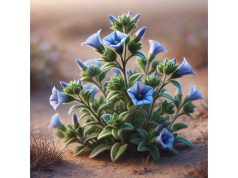
Elephantopus (Elephantopus scaber) is a traditional medicinal herb widely used across Asia, Africa, and parts of the Americas. Recognized by its rosette-like leaves and small purple flowers, the plant has been valued for centuries in Ayurvedic, Chinese, and folk medicine. Herbal traditions often rely on its leaves, roots, and whole plant to support immune health, digestive balance, and inflammatory conditions. In many communities, Elephantopus has been used to help with fever, skin infections, respiratory discomfort, and liver support.
Modern phytochemical research has revealed that the plant contains several bioactive compounds, including sesquiterpene lactones, flavonoids, and phenolic acids. These molecules appear to contribute to the herb’s antimicrobial, anti-inflammatory, antioxidant, and hepatoprotective properties. Although traditional use is extensive, contemporary research is still evolving, and clinical evidence remains limited compared with some better-known herbs.
Today, Elephantopus is most often discussed for its potential role in immune support, inflammation management, and digestive health. Understanding its active ingredients, safe preparation methods, and appropriate dosage ranges is essential before considering it as part of a herbal wellness routine.
Essential Insights
- Elephantopus may support immune function and help reduce inflammatory responses.
- Traditional preparations are used for digestive discomfort, mild infections, and liver support.
- Typical traditional doses range from 2–5 g of dried herb daily or 30–60 mL of decoction.
- High doses may cause digestive irritation or allergic reactions in sensitive individuals.
- Avoid medicinal use during pregnancy, breastfeeding, or when taking strong immunosuppressive medications.
Table of Contents
- What is Elephantopus and what is in it
- Potential health benefits
- Traditional and modern uses
- Dosage and preparation
- Side effects and safety
- Scientific evidence and research
- Practical considerations for use
What is Elephantopus and what is in it
Elephantopus (Elephantopus scaber) is a perennial herb belonging to the Asteraceae family, which also includes plants such as daisies and sunflowers. The herb is commonly found in tropical and subtropical regions, particularly in India, Southeast Asia, and Central America. Its broad leaves grow close to the ground, giving it the appearance of an elephant’s footprint—an origin of the plant’s name.
Traditional herbal medicine uses nearly every part of the plant. Leaves are often applied to skin conditions, while the roots and whole herb are commonly prepared as decoctions or powders for internal use. These preparations have historically been associated with detoxification, fever reduction, and digestive support.
The plant’s therapeutic potential largely comes from its complex phytochemical profile. Researchers have identified several groups of compounds believed to contribute to its biological effects.
Key constituents include:
- Sesquiterpene lactones: including elephantopin and deoxyelephantopin, often associated with anti-inflammatory and antimicrobial activity.
- Flavonoids: plant antioxidants that may support immune defense and reduce oxidative stress.
- Phenolic acids: compounds that contribute to antioxidant and anti-inflammatory properties.
- Sterols and triterpenes: molecules linked with immune modulation and cellular protection.
- Essential oils: present in small amounts and potentially contributing to antimicrobial effects.
These compounds help explain the herb’s wide range of traditional uses. Sesquiterpene lactones, for example, are also found in other medicinal plants known for immune and anti-inflammatory effects. Their presence suggests Elephantopus may influence inflammatory signaling pathways and microbial growth.
Another notable aspect is the plant’s antioxidant profile. Oxidative stress plays a role in chronic conditions such as cardiovascular disease, metabolic imbalance, and inflammatory disorders. Antioxidant compounds in Elephantopus may help neutralize free radicals and support cellular resilience.
Elephantopus also shares some chemical characteristics with other Asteraceae herbs used in traditional medicine. For instance, plants discussed in resources like echinacea health benefits and uses also contain sesquiterpene lactones that influence immune and inflammatory responses.
Overall, the plant’s bioactive composition suggests a multi-targeted herbal effect. Rather than acting through a single compound, Elephantopus likely works through a combination of antioxidant, anti-inflammatory, and antimicrobial mechanisms.
Potential health benefits
Elephantopus has a long history in traditional medicine systems where it is valued for its broad therapeutic range. While modern clinical evidence remains limited, laboratory studies and historical use suggest several possible health benefits.
One of the most discussed potential benefits is anti-inflammatory activity. Compounds such as elephantopin and deoxyelephantopin have demonstrated the ability to influence inflammatory signaling pathways in experimental models. Chronic inflammation is linked with numerous health issues including joint pain, metabolic disorders, and immune dysfunction. Herbs that help regulate inflammatory responses may therefore contribute to overall health support.
Another potential benefit is immune system support. Traditional practitioners often used Elephantopus to treat infections and fever. The antimicrobial compounds present in the plant appear to inhibit certain bacteria and fungi in laboratory conditions. Although this does not replace conventional treatment, it suggests a role for the herb in supporting the body’s natural defenses.
Liver support is another area frequently mentioned in herbal medicine. Some experimental studies indicate that extracts from the plant may protect liver cells from toxin-induced damage. Herbal traditions in parts of Asia have therefore used Elephantopus for conditions associated with digestive and hepatic stress.
Additional potential benefits include:
- Digestive support: Traditional decoctions may help relieve indigestion, bloating, or mild gastrointestinal discomfort.
- Antioxidant protection: Flavonoids and phenolic compounds help reduce oxidative stress.
- Skin health: Topical applications have historically been used for wounds, infections, and inflammatory skin conditions.
- Respiratory comfort: Some traditions use the herb to soothe cough or mild respiratory irritation.
These potential benefits share similarities with other herbs that support immune and inflammatory balance. For example, compounds with comparable biological actions are also discussed in research on turmeric bioactive compounds and health benefits, another plant known for anti-inflammatory properties.
It is important to emphasize that most of these findings come from laboratory or animal studies. Human clinical trials are relatively scarce, meaning that the herb’s effectiveness and ideal dosage remain areas of ongoing research.
Still, the combination of traditional experience and emerging scientific interest makes Elephantopus a compelling herb for further investigation. When used responsibly and with proper guidance, it may contribute to holistic wellness practices focused on immune balance, digestive comfort, and inflammatory regulation.
Traditional and modern uses
Across various cultures, Elephantopus has been used in multiple ways depending on local traditions and health practices. In Ayurvedic and Southeast Asian medicine, the herb is commonly prepared as decoctions, powders, or topical pastes.
One of the most prominent traditional uses is fever management. Herbal healers often prepared the plant as a decoction to help the body cope with febrile illnesses. While modern medicine offers more targeted treatments, these historical practices demonstrate how the herb was valued for its potential immune-supportive properties.
The plant has also been used for digestive complaints. Bitter-tasting herbs often stimulate digestive secretions, which may help improve appetite and reduce bloating. Elephantopus decoctions were traditionally consumed before or after meals to promote gastrointestinal comfort.
Common traditional applications include:
- Fever and infections
- Digestive disturbances
- Skin wounds or inflammation
- Respiratory irritation
- General detoxification
Topical preparations represent another significant use. Fresh leaves may be crushed into a paste and applied to wounds, insect bites, or inflammatory skin conditions. This practice likely stems from the herb’s antimicrobial and anti-inflammatory compounds.
In some regions, Elephantopus is also used as a tonic herb believed to strengthen the body after illness. Such tonic use often involves combining the plant with other herbs to create multi-ingredient formulations.
Modern herbalists sometimes compare Elephantopus with other bitter medicinal plants that support digestion and immune balance. For example, traditional bitter herbs described in gentian digestive herbal guide share similar appetite-stimulating properties.
Today, the herb may appear in herbal supplements, powdered extracts, or traditional herbal formulas. However, commercial availability varies by region, and quality control can differ between products.
Understanding the context of traditional use is important because herbal medicine often relies on whole-plant synergy rather than isolated compounds. Elephantopus has historically been used as part of broader healing systems that emphasize balanced diet, lifestyle, and combination herbal formulas.
Although modern applications continue to evolve, the plant’s traditional roles—as a digestive aid, immune supporter, and topical remedy—remain the most widely recognized uses today.
Dosage and preparation
Determining an appropriate dosage for Elephantopus can be challenging because standardized clinical guidelines are limited. Most dosage information comes from traditional herbal medicine and modern herbalist practice rather than large clinical trials.
The plant is typically used in several forms:
- Dried herb or powdered root
- Herbal decoction
- Alcohol extract or tincture
- Topical paste from fresh leaves
Each preparation method influences how much of the active compounds become available.
Traditional dosage ranges often cited by herbal practitioners include:
- Dried herb: approximately 2–5 grams daily, divided into two or three doses.
- Decoction: 30–60 mL, taken one to three times per day.
- Tincture (1:5 extract): 2–4 mL, up to three times daily.
A decoction is one of the most common preparations. The process generally involves simmering the dried plant material in water for 10–20 minutes. This helps extract bitter compounds and flavonoids from the plant tissue.
Typical preparation steps include:
- Measure about 2–3 grams of dried herb.
- Add the herb to 250 mL of water.
- Simmer gently for 15 minutes.
- Strain and drink once cooled.
Topical use is usually simpler. Fresh leaves may be crushed and applied directly to the skin, although this practice should be approached carefully to avoid irritation.
Dosage considerations often depend on several factors:
- Age and body weight
- Overall health status
- Sensitivity to bitter herbs
- Presence of other medications
Herbalists often recommend starting with the lowest effective dose and observing the body’s response. Bitter herbs like Elephantopus can stimulate digestion, but high amounts may cause stomach discomfort in some individuals.
Some practitioners combine the herb with other traditional plants to balance its effects. Similar combination strategies are used with herbs such as licorice root in traditional herbal formulas, which can help moderate bitterness and support digestive tolerance.
Because research on standardized extracts is still limited, individuals interested in using Elephantopus should consult a qualified healthcare professional or experienced herbal practitioner before beginning regular use.
Side effects and safety
Although Elephantopus has a long history of traditional use, safety considerations remain important. Like many medicinal herbs, it contains biologically active compounds that can affect multiple body systems. When used appropriately and in moderate amounts, the herb is generally considered well tolerated in traditional practice. However, excessive intake or improper preparation may increase the risk of adverse effects.
The most commonly reported side effects involve the digestive system. Because Elephantopus contains bitter compounds and sesquiterpene lactones, high doses may cause:
- Mild stomach irritation
- Nausea
- Diarrhea in sensitive individuals
- Increased gastric acidity
People with existing gastrointestinal sensitivity may therefore need to use smaller doses or avoid the herb altogether.
Another potential concern is allergic reaction, particularly in individuals sensitive to plants from the Asteraceae family. This plant family includes herbs such as ragweed and chamomile. Allergic reactions may present as skin rash, itching, or swelling.
Certain groups should exercise extra caution or avoid Elephantopus entirely:
- Pregnant or breastfeeding individuals, due to insufficient safety data.
- Children, unless guided by a qualified practitioner.
- Individuals with autoimmune conditions, because immune-modulating herbs could interact with treatment plans.
- People taking immunosuppressive medications.
Drug interactions are not well studied, but herbs with anti-inflammatory or immune-active properties may theoretically interact with medications affecting the immune system.
Topical use also requires caution. Applying crushed leaves to the skin may occasionally cause irritation or dermatitis, particularly if the skin barrier is already compromised.
Herbal safety principles suggest several general guidelines:
- Use moderate doses rather than large amounts.
- Monitor for signs of intolerance such as digestive upset or rash.
- Discontinue use if unusual symptoms appear.
- Seek professional advice before combining with medications.
Many herbs with similar anti-inflammatory compounds, such as those discussed in devils claw research and safety overview, also require careful dosing and monitoring.
Ultimately, responsible herbal use involves understanding both benefits and limitations. Elephantopus should be approached as a supportive herbal option rather than a replacement for medical treatment when serious illness is present.
Scientific evidence and research
Research on Elephantopus has expanded in recent decades as scientists explore its traditional medicinal applications. Much of the available evidence comes from laboratory experiments and animal studies examining the plant’s bioactive compounds.
One of the most studied molecules found in the plant is deoxyelephantopin, a sesquiterpene lactone. This compound has demonstrated anti-inflammatory and anticancer activity in experimental settings. Laboratory studies suggest it may influence cellular pathways related to inflammation and oxidative stress.
Several areas of research have attracted particular interest.
Anti-inflammatory effects
Experimental models show that extracts from Elephantopus may inhibit inflammatory mediators. These effects may explain why traditional medicine has used the herb for conditions involving swelling or irritation.
Antimicrobial activity
Studies indicate that plant extracts can inhibit the growth of certain bacteria and fungi in vitro. These findings support the herb’s historical use for infections and skin conditions.
Antioxidant properties
The presence of flavonoids and phenolic compounds gives the plant measurable antioxidant activity. Antioxidants help neutralize free radicals and protect cells from oxidative damage.
Potential anticancer activity
Preliminary research suggests compounds like deoxyelephantopin may affect cancer cell growth in laboratory conditions. However, these findings remain early-stage and should not be interpreted as clinical treatment evidence.
Despite promising laboratory findings, human clinical trials are still scarce. This means that many of the herb’s proposed benefits remain theoretical until larger studies confirm safety and effectiveness in people.
Researchers also note that the concentration of active compounds can vary depending on factors such as soil conditions, climate, and harvesting methods. This variability can influence the potency of herbal preparations.
Because of these limitations, Elephantopus is best viewed as a promising medicinal plant under investigation rather than a fully validated therapeutic agent. Continued research may help clarify which health conditions it may most effectively support.
For now, its strongest evidence remains the combination of long historical use and encouraging preclinical findings.
Practical considerations for use
For individuals interested in exploring Elephantopus as part of a herbal wellness approach, several practical factors can help ensure safe and effective use. Understanding sourcing, preparation, and context is just as important as knowing potential benefits.
First, quality of the plant material matters significantly. Herbal potency can vary depending on growing conditions, harvesting time, and processing methods. Ideally, dried Elephantopus should come from reputable suppliers that test for contaminants such as heavy metals or pesticides.
Second, consider the form of the herb. Whole-plant decoctions often provide a balanced range of compounds, while concentrated extracts may deliver stronger effects but require more careful dosing. Traditional herbal practice often favors milder preparations that reflect how the plant has historically been used.
Another key factor is individual tolerance. Bitter herbs can stimulate digestion and metabolic activity, but they may feel too intense for some people. Starting with a small amount and gradually increasing if well tolerated is generally the safest strategy.
Lifestyle context also plays an important role. Herbal remedies tend to work best when combined with supportive health habits such as balanced nutrition, hydration, and stress management.
Practical guidelines for using Elephantopus responsibly include:
- Choose high-quality, well-identified plant material.
- Begin with low doses and increase gradually if needed.
- Avoid long-term continuous use without professional guidance.
- Combine with healthy lifestyle practices for better results.
Finally, remember that herbal medicine is highly individualized. What works well for one person may not produce the same results for another. A qualified herbal practitioner or healthcare professional can help tailor the herb’s use to personal health needs.
When used thoughtfully and in the appropriate context, Elephantopus may offer supportive benefits as part of a broader integrative health strategy.
References
- Elephantopus scaber L.: A Review on Its Ethnopharmacology, Phytochemistry, and Pharmacological Activities 2020 (Review)
- Deoxyelephantopin: A Promising Natural Sesquiterpene Lactone with Anticancer Potential 2022 (Review)
- Pharmacological Activities of Elephantopus scaber and Its Bioactive Compounds 2024 (Review)
- Sesquiterpene Lactones: Biological Activities and Therapeutic Potential 2023 (Review)
Disclaimer
This article is provided for educational purposes only and does not constitute medical advice, diagnosis, or treatment. Herbal remedies such as Elephantopus may interact with medications or underlying health conditions. Always consult a qualified healthcare professional before using herbal products, particularly if you are pregnant, breastfeeding, taking prescription medications, or managing chronic illness. Never use herbal preparations as a substitute for professional medical care.
If you found this article helpful, consider sharing it on Facebook, X, or your preferred social platform to help others learn about traditional herbal medicine and evidence-based wellness practices.