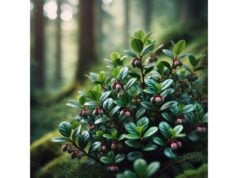
English lavender, botanically Lavandula angustifolia, is the classic lavender most people mean when they picture a calming herbal tea, a bedtime sachet, or a soothing floral aroma. Native to the Mediterranean and now cultivated widely across Europe and beyond, it is prized for a softer, sweeter scent than many other lavender types. That gentler profile reflects its chemistry: English lavender is especially rich in aromatic compounds such as linalool and linalyl acetate, which are closely tied to its relaxing reputation. In practical use, this herb is best known for easing mild nervous tension, supporting sleep quality, and helping the body feel less “wound up.” It is also used in baths, topical preparations, and traditional remedies for stress-related digestive discomfort. Still, the form matters. Tea, diluted essential oil, and standardized oral lavender oil do not act the same way or carry the same level of evidence. A useful guide to English lavender should therefore separate tradition from research, explain realistic benefits, and show how to use it with care.
Essential Insights
- English lavender is most useful for mild stress, anxious restlessness, and trouble winding down before sleep.
- Its best-studied compounds are linalool and linalyl acetate, which help explain its calming and soothing profile.
- A common adult tea range is 1 to 2 g dried flowers per cup, up to 3 times daily, while standardized oral lavender oil is often used at 80 mg once daily.
- Do not swallow ordinary essential oil unless the product is specifically made and labeled for oral use.
- Avoid medicinal use of concentrated lavender products during pregnancy, breastfeeding, or in children under 12 unless a clinician advises otherwise.
Table of Contents
- What is English lavender
- Key ingredients and medicinal properties
- Does English lavender help with stress and sleep
- Other uses and practical benefits
- How to use English lavender
- How much should you take
- Safety, interactions, and evidence limits
What is English lavender
English lavender is a small, woody, perennial shrub in the mint family, Lamiaceae. Despite its common name, it is not originally English; it comes from the Mediterranean region, where dry air, bright sun, and lean soil help the plant produce its aromatic oils. Over time, however, it became closely associated with English gardens and herbal traditions, which is why the name stayed.
The part used most often is the flowering top. Depending on the product, that may appear as dried blossoms, an infusion, a tincture, a bath preparation, or distilled essential oil. In medicinal discussions, Lavandula angustifolia is sometimes listed under older botanical names such as Lavandula officinalis or Lavandula vera. These names usually point to the same classic “true lavender” type.
One reason this species matters is that not all lavenders are interchangeable. English lavender differs from:
- French lavender (Lavandula stoechas), which has a sharper aroma and is used differently in traditional practice.
- Lavandin (Lavandula x intermedia), a hybrid of English lavender and spike lavender that often smells stronger and contains more camphor.
- Spike lavender (Lavandula latifolia), which is usually more stimulating and less gentle in scent.
For calming use, English lavender is often preferred because its fragrance is rounder, sweeter, and less harsh. That matters in real life. A bedtime tea or diffuser blend that feels soft and settling is more likely to be used consistently than one that smells medicinal or overpowering.
It also helps to separate three common categories:
- Dried flowers: usually used as tea, compresses, sachets, or bath additions.
- Essential oil: a concentrated distillate used by inhalation or diluted topical application.
- Standardized oral lavender oil: a medicinal-style capsule product with measured dosing, different from the bottle of essential oil sold for diffusers.
That last distinction is important. Much of the stronger modern research on anxiety has used standardized oral lavender oil, not homemade tea and not random essential oil drops. So while English lavender has a long traditional history, the way you use it changes both its effect and the confidence you can place in the result.
Key ingredients and medicinal properties
English lavender works through a mix of volatile oils and non-volatile plant compounds. The best-known active ingredients are linalool and linalyl acetate, which together shape both the herb’s fragrance and much of its medicinal profile. These are not the whole story, but they are the leading characters.
Here are the main compounds to know:
- Linalool: often linked to calming, sedative-like, and tension-reducing effects.
- Linalyl acetate: contributes to the characteristic scent and appears to support lavender’s relaxing profile.
- Terpinen-4-ol, lavandulol, and related terpenes: part of the aromatic fraction that may contribute to antimicrobial and soothing actions.
- Rosmarinic acid and other phenolic compounds: associated with antioxidant and anti-inflammatory activity.
- Flavonoids, coumarins, and tannins: present in smaller amounts, especially in flower-based preparations such as tea and tinctures.
In practical herbal terms, English lavender is usually described as having these medicinal properties:
- Calming and mildly anxiolytic
- Sleep-supportive
- Carminative, meaning it may help ease gas and digestive discomfort
- Antispasmodic, meaning it may help relax mild cramping or tension
- Anti-inflammatory
- Mildly antimicrobial, mainly in topical or laboratory contexts
A useful way to think about lavender is that it is less of a “forceful sedative” and more of a nervous system modulator. It does not usually knock people out. Instead, it can soften the body’s stress tone: the tight shoulders, the restless mind, the unsettled stomach, the sense that bedtime has arrived but the body has not.
Its chemistry also helps explain why different preparations feel different. Essential oil is dominated by volatile compounds, so it acts largely through aroma and rapid sensory pathways. Tea brings in a broader plant matrix, but at a gentler intensity. Standardized oral lavender oil provides a more concentrated, repeatable dose and is one reason clinical studies have shown more consistent results than everyday tea use alone.
Another practical point is quality. English lavender’s effects depend heavily on species, harvest timing, storage, and whether the oil has oxidized or been adulterated. A fresh, well-made product rich in the expected aromatic profile is not the same as an old bottle sitting uncapped in a warm bathroom cabinet. For the same reason, English lavender is often preferred over rougher chemotypes when the goal is calming rather than stimulation.
If you compare herbal aromatics more broadly, lavender shares some overlap with mint-family plants, but its balance is unique: more floral than peppermint, less lemony than lemon balm for gentle calming support, and usually better suited to evening use than stimulating kitchen herbs.
Does English lavender help with stress and sleep
This is the question most readers care about, and it is where English lavender has its strongest modern reputation. The honest answer is yes, but with limits. Lavender seems most helpful for mild to moderate nervous tension, anxious restlessness, and difficulty settling into sleep, especially when used regularly rather than once in a while.
For stress, the herb tends to work in two overlapping ways. First, the aroma itself can shift how the body feels in the moment. Many people notice slower breathing, less mental agitation, and an easier time stepping out of “alert mode.” Second, standardized oral lavender oil has shown more structured benefits in clinical settings for anxiety symptoms, especially when taken daily over several weeks.
For sleep, English lavender is more about quality and ease of winding down than about dramatically increasing total sleep time. In real-world terms, that may mean:
- Falling asleep with less mental chatter
- Feeling less tense at bedtime
- Waking less from stress-related restlessness
- Experiencing a more restful bedtime routine overall
What it usually does not do is act like a strong sedative drug. If someone has severe insomnia, sleep apnea, panic attacks at night, major depression, or untreated trauma-related sleep problems, lavender is unlikely to be enough on its own.
The form makes a difference here:
- Aromatherapy or inhalation can be useful when the main goal is quick relaxation and a gentler bedtime cue.
- Tea may help when tension, digestion, and bedtime routine all blend together.
- Standardized oral lavender oil has the most convincing evidence for anxiety-style symptoms because the dose is fixed and studied directly.
This is why some people say lavender “works,” while others say it “did nothing.” Often they are using entirely different forms. A diffuser running for 20 minutes before bed is not the same as drinking a weak tea at random times, and neither is the same as taking a standardized capsule every day for six to ten weeks.
English lavender can also fit well into a broader calming routine. It tends to perform best when paired with low light, reduced evening stimulation, steady sleep timing, and less late-day caffeine. In that sense, it is not merely an herb; it is also a behavioral cue that tells the body the day is ending. Readers comparing plant options sometimes also look at passionflower for sleep support, which is often discussed when nighttime stress is the main concern.
The key expectation is this: English lavender is good at taking the edge off. It is not a cure-all, but for the right person and the right problem, that edge matters a great deal.
Other uses and practical benefits
Although stress and sleep get most of the attention, English lavender has several other traditional and practical uses. These do not all carry the same level of evidence, but many make sense when you understand the plant’s soothing, aromatic, and mildly antispasmodic nature.
One common use is stress-related digestive discomfort. Lavender tea is sometimes used when the stomach feels tight, bloated, unsettled, or “nervous.” This is not because it is a powerful digestive stimulant. It is more that the herb can help relax the body when digestion is being disrupted by tension. People often reach for it after an anxious day, a heavy meal, or an evening when stress seems to sit directly in the gut.
English lavender is also used for:
- Mild cramping sensations
- A sense of abdominal fullness or gas
- Head tension linked to stress
- Restlessness during periods of emotional overload
- Supportive self-care in baths and bedtime rituals
Topically, diluted lavender oil is commonly used for massage, skin comfort, and a sense of muscular ease. A few drops in a carrier oil can turn a hand, neck, or shoulder massage into something more relaxing, especially when tension and poor sleep feed each other. That said, this is supportive care, not a treatment for an injury or inflammatory disorder.
Another traditional use is as a bath herb. This is an older and often overlooked preparation. A lavender bath combines aroma, warmth, and full-body relaxation, which can be helpful when someone feels physically and mentally overstimulated. It is not magic, but it is a sensible route when the goal is to lower overall body tension rather than target a single symptom.
For home use, dried English lavender also has a practical role in sachets, pillow blends, linen storage, and calming sensory rituals. These uses are less “medical,” but they still matter. A herb that gets used consistently in daily life may produce more benefit than a stronger product that sits unopened.
Still, it is important to stay realistic. English lavender is not a substitute for antibiotics, prescription sleep treatment, or evaluation of ongoing abdominal pain. If symptoms are persistent, worsening, or accompanied by red flags such as vomiting, weight loss, fever, chest pain, or marked anxiety impairment, self-treatment is not enough.
For readers who want a similarly gentle herb for digestive calm, chamomile for digestive and relaxation support is often compared with lavender. Chamomile is usually milder in aroma but often more familiar as a stomach-settling tea, while lavender may be stronger as a scent-driven calming herb.
How to use English lavender
English lavender can be useful in several forms, and choosing the right one matters more than many people realize. The best form depends on whether your goal is rapid relaxation, bedtime support, digestive calm, or a more standardized daily approach for anxiety symptoms.
Here are the main ways people use it.
Tea or infusion
This is the gentlest traditional form. It is best for people who want a calming ritual, mild digestive settling, or a light bedtime herb.
A basic approach is:
- Use dried English lavender flowers, not ornamental potpourri.
- Steep the flowers in hot water for about 5 to 10 minutes.
- Drink slowly, ideally in a low-stimulation setting.
Tea works best when the herb itself is part of a routine. The warmth, aroma, and pause all contribute.
Inhalation and aromatherapy
This is often the most direct route for immediate calming. It can be done with:
- A diffuser
- A few drops on a tissue or cotton pad
- Steam inhalation used carefully and briefly
- A bedside sachet of dried flowers
This method is especially appealing for people who do not want to swallow anything, or who respond strongly to scent.
Diluted topical use
Lavender essential oil is often mixed into a carrier oil or unscented lotion for:
- Neck and shoulder massage
- Temples, avoiding the eyes
- Hands, feet, or pulse points
- Evening body oil after a bath or shower
Topical use should always be diluted. Neat, undiluted essential oil is more likely to irritate skin, especially with repeated use.
Oral lavender oil products
This is the most “clinical” route and the one most often used in anxiety studies. These are not ordinary essential oils from dropper bottles. They are manufactured oral products with measured amounts and quality controls. That distinction cannot be overstated.
Baths and compresses
Lavender can also be used:
- In bath additives
- In a muslin bag of dried flowers placed in bathwater
- As a cooled infusion for a simple compress
A good rule is to match the form to the problem. Choose tea for gentle daily calm, inhalation for quick sensory support, diluted oil for massage and ritual, and standardized oral products when a repeatable dose is the priority. Some readers who prefer gentler daytime herbal teas also compare lavender with lemon balm for daytime calm and mild tension, especially when they want less floral intensity.
How much should you take
Lavender dosing depends completely on the preparation. The most common mistake is to treat dried flowers, essential oil, and oral lavender oil capsules as if they were interchangeable. They are not.
Common adult ranges
- Tea from dried flowers: 1 to 2 g dried flowers per cup, usually in about 150 to 250 mL of hot water, up to 3 times daily.
- Standardized oral lavender oil: often 80 mg once daily; some studies have used 160 mg daily under more controlled conditions.
- Tincture: product strengths vary, so follow the label rather than guessing from old herbal formulas.
- Diffuser use: commonly 2 to 4 drops in a diffuser session, often for 15 to 30 minutes.
- Topical diluted oil: around 1 to 2 percent dilution is a cautious adult range for routine skin use.
- Bath use: traditional sources describe lavender bath additives or dried flowers used in warm baths rather than direct essential oil poured into water.
Timing matters
For different goals, timing can change the experience:
- For sleep: 30 to 60 minutes before bed is the most common window.
- For daily tension: a morning or midday capsule may be used if the product is intended for daytime calm rather than drowsiness.
- For digestive discomfort: tea after meals or during stress-triggered stomach upset is common.
- For aromatherapy: use when you are actually transitioning into rest, not while multitasking in a bright, noisy environment.
How long should you use it
Tea and inhalation can be used as needed, but benefits for sleep and anxiety often show up more clearly with regular use over 2 to 6 weeks. Standardized oral lavender oil in research is often studied for 6 to 10 weeks.
Dose adjustment factors
You may need a more conservative approach if you:
- Are sensitive to fragrances
- Take sedating medications
- Are older and more prone to dizziness
- Have reactive skin
- Are trying lavender for the first time
The safest strategy is to start low, use one form at a time, and watch for both benefit and unwanted effects. Increasing three things at once, such as tea, diffuser, and topical oil together, makes it hard to tell what is helping or irritating you.
Safety, interactions, and evidence limits
English lavender is generally well tolerated when used appropriately, but it is not risk-free. The biggest safety issue is that people often assume “lavender” is one simple substance. In reality, a cup of tea, a diffuser oil, and a swallowed concentrated oil capsule create very different exposures.
Common side effects
For everyday use, side effects are usually mild, but they can happen.
- Tea: may occasionally cause stomach upset in sensitive users.
- Inhalation: can trigger headache, nausea, or irritation in people who dislike or overreact to strong scents.
- Topical use: may cause redness, itching, or contact dermatitis, especially if the oil is oxidized or used undiluted.
- Oral lavender oil capsules: can cause belching, a lavender aftertaste, mild nausea, or digestive discomfort.
Who should be cautious or avoid it
Medicinal lavender products deserve extra caution in:
- Pregnancy and breastfeeding: safety data are limited, especially for concentrated forms.
- Children under 12: traditional medicinal guidance is more cautious for essential oil preparations and oral products.
- People taking sedatives, sleep medicines, or anti-anxiety drugs: additive calming effects are possible.
- People with fragrance allergy or sensitive skin: topical and inhaled forms may irritate.
- Those with asthma or scent-triggered symptoms: inhalation may not feel soothing.
- Anyone planning surgery: discuss regular use of concentrated calming products with a clinician.
A very important rule is this: do not ingest ordinary essential oil unless it is specifically made, labeled, and dosed for oral use. A diffuser bottle is not the same as a medicinal oral capsule.
Practical interaction concerns
Lavender may be more likely to cause problems when combined with:
- Alcohol in large amounts
- Prescription sedatives
- Some sleep aids
- Other strongly calming herbs used at the same time
That does not mean it is forbidden in every case, only that layering calming agents deserves thought.
What the evidence really shows
English lavender has better evidence for anxiety-related symptoms and sleep support than for most of its other traditional uses. The most convincing data come from standardized oral lavender oil for anxiety and from aromatherapy-style use for sleep quality in some groups. Evidence for digestive relief, topical benefits, and general wellness use is more traditional or indirect.
It is also worth noting the limits:
- Many sleep studies are small.
- Aromatherapy studies can be hard to blind well.
- Tea is less studied than standardized products.
- Results may not transfer from one lavender species or preparation to another.
- “Possible benefit” is not the same as proven treatment.
That does not make English lavender unhelpful. It means the best-supported claim is modest and specific: true English lavender can be a useful calming herb, especially for mild stress, anxious restlessness, and trouble winding down, when used in the right form and with sensible expectations.
References
- Efficacy of Silexan in patients with anxiety disorders: a meta-analysis of randomized, placebo-controlled trials – PubMed 2023 (Meta-Analysis)
- A critical review on clinical evidence of the efficacy of lavender in sleep disorders – PubMed 2022 (Review)
- Effects of Lavender on Anxiety, Depression, and Physiological Parameters: Systematic Review and Meta-Analysis – PubMed 2021 (Systematic Review)
- A review of the bioactive components and pharmacological properties of Lavandula species – PMC 2023 (Review)
- Assessment report on Lavandula angustifolia Miller, aetheroleum and Lavandula angustifolia Miller, flos 2012 (Regulatory Assessment Report)
Disclaimer
This article is for educational purposes only and is not a diagnosis or a substitute for medical advice. Herbs and essential oils can cause side effects, trigger allergies, and interact with medicines. Seek professional guidance before using concentrated lavender products if you are pregnant, breastfeeding, taking prescription sedatives, managing a mental health condition, or treating a child. Persistent anxiety, insomnia, abdominal pain, skin reactions, or breathing symptoms deserve proper clinical evaluation.
If this guide was helpful, please share it on Facebook, X, or any platform your readers prefer.