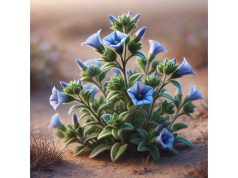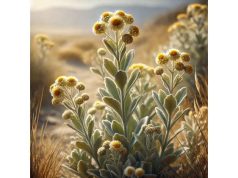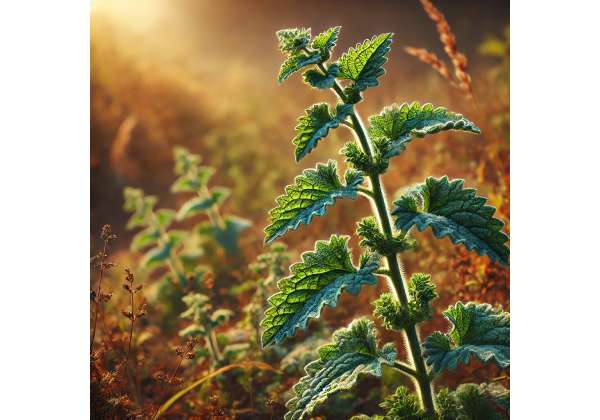
Epazote is a bold, resinous herb best known in Mexican and Central American cooking, where a few leaves can transform a pot of beans, mushrooms, or corn. Botanically called Dysphania ambrosioides, it is also known as Mexican tea, wormseed, and paico. Its flavor is difficult to compare neatly: pungent, green, slightly citrusy, and almost medicinal. That distinctive profile comes from a volatile oil rich in powerful aromatic compounds.
Traditionally, epazote has been used for digestive discomfort, intestinal parasites, cramps, and occasional respiratory complaints. Modern research gives some support to its antispasmodic, antimicrobial, and antiparasitic potential, but the picture is uneven. The leaf used in cooking is not the same as a concentrated extract or essential oil, and that distinction matters because epazote’s strongest compounds can also raise safety concerns.
For most readers, the most sensible way to approach epazote is as a culinary herb with traditional medicinal interest, not as a casual home remedy to take in large amounts. Small food-level use can be useful and flavorful. Concentrated use requires much more caution.
Quick Facts
- Small culinary amounts may help make bean dishes feel easier to tolerate while adding a strong, savory herbal note.
- Epazote contains volatile compounds with antiparasitic and antimicrobial activity in laboratory and animal research.
- Culinary use is usually modest, often about 1 to 3 fresh sprigs or roughly 0.25 to 0.5 teaspoon dried leaf for a family-sized pot.
- Concentrated epazote oil is not appropriate for self-dosing because its safety margin is much narrower than the fresh or dried leaf.
- Pregnant people, children, and anyone with seizure, liver, or kidney concerns should avoid medicinal use.
Table of Contents
- What is epazote and what is in it
- Key ingredients and aroma chemistry
- Does epazote help digestion
- Antiparasitic and medicinal properties
- How to use epazote
- How much epazote per day
- Side effects and who should avoid it
- What the evidence really says
What is epazote and what is in it
Epazote is a leafy aromatic herb in the amaranth family. It grows widely across Latin America and has naturalized in many warm regions. The plant has narrow, irregular leaves, a penetrating scent, and tiny green flowers that are easy to overlook. In everyday cooking, the leaves and tender stems are the parts most often used. In traditional medicine, however, the leaves, seeds, whole aerial parts, and especially the essential oil have all been used in different ways.
One of the most useful distinctions is between epazote as food and epazote as medicine. As food, it is usually added in small amounts, often to beans, soups, mushrooms, corn dishes, or quesadillas. In that role, it works almost like a seasoning with attitude. It is there for aroma, depth, and, according to long tradition, to make heavy dishes feel less burdensome. In medicinal settings, the plant has been used in teas, decoctions, poultices, and historically even as an antiparasitic remedy.
Epazote also has many regional names. Readers may encounter Mexican tea, Jesuit’s tea, wormseed, paico, mastruz, or Chenopodium ambrosioides, its older scientific name. That older name still appears in many research papers, so it is worth recognizing when reading the literature. The current botanical name is Dysphania ambrosioides.
The herb’s reputation comes from two things at once:
- Its striking culinary role in Latin American food
- Its long history as a household remedy for gas, cramps, worms, and minor infections
That combination can make epazote sound more established medicinally than it really is. Tradition is rich, but modern clinical evidence is limited. This does not make the plant unimportant. It simply means it should be used with the right level of respect.
Another important point is that the smell signals potency. Epazote is not a mild kitchen green. Its volatile compounds are biologically active, and the same chemistry that gives the plant its famous digestive and antiparasitic reputation also explains its toxicity in concentrated forms. That is why the fresh leaf used in a pot of beans is very different from the essential oil taken like a supplement.
In the kitchen, epazote often shares space with strong herbs such as cilantro, but its character is harsher, deeper, and more medicinal. That intensity is part of its appeal, and also part of the reason moderation matters.
Key ingredients and aroma chemistry
Epazote’s chemistry is the key to understanding both its benefits and its risks. The plant contains a volatile oil made up mainly of monoterpenes and related aromatic compounds. Among these, ascaridole is the best known because it has long been linked to epazote’s traditional antiparasitic activity. It is also one of the main reasons concentrated preparations require caution.
Other compounds commonly reported in epazote include:
- Alpha-terpinene
- p-cymene
- limonene
- carvacrol
- caryophyllene oxide
- flavonoids
- phenolic acids
- tannins and other plant secondary metabolites
This list matters for a practical reason: epazote is not a one-compound herb. Its effects likely come from a combination of volatile oils, antioxidant compounds, and bitter or pungent plant chemicals that influence digestion, microbial growth, and smooth muscle activity.
There is also a major challenge with epazote: chemical variability. The exact composition can shift according to the plant’s growing region, soil, harvest time, plant part, and preparation method. That means one bunch of fresh epazote may not be chemically identical to another, and an essential oil can be much stronger and less predictable than a simple leaf infusion. This lack of standardization is one reason epazote has not become a straightforward modern herbal supplement.
The best-known compounds tend to work in a few broad ways:
- Volatile terpenes may influence microbial growth
- Certain fractions appear to have antispasmodic or myorelaxant actions
- Polyphenols may contribute antioxidant effects
- Bitter and aromatic compounds may stimulate digestive responses
What is especially important is the difference between whole leaf and essential oil. The whole leaf delivers flavor and a lower, more diffuse exposure to active compounds. The oil condenses those compounds into a far more concentrated form. That concentration may increase pharmacological activity, but it also shrinks the safety margin.
In that sense, epazote behaves very differently from gentle culinary herbs. Like oregano, it owes much of its profile to volatile compounds, but epazote’s traditional medicinal chemistry is sharper and less forgiving. A person seasoning dinner with a few leaves is using the plant in one way. A person swallowing concentrated oil is entering a completely different risk category.
For readers trying to make sense of “key ingredients,” the cleanest summary is this: ascaridole explains much of epazote’s historic fame, while the broader mix of terpenes and phenolics explains why the plant shows digestive, antimicrobial, and antioxidant potential. At the same time, that very chemistry is why concentrated products deserve caution instead of casual use.
Does epazote help digestion
Digestive use is where epazote remains most believable and most practical. In traditional cooking, it is famously added to beans, and many households treat that as more than a flavor choice. The idea is that epazote helps reduce the heaviness, gas, or cramping that bean dishes can sometimes cause. This belief is widespread, and it fits the plant’s aromatic and antispasmodic profile, even though strong modern human trials are lacking.
Several mechanisms could explain why people find epazote helpful around meals:
- Its volatile compounds may stimulate digestive secretions
- Some plant fractions appear to relax smooth muscle
- Its pungency may alter the sensory and digestive response to food
- Traditional use may partly reflect how it is paired with hard-to-digest dishes
That does not mean epazote is a cure for chronic digestive problems. It is not a treatment for inflammatory bowel disease, peptic ulcer disease, or persistent abdominal pain. It is better viewed as a traditional digestive herb that may help with mild bloating, post-meal discomfort, or a sense of sluggish digestion when used in food amounts.
The strongest everyday use case is still beans. A pot of black beans, pinto beans, or borlotti beans often carries epazote well because the herb’s resinous bitterness cuts through richness and complements earthy flavors. Some people notice less gas or cramping afterward. Others simply prefer the taste. Both are legitimate uses.
A more measured claim is that epazote may be carminative, meaning it may help reduce gas or spasm. That places it in the same broad functional family as herbs such as fennel, though the flavor and safety profile are quite different. Fennel is sweeter and gentler. Epazote is harsher, stronger, and much less suitable for casual overuse.
Weak infusions have also been used traditionally for:
- Indigestion
- Mild abdominal cramping
- Bloating after heavy meals
- Temporary sluggish appetite
Still, two cautions matter. First, many digestive benefits attributed to epazote come from tradition, animal studies, or laboratory work rather than strong human trials. Second, the line between “helpful herbal amount” and “too much” is narrower than with milder kitchen herbs. That is why food-level use makes more sense than aggressive self-treatment.
For most readers, the best conclusion is practical rather than dramatic: epazote can be a useful digestive companion in certain dishes, especially beans, but it should not replace medical evaluation for persistent symptoms. It belongs in the category of supportive culinary herbs, not high-confidence gastrointestinal treatment.
Antiparasitic and medicinal properties
Epazote’s most famous medicinal reputation is as an antiparasitic herb. Historically, the plant and especially its oil were used against intestinal worms, and that reputation spread widely across the Americas. Ascaridole, one of epazote’s signature compounds, has genuine biological activity, which helps explain why this use persisted for so long. Laboratory and animal studies also show antimicrobial and antiamoebic potential, adding more weight to the plant’s traditional profile.
That said, there is a critical modern caveat: traditional antiparasitic use does not automatically make epazote a good current treatment choice. Modern deworming medicines are safer, more predictable, and far better standardized. The historical use of epazote oil is part of medical history, but it is not a strong argument for self-treatment today.
Beyond parasites, epazote is often described as having these medicinal properties:
- Antimicrobial
- Antispasmodic
- Myorelaxant
- Anti-inflammatory potential
- Antioxidant activity
- Mild expectorant or respiratory support in folk practice
Some of these claims are better grounded than others. Antiparasitic and antimicrobial activity are plausible because of the plant’s essential oil chemistry. Antispasmodic and myorelaxant effects also have some support from preclinical work, which aligns with the herb’s digestive reputation. Anti-inflammatory and antioxidant claims are reasonable, but they are usually based on extracts and lab models rather than firm clinical outcomes.
A subtle but important insight is that epazote may have two medicinal identities:
- A traditional culinary digestive herb used in small, repeatable amounts
- A potent volatile-oil plant with more dramatic biological effects and more serious safety concerns
Confusing those two identities leads to bad decisions. The culinary herb can fit into a meal. The concentrated medicinal version can behave much more like a high-risk folk remedy.
This is also why comparisons with wormwood can be useful. Both herbs have longstanding antiparasitic reputations. Both contain active bitter or volatile compounds. And in both cases, a strong traditional reputation does not make them ideal first-line treatments in modern home care.
Topical folk use of epazote has also been reported for skin complaints, bruising, or insect-related concerns, but these applications are even less standardized. Readers should be careful not to over-read traditional use lists. A long list of folk indications does not mean all uses are equally supported or equally safe.
The most balanced conclusion is that epazote clearly contains medicinally active compounds, especially relevant to parasites and spasms, but its best-supported modern role is still cautious, limited, and context-dependent.
How to use epazote
For most people, the safest and most satisfying way to use epazote is in food. The herb is common in bean dishes, soups, stews, tamales, mushroom fillings, corn preparations, and quesadillas. Fresh epazote is usually preferred because its aroma is vivid and easier to control. Dried epazote can still work, but the flavor is often flatter and can turn harsh if overused.
A few practical uses stand out:
- Beans
Add a small sprig during cooking, especially with black beans or pinto beans. This is the classic use. - Soups and stews
Stir in a little fresh epazote toward the latter part of cooking so the aroma stays noticeable. - Mushrooms and corn
Its pungency cuts through earthy or starchy ingredients very well. - Egg and cheese dishes
A small amount can sharpen rich, soft flavors.
Epazote pairs especially well with garlic, onion, chile, tomato, and spices such as cumin. The key word is small. This is not a parsley-style herb that you pile on at the end. A modest amount can make the dish feel more complex. Too much can dominate everything with a medicinal, almost solvent-like note.
Traditional tea use exists, but it deserves a more cautious frame. If epazote is prepared as a tea, it should be weak, brief, and occasional rather than strong and routine. A mild infusion made from a small amount of leaf is very different from a concentrated decoction or essential oil product. If the goal is digestive comfort, the kitchen version usually makes more sense than chasing a “therapeutic” tea.
Forms readers may encounter include:
- Fresh leaf
- Dried leaf
- Loose herb for tea
- Tinctures or extracts
- Essential oil
Of these, essential oil is the least suitable for unsupervised self-use. Its historic antiparasitic reputation is real, but so is its toxicity risk. That makes it a poor candidate for home experimentation.
Storage is simple. Fresh epazote can be wrapped lightly and refrigerated for a few days. Dried leaf should be kept airtight, cool, and away from light. Because the aromatic compounds matter so much, old, stale herb is rarely worth using.
The best rule is to treat epazote like a concentrated seasoning rather than a casual leafy herb. Start with less than you think you need. Taste as you go. Let the plant stay in its strongest lane: food-level use, careful preparation, and respect for potency.
How much epazote per day
Epazote does not have a well-established modern therapeutic dose for general self-care. That is one of the most important facts to understand before using it medicinally. The herb varies chemically, the published evidence is limited, and the safety concerns rise quickly with concentrated forms. Because of that, dosage is best discussed in culinary ranges and very cautious traditional-use ranges, not as a standardized supplement protocol.
For cooking, a practical range is often:
- 1 to 3 fresh sprigs for a family-sized pot of beans or stew
- About 0.25 to 0.5 teaspoon dried leaf when fresh is unavailable
That is usually enough. More is not automatically better, and heavy use can make the dish unpleasant while increasing exposure to active volatile compounds.
For tea, caution matters more. A very conservative traditional-style approach would be:
- 1 to 2 fresh leaves or a small pinch to 0.25 teaspoon dried leaf
- Steeped in about 240 mL of hot water
- Used only occasionally and not as a daily long-term routine
This is not a formal therapeutic recommendation. It is simply a cautious, food-adjacent way to think about leaf use if someone is already familiar with the herb. Strong infusions, repeated cups, and concentrated homemade preparations move away from culinary use and into a riskier zone.
Several variables affect how much feels like “a lot”:
- Fresh leaf versus dried leaf
- Whole sprig versus chopped herb
- Plant chemotype and growing conditions
- Body size and digestive sensitivity
- Whether the herb is eaten in food or taken alone
The most important dosage rule is the clearest one: there is no safe home dose for epazote essential oil that should be casually recommended. That form has historically been tied to poisoning and should not be treated like a standard wellness product.
A practical way to use epazote wisely is this:
- Keep food use modest
- Use it with meals, not as a concentrated shot
- Do not scale up quickly
- Stop if the herb causes nausea, dizziness, or abdominal distress
- Avoid medicinal dosing in children, pregnancy, and high-risk adults
Readers often want a simple daily answer, but with epazote, precision can be misleading. This is not a standardized capsule with a clinically tested dose range. It is a potent traditional herb best used lightly, preferably in food, and not forced into a supplement mindset.
Side effects and who should avoid it
Epazote’s safety profile depends heavily on the form used. Fresh or dried leaf in modest culinary amounts is usually far less concerning than concentrated extracts or essential oil. Most safety problems reported historically involve high intake, repeated strong preparations, or the oil itself. That difference should guide every practical decision about the herb.
Possible side effects from larger-than-needed amounts include:
- Nausea
- Vomiting
- Diarrhea
- Abdominal pain
- Headache
- Dizziness
- Marked bitterness or throat irritation
With concentrated oil or repeated high-dose medicinal use, the risks become much more serious. Historical and published case reports describe neurological and multi-organ toxicity, especially in children. Concerns may include:
- Confusion or altered consciousness
- Seizures
- Liver stress
- Kidney injury
- Severe gastrointestinal distress
- Dangerous poisoning after repeated or concentrated use
The main “who should avoid it” groups are important and should be named clearly:
- Pregnant people: Epazote has a long folk history that includes emmenagogue and uterine-stimulating associations, so medicinal use is not appropriate.
- Breastfeeding people: Safety is not established.
- Children: Even if a family tradition exists, medicinal use in children is not a good idea because the margin for harm is smaller.
- People with seizure disorders: Caution is essential because of the herb’s neuroactive volatile compounds.
- People with liver or kidney disease: Avoid medicinal use unless a clinician specifically advises otherwise.
- Anyone considering essential oil internally: This should be treated as unsafe self-care.
Interaction data in humans are limited, but caution is still warranted with:
- Anticonvulsant medications
- Sedatives or centrally acting drugs
- Other potentially hepatotoxic herbs or medicines
- Multi-herb detox or parasite protocols that stack strong botanicals together
That last point deserves emphasis. Epazote sometimes appears in aggressive “cleanse” formulas. This is exactly where people can drift from traditional food use into poorly controlled risk. Potent herbs do not become safer because they are natural.
Unlike gentle seasoning herbs, epazote belongs in the same mental category as stronger botanicals that demand restraint. It is not as forgiving as mint or basil, and it should not be treated like a harmless daily tonic. Anyone seeking a safer digestive herb may be better served by milder options, while anyone concerned about parasites should use modern medical evaluation rather than home dosing experiments.
The safest bottom line is simple: use the leaf lightly in food if you tolerate it well, avoid concentrated internal use, and keep it away from children and pregnancy in medicinal contexts.
What the evidence really says
The research on epazote is intriguing, but it is much stronger in the laboratory than in the clinic. That is the most honest summary. The plant clearly contains active compounds. Extracts and essential oils show antimicrobial, antiparasitic, antioxidant, antispasmodic, and myorelaxant properties in preclinical studies. Some of those findings line up well with traditional use, especially for digestive complaints and parasite-related folklore.
What the evidence does not show is equally important. There are very few modern, high-quality human trials that establish epazote as a dependable treatment for common digestive problems or intestinal parasites. In fact, older human field work on traditional anthelmintic use raised doubts about how effective the whole plant really was in practice, even though the plant had a strong ethnomedical reputation.
Several limits keep coming up in the literature:
- Too much of the evidence is preclinical
- The plant’s chemistry varies widely by region and preparation
- Leaf, extract, and essential oil are often discussed too loosely
- Safety becomes a major issue at higher concentrations
- Standardized dosing is lacking
These limits do not erase the plant’s value. They simply put it in the right place. Epazote is best understood as a traditionally important culinary and medicinal herb with real bioactivity, but limited clinical certainty. That is very different from saying it is either useless or magical.
For the average reader, the most evidence-aligned takeaways are these:
- Culinary use is the most sensible modern use
- Digestive support is plausible but not firmly proven in robust trials
- Antiparasitic claims belong more to history and preclinical science than to modern self-care
- Essential oil use carries disproportionate risk
- More research is needed before confident medicinal dosing can be recommended
In other words, epazote earns respect, not hype. It is a fascinating herb with authentic traditional roots, meaningful chemistry, and real culinary value. But the current evidence supports careful use, modest claims, and a clear preference for food-level applications over concentrated home remedies.
References
- Essential Oils and Extracts from Epazote (Dysphania ambrosioides): A Phytochemical Treasure with Multiple Applications 2025 (Comprehensive Review)
- Essential oils from Dysphania genus: Traditional uses, chemical composition, toxicology, and health benefits 2022 (Review)
- Phytochemical Analysis, Antispasmodic, Myorelaxant, and Antioxidant Effect of Dysphania ambrosioides (L.) Mosyakin and Clemants Flower Hydroethanolic Extracts and Its Chloroform and Ethyl Acetate Fractions 2021 (Preclinical Study)
- Evaluation of Acute and Subacute Toxicity and LC-MS/MS Compositional Alkaloid Determination of the Hydroethanolic Extract of Dysphania ambrosioides (L.) Mosyakin and Clemants Flowers 2022 (Toxicology Study)
- Studies on the traditional herbal anthelmintic Chenopodium ambrosioides L.: ethnopharmacological evaluation and clinical field trials 1985 (Clinical Trial)
Disclaimer
This article is for educational purposes only and is not medical advice. Epazote is a potent traditional herb with a narrow safety margin in concentrated forms. It should not be used to self-treat parasites, prolonged digestive symptoms, fever, or illness in children. Anyone who is pregnant, breastfeeding, managing a seizure disorder, or living with liver or kidney disease should seek professional guidance before using epazote medicinally.
If this article helped you, please share it on Facebook, X, or your preferred platform so others can find balanced, safety-aware information about epazote.