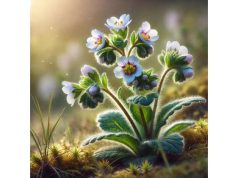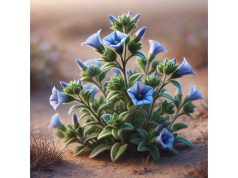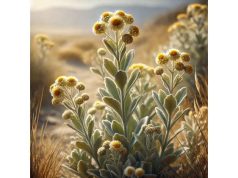
Ethiopian poppy, botanically known as Glaucium flavum, is an alkaloid-rich member of the poppy family that is more commonly known as yellow horned poppy or sea poppy. Despite its bright ornamental flowers, this is not a gentle kitchen herb or an everyday wellness tea. It is a pharmacologically interesting plant with a long history of folk use, especially for cough, pain, and certain topical complaints, yet it also carries clear safety concerns because its bioactive compounds can affect the nervous system and smooth muscle.
The plant’s best-known alkaloid is glaucine, a compound studied for antitussive, bronchodilator, and anti-inflammatory effects. Other alkaloids add to its medicinal interest, but they also make the whole plant much less predictable than milder herbs used for self-care. That is the central point readers need to understand.
So while Ethiopian poppy has real medicinal relevance, its strongest role today is not as a casual home remedy. It is better viewed as a caution-first medicinal plant: historically important, chemically rich, scientifically intriguing, and unsuitable for routine unsupervised use.
Key Insights
- Glaucine-based preparations have documented cough-suppressing activity, but whole-plant effects are far less predictable.
- Ethiopian poppy contains multiple isoquinoline alkaloids with anti-inflammatory, bronchodilator, and anticholinesterase activity in laboratory research.
- Older glaucine studies used 30 mg three times daily, but whole-plant self-dosing is not recommended.
- Whole-plant use can cause marked fatigue, sleepiness, visual disturbances, and other toxic effects.
- Pregnant or breastfeeding people, children, and anyone who must drive or operate machinery should avoid medicinal use.
Table of Contents
- What is Ethiopian poppy
- Key ingredients and active compounds
- Traditional uses and realistic benefits
- Does it help cough and breathing
- Other medicinal properties under study
- How it is used and dosed
- Side effects and who should avoid it
- What the evidence really shows
What is Ethiopian poppy
Ethiopian poppy is the plant name used here for Glaucium flavum, though readers are more likely to encounter it under the common names yellow horned poppy, yellow hornpoppy, or sea poppy. That naming issue is worth clarifying at the outset because the plant is not primarily associated with Ethiopia in modern botanical usage. It is a coastal poppy-family species better known from Mediterranean and nearby regions, where it grows on sandy or stony shorelines and produces striking yellow-orange flowers followed by long, horn-like seed pods.
Its appearance can be misleading. The bluish leaves and vivid blossoms make it look ornamental, even benign, but the plant is notable mainly for its alkaloid chemistry. Like several members of the broader poppy family, it contains compounds that can affect the nervous system, smooth muscle tone, blood vessels, and cough reflexes. That is why Glaucium flavum appears in pharmacological literature far more often than in everyday culinary or tonic-herb writing.
A useful distinction is that Ethiopian poppy is not the same as the opium poppy, and it is not a culinary poppy. It is a different medicinal plant entirely, with a different chemical pattern and a different safety profile. The best-known compound linked to it is glaucine, a non-opioid alkaloid that has been used in some countries as a cough suppressant. That fact alone has shaped much of the plant’s modern reputation.
Traditional and ethnobotanical uses attributed to Glaucium flavum or related Glaucium species include:
- Cough and chest discomfort
- Mild sedative or hypnotic roles
- Pain and inflammatory complaints
- Certain topical folk uses, including warts
- Occasional gastrointestinal or spasm-related uses in older traditions
Even so, the plant does not fit comfortably into the category of home herbalism. It is better thought of as a medicinally active botanical with a narrow margin for casual use. That is one reason why modern self-care literature tends to be cautious about it.
The broader lesson is simple. Ethiopian poppy is interesting not because it is a common household herb, but because it sits at the intersection of traditional medicine, plant alkaloid chemistry, and drug-like activity. That makes it scientifically valuable, yet it also means the average reader should resist the urge to treat it like a harmless herbal tea or an ornamental plant with extra benefits.
Key ingredients and active compounds
The medicinal profile of Ethiopian poppy depends mostly on its isoquinoline alkaloids, especially those in the aporphine and related structural families. These compounds are the reason Glaucium flavum has drawn attention for respiratory, anti-inflammatory, neurological, and cytotoxic research. They are also the reason the plant is not suited to casual, improvised internal use.
The best-known alkaloid is glaucine, which is widely regarded as the plant’s signature compound. Glaucine has been studied for several actions, including cough suppression, bronchodilation, anti-inflammatory effects, and smooth muscle relaxation. In some countries, purified glaucine has been used pharmaceutically rather than as a whole-herb preparation.
Other relevant compounds reported from Glaucium flavum include:
- Isocorydine
- Protopine
- Dehydroglaucine
- Dihydrosanguinarine
- Dicentrine
- Bulbocapnine
- Dehydrodicentrine
- Additional minor isoquinoline alkaloids that vary by population
That last point is especially important. Glaucium flavum does not have a chemically uniform profile everywhere it grows. Different regional populations can show different dominant alkaloids and different relative concentrations. A recent phytochemical study from Türkiye highlighted that variability clearly. For readers, the practical meaning is this: one preparation of the plant may not behave like another. That makes home dosing far less reliable than with well-standardized medicinal products.
These alkaloids are often discussed in terms of what they might do:
- Suppress cough reflexes
- Relax airway smooth muscle
- Influence inflammatory signaling
- Show enzyme-inhibitory effects
- Exhibit cytotoxic activity in cell-based cancer models
But the same compounds also explain the plant’s darker side. Drug-like plant alkaloids can cause sedation, fatigue, visual effects, and other adverse reactions when the dose or context is wrong. Ethiopian poppy is therefore a classic example of a plant whose benefit and risk come from the same chemistry.
This is also why the whole herb is not equivalent to its best-known compound. A standardized glaucine preparation, where dose is controlled and purity is known, is very different from a homemade tincture or tea made from aerial parts collected in the wild. The former is closer to a medicine. The latter is much more uncertain.
Compared with friendlier herbs chosen for day-to-day comfort, Ethiopian poppy behaves much more like a plant reserved for pharmacological interest. Its compounds are fascinating, but they are not forgiving. That is the core chemical story: rich alkaloid complexity, real biological activity, and a high need for caution.
Traditional uses and realistic benefits
Traditional uses of Ethiopian poppy revolve mostly around cough, discomfort, inflammation, and certain topical complaints. In broad folk practice, plants in the Glaucium genus have also been linked with sedative, laxative, dermatologic, and pain-related uses, though not all of these are equally established for Glaucium flavum itself. That unevenness matters, because modern readers often assume that a long list of traditional uses means a long list of proven benefits. It does not.
The most realistic way to talk about Ethiopian poppy’s benefits is to separate historical use from modern confidence.
Likely or plausible historical benefit areas include:
- Temporary suppression of nonproductive cough
- Mild bronchodilator or spasm-reducing effects
- Anti-inflammatory activity
- Limited pain-relieving potential
- Topical folk uses such as wart applications from latex
These uses make sense when viewed through the plant’s alkaloid content. A cough-suppressing effect aligns well with glaucine. Smooth muscle and airway effects fit the bronchodilator literature. Anti-inflammatory potential also has pharmacological support, at least in experimental settings.
Still, this is not a plant whose “benefits” translate neatly into home herbal recommendations. Compared with gentler respiratory herbs such as mullein, Ethiopian poppy is far more pharmacologically forceful and far less appropriate for general household use. Mullein is typically chosen because it is soothing. Ethiopian poppy draws interest because it is active.
That difference shapes the likely outcomes. A reader using a mild demulcent herb may expect throat comfort and mucus relief. A reader exploring Ethiopian poppy is dealing with a plant whose benefits are tied to centrally and peripherally acting alkaloids. In other words, the plant may do more, but it also asks more of the user in terms of safety awareness.
Topical folk use deserves a brief note. Ethnobotanical reports describe latex or fresh plant material used on warts and similar skin problems in some regions. This does not mean such use is well validated or safe for modern experimentation. Latex-bearing, alkaloid-rich plants can irritate skin and mucous membranes, and folk dermatologic use does not equal modern dermatologic endorsement.
So what are the realistic benefits? The best answer is restrained:
- It has real historical value as a cough-related medicinal plant
- It may have meaningful bronchodilator and anti-inflammatory potential
- It is much more compelling pharmacologically than nutritionally
- It is not a good first-choice self-care herb for most people
That final point is the most useful one. Ethiopian poppy has medicinal relevance, but its realistic benefit lies more in standardized pharmacological contexts than in open-ended household herbalism.
Does it help cough and breathing
This is the strongest and most defensible therapeutic question around Ethiopian poppy. The answer is yes, but mainly through glaucine, and mainly in standardized medicinal rather than home-herb form.
Older clinical studies on glaucine reported meaningful antitussive activity. In one trial, glaucine syrup used at 30 mg three times daily for seven days performed well against cough and compared favorably with codeine on symptom scales, with fewer complaints such as constipation and nausea. Another older crossover study also found fewer coughs with glaucine than with placebo under trial conditions. These studies are old, but they are still important because they are among the few human data points in this area.
That said, it is essential not to overextend those findings. The trials studied glaucine as a defined drug-like compound, not Ethiopian poppy tea, homemade extracts, or raw plant parts. This is where herbal articles often become misleading. They take evidence for a purified alkaloid and present it as proof that the whole plant is safe and effective. That leap is not justified.
The respiratory story also includes mechanism research. In vitro work has shown that glaucine can relax human airway smooth muscle and may exert anti-inflammatory effects relevant to airway irritation. Proposed mechanisms include calcium antagonism and phosphodiesterase-related actions. This helps explain why the plant attracted attention for cough and airway discomfort in the first place.
A practical interpretation looks like this:
- For cough suppression: evidence exists, but it is old and centered on glaucine, not casual whole-herb use
- For bronchodilation: experimental support is present, but this is not the same as a clinically validated asthma treatment
- For airway inflammation: promising laboratory mechanisms exist, but real-world use remains limited
This is also why Ethiopian poppy should not be treated as interchangeable with gentler respiratory botanicals. If the goal is soothing throat support, herbs such as licorice root are usually discussed in a very different safety and usage category. Ethiopian poppy is closer to a pharmacological plant than a comfort herb.
Readers with asthma, wheezing, or chronic cough should be especially cautious here. The presence of bronchodilator data does not mean self-treating with the whole plant is wise. Persistent cough can signal infection, reflux, asthma, medication effects, or more serious disease. It deserves proper evaluation.
So the most accurate conclusion is that Ethiopian poppy does have a credible cough-and-breathing story, but the evidence sits with glaucine and mechanistic studies. That is not the same thing as endorsing unsupervised herbal use of the plant itself.
Other medicinal properties under study
Beyond cough and airway effects, Ethiopian poppy has attracted research interest for several other properties. This is where the plant starts to look impressive on paper, but also where caution is most needed. Much of the evidence comes from cell studies, animal models, or extract chemistry rather than from robust human trials.
The most discussed areas include:
- Anti-inflammatory activity
- Anticholinesterase activity
- Cytotoxic and anticancer potential
- Antioxidant effects
- Hypotensive or vasorelaxant actions
- Possible antimicrobial or antiviral activity in experimental models
The anticancer literature is a good example of how promise and hype can get mixed together. Alkaloids isolated from Glaucium flavum extracts, including glaucine-related compounds and other isoquinoline alkaloids, have shown cytotoxic activity in laboratory cancer models. That is scientifically interesting. It is not proof that Ethiopian poppy is an anticancer herb people should self-administer. Many compounds can kill cancer cells in vitro. Very few become safe and effective treatments in humans.
Anticholinesterase findings are also intriguing, especially because recent work has shown meaningful differences between regional populations of the plant. That suggests Ethiopian poppy may have value as a source of bioactive alkaloids for drug discovery or pharmacological exploration. It does not mean that crude plant extracts are ready-made cognitive remedies.
The antioxidant and antiviral story is even more preliminary. Some recent laboratory work has used Glaucium flavum leaf extract in green nanoparticle systems and found antioxidant and antiviral activity under experimental conditions. These findings broaden the research picture, but they should not be mistaken for direct evidence that the herb itself prevents viral illness in people.
Pain and anti-inflammatory claims are also sometimes exaggerated. A better perspective is that certain alkaloids from the plant show pharmacological actions that may relate to pain and inflammation, but that is still very different from having a clear clinical analgesic role. For practical self-care, better-known options such as willow bark are much easier to justify because their use is more established and their risk-benefit profile is easier to explain.
So the plant’s “other medicinal properties” are best summarized as follows:
- It is pharmacologically rich
- It contains several compounds worth studying
- The most exciting claims are mostly preclinical
- Whole-plant self-treatment is not validated by these findings
This section is where Ethiopian poppy becomes especially attractive to researchers and much less suitable for casual herbal enthusiasm. It may help shape future medicines. That does not automatically make it a wise medicine to improvise today.
How it is used and dosed
This is one of the most important sections for Ethiopian poppy because the most honest dosing advice is also the most restrictive: there is no widely accepted safe home dose for the whole plant.
Historically, different parts of Glaucium flavum have been used in folk preparations, including aerial parts and latex-based uses. In pharmacological contexts, however, the best-known modern use centers on glaucine, not on crude household preparations. That distinction changes everything.
The clearest dosage information comes from older glaucine studies:
- 30 mg three times daily for 7 days in a comparative cough study
- 30 mg three times daily for 28 days in an open follow-up setting
Those are pharmaceutical-style doses of a defined active compound, not equivalent doses of raw Ethiopian poppy herb. They should not be used as a conversion guide for teas, tinctures, powders, or wild-harvested plant material.
Why is the whole-plant dosing problem so serious?
- Alkaloid content varies by geography and plant population
- Different plant parts may not contain the same proportions of active constituents
- Traditional preparations are not standardized
- The same chemistry that gives benefit can also produce adverse effects
This makes Ethiopian poppy very different from broad-spectrum food herbs or even from many conventional medicinal teas. It is not appropriate to say “use one teaspoon” or “drink two cups daily” as if the plant had a predictable household range. That would create a false sense of safety.
In practical terms, current use falls into three categories:
- Research and pharmacology
Mostly concerned with isolated alkaloids or well-characterized extracts. - Historical folk use
Describes past practices but does not supply modern safe-dose standards. - Modern self-care
This is the weakest category for the plant and the one that deserves the most restraint.
If a standardized glaucine product is used where legally available, it should be used according to medical or labeled guidance rather than extrapolated from herbal folklore. Whole-plant preparations should not be treated the same way.
This is also a situation where gentler herbs are often preferable when the goal is general symptom support. A person looking for simple throat comfort or mild chest support is usually better served by more familiar, lower-risk botanicals than by trying to dose an alkaloid-rich poppy-family plant.
So the real dosage answer is this: older clinical research gives a glaucine dose, but Ethiopian poppy as a whole plant does not have a reliable self-care dose that can be responsibly recommended. That is not a failure of the plant. It is a reflection of how strong and variable it is.
Side effects and who should avoid it
Safety is where Ethiopian poppy stops being an intriguing herb profile and becomes a cautionary one. The plant’s alkaloids are exactly what make it pharmacologically interesting, and exactly what make it risky in unsupervised use.
The best-documented safety concern comes from glaucine-related central nervous system effects. Published reports describe a syndrome marked by pronounced fatigue, sleepiness, altered but clear awareness, impaired ability to act adequately, and in some cases colorful visual hallucination-like experiences. These effects occurred with conventional therapeutic dosing of glaucine in outpatient settings, not only with abuse-level exposure.
Potential adverse effects include:
- Marked fatigue
- Sleepiness or sedation
- Visual disturbances or hallucination-like experiences
- Nausea
- Reduced ability to drive or perform skilled work
- Possible cardiovascular effects such as lowered heart rate or blood pressure
That last point matters. Experimental work suggests glaucine can influence vascular tone and bronchial smooth muscle. While this helps explain some of its medicinal interest, it also means the plant is a poor candidate for casual use by people with low blood pressure, unstable cardiovascular status, or medication regimens that already affect alertness or circulation.
The main groups who should avoid medicinal use include:
- Pregnant and breastfeeding people
- Children
- Anyone who must drive, operate machinery, or perform precision tasks
- People taking sedatives, alcohol, or other centrally acting drugs
- People taking blood pressure-lowering medicines without medical guidance
- People tempted to experiment with concentrated extracts or large doses
Topical folk use also is not automatically safe. The plant’s latex and fresh parts can be irritating, and applying strong botanical material to damaged skin, warts, or sensitive areas is not a harmless tradition simply because it is old.
This is why Ethiopian poppy belongs in the same caution-first conversation as other strong botanicals with limited room for error, such as garden rue. Both may have traditional uses, but neither belongs in casual self-treatment without a very clear understanding of risk.
Another practical point is that the whole plant should not be confused with a standardized pharmaceutical. A glaucine tablet used in a defined way is one thing. Wildcrafted or homemade preparations with variable alkaloid content are something else entirely.
The bottom line is firm. Ethiopian poppy is not a wellness herb for experimentation. If the safety profile matters to the decision, and it should, most readers are better off admiring the plant’s pharmacology from a distance rather than using it freely.
What the evidence really shows
The evidence on Ethiopian poppy is real, but it is highly uneven. That is the fairest conclusion. The plant is clearly bioactive, clearly rich in medicinal alkaloids, and clearly important to pharmacological research. Yet modern clinical evidence for whole-plant therapeutic use is thin.
What looks strongest:
- Glaucium flavum is an alkaloid-rich plant, especially notable for glaucine
- Older human studies support an antitussive effect for glaucine
- In vitro work supports bronchodilator and anti-inflammatory mechanisms
- Recent phytochemical research confirms marked variation in alkaloid profiles
- Safety concerns around sedation, CNS effects, and functional impairment are credible
What looks promising but still limited:
- Whole-plant respiratory use outside standardized glaucine products
- Anticholinesterase potential
- Cytotoxic and anticancer applications
- Antiviral and antioxidant claims from experimental models
- Broader pain, metabolic, or neurological applications
What remains the biggest evidence gap is the one most readers actually care about: Can the whole herb be used safely and effectively at home? Current evidence does not answer that well enough to justify confident self-care recommendations.
There are several reasons for this gap:
- Much of the research is on isolated alkaloids rather than the crude plant
- Human studies are old and focused mainly on cough
- Modern clinical trials are sparse
- Regional chemical variability makes standardization difficult
- The plant’s adverse-effect profile limits its appeal as a general-use herb
This leads to a useful but unspectacular conclusion. Ethiopian poppy is better suited to specialized pharmacology than to broad herbal practice. Its strongest modern value may be as a source of medically relevant alkaloids and a model for further drug research, rather than as a plant people should dose casually at home.
That does not make the plant unimportant. On the contrary, it gives it a more precise importance. Ethiopian poppy is one of those species that teaches an important lesson in herbal medicine: some plants are powerful mainly because they sit closer to drugs than to tonics. They may be valuable, but they are not automatically appropriate.
So the evidence does not say “this herb does nothing.” It says something more nuanced and more useful:
- The plant has real pharmacological merit
- The cough-suppressing story has human support through glaucine
- Many other claims remain preclinical
- Safety concerns meaningfully limit self-use
That is the honest place to end. Ethiopian poppy is a serious medicinal plant, but seriousness is not the same as suitability for everyday self-care.
References
- Phytochemistry and pharmacology of alkaloids from Glaucium spp 2021 (Review)
- Variability of Isoquinoline Alkaloid Profiles and Anticholinesterase Activities with Binding-Mode Predictions of Glaucium flavum Population 2024 (Phytochemistry Study)
- Antiviral and antioxidant properties of green synthesized gold nanoparticles using Glaucium flavum leaf extract 2022 (Preclinical Study)
- Efficacy and tolerability of glaucine as an antitussive agent 1984 (Clinical Trial)
- [Acute glaucine syndrome in the physician’s practice: the clinical picture and potential danger] 2006 (Case Report)
Disclaimer
This article is for educational purposes only and is not medical advice. Ethiopian poppy is an alkaloid-rich medicinal plant with meaningful safety concerns, and it should not be self-prescribed for cough, breathing problems, pain, or neurological complaints. Anyone who is pregnant, breastfeeding, caring for a child, taking sedatives or blood pressure medicines, or considering concentrated plant preparations should seek qualified medical guidance before any use.
If this article was helpful, please share it on Facebook, X, or your preferred platform so more readers can find clear, balanced, safety-aware information about Ethiopian poppy.