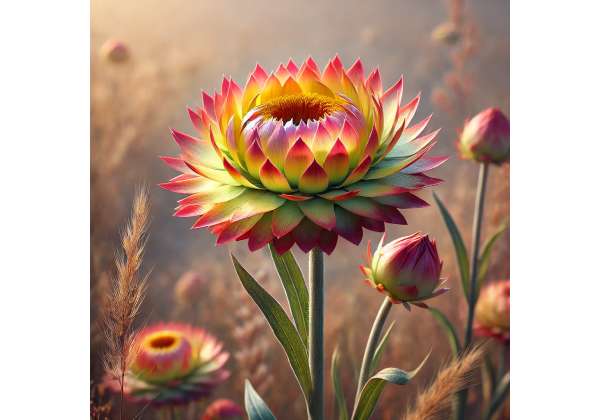
Everlasting flower, Xerochrysum bracteatum, is best known for its papery, long-lasting blooms, but its appeal is not only ornamental. This Australian species, once widely listed as Helichrysum bracteatum, contains flavonoids, phenolic acids, and other plant compounds that have attracted scientific interest for antioxidant and skin-soothing effects. In practice, that places everlasting flower in an unusual category: it is more promising as a source of bioactive extracts for topical, cosmetic, and experimental wellness uses than as a classic internally used medicinal herb with well-established human dosing. That distinction matters. The flower has shown anti-inflammatory, free-radical-scavenging, and compound-rich activity in laboratory studies, yet human clinical research remains limited. Used thoughtfully, it is best approached with curiosity and restraint. People tend to value it for skin support, antioxidant potential, gentle floral preparations, and its role in broader herbal formulations rather than as a stand-alone remedy for major health problems. Understanding its chemistry, realistic uses, and safety limits helps separate its real promise from the easy hype that often surrounds attractive medicinal flowers.
Core points
- Everlasting flower shows antioxidant and anti-inflammatory activity in laboratory studies, especially in flower extracts.
- Its strongest potential use is topical or cosmetic support rather than established internal medicinal use.
- Experimental studies commonly tested extracts at about 5 to 100 μg/mL, which is not the same as a proven oral human dose.
- People with Asteraceae allergy should be cautious because cross-reactivity is possible.
- Pregnancy, breastfeeding, children, and anyone using concentrated extracts internally should avoid self-dosing without professional guidance.
Table of Contents
- What is everlasting flower
- Key ingredients and medicinal properties
- Does everlasting flower help skin and inflammation
- Can it support antioxidant and microbial defense
- Best ways to use it
- How much everlasting flower per day
- Safety, interactions, and who should avoid it
- What the evidence really says
What is everlasting flower
Everlasting flower, also called strawflower or golden everlasting, is a flowering plant in the Asteraceae family. Its accepted modern botanical name is Xerochrysum bracteatum, though many articles and older studies still use Helichrysum bracteatum. That naming overlap is more than a botanical footnote. It shapes how readers search for the herb, how products are labeled, and how easy it is to confuse this plant with other everlasting or Helichrysum species that have different traditional uses and stronger herbal reputations.
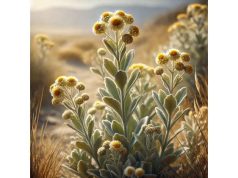
The plant is native to Australia and is famous for its dry, papery bracts, which hold their shape and color long after cutting. That durability made it popular as a dried ornamental flower. Yet the same species also attracted phytochemical interest because its flowers contain flavonoids and other secondary metabolites associated with antioxidant and anti-inflammatory activity. In other words, everlasting flower moved into the medicinal conversation not because it had centuries of dominant mainstream herbal use, but because researchers noticed interesting chemistry and promising early biological effects.
That helps explain why the search intent around this plant is mixed. Some people are looking for a skin-friendly botanical. Others want to know if it can be brewed, extracted, or used like more established herbal flowers. Some are simply trying to understand whether the plant is decorative, edible, medicinal, or all three. The most accurate answer is that it sits across those categories, but not equally. It is strongest as an ornamental species with emerging phytochemical value. It is weaker as a standardized medicinal herb with established internal protocols.
Another useful point is plant part. The flower is the main focus in the published work most readers encounter. Leaves and whole-plant material appear in some phytochemical studies, but the flower extract is where much of the antioxidant and skin-related discussion begins. That means a dried flower product, a flower extract, and an essential-oil-style cosmetic ingredient should not be treated as the same thing.
Everlasting flower is therefore best understood as a promising botanical raw material, not a proven cure. It belongs to the same broad family as calendula, chamomile, and many daisies, and like them it combines beauty with bioactive chemistry. If you already know calendula for skin and soothing support, everlasting flower makes sense as a more experimental relative rather than a direct substitute.
Key ingredients and medicinal properties
The medicinal interest in everlasting flower starts with its chemistry. Researchers have identified a mix of flavonoids, phenolic acids, flavanones, lignans, and related secondary metabolites in extracts from Xerochrysum bracteatum. These compounds help explain why the flower repeatedly shows antioxidant and anti-inflammatory behavior in laboratory settings.
Among the most relevant compounds mentioned in the literature are quercetin-related compounds, luteolin derivatives, orientin-type flavonoids, caffeoylquinic acids, and several methoxylated flavanones. These molecules are not unique to everlasting flower, but their combination matters. Flavonoids often contribute free-radical scavenging capacity, while caffeoylquinic acids and other phenolics can support broader antioxidant effects. Some isolated compounds from Helichrysum bracteatum extracts have also drawn attention in enzyme and antiviral screening models, showing that the plant is chemically more complex than its bright bracts suggest.
From a practical standpoint, the medicinal properties most reasonably linked to this chemistry are:
- Antioxidant activity
- Anti-inflammatory potential
- Mild skin-protective and cosmetic support
- Possible antimicrobial or anti-virulence activity
- Astringent or tissue-calming effects in formulated products
What deserves emphasis is that these are mostly mechanistic properties, not guaranteed clinical outcomes. In herbal writing, the jump from “contains flavonoids” to “treats disease” happens too quickly. Everlasting flower does not justify that leap. It supports a more careful conclusion: the plant contains compounds that plausibly contribute to topical soothing, oxidative stress control, and early-stage protective effects in cells.
Another important detail is that extraction method changes the chemistry. Water, ethanol, and mixed solvents do not pull out the same profile. In one skin-focused experiment, a 50 percent ethanolic extract showed stronger radical-scavenging performance than several other solvent systems. That matters because a home infusion, a commercial tincture, and a cosmetic extract may all behave differently.
If you are trying to place everlasting flower in the wider plant world, it helps to think of it less as a kitchen herb and more as a flower source of polyphenols. That puts it closer to research conversations around green tea antioxidants and polyphenols than to common culinary blossoms. The difference is that green tea has a deep human evidence base, while everlasting flower still sits at the earlier, exploratory stage.
The safest summary is that everlasting flower has real phytochemical interest. Its medicinal properties are plausible, increasingly studied, and worth attention. They are not yet settled enough to justify strong internal-use claims without qualification.
Does everlasting flower help skin and inflammation
This is the most defensible benefit area for everlasting flower. Current research suggests that flower extracts may help reduce inflammatory signals in skin-related laboratory models, especially those triggered by ultraviolet stress. That does not mean the plant is a proven treatment for eczema, dermatitis, acne, or sun damage, but it does give the flower a sensible place in topical and cosmetic discussions.
In keratinocyte research, everlasting flower extracts reduced markers linked to inflammation, including TNF-α, IL-6, nitric oxide, and COX-2 expression after UVB exposure. These markers matter because they are part of the signaling cascade involved in irritation, redness, and inflammatory stress. A material that lowers them in vitro becomes a candidate for further skin-care development. This is exactly where everlasting flower seems most at home: not as a miracle herb, but as a promising active ingredient for calming or protective topical formulas.
That aligns with the type of chemistry the plant carries. Flavonoids and related phenolics are often valued for their ability to neutralize reactive oxygen species and reduce inflammatory messengers. For skin, that combination is attractive because oxidative stress and inflammation often reinforce each other. A plant that may help reduce both in early models becomes especially interesting in after-sun, barrier-support, and environmental-stress formulations.
Still, a measured view is important. Human skin is not a cell dish. Real skin conditions involve the barrier, microbiome, immune signaling, and product formulation, not just isolated cytokines. So when readers ask whether everlasting flower “works for skin,” the honest answer is:
- It has plausible anti-inflammatory potential
- It looks promising in lab models
- It may fit well in cosmetic or topical support products
- It does not yet have strong human clinical proof for major skin disorders
That distinction helps avoid two common errors. The first is dismissing the flower because the evidence is not clinical yet. The second is overstating lab data as if it had already become dermatology-grade proof. The truth sits between those extremes.
For topical comparison, the plant’s role may overlap partly with witch hazel in topical care, especially where calm, protection, or mild astringency are desired. The difference is that witch hazel has a longer and better-defined tradition, while everlasting flower remains a newer candidate ingredient.
For readers choosing between interest and caution, skin use is the area where everlasting flower currently makes the most sense. It is the place where the chemistry and the experimental evidence line up most clearly.
Can it support antioxidant and microbial defense
Everlasting flower is often promoted for its antioxidant power, and this part of the story has real support. In phytochemical testing, Xerochrysum bracteatum flowers have shown high total phenolic and flavonoid content and strong free-radical-scavenging activity. In one comparative study of Asteraceae species, the flower extract stood out for both phytochemical richness and antioxidant performance. That makes it a credible source of antioxidant compounds, at least on paper and in laboratory assays.
Antioxidant activity matters because it gives a first clue about how a plant may behave under oxidative stress. Many antioxidant-rich plants are later explored for skin health, inflammation, aging-related mechanisms, and general cellular protection. Still, the word “antioxidant” can become too broad. A strong DPPH result does not mean a plant automatically improves human health outcomes in a measurable way. It means the extract contains molecules able to neutralize free radicals under test conditions.
The microbial side is more tentative. Some papers and broader Helichrysum literature point toward antibacterial or antifungal potential in related species or extracted compounds. That is interesting, but everlasting flower itself does not yet have a robust human-use story as an antimicrobial herb. The safer phrasing is that it shows possible antimicrobial promise and that some of its compounds deserve more study in topical or formulation contexts.
This is where an important nuance helps. Plants can matter medicinally without becoming self-treatment tools. Everlasting flower may eventually be more valuable as an ingredient in finished products than as a home remedy. A botanical can contribute to preservation systems, skin formulas, or experimental bioactive blends without needing to become a daily tea or capsule.
For readers comparing it with better-established antioxidant botanicals, everlasting flower still belongs in the emerging category. It offers an attractive compound profile and encouraging bench research, but it has not yet reached the level of mature evidence seen with long-studied polyphenol plants. It may also make more sense as part of a multi-ingredient skin or antioxidant formula than as a stand-alone intervention.
If your interest in the plant is mainly about oxidative stress and botanical actives, it may be helpful to compare its early-stage promise with flower-based anti-inflammatory compounds in chamomile. Chamomile has deeper traditional use, while everlasting flower is newer and more exploratory. Both show how floral plants can carry much more pharmacologic interest than their appearance suggests.
In short, everlasting flower appears to support antioxidant defense convincingly in preclinical work and may have microbial relevance, but the antimicrobial story is still early and should not be overstated.
Best ways to use it
The best way to use everlasting flower depends on your goal. For most people, that goal is not internal herbal treatment. It is topical support, experimental botanical use, or inclusion in carefully formulated products. That shapes the most sensible forms.
The most practical forms are:
- Topical extracts in serums, gels, creams, or cosmetic concentrates
- Flower extracts blended with other calming botanicals
- Dried flowers used decoratively or in non-medicinal preparations
- Specialty formulations made by manufacturers rather than improvised strong extracts at home
Topical use makes the most sense because it matches the strongest evidence thread. If a product is designed for redness-prone, stressed, or UV-exposed skin and lists everlasting flower extract among its actives, that is a more evidence-aligned use than drinking a strong homemade preparation with unclear composition.
A second use lane is aromatherapeutic or botanical formulation, though this area needs care. Everlasting flower is sometimes discussed alongside related everlasting and Helichrysum plants in cosmetic ingredient circles, but these plants are not identical. Readers should not assume that benefits attached to immortelle essential oil or other Helichrysum species transfer directly to Xerochrysum bracteatum. Product labels should name the species clearly.
What about tea or oral use? This is where restraint matters. There is no widely established, standardized internal-use tradition with clear modern dosing for everlasting flower comparable to herbs such as chamomile or peppermint. That means internal use should be regarded as uncertain unless it comes in a professionally formulated product with defined specifications.
For home use, simple rules work best:
- Favor clearly labeled external products over improvised extracts.
- Keep decorative use separate from medicinal assumptions.
- Patch test any skin product before broad application.
- Avoid concentrated internal use unless a qualified practitioner specifically recommends it.
This is one reason everlasting flower behaves differently from a more familiar soothing botanical such as lavender in topical and aromatic use. Lavender has a longer track record across teas, oils, and clinical applications. Everlasting flower is still earning its place.
Another practical point is formulation synergy. Botanical skin products rarely rely on one flower alone. Everlasting flower may fit best alongside humectants, barrier-supportive lipids, or other calming plant extracts rather than as the sole “hero” ingredient. That is a more realistic use model than expecting dramatic results from a single raw flower extract.
The best use, then, is not necessarily the strongest use. It is the most appropriate one: mostly topical, well-formulated, and limited to purposes that match the evidence.
How much everlasting flower per day
This is the section where honesty matters most. There is no well-established standardized oral human dosage for everlasting flower. No major monograph or clinical guidance sets a routine daily internal dose the way it does for more established medicinal herbs. That alone should shape how cautiously the plant is used.
The only clearly quantified ranges in the modern literature are mostly experimental, not consumer-facing. In skin-cell studies, everlasting flower extracts were tested roughly in the 5 to 100 μg/mL range, with higher concentrations showing stronger anti-inflammatory effects in vitro. In the same type of work, much higher concentrations such as 500 μg/mL were associated with greater cytotoxicity in that laboratory model. These numbers are useful for understanding research direction, but they are not oral dosing instructions for people.
So what should a reader do with that information?
For topical products:
- Follow the product label rather than trying to convert lab concentrations into home formulas.
- Patch test first on a small area once daily for 2 to 3 days.
- Stop if burning, rash, itching, or worsening redness appears.
For internal products:
- Use only professionally formulated products that identify the species and plant part.
- Start with the lowest labeled amount.
- Avoid combining it with several other new herbs at the same time.
- Do not continue long term if you cannot tell whether it is helping.
For home infusions or self-made extracts, the safest recommendation is restraint rather than invention. Because the evidence base is thin, it is better to say “no standardized dose exists” than to present a confident number that has no solid backing. This is especially important with flowers, since people often assume a delicate-looking plant must also be gentle in any amount.
Timing also depends on the route. Topical use is usually best once daily at first, then adjusted if the skin tolerates it. Internal experimental use, if undertaken under guidance, should start low and remain short term until tolerance is clear.
A useful comparison here is with herbs that do have better-defined daily guidance, such as L-theanine for calm and measured dosing. Everlasting flower is not in that category yet. Its dosage story is still a “follow the formulation” story, not a “take X mg daily” story.
That may sound less satisfying, but it is the safer and more scientifically grounded answer.
Safety, interactions, and who should avoid it
Everlasting flower appears reasonably manageable in limited topical contexts, but the overall safety database is still incomplete. That means caution should be based less on reports of severe toxicity and more on the simple fact that human medicinal use has not been deeply characterized.
The clearest safety concern is allergy. Because everlasting flower belongs to the Asteraceae family, it shares a family background with daisies, ragweed, chrysanthemums, calendula, and chamomile. People sensitive to Asteraceae plants can develop skin irritation, contact allergy, respiratory reactions, or broader cross-reactive symptoms. Not everyone with a daisy-family allergy will react, but the family link is strong enough to justify care.
Who should be cautious or avoid it:
- People with known Asteraceae allergy
- Anyone with a history of contact dermatitis from daisy-family plants
- Pregnant or breastfeeding individuals, because meaningful safety data are lacking
- Children, because dosage and tolerance are not established
- People with very reactive or damaged skin
- Anyone planning internal use of concentrated extracts without professional guidance
Potential side effects are likely route-dependent. With topical use, the most plausible concerns are:
- Stinging
- Itching
- Rash
- Delayed skin irritation
- Worsening sensitivity when layered with many active ingredients
With internal use, the concerns are more about uncertainty:
- Unknown tolerance in sensitive individuals
- Possible stomach upset from concentrated extracts
- Unclear interaction profile because standardized oral use is limited
No well-defined interaction pattern has been established, but that should not be mistaken for proof of no interactions. It is simply a data gap. As a result, anyone taking regular medicines, especially for immune, skin, or inflammatory conditions, should be conservative with internal experiments.
A good practical rule is to treat everlasting flower as a specialty botanical rather than a casual daily herb. That mindset encourages patch testing, cleaner product selection, and shorter self-trials. It also helps people avoid using an attractive flower more boldly than the evidence supports.
For readers who already know similar plants, this safety profile has some overlap with other aromatic or daisy-family botanicals that require careful use. Family relationships do not guarantee the same risk, but they are often a good starting point for sensible caution.
The main takeaway is simple: the flower looks gentle, but the right use still depends on allergy awareness, product quality, and modest expectations.
What the evidence really says
The evidence for everlasting flower is interesting, specific, and still incomplete. That is probably the most useful sentence a reader can take away.
What supports the plant:
- It is an accepted species with a recognizable phytochemical profile.
- Flower extracts show strong antioxidant activity in laboratory assays.
- Skin-related cell studies suggest anti-inflammatory effects after UVB stress.
- Compound-isolation work confirms the plant contains flavonoids, lignans, phenylpropanoids, and related bioactives worth further study.
What limits the plant:
- Human clinical trials are scarce
- There is no standard internal dose
- Many claims remain in vitro rather than clinical
- Different names in the literature can blur species identity
- Benefits may be stronger for extracts and formulations than for raw home use
That balance matters because everlasting flower is easy to overmarket. It is visually distinctive, botanically appealing, and chemically interesting, which makes it tempting to present as an undiscovered herbal star. But the mature evidence is not there yet. It is better described as a promising botanical research material than as a proven medicinal staple.
One original insight worth keeping in mind is that ornamental plants often enter wellness culture through aesthetics first and evidence second. Everlasting flower is a good example. People are drawn to it because it looks pure, dry, bright, and lasting. Those qualities create an aura of natural resilience that marketing can easily turn into exaggerated health claims. The science supports curiosity, not certainty.
Still, the plant should not be dismissed. Some botanicals begin exactly here: a modest tradition, interesting chemistry, strong preclinical signals, and slow movement toward more targeted uses. Everlasting flower may eventually find its strongest home in dermatologic cosmetics, specialized antioxidant blends, or standardized topical actives rather than in capsules or folk-style internal remedies.
So does it deserve attention? Yes. Does it deserve hype? No.
The best conclusion is that everlasting flower has credible antioxidant and skin-calming potential, a meaningful allergy caveat, and a very limited human dosage framework. Readers who understand those three points are unlikely to misuse it. They are also most likely to benefit from the plant in the way current evidence actually supports.
References
- Xerochrysum bracteatum (Vent.) Tzvelev | Plants of the World Online 2026. (Authoritative Taxonomy)
- Effects of Helichrysum bracteatum flower extracts on UVB irradiation-induced inflammatory biomarker expression 2019. (Open Access Study)
- Investigating the phytochemical production and antioxidant activity in four plant species belonging to the asteraceae family 2024. (Open Access Study)
- In vitro and in silico studies of SARS-CoV-2 main protease Mpro inhibitors isolated from Helichrysum bracteatum 2022. (Open Access via PubMed)
- Asteraceae species as potential environmental factors of allergy 2019. (Open Access Review)
Disclaimer
This article is for educational purposes only and is not medical advice, diagnosis, or treatment. Everlasting flower is not a well-standardized medicinal herb, and most evidence for its benefits comes from laboratory studies rather than human clinical trials. People with daisy-family allergies, sensitive skin, pregnancy, breastfeeding, childhood, or chronic health conditions should avoid self-prescribing concentrated extracts and seek individualized advice before use.
Please share this article on Facebook, X, or any other platform where it may help someone make a better-informed choice.