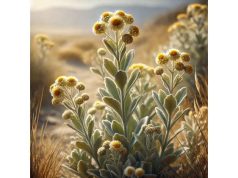
Eyebright, Euphrasia officinalis, is a small flowering herb long associated with eye comfort, watery irritation, seasonal congestion, and excess mucus. For centuries, European herbal traditions used it in teas, tinctures, eyewashes, and compresses, especially when the eyes felt red, tired, or inflamed. That history explains its enduring name and reputation. Modern research adds some support by identifying tannins, iridoid glycosides, flavonoids, and phenolic acids that may contribute to anti-inflammatory, antioxidant, and mild antimicrobial effects.
Still, eyebright is not a simple modern eye remedy. The strongest evidence does not show that homemade eyebright preparations are a proven or ideal treatment for conjunctivitis or other eye disease. In fact, regulators have raised concerns about the hygiene and safety of improvised ocular use. That means the herb is best understood as a traditional plant with plausible bioactive properties, limited clinical evidence, and a very important distinction between sterile commercial eye products and home-prepared washes. Used thoughtfully, it remains an interesting herb for traditional respiratory and mucosal support, but it should not replace standard eye care.
Essential Insights
- Eyebright shows the most plausible benefit for mild mucosal irritation, watery eyes, and catarrhal upper-respiratory symptoms, but modern clinical evidence remains limited.
- Its main active groups include tannins, aucubin, caffeic-acid derivatives, flavonoids, and other polyphenols with anti-inflammatory and antioxidant potential.
- Traditional tea infusions are often prepared at about 2% to 3% w/v, but there is no validated modern medicinal dose for routine self-treatment.
- Homemade eye infusions or compresses are not equivalent to sterile ophthalmic products and may be unsafe for direct ocular use.
- People with eye pain, vision changes, contact lens complications, pregnancy, breastfeeding, or active eye infection should avoid self-treating with eyebright.
Table of Contents
- What is eyebright
- Key ingredients and medicinal properties
- What can it realistically help with
- How eyebright is used
- How much eyebright per day
- Side effects, interactions, and who should avoid it
- What the evidence actually says
What is eyebright
Eyebright is the common name for several Euphrasia species, but the name Euphrasia officinalis has been especially prominent in older herb books, product labels, and folk medicine. Botanically, however, the naming is not always simple. Modern European sources often discuss Euphrasia officinalis together with Euphrasia rostkoviana, and some official assessments note that the name Euphrasia officinalis has been used ambiguously in commerce and older literature. For readers, the practical meaning is straightforward: the “eyebright” sold or discussed in herbal traditions may refer to a closely related group of eyebright species rather than one perfectly uniform plant.
The herb belongs to the Orobanchaceae family and grows as a small semi-parasitic annual, drawing some of its nutrition from neighboring grasses. It is recognizable by its delicate white to pale lilac flowers with purple lines and a yellow blotch. These markings helped build the old “doctrine of signatures” reputation that linked the plant visually to the human eye. Whether or not one takes that symbolism seriously, it clearly influenced how eyebright was remembered and prescribed.
Traditional use clustered around three main themes. First, it was used externally for irritated, watery, or inflamed eyes. Second, it was used internally for colds, catarrh, sneezing, and excess mucus. Third, it developed a reputation as an astringent herb for mucous membranes more generally, which is why it also appears in discussions of hay fever, sinus congestion, and mild throat irritation.
That pattern helps explain why eyebright lasted in herbal practice even when stronger medical treatments became available. It was not a dramatic purgative or sedative herb. It was a smaller, more targeted remedy for surfaces and secretions. In older home herbalism, that made it practical.
Modern use has become more complicated. One reason is the eye itself. Home compresses and washes may sound gentle, but the eye is a highly sensitive tissue, and sterile technique matters. Another reason is evidence. Traditional use is strong, but modern controlled clinical research is limited and mixed. The herb is not unsupported, but it is also not backed by the kind of ophthalmic data that would justify broad therapeutic claims.
So what is eyebright today? It is best understood as a traditional European mucosal and eye-support herb with meaningful historical use, modest modern evidence, and an important safety boundary around direct ocular application. It remains relevant, but mostly when it is used with realism and with respect for the difference between a heritage herb and a clinically standardized eye medicine.
Key ingredients and medicinal properties
Eyebright’s medicinal profile comes from a combination of tannins, iridoids, flavonoids, phenolic acids, and related polyphenols. These compounds do not make the herb unique, but together they create a pattern that fits its old reputation as a mildly astringent, anti-inflammatory, and mucosa-supportive plant.
One of the most cited constituents is aucubin, an iridoid glycoside often linked with anti-inflammatory and protective effects in medicinal plants. Eyebright also contains tannins, which help explain its traditional astringent action. Astringent herbs can slightly tighten tissues, reduce excessive secretions, and create the feeling of a calmer, less irritated mucosal surface. That makes sense in a plant historically used for watery eyes and catarrh.
The flavonoid profile is also important. Official and analytical sources describe compounds such as apigenin, luteolin, kaempferol, rhamnetin, quercetin, and their glycosides. Newer profiling work found extracts especially rich in quercetin derivatives, luteolin-7-O-glucoside, myricetin glycosides, kaempferol derivatives, chlorogenic acid, caffeic acid, ferulic acid, gallic acid, and protocatechuic acid. Those are exactly the kinds of compounds often associated with antioxidant and anti-inflammatory effects in plant extracts.
The key constituent groups can be summarized like this:
- Tannins, which contribute astringency and help explain the traditional “drying” or tightening effect on irritated mucous membranes.
- Iridoid glycosides such as aucubin, associated with anti-inflammatory and protective actions.
- Flavonoids such as apigenin, luteolin, quercetin, and kaempferol, which support antioxidant and inflammatory-modulating effects.
- Phenolic acids such as chlorogenic, caffeic, ferulic, gallic, and protocatechuic acids, which strengthen the herb’s antioxidant profile.
- Broader polyphenols that likely contribute to antimicrobial and surface-protective effects.
From a medicinal-properties standpoint, eyebright is most plausibly described as:
- Mildly anti-inflammatory.
- Mildly astringent.
- Antioxidant-rich.
- Traditionally decongesting to irritated mucosa.
- Possibly modestly antimicrobial in certain extracts.
This is where comparison helps. If someone is thinking about “eye herbs” in the broader plant world, eyebright often gets grouped with bilberry and other eye-support traditions, but the logic is different. Bilberry is mostly discussed for retinal and vascular support because of anthocyanins. Eyebright is discussed more for surface irritation, watery discharge, and mucosal tone. It is less about the back of the eye and more about the front-facing tissues and related nasal passages.
A useful insight is that solvent and preparation matter. In vitro work on human corneal cells found more favorable effects from ethanol and ethyl acetate extracts than from heptane extract, suggesting that not every eyebright preparation behaves the same way. That is one reason the herb should not be reduced to a single “active ingredient.” Its activity is extract-dependent and likely synergistic.
So while eyebright’s chemistry is consistent with its traditional use, that does not automatically make every tea, tincture, or eye product equally effective. The medicinal profile is plausible and interesting, but still preparation-sensitive and clinically underdeveloped.
What can it realistically help with
A realistic benefits profile for eyebright is narrower than many commercial claims suggest. The herb’s traditional uses are broad, but the most credible modern picture is that it may help support mild eye-surface comfort, minor catarrhal symptoms, and irritated mucous membranes. It should not be presented as a proven treatment for infectious conjunctivitis, blepharitis, or chronic eye disease.
The area most people care about is eye irritation. Eyebright has a long history of use for red, watery, tired, or mildly inflamed eyes. Small clinical and observational studies of sterile eyebright eye drops suggest possible improvement in symptoms such as tearing and reddening, but the evidence is limited and not strong enough to establish clear efficacy for defined eye diseases. That means the herb may help with comfort in some settings, especially in professionally prepared sterile formulations, but it should not be treated as a primary medical therapy.
The second plausible use is upper-respiratory and catarrhal support. Traditional herbal systems often paired watery eyes with runny nose, hay fever, sneezing, and excess mucus. This fits the herb’s astringent and mildly anti-inflammatory profile. In that sense, eyebright may make more practical sense as a mucosal herb than as a strict “eye medicine.” For example, someone with seasonal irritation affecting both the eyes and the nose may understand the plant more accurately through that broader lens.
The most realistic potential uses are these:
- Mild watery-eye and irritation support, especially as an adjunct rather than a stand-alone treatment.
- Catarrhal symptoms with excess thin secretions.
- Seasonal irritation involving both eyes and upper-respiratory passages.
- Minor mucosal inflammation where astringency is desirable.
- General antioxidant and surface-supportive effects in topical or traditional settings.
What it probably should not be marketed for:
- Bacterial conjunctivitis as a substitute for medical evaluation.
- Vision improvement.
- Dry eye syndrome as a definitive therapy.
- Glaucoma or cataracts.
- Serious allergic eye disease.
- Long-term chronic inflammatory eye disorders.
This is also where safer or clearer alternatives matter. For gentle oral support during colds or catarrh, peppermint for respiratory and mucosal relief may be easier to understand and dose. Eyebright’s historic specialty is appealing, but its modern evidence is less settled.
A useful way to set expectations is this: eyebright may be most helpful at the level of symptom comfort rather than disease cure. It belongs in the category of traditional supportive herbs, not first-line ophthalmic treatment. When symptoms are mild and transient, it may have a place. When symptoms are painful, recurrent, purulent, or vision-affecting, it does not.
That balanced conclusion protects the reader from two common mistakes. One is dismissing the herb entirely because the evidence is incomplete. The other is exaggerating it into a natural eye cure. The better view is in the middle: eyebright may offer modest benefit for minor irritation and catarrhal conditions, but it is not a proven replacement for sterile, evidence-based eye care.
How eyebright is used
Eyebright has been used in several different forms, and the form is one of the most important practical details. Traditional and current use patterns include herbal teas, tinctures, oral drops, nasal ointments, ocular compresses, and sterile commercial eye drops. These forms are not interchangeable, and treating them as if they are can lead to poor decisions.
Historically, the dried aerial parts were infused as tea for oral use or prepared as an external eyewash or compress. Tinctures were also common. In some older European references, eyebright was included in combinations with other soothing or mucosal herbs. This is consistent with how herbal traditions often worked: the plant was rarely isolated as a miracle remedy but used within a larger symptom picture.
Modern practice needs a stricter distinction:
- Oral tea or infusion
Traditionally used for colds, eye discomfort, and catarrhal complaints. This is the gentlest and easiest form to understand, although modern efficacy data remain limited. - Tincture
Traditional references mention tinctures, including 1:5 preparations in 45 percent ethanol. These are stronger than tea and less appropriate for casual self-experimentation if the goal is eye care. - Sterile commercial eye drops
These are the only ocular preparations that can reasonably be discussed in modern safety terms. Even then, the evidence is limited, and they should not replace evaluation when symptoms are significant. - Homemade eye rinses or compresses
These are where caution rises sharply. The main problem is hygiene and sterility, not just plant chemistry.
That last point matters more than many herb articles admit. Homemade herbal eye preparations may sound traditional and gentle, but the eye requires clean, well-controlled formulations. Regulators have specifically noted that the quality and safety of ex tempore, or freshly improvised, eyebright eye preparations do not meet current standards for ocular products. So while older books may describe infusions used as eye baths, that is not the same as responsible modern practice.
A practical rule is to keep the herb away from the eye unless the product is manufactured for ophthalmic use and intended to be sterile. For general soothing herbal traditions, chamomile as a gentler traditional companion herb often makes more sense orally or externally on non-ocular tissues. Eyebright’s special reputation should not tempt readers into improvising eye medications at home.
How people use it today depends on why they are interested:
- For traditional support during hay fever or watery-eye states, oral tea or tincture is the usual herbal route.
- For anthroposophic or specialty eye-drop products, use follows the product instructions, not homemade recipes.
- For general herbal use, it is often combined with other mucosal or respiratory herbs.
The most responsible interpretation is simple. Eyebright remains a traditional herb with legitimate oral and historical topical uses, but modern eye use should be limited to sterile, purpose-made products and never assumed safe just because the plant has a long reputation.
How much eyebright per day
There is no strongly validated modern dose for eyebright that can be presented as a universal standard. That is one of the herb’s central limitations. Dosing exists in traditional references and in certain clinical products, but modern evidence-based dose guidance remains thin.
The most commonly cited traditional range comes from tea infusion. Official assessment documents describe a 2% to 3% w/v infusion, meaning a tea made from roughly 2 to 3 g of dried herb per 100 mL of water. Older sources also describe one teaspoon of dried herb in about half a liter of freshly boiled water for oral use or external application. These figures tell us how the herb has been prepared, but they do not prove optimal effectiveness.
Tincture dosing appears in older references as well. A 1:5 tincture in 45 percent ethanol is commonly described, with some traditional sources giving oral amounts such as 50 drops three to five times a day for cold-related use. Again, this is traditional posology, not robust modern clinical guidance.
For sterile eye-drop products, the available trial data are narrower and product-specific. In the neonatal randomized trial, sterile eyebright drops were given as one drop in each eye four times daily for 96 hours. That does not create a general consumer dosing rule. It simply describes one studied protocol using an aseptically prepared product.
So the safest dosage framework looks like this:
- Tea: traditionally around 2% to 3% w/v, but not clinically standardized.
- Tincture: historically used, but modern evidence is too limited to present a strong universal dose.
- Sterile eye drops: follow the labeled product or clinical instructions only.
- Homemade eyewashes: not recommended.
The most important dosing insight is not the number. It is the route. A cup of tea is a very different exposure from a drop placed into the eye. Readers often focus on grams and drops, but with eyebright the real issue is whether the preparation is appropriate for the tissue being treated.
A second important point is duration. Eyebright is best thought of as a short-term supportive herb, not a long-term daily supplement. If eye symptoms do not improve quickly, or if they worsen, dosing is no longer the central issue. Proper diagnosis becomes more important than adjusting the herb.
If someone wants a more straightforward herb for general oral soothing during a cold or allergy season, lemon balm for gentle upper-respiratory and calming support is easier to dose and less confusing. Eyebright’s dosing is simply less settled because its traditional fame exceeds its modern clinical precision.
So while dosage ranges can be described, they should be interpreted carefully. Eyebright has traditional tea and tincture amounts, and some sterile eye-drop products have been studied, but no broad modern dosage standard exists that justifies casual self-treatment.
Side effects, interactions, and who should avoid it
Eyebright is often described as gentle, but the safety conversation depends heavily on how it is used. Oral use of the herb in traditional amounts appears to be relatively low risk for many adults, at least based on limited available data. Eye use is a more sensitive matter. The eye is vulnerable to contamination, irritation, and delayed treatment, so the threshold for caution is much higher.
Potential side effects vary by route:
- Oral tea or tincture may occasionally cause mild digestive upset, especially in sensitive users or in concentrated doses.
- Topical ocular use may cause irritation, tearing, redness, or discomfort, particularly if the preparation is not sterile.
- Improvised eye preparations raise the most serious concerns because contamination risk can turn a mild problem into a more significant one.
One major safety issue is not a plant toxin but product quality. Homemade eye lotions, rinses, and compresses do not meet modern standards for ocular preparations. This is why official European review work concluded that the quality and safety of improvised eyebright eye products could not be guaranteed and that a formal community herbal monograph could not be established.
Another safety issue is misdiagnosis. Red, watery, or irritated eyes may come from allergy, viral infection, bacterial infection, foreign-body exposure, dry-eye disease, contact lens complications, or more serious inflammatory problems. Eyebright does not solve the problem of not knowing which one is present.
People who should avoid self-treatment with eyebright or use extra caution include:
- People with eye pain, blurred vision, light sensitivity, or reduced vision.
- Contact lens wearers with new eye irritation.
- People with thick pus-like eye discharge.
- Children and infants, unless treatment is specifically supervised.
- Pregnant or breastfeeding people using concentrated oral preparations without professional advice.
- Anyone with persistent or recurrent ocular symptoms.
- Anyone using prescription eye drops or recovering from eye surgery.
Drug-interaction data are sparse. That usually means the interaction profile is uncertain rather than clearly safe. Oral tea is less concerning than concentrated tinctures or combined products, but a cautious approach still makes sense if someone is already taking several medications or using prescription ophthalmic therapies.
For people wanting a safer external soothing herb on skin around the eyes, not in the eyes themselves, calendula for external soothing support is often a simpler traditional option. Eyebright’s special reputation can make it sound more targeted than it really is.
The bottom line on safety is more practical than dramatic. Eyebright is not widely known for severe oral toxicity, but ocular use raises real hygiene and quality concerns, and the main medical risk is delaying proper treatment. With this herb, the question is not only “can it help?” but also “is this the right problem, the right route, and the right product?” Those questions matter more than the herb’s reputation alone.
What the evidence actually says
The evidence for eyebright is mixed but genuinely interesting. It is stronger for traditional use, phytochemistry, and laboratory effects than for confident clinical recommendations. That makes it a classic example of an herb with plausible activity but limited proof at the level most patients would want for eye-specific treatment.
What the evidence supports reasonably well:
- Eyebright has a long European history of use for eye discomfort and catarrhal symptoms.
- The herb contains tannins, aucubin, flavonoids, phenolic acids, and other polyphenols consistent with anti-inflammatory and antioxidant activity.
- In vitro studies on corneal cells suggest some extracts can reduce inflammatory markers and oxidative stress-related effects.
- Newer phytochemical studies show significant polyphenol content and antibacterial activity in certain extracts.
What the evidence supports less well:
- Strong clinical efficacy for conjunctivitis or blepharitis.
- Clear superiority over placebo or standard care for defined eye disease.
- Safe and effective homemade ocular preparations.
- A modern dosing standard that applies across teas, tinctures, and eye drops.
The 2020 randomized trial in preterm neonates is particularly useful because it is more rigorous than many older studies. It did not show a clear improvement in the primary treatment-success outcome, though it suggested possible benefit for symptoms such as reddening and tearing. That is a modest signal, not a decisive win. It supports the idea that eyebright may improve comfort, but it does not establish it as a proven ophthalmic treatment.
The regulatory view is even more cautionary. European reviewers concluded that the available evidence was too limited to confirm a safe and plausible traditional use profile for a formal community herbal monograph. They also highlighted that improvised ocular preparations do not meet current ocular safety standards. That matters because it shows the main modern barrier is not only limited efficacy data but also quality control and hygiene.
At the same time, dismissing the herb entirely would miss part of the picture. Eyebright does show real bioactivity, and the plant’s chemistry is not empty folklore. Newer work on phenolic composition, antioxidant behavior, and antibacterial activity suggests that the herb remains scientifically relevant. It simply has not crossed the line from plausibility into clear clinical acceptance.
The most balanced conclusion is this:
- Eyebright has credible traditional value.
- It has real phytochemical and in vitro activity.
- It has small and mixed clinical signals.
- It does not have enough high-quality evidence to justify strong modern eye-treatment claims.
- It should be used more conservatively than marketing language suggests.
That final point is the one most readers need. Eyebright may still deserve a place in traditional herbal practice, especially for short-term oral support during watery, catarrhal states. But when the discussion turns to direct eye treatment, the evidence becomes more cautious and product quality becomes decisive. It is an herb worth understanding, but not one that should be idealized.
References
- Novel Insights into the Antibacterial Potential of Euphrasia officinalis L 2025
- Chemical Characterization and Assessment of the Neuroprotective Potential of Euphrasia officinalis 2024
- Revealing the Phenolic Composition and the Antioxidant, Antimicrobial and Antiproliferative Activities of Two Euphrasia sp. Extracts 2024
- Euphrasia Eye Drops in Preterm Neonates With Ocular Discharge: A Randomized Double-Blind Placebo-Controlled Trial 2020 (RCT)
- Assessment report on Euphrasia officinalis L. and Euphrasia rostkoviana Hayne, herba 2010 (Assessment Report)
Disclaimer
This article is for educational purposes only and is not medical advice. Eyebright has traditional herbal uses and promising laboratory findings, but modern clinical evidence remains limited, especially for direct eye treatment. Do not use homemade eyebright eye rinses, compresses, or drops in place of sterile ophthalmic products or professional care. Seek prompt medical advice for eye pain, thick discharge, light sensitivity, vision changes, contact lens complications, or symptoms that do not improve quickly.
If this article helped you, please share it on Facebook, X, or any platform you prefer.