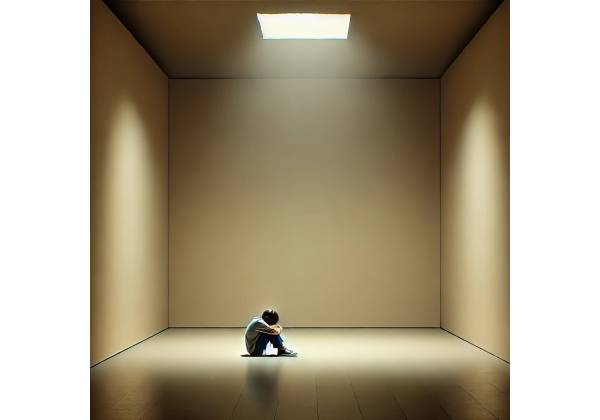
A quiet house, an empty hotel room, a night spent without a familiar person nearby, or the thought of being cut off from help can feel unbearable to someone with isolophobia. This is not simply dislike of solitude or a preference for company. It is a persistent fear of being alone, isolated, or left without connection, reassurance, or protection. For some people, the distress starts the moment they are by themselves. For others, the fear rises when they imagine being unreachable, emotionally abandoned, or physically separated from trusted support. Because the term isolophobia is commonly used rather than formally standardized, it can overlap with specific phobia, separation anxiety, panic-related fear, or agoraphobia, depending on what the person is actually afraid of. That difference matters. Accurate understanding shapes treatment, and with the right care, this fear can become far more manageable.
Table of Contents
- What Isolophobia Means
- Signs and Symptoms
- Causes and Risk Factors
- Diagnosis and Related Conditions
- Daily Life and Complications
- Treatment Options
- Management and When to Seek Help
What Isolophobia Means
Isolophobia is commonly used to describe an intense fear of being alone, isolated, or cut off from other people. In everyday language, it may refer to fear of physical solitude, emotional abandonment, being without immediate support, or being separated from a trusted person in a way that feels unsafe. In clinical practice, however, isolophobia is usually not treated as a separate formal diagnosis with its own unique criteria. Instead, clinicians look more closely at the structure of the fear and decide whether it fits best with specific phobia, separation anxiety disorder, agoraphobia, panic-related fear, or another anxiety presentation.
That distinction matters because two people can both say, “I cannot stand being alone,” while meaning very different things. One person may fear that something terrible will happen and no one will be there to help. Another may fear emotional abandonment or separation from an attachment figure. Someone else may fear the panic symptoms that appear when they are alone rather than solitude itself. These differences shape both diagnosis and treatment.
Isolophobia is also different from normal discomfort with loneliness. Most people prefer connection, and many people dislike spending long stretches of time alone, especially during stressful periods. That does not make the experience a phobia. The condition becomes more clinically important when the fear is intense, persistent, out of proportion to the actual threat, and strong enough to alter behavior in major ways. A person may refuse to sleep alone, avoid staying home by themselves, panic when a partner leaves, insist on constant texting or calling, or turn down work and travel opportunities because solitude feels unsafe.
A useful way to understand isolophobia is to ask what exactly feels dangerous about being alone. Common answers include:
- not being able to get help quickly
- feeling emotionally abandoned
- losing control of panic symptoms
- believing something bad will happen in isolation
- feeling defenseless without a trusted person nearby
This is why isolophobia should be seen less as one fixed label and more as a fear pattern centered on aloneness or isolation. Once the feared outcome is clear, the clinical picture becomes easier to understand. That clarity matters. It helps distinguish fear of solitude from ordinary loneliness, from dependence in relationships, and from other anxiety conditions that only appear to be about being alone on the surface.
Signs and Symptoms
The symptoms of isolophobia often begin before a person is actually alone. For many people, the worst part is anticipation. The fear may rise when a partner says they will be home late, when a parent leaves the room, when a night shift is scheduled, or when a travel plan involves sleeping alone. In other cases, the panic starts only after separation happens. The common thread is that being alone, or expecting to be alone, triggers a level of fear that feels difficult to control.
Physical symptoms can resemble panic and may include:
- racing heart
- sweating
- trembling
- chest tightness
- nausea
- dizziness
- shortness of breath
- tingling
- a sense of impending collapse or danger
These body sensations can become part of the fear itself. A person may think, “If I feel like this and no one is here, I will not cope.” That thought increases panic, which then makes the solitude feel even more threatening.
Emotional and cognitive symptoms often include:
- dread before being left alone
- urgent need for reassurance
- fear that something terrible will happen while alone
- fear of abandonment or disconnection
- repeated checking that others are available
- catastrophic thinking about emergencies, illness, or helplessness
Behaviorally, isolophobia can show up in obvious and subtle ways. A person may:
- avoid staying at home alone
- refuse to sleep unless someone else is nearby
- insist on constant phone contact
- delay or cancel plans that require independence
- move quickly from one relationship or housemate arrangement to another
- leave work, school, or public places to find a trusted person
- panic when unable to reach someone immediately
Children may show the fear differently. They may cling, shadow caregivers from room to room, refuse bedtime, or become highly distressed at ordinary separations. Adults often mask the problem more skillfully. They may say they “just prefer company” or that they are “bad at being alone,” while privately organizing much of life around avoiding solitude.
Symptoms become more concerning when the fear starts to widen. What begins as difficulty sleeping alone may grow into fear of being home alone during the day, then fear of traveling independently, then fear of any situation where support is not instantly available. Over time, the person’s life may become tightly structured around staying connected, reachable, and emotionally anchored. When that happens, the fear is no longer a passing preference. It has become a significant anxiety problem with real functional consequences.
Causes and Risk Factors
Isolophobia rarely has a single cause. It usually develops from a combination of temperament, life experience, attachment history, anxiety sensitivity, and learned associations. In some people, the origin is easy to trace. A traumatic separation, a frightening medical episode while alone, a burglary, a panic attack without support, or a childhood period of neglect may leave a powerful impression that solitude is unsafe. In others, the pattern grows gradually and becomes obvious only when independence is expected.
Several pathways can contribute to the fear:
- past abandonment or inconsistent caregiving
- childhood separation stress that remained intense beyond the usual developmental stage
- panic attacks or severe anxiety episodes that happened while alone
- trauma linked to helplessness, confinement, or lack of support
- illness anxiety, especially fear of collapsing with nobody nearby
- repeated reinforcement from family systems that discourage autonomy
Attachment patterns can play a major role. A person who learned early that safety depends on constant closeness may become highly reactive to distance, even when the present relationship is stable. This does not mean the fear is childish or imaginary. It means the nervous system has become organized around proximity as protection. When closeness is threatened, alarm rises quickly.
Temperament also matters. People who are already sensitive to bodily symptoms, uncertainty, or emotional loss may be more vulnerable. If a person notices every heartbeat change, every moment of dizziness, or every silence on the phone, it becomes easier for being alone to feel risky. The body and mind then start working together to produce a self-reinforcing cycle: solitude triggers fear, fear creates physical symptoms, and those symptoms make solitude feel even more dangerous.
Risk factors may include:
- family history of anxiety disorders
- insecure attachment patterns
- traumatic or chaotic childhood experiences
- high anxiety sensitivity
- prior panic disorder or agoraphobia
- depression or low self-confidence
- recent bereavement, breakup, divorce, relocation, or illness
Cultural and family expectations may also influence how isolophobia develops. In some families, independence is encouraged early. In others, closeness and constant availability are treated as signs of love and safety. Neither pattern automatically causes a disorder, but these expectations can shape how threatening aloneness feels when stress rises.
It is also important to distinguish actual social isolation from fear of isolation. Someone may have a large support network and still feel extreme fear when left alone. Another person may truly be isolated and lonely without having a phobia. The two problems can overlap, but they are not identical. Isolophobia is about the fear response to aloneness or separation. That fear may be intensified by real-life isolation, but it is not explained by it alone.
Diagnosis and Related Conditions
There is no laboratory test that diagnoses isolophobia. Assessment begins with careful questioning about what triggers the fear, what the person believes will happen, how long the pattern has been present, and how much it disrupts daily life. The most important clinical task is not simply confirming that the person dislikes being alone. It is determining what kind of anxiety pattern is actually present.
A clinician may consider several related diagnoses:
- Specific phobia, if being alone itself is the main feared situation and the fear is immediate, disproportionate, and persistently avoided.
- Separation anxiety disorder, if the distress centers on separation from an attachment figure and includes persistent worry about harm, loss, or reunion.
- Agoraphobia, if the real fear is being in places where escape, help, or rescue would be difficult while alone.
- Panic disorder, if the person mainly fears having panic symptoms without support.
- Depressive or trauma-related conditions, if the fear is tied to abandonment, helplessness, or severe emotional dysregulation.
These distinctions are not minor details. They shape treatment. Someone whose fear centers on losing access to help may need a different approach from someone whose distress centers on attachment rupture. A good assessment also checks whether the fear appears across many contexts or only in certain types of separation.
A thorough evaluation usually includes:
- the exact situations that trigger the fear
- the feared consequence in those situations
- physical symptoms and panic features
- the role of specific attachment figures
- avoidance patterns and reassurance-seeking
- the effect on work, sleep, relationships, travel, and independence
- any trauma history, depression, or substance use
- the difference between actual loneliness and phobic fear
Structured interviews and anxiety scales can help, especially in complex cases. In adults, evidence-based assessment often includes diagnostic interviews, clinician-rated severity measures, and self-report tools that clarify avoidance and accommodation. If separation anxiety is strongly suspected, targeted questionnaires may also be useful. These tools do not replace clinical judgment, but they can improve clarity and help track change over time.
It is equally important not to miss practical issues that complicate the picture. Someone with a seizure disorder, serious cardiac history, recent bereavement, domestic violence risk, or profound real-world isolation may have understandable reasons for distress that need direct attention. Diagnosis should never flatten every fear into the same explanation.
For many people, receiving an accurate formulation is a relief. It reframes the problem from “I am weak when I am alone” to “I have a recognizable anxiety pattern with specific triggers, predictions, and behaviors.” That shift is often the starting point for effective treatment.
Daily Life and Complications
Isolophobia can quietly shape nearly every part of life because independence is woven into ordinary adulthood. Sleeping alone, commuting alone, shopping alone, staying home while someone else is out, traveling for work, or spending a quiet evening without constant contact are all common situations. When these moments feel threatening, life can become narrow and exhausting.
A person with isolophobia may start reorganizing routines around proximity and reassurance. They may choose jobs based on who will be nearby, avoid living alone even when they want independence, remain in strained relationships because separation feels intolerable, or insist on constant contact by text or phone. What looks like clinginess from the outside may actually be a carefully managed safety system.
Common daily effects include:
- difficulty sleeping without another person present
- avoidance of solo travel or overnight stays
- reluctance to live independently
- strain on partners, relatives, or friends who become “safe” people
- repeated reassurance-seeking that disrupts relationships
- reduced confidence in handling normal adult tasks alone
These patterns can create a painful paradox. The more a person depends on constant contact to feel safe, the less capable they may feel on their own. Over time, independence begins to look dangerous rather than ordinary. That shrinking of confidence can affect career plans, education, parenting, and social development.
The emotional complications can be serious. Persistent fear of being alone may contribute to:
- shame and self-criticism
- relationship conflict
- low mood and hopelessness
- social withdrawal when support is unavailable
- panic attacks
- dependence on substances or compulsive communication for relief
Actual loneliness can worsen the problem even further. Research on loneliness and social isolation shows clear links with poorer mental health and greater psychiatric burden. That does not mean loneliness causes isolophobia in a simple way, but it does mean fear of isolation can become especially painful when real social support is limited. The person is then dealing with both the phobic fear and the practical absence of connection.
The condition may also become self-reinforcing. Every time a person escapes solitude quickly, calls someone for reassurance, or rearranges life to avoid being alone, the nervous system learns that aloneness truly was unsafe. This is the same process that maintains other phobias. The immediate relief is real, but the long-term cost is higher fear.
A key point is that complications do not require complete inability to be alone. Even partial avoidance can matter. Someone may live a seemingly normal life while spending enormous energy making sure they are never truly disconnected. That hidden burden is often what brings people to treatment. They are tired of living as if ordinary separation were a constant threat.
Treatment Options
Treatment for isolophobia depends on what is driving the fear, but the core principles are often similar: reduce avoidance, clarify catastrophic beliefs, strengthen tolerance for aloneness, and build realistic confidence in coping. The most established psychological approach is cognitive behavioral therapy, especially when combined with graded exposure. This is true for many phobic and anxiety presentations, even though the exact exercises vary by diagnosis.
In practical terms, treatment helps the person face feared situations in manageable steps rather than continuing to organize life around avoiding them. If the fear is about physical solitude, exposure may involve spending short planned periods alone, then gradually increasing duration and complexity. If the fear centers on separation from a specific person, the work may focus more directly on separation tolerance, reassurance patterns, and attachment-based beliefs. If panic is central, treatment may include exercises that reduce fear of bodily sensations as well as fear of solitude.
Treatment often includes:
- psychoeducation about the anxiety cycle
- identifying catastrophic thoughts
- graded exposure to being alone or less connected
- reducing safety behaviors such as constant texting or checking
- strengthening problem-solving and self-soothing skills
- addressing attachment-related expectations
- treating related panic, depression, or trauma symptoms when present
Exposure is especially important because reassurance alone rarely produces lasting change. A person may feel calm while someone promises to stay available, but real progress usually comes from new experience. The nervous system has to learn that being alone does not automatically lead to disaster, abandonment, or collapse.
Therapy may also involve relationship work. When a partner, parent, or friend has become the main source of regulation, treatment often includes guidance on how to be supportive without reinforcing dependence. This is a delicate balance. The goal is not emotional coldness. The goal is support that promotes growth rather than making aloneness seem impossible.
Medication is not always necessary, but it may be considered when isolophobia is part of a broader anxiety condition, panic disorder, or depression. In those cases, medication can sometimes reduce symptom intensity enough to make therapy more workable. Still, medication alone does not usually replace the need to change the fear pattern behaviorally.
Treatment length varies. Some people improve with focused short-term work. Others need a longer course, especially if the fear is tied to trauma, longstanding dependence, or severe avoidance. What matters most is not speed, but structure. Recovery tends to happen when the person understands the pattern clearly, practices consistently, and allows new learning to take hold instead of waiting to feel perfectly ready.
Management and When to Seek Help
Daily management works best when it supports treatment rather than becoming another set of protective rituals. The aim is not to force solitude all at once. It is to help the person build tolerance gradually and reduce the sense that being alone always means danger. Small, repeated experiences are usually more useful than rare, dramatic tests of courage.
Helpful strategies may include:
- tracking when the fear appears and what prediction comes with it
- separating actual risk from anxiety-driven alarm
- planning short periods of alone time with clear goals
- reducing reassurance behaviors one step at a time
- practicing calming skills without using them as escape tools
- reviewing what actually happened after being alone
- building routines that increase confidence, such as knowing emergency contacts, transport options, and practical coping steps
A simple example can help. Someone who cannot tolerate being home alone for thirty minutes might begin with five or ten minutes, then repeat that until it feels more manageable, then extend the time gradually. Another person who texts a partner constantly for reassurance may work on stretching the interval between messages. The point is not deprivation. It is helping the brain stop treating immediate contact as the only way to stay safe.
It is also important to build real-world support without turning support into a rigid dependency. Healthy connection helps recovery. What prolongs the problem is the belief that one cannot function at all without a specific person’s constant presence.
Professional help is a good idea when fear of being alone:
- interferes with work, school, or relationships
- leads to repeated panic or avoidance
- prevents independent living or travel
- causes severe bedtime distress
- is getting worse over time
- is linked to trauma, depression, or hopelessness
More urgent help is important when the fear is accompanied by severe depression, suicidal thoughts, substance misuse, or major functional decline. The person may say the issue is “just being alone,” when in fact the emotional burden has become much heavier.
A medical or mental health evaluation is also wise if symptoms appear suddenly, follow a major loss, or come with intense physical episodes that have not been assessed before. Not every fear of aloneness is a phobia. Sometimes it is the expression of grief, panic disorder, trauma, or another condition that needs its own care.
The outlook is often more hopeful than it feels at the start. Isolophobia can make independence seem impossible, but fear patterns are changeable. Many people improve when treatment is paced well and repeated often enough. The early gains may look small: one calmer night, one hour alone without panic, one outing completed without repeated checking. Those steps matter. In anxiety treatment, they are often the points where freedom begins to return.
References
- Specific Phobia – PubMed 2025.
- Separation Anxiety Disorder – PubMed 2025.
- Clinical Considerations for an Evidence-Based Assessment of Anxiety Disorders in Adults – PubMed 2024. (Review)
- Psychosocial interventions for anxiety disorders in adults: evidence mapping and guideline appraisal – PubMed 2025. (Systematic Review)
- Loneliness, social isolation and psychiatric disorders: insights from the National Mental Health Survey in Korea – PubMed 2025.
Disclaimer
This article is for educational purposes only and is not a diagnosis or a substitute for medical or mental health care. Fear of being alone or isolated can overlap with specific phobia, separation anxiety disorder, panic disorder, agoraphobia, trauma-related symptoms, depression, and the effects of real social isolation. If this fear is limiting your daily life, worsening over time, or causing severe distress, seek evaluation from a qualified mental health professional or physician.
If this article was helpful, please share it on Facebook, X, or another platform that fits your audience.