Fever grass, better known internationally as lemongrass, is the fragrant leaf of Cymbopogon citratus, a tropical grass used both as a culinary herb and a traditional remedy. In many regions, especially across the Caribbean, Africa, South Asia, and Latin America, it is brewed as a tea for digestive discomfort, mild feverish illness, nervous tension, and general recovery after a heavy meal or a long day. Its bright citrus aroma comes mainly from citral-rich essential oil, while its leaf extracts also contain polyphenols and flavonoids that help explain its broad medicinal reputation.
What makes fever grass especially useful is its flexibility. It can be taken as a tea, used fresh in cooking, inhaled in aromatherapy, or applied in diluted oil-based products for oral or topical purposes. At the same time, it deserves a more measured view than many wellness summaries give it. The herb has promising antimicrobial, calming, digestive, and blood-pressure-related data, but much of the strongest evidence still comes from laboratory work, small clinical trials, or short-term use. That means it fits best as a supportive herb, not a replacement for diagnosis or treatment.
Key Facts
- Fever grass is most useful for mild digestive discomfort, culinary use, and short-term calming support.
- Citral-rich essential oil gives the herb much of its antimicrobial aroma and many of its best-studied medicinal properties.
- Tea used in small studies has ranged from 2 to 8 g of leaves daily, though lower food-style amounts are usually the most practical starting point.
- Avoid concentrated use during pregnancy and breastfeeding, and use extra caution if you have kidney disease, severe reflux, or fragrance sensitivity.
Table of Contents
- What is fever grass
- Key compounds and medicinal properties
- Does fever grass help digestion
- Can fever grass support stress and circulation
- Topical and oral uses of the oil
- How to prepare and use fever grass
- How much should you take
- Safety interactions and evidence
What is fever grass
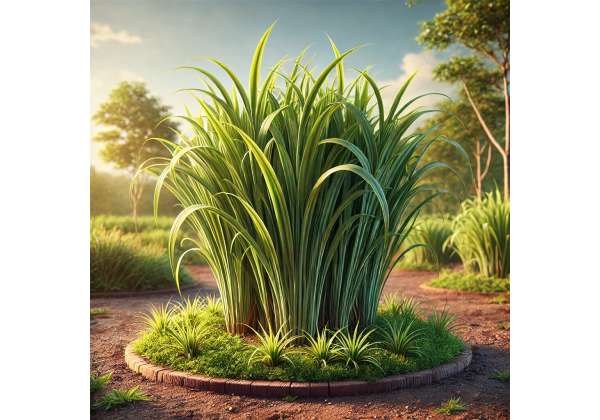
Fever grass is a common regional name for Cymbopogon citratus, the species many readers know as lemongrass. It belongs to the grass family and grows in dense, aromatic clumps with long, narrow leaves and a fresh lemon scent released when the stalks are cut or crushed. The plant is native to South and Southeast Asia but is now cultivated widely in tropical and subtropical climates. In everyday life, it crosses easily between kitchen and medicine cabinet. The lower stalk is used in soups, broths, curry pastes, and marinades, while the leaves are often brewed into tea.
The name “fever grass” reflects its traditional role more than a proven modern antipyretic effect. In folk practice, the tea is often given during colds, flu-like discomfort, or periods of feeling run down. It is also used after meals, for bloating, for mild nervous agitation, and as a comforting household herb that feels both cleansing and restorative. That combination of culinary familiarity and medicinal use is part of the reason the plant remains popular across cultures.
The most important medicinal material is the leaf, though the whole aerial part may be used. Fresh leaves have a bright, green-citrus character, while dried leaves make a softer tea that still carries the herb’s key volatile compounds. Fever grass is also distilled into an essential oil that is rich in citral and used in aromatherapy, oral-care products, perfumery, and topical blends.
One common point of confusion is the difference between fever grass and citronella. Both belong to the Cymbopogon genus and both have a sharp citrus profile, but they are not interchangeable in all settings. Many readers who want a quick comparison with a related species may also look at citronella and its typical skin and mosquito-use profile, which helps explain why scent similarities do not always mean the same medicinal role.
In practical terms, fever grass is best understood as a gentle, aromatic herb with three main identities:
- A culinary plant that supports flavor and digestion.
- A traditional tea herb used for comfort, recovery, and mild digestive upset.
- A source of essential oil with topical, oral, and aromatic applications.
That mix makes it unusually versatile, but it also means different preparations can behave differently. A fresh stalk in soup, a leaf tea, and a concentrated essential oil are not the same thing. Keeping those distinctions clear is the first step toward using the herb well.
Key compounds and medicinal properties
Fever grass owes much of its reputation to a small but potent set of aromatic compounds. The best known is citral, which is actually a mixture of two closely related aldehydes, geranial and neral. These compounds give the plant its unmistakable lemon scent and account for many of its antimicrobial and aroma-related properties. In essential oil, citral is dominant, while the leaf also contains smaller amounts of myrcene, citronellal, limonene, geraniol, linalool, and other volatile compounds.
Beyond the oil, fever grass contains nonvolatile compounds that matter too. These include flavonoids and phenolic acids such as luteolin derivatives, chlorogenic acid, caffeic acid, and related plant antioxidants. This broader phytochemical profile helps explain why fever grass is not used only as an aromatic oil. A tea made from the leaf brings more than fragrance. It also delivers water-soluble constituents that may contribute to digestive, antioxidant, and mild metabolic effects.
From a medicinal point of view, the herb is usually described through a few core properties:
- Carminative, meaning it may help reduce gas and digestive tension.
- Mild antispasmodic, especially in traditional use for stomach discomfort.
- Aromatic calming herb, especially through inhalation or warm tea.
- Antimicrobial, particularly in essential-oil form.
- Mild diuretic and circulation-supportive herb in some human and animal data.
Citral deserves special attention because it helps connect the traditional and modern views of the plant. In the lab, citral shows antimicrobial, biofilm-disrupting, and anti-inflammatory activity. In whole-herb terms, that does not mean fever grass can treat serious infections on its own. It does mean the plant has a plausible chemical basis for some of its old uses in oral care, skin care, and food preservation.
Still, it helps to stay realistic. A chemically rich plant is not automatically a clinically proven one. Fever grass has a better evidence base than many folk herbs, but much of that evidence is still preclinical or short-term. Its strongest profile is that of a supportive herb rather than a disease-targeting medicine.
Readers who enjoy comparing digestive herbs often place fever grass alongside ginger and its better-known digestive bioactives. That comparison is useful because it shows where fever grass shines. Ginger is usually the stronger herb for nausea and inflammatory stomach upset, while fever grass tends to feel lighter, more aromatic, and more appropriate for mild bloating, tea use, and calming after meals.
The key takeaway is simple: fever grass combines volatile oil chemistry with leaf-based flavonoids and phenolics. That makes it broader than a fragrance herb, but still gentler and more supportive than its bold marketing sometimes suggests.
Does fever grass help digestion
Digestive support is one of the most credible and practical uses of fever grass. In traditional medicine, the tea is commonly used after heavy meals, for bloating, mild cramps, sluggish digestion, and a sense of stomach tension. Those uses fit what many people notice in real life: the warm, aromatic tea can feel settling without being sedating or overly bitter.
There are a few reasons fever grass may help digestion. First, aromatic herbs often stimulate saliva, gastric secretions, and the early phases of digestion. Second, carminative plants can reduce the sensation of trapped gas and mild intestinal spasm. Third, warm herbal infusions can encourage slower, more relaxed eating and drinking patterns, which by themselves improve digestive comfort. Fever grass seems to fit all three roles.
That said, it helps to be precise about what kind of digestive support it offers. Fever grass is most plausible for:
- Mild bloating after meals.
- Gas and abdominal heaviness.
- Functional digestive discomfort linked to stress.
- A light, unsettled stomach when rich food feels burdensome.
It is less convincing as a remedy for:
- Severe reflux.
- Peptic ulcer disease.
- Persistent vomiting.
- Bloody diarrhea.
- Chronic unexplained abdominal pain.
In other words, this is a “support and soothe” herb, not a “fix serious pathology” herb.
Traditional use also links fever grass with feverish colds and stomach upset during viral illness. That does not mean it has proven clinical antipyretic power in the way a medication does. More often, the benefit is practical: warm fluid intake, gentle aroma, mild digestive ease, and the sense that the body is being supported rather than challenged. For a person with a low appetite and a heavy stomach during a minor illness, that matters.
In cooking, fever grass is helpful for a different reason. It can flavor food without heaviness. That makes it especially good in broths, soups, and simple rice dishes when the appetite is weak. People who like kitchen herbs with similar meal-friendly digestive roles sometimes compare it with peppermint for fast digestive relief. Peppermint usually feels cooler and more immediate, while fever grass feels warmer, softer, and more compatible with savory food.
One practical mistake is to expect too much from the tea alone. If bloating is caused by lactose intolerance, celiac disease, inflammatory bowel disease, gallbladder disease, medication effects, or chronic constipation, fever grass may ease symptoms temporarily but will not solve the cause. It works best when used for functional discomfort rather than structural disease.
So does fever grass help digestion? Yes, in a modest and believable way. It is a good digestive-support herb for mild bloating, meal-related heaviness, and stress-linked stomach discomfort. That may sound less dramatic than many online claims, but it is also more useful, because it tells you when the herb is actually a good fit.
Can fever grass support stress and circulation
This is where fever grass becomes especially interesting. The herb has a long reputation as a calming tea, and modern studies give some support to that use, especially when its essential oil is inhaled. It also has human and preclinical data suggesting modest effects on blood pressure and urine output, though those findings are not strong enough to treat it like a substitute for medical care.
For stress and tension, the most believable role is simple: fever grass may help people shift from a keyed-up state to a calmer one. Some of that effect likely comes from ritual and warmth when taken as tea. Some seems tied to aroma. Inhaled lemongrass oil has shown anxiety-lowering effects in short-term clinical settings, including procedural care. That does not make it a treatment for generalized anxiety disorder, but it does support its role as a calming aroma for temporary nervous tension.
The circulation question needs more nuance. Fever grass tea has been studied for blood-pressure effects, and review data suggest it may produce mild hypotensive and weak to moderate diuretic actions in some human and animal settings. These effects are promising, but they are not uniform, and the underlying studies are small. For that reason, the herb belongs in the category of supportive lifestyle tea, not a stand-alone antihypertensive strategy.
Reasonable real-world uses include:
- A calming evening tea when stress and digestion are both off.
- A light daytime infusion for people who want something caffeine-free and aromatic.
- Supportive use in a broader heart-healthy routine built around sleep, sodium control, activity, and medical follow-up.
- Short-term aromatherapy for situational stress.
Less reasonable uses include:
- Replacing prescribed blood-pressure medication.
- Taking large amounts to “flush out” fluid.
- Assuming that one good result with the tea means kidney or cardiovascular problems are solved.
There is also growing interest in fever grass for metabolic health, including glucose and lipid markers. The lab and animal data are broader than the human data, so this is an area where enthusiasm should stay ahead of certainty only by a small margin. At present, the herb looks more like a useful tea in a health-conscious pattern than a proven metabolic supplement.
For readers who like comparisons, fever grass sits in a space somewhat similar to hibiscus in herbal blood-pressure support, but with a different feel. Hibiscus has more recognizable human blood-pressure data and a tart, anthocyanin-rich profile. Fever grass is more aromatic, more digestive, and generally gentler in everyday culinary use.
So can it support stress and circulation? Yes, probably in modest, short-term, supportive ways. The key word is support. Fever grass may help create the conditions for calm, and it may contribute to a healthy routine for mild blood-pressure or fluid-balance concerns. It is best seen as a helper herb, not a primary treatment.
Topical and oral uses of the oil
Fever grass essential oil is where the plant’s antimicrobial story becomes most visible. Citral-rich oil has shown strong activity in laboratory studies against a range of bacteria and fungi, and clinical work suggests it may be useful in selected oral and topical preparations. This is one of the most promising areas for the herb, but it is also where form matters most. Essential oil is not interchangeable with tea, and it should never be used with the same casual mindset as a culinary stalk.
In oral care, lemongrass oil has been studied in mouthwash, gels, and adjunctive periodontal care. The best evidence suggests it may help reduce plaque, gingivitis, oral malodor, and some measures of periodontal inflammation when used in appropriate formulations. This is important because it moves fever grass beyond general folk use and into a more concrete clinical setting. Still, it does not mean that undiluted essential oil should be swished in the mouth at home. Oral use needs dilution, formulation, and common sense.
Topically, fever grass oil is most relevant for:
- Aromatherapy blends.
- Cosmetic and scalp formulations.
- Certain professionally prepared antimicrobial products.
- Massage blends when heavily diluted.
Potential benefits are often discussed for dandruff-prone scalps, minor fungal skin issues, and short-term pain or tension applications. These uses are plausible, but skin sensitivity is a real limit. Lemongrass oil is strongly aromatic and can irritate skin when used too concentrated.
A few practical rules matter here:
- Do not apply undiluted essential oil to large areas of skin.
- Do not ingest essential oil casually because it is “natural.”
- Keep it away from eyes, broken skin, and mucous membranes unless a product is specifically formulated for that use.
- Patch-test topical products first.
Fever grass oil also gets attention in household wellness because its scent is clean, sharp, and useful in diffusers or cleansing products. That can be pleasant and practical, but the jump from “smells fresh” to “treats infection” is where people often overreach. Diffusing the oil may make a room feel cleaner and calmer. It does not sterilize a living space or replace hygiene, medication, or dental care.
People interested in aromatic herbs often compare fever grass with lavender in everyday aromatherapy. Lavender is usually the softer, more universally calming option. Fever grass feels brighter, more stimulating to the senses, and more obviously linked to antimicrobial and oral-care applications.
The oil is one of the plant’s most active forms, which is exactly why it can be useful and irritating at the same time. Used correctly, it has real promise in oral and topical care. Used casually, it is one of the easiest ways to turn a gentle herb into an avoidable problem.
How to prepare and use fever grass
Fever grass is unusually easy to fit into daily life because it works in both food and simple home preparations. For many people, the best starting point is not a capsule or oil but the fresh or dried leaf itself. That keeps the herb close to its traditional use and reduces the risk of overdoing a concentrated form.
The most common ways to use it are:
- Fresh stalks in soups, broths, rice, and stews.
- Leaf tea or infusion.
- Chilled tea as a caffeine-free beverage.
- Aromatherapy in a diffuser.
- Diluted essential oil in prepared oral or skin products.
For tea, the goal is extraction without harshness. The leaf can be bruised or cut into short lengths, then steeped in hot water. A longer steep brings a stronger aroma and more plant taste, while a shorter steep tastes lighter and more citrus-like. The tea combines especially well with ginger, mint, cinnamon, or a small amount of honey, though a simple single-herb infusion is often enough.
A practical routine might look like this:
- Use fever grass after a heavy or uncomfortable meal.
- Choose it in the evening when you want a caffeine-free calming drink.
- Use it during mild colds mainly for warmth, fluid, and comfort.
- Keep essential oil for clearly topical or aromatic purposes.
In cooking, fever grass works best when the tough outer parts are bruised and simmered, then removed before serving. That approach adds aroma without stringiness. It is ideal in broth-based dishes, fish stews, lentils, and light curries. Because it lifts food without heaviness, it pairs well with ingredients used for digestive cooking, including coriander in aromatic savory dishes.
There are also a few common mistakes:
- Using too much leaf and making the tea harsh rather than soothing.
- Assuming the essential oil is a stronger version of the tea and can be taken the same way.
- Using fever grass for weeks without a clear reason.
- Treating it as a detox cure instead of a supportive herb.
One of the best things about fever grass is that it scales well. You can use a little in food, a modest amount in tea, or a carefully diluted amount in aromatherapy. That makes it more versatile than many herbs, but it also means the right form depends on the goal. If you want digestive ease, tea or food usually makes more sense than capsules. If you want aroma-based calming, diffusion or a brief inhalation approach is often more direct.
The herb works best when kept simple. Food for flavor, tea for comfort, and essential oil for clearly defined aromatic or topical use. That basic framework prevents most of the confusion that causes people to overuse it.
How much should you take
Fever grass does not have one universally accepted medicinal dose, and that is worth saying clearly. The amount you use depends on the form, the goal, and how concentrated the preparation is. Tea made from cut leaf behaves differently from a capsule, and both are very different from essential oil.
For the leaf tea, practical use usually starts small. Many people do well with one cup made from a modest handful of fresh leaf or about 1 to 2 teaspoons of dried leaf per cup of hot water. In clinical work, leaf infusions have also been studied in a broader range, including 2, 4, or 8 g of leaves daily for 30 days. Those higher amounts are useful as research context, but they are not automatically the best place to begin.
A simple guide looks like this:
- Mild culinary or casual tea use: 1 cup as needed.
- Supportive daily tea use: 1 to 2 cups per day.
- Research-style tea amounts: about 2 to 8 g leaves daily.
- Essential oil: not self-dosed by mouth.
Timing matters too. For digestion, fever grass often fits best after meals. For calming use, it works well later in the day or in the evening. For food use, the herb is flexible and can be included whenever its flavor suits the dish.
If you are using a commercial product, watch for three things:
- Whether it contains plain dried leaf or a concentrated extract.
- Whether the label gives the amount of plant material per serving.
- Whether the formula combines fever grass with several other herbs.
Combination products can be useful, but they make dosing harder to judge. If a tea bag includes fever grass plus mint, ginger, fennel, and chamomile, the overall effect may be pleasant, but you cannot assume the fever grass is doing most of the work.
What about essential oil dosing? This is where caution matters most. There is not enough reliable information to recommend casual oral dosing of fever grass essential oil. Even when a leaf tea is gentle, the oil is concentrated and more likely to irritate, sensitize, or interact badly with improper use.
One helpful rule is to increase purpose, not just quantity. If one cup of tea is enough to settle your stomach, there is little reason to push to three strong cups. If the herb is not clearly helping after a fair trial, more is not automatically better.
A good dosage mindset for fever grass is conservative and practical: start low, use the form that matches the goal, and stay close to food-like or tea-like amounts unless a qualified clinician gives a stronger reason to do otherwise.
Safety interactions and evidence
Fever grass is generally well tolerated in normal food amounts, and that is one reason it has such a long global history. But “safe in food” is not the same as “risk-free in medicinal doses,” and it is definitely not the same as “safe in concentrated essential oil form.” The herb’s safety profile is best when it stays close to culinary use, moderate tea use, or properly formulated topical products.
The most common concerns involve irritation and concentration. Strong tea may bother sensitive stomachs. Essential oil can irritate skin, eyes, airways, or mucous membranes if used too directly. Rare allergic or hypersensitivity reactions have been reported, and inhaled oil has also been linked to respiratory irritation in unusual cases.
Pregnancy and breastfeeding deserve extra caution. Concentrated lemongrass preparations are usually avoided because safety data are limited and some constituents, especially citral-rich oils, raise enough reproductive-toxicity questions to justify restraint. That does not mean one accidental taste in food is dangerous. It means concentrated use is not a smart gamble when better-studied options exist.
Use extra caution or seek professional advice if you:
- Are pregnant or breastfeeding.
- Have kidney disease or reduced kidney function.
- Take blood-pressure or diuretic medication.
- Have a history of fragrance allergy, asthma triggered by strong scents, or contact dermatitis.
- Plan to use concentrated essential oil orally.
Potential interactions are not fully mapped, but a few possibilities matter. Because fever grass may have mild hypotensive and diuretic effects, very regular intake could theoretically add to the effect of blood-pressure or fluid-balance medicines in sensitive people. Some monographs also note potential enzyme-related interactions from essential-oil constituents, though clinically important human interaction data remain limited.
What does the evidence actually show overall?
The strongest evidence supports these points:
- Fever grass is chemically active, with citral-rich oil and a meaningful flavonoid profile.
- It has convincing antimicrobial activity in laboratory settings.
- Its oil has promising clinical use in certain oral-care and topical settings.
- Aromatherapy with lemongrass can reduce short-term anxiety in some clinical contexts.
- Tea may have modest blood-pressure and diuretic effects.
The weaker or less certain areas include:
- Broad claims about detoxification.
- Weight-loss promises.
- Major blood-sugar or cholesterol treatment claims.
- Long-term essential-oil ingestion.
- Any suggestion that it replaces dental care, anxiety treatment, or blood-pressure medication.
That balance is what makes fever grass useful. It is neither hype nor magic. It is a credible support herb with real culinary and medicinal value, especially for mild digestive discomfort, aromatic calming, and selected topical or oral-care applications. But it remains a support herb. When symptoms are persistent, severe, or medically significant, its proper role is complementary rather than primary.
References
- Review on the pharmacological properties of lemongrass (Cymbopogon citratus) as a promising source of bioactive compounds 2024 (Review)
- Exploring the Clinical Applications of Lemongrass Essential Oil: A Scoping Review 2024 (Scoping Review)
- Effect of aromatherapy with lemongrass (Cymbopogon citratus) on the anxiety of patients undergoing scaling and root planning: a randomized clinical trial 2025 (RCT)
- Exploring the Anti-Hypertensive Potential of Lemongrass-A Comprehensive Review 2022 (Review)
- Lemongrass 2025 (Monograph)
Disclaimer
This article is for educational purposes only and is not a substitute for medical advice, diagnosis, or treatment. Fever grass may be helpful as a culinary and supportive medicinal herb, but concentrated extracts and essential oils can cause irritation, adverse effects, or unwanted interactions in some people. Seek professional guidance before using it medicinally during pregnancy, breastfeeding, while taking prescription medicines, or for persistent digestive, cardiovascular, oral, or mental health symptoms.
If this article was useful, please share it on Facebook, X, or any platform where it may help someone else find reliable herbal guidance.