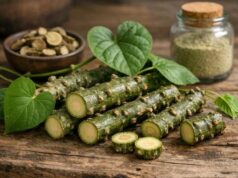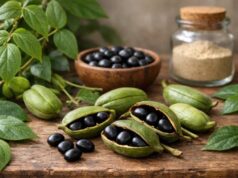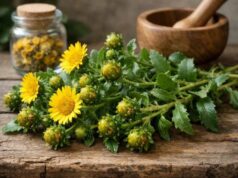
Galbanum is an aromatic oleo-gum-resin obtained from Ferula species, most often discussed under Ferula galbaniflua and closely related Ferula gummosa. It has a long history in Persian and Middle Eastern medicine, incense traditions, and perfumery, but modern interest centers on its possible anti-inflammatory, antimicrobial, and skin-supportive effects. The resin and essential oil contain a layered mix of terpenes, sesquiterpene coumarins, phenolic compounds, and fragrant volatiles that help explain both its strong scent and its biological activity.
For health use, galbanum sits in an important middle ground: promising enough to study, but not established enough to treat casually as a proven remedy. Most evidence comes from laboratory work, animal studies, and a few small human trials using topical formulas rather than oral supplements. That means galbanum may be most relevant for carefully diluted external use, short-term aromatic applications, and traditional practice under guidance. The real value for most readers is knowing what it may help, where the evidence stops, how to use it conservatively, and who should avoid it.
Quick Overview
- Galbanum may offer modest topical anti-inflammatory and antimicrobial support, especially in skin-focused formulas.
- Its most plausible traditional uses are external application, aromatic use, and short-term respiratory or chest-rub style support rather than routine oral self-treatment.
- Oral dosing is not well established; one clinical study used 2.5 mL of a 5% topical oil blend three times daily for 3 to 5 days.
- Concentrated galbanum can irritate skin, eyes, and mucous membranes, especially when undiluted.
- Pregnant or breastfeeding people, children, and anyone with fragrance sensitivity or active skin reactions should avoid self-directed use.
Table of Contents
- What is galbanum?
- Key compounds in galbanum
- Does galbanum help anything?
- How to use galbanum
- How much galbanum and when?
- Side effects, interactions, and who should avoid it
- What the research actually says
What is galbanum?
Galbanum is the fragrant resinous material collected from the lower stem or root area of certain Ferula plants in the parsley family. In practical terms, it is an oleo-gum-resin: part volatile oil, part resin, and part gum. That mixed nature explains why galbanum behaves differently from a simple dried herb or a conventional seed spice. It is sticky, strongly scented, and chemically complex.
The name can be confusing because older herbal texts, trade references, and modern research do not always separate species cleanly. Some sources treat Ferula galbaniflua and Ferula gummosa as overlapping or closely related galbanum sources. For readers, the useful point is this: products sold as galbanum usually refer to a bitter, green, balsamic resin or an essential oil distilled from that resin.
Galbanum has been used in several ways across history:
- As incense and ritual fragrance
- As a perfumery raw material with sharp green notes
- As a traditional external remedy for skin and chest complaints
- As a component in older digestive and respiratory herbal practice
Its scent profile is one of its most recognizable features. Fresh galbanum smells intensely green, resinous, earthy, and slightly bitter. Many people notice a “crushed stems” or “green pepper” quality. That strong odor is not just cosmetic; it reflects the presence of volatile constituents that may have biologic activity.
Unlike widely standardized supplements, galbanum is not a mainstream self-care herb with a well-defined capsule dose or universal label format. You are more likely to find it in these forms:
- Raw resin or tears
- Essential oil
- Blended massage or chest oils
- Perfumery materials such as resinoids and absolutes
- Traditional compound preparations
A useful comparison is asafoetida, another Ferula-derived resin with a much stronger culinary and digestive reputation. Galbanum is less common in food use and more often approached as an aromatic or topical material.
That distinction matters. Many people search for galbanum as if it were a typical oral botanical supplement, but modern use is more realistic when framed around carefully diluted external applications and short-term, scent-based use. Its historical importance is real, but today’s smartest use depends on respecting the gap between tradition and evidence.
Key compounds in galbanum
Galbanum’s activity comes from a blend of volatile and non-volatile constituents rather than one star ingredient. That is common in aromatic resins, but galbanum is especially layered because both the essential oil fraction and the resin fraction contribute to how it smells and how it may act on tissues.
Among the volatile compounds, studies on galbanum essential oil have identified terpene-rich profiles that may include:
- Sabinene
- Alpha-pinene
- Beta-pinene
- P-cymene or related aromatic terpenes
- Gamma-cadinene
- T-cadinol
- Other sesquiterpenes and oxygenated terpenes
These compounds help explain galbanum’s strong green aroma, but they also matter pharmacologically. Terpenes such as pinene-rich fractions are often studied for antimicrobial, anti-inflammatory, and airway-related effects. That does not automatically make galbanum a proven respiratory treatment, but it gives a plausible chemical reason for its traditional use in chest-focused applications.
The non-volatile side is just as important. Recent profiling work on galbanum resinoid has highlighted sesquiterpene coumarins such as:
- Mogoltacin
- Feselol
- Conferdione
- Dihydroconferin
- Ligupersin A
- Ferocaulidin
These are the kinds of compounds researchers look at when trying to explain deeper anti-inflammatory, antioxidant, or tissue-modulating effects. They may also contribute to why galbanum behaves differently from a simpler essential oil such as lemon or lavender.
Other relevant classes include:
- Flavonoids
- Phenolic acids
- Resin acids and gum components
- Minor aromatic compounds that shift by harvest, geography, and extraction method
A key practical insight is that galbanum is chemically variable. The profile changes depending on species, whether the source is Ferula galbaniflua or Ferula gummosa, the plant part used, and whether the material is a distilled essential oil, crude resin, or solvent extract. That means two galbanum products can smell different and may not behave the same on skin or in formula work.
This variability also affects expectations. When people say galbanum is “anti-inflammatory” or “antimicrobial,” they are often referring to a moving target rather than one standardized medicine. In the real world, the chemistry is strongest when the product is fresh, well sourced, and clearly labeled.
For readers interested in the broader family of aromatic resins, galbanum also shares some theme overlap with myrrh: both are resin-rich botanicals valued more for concentrated external and aromatic uses than for routine casual ingestion.
Does galbanum help anything?
The balanced answer is yes, potentially, but mostly in narrow and still-developing ways. Galbanum is not a broad, proven cure-all. Its best-supported promise lies in topical and preclinical applications, with weaker support for oral or generalized medical use.
The most realistic benefit areas are these.
Skin and local inflammation
This is where galbanum looks most interesting. Experimental work suggests that galbanum and its active compounds may reduce oxidative stress, limit some inflammatory signaling, and inhibit certain microbes. That makes it a reasonable candidate for skin-focused formulas aimed at minor irritation, inflamed blemish-prone skin, or support during superficial healing. The key word is support. It should not replace wound care, prescription treatment, or evaluation of infected skin.
Antimicrobial activity
Several studies on Ferula essential oils, including galbanum-related materials, suggest antibacterial and antifungal effects in laboratory settings. This matters because it gives a chemical basis for old uses as an antiseptic-style resin. Still, lab results are not the same as clinical proof. A substance can inhibit microbes in a dish and still be too weak, too irritating, or too unstable to work the same way on skin or mucous membranes.
Respiratory comfort
Traditional Persian medicine has used galbanum for cough, dyspnea, and chest complaints. A small clinical study tested topical galbanum oil together with dry cupping in hospitalized patients and reported symptom improvement. That sounds impressive at first glance, but the treatment combined several elements at once, including cupping and a blended oil base. So the result does not prove that galbanum alone works. It does, however, keep respiratory-supportive traditional use on the map as a question worth further study.
Pain and spasm
Animal and traditional data suggest anti-inflammatory, antinociceptive, and antispasmodic potential. This may explain why galbanum has been used historically in painful or constricted states. For everyday self-care, though, this is still a low-confidence area. A reader looking for better-established topical support for bruising or overuse soreness may also want to compare options such as arnica.
Nervous system effects
Some recent animal work suggests anticonvulsant or GABA-linked activity. That is scientifically interesting, but it is not a reason to self-treat seizures, anxiety, or insomnia with galbanum.
The most useful takeaway is that galbanum appears more promising as a focused external botanical than as a general internal remedy. Think small, local, and cautious rather than broad, systemic, and daily.
How to use galbanum
How you use galbanum matters more than the herb’s reputation. Because it is concentrated and chemically variable, the form determines both usefulness and risk.
1. Diluted topical use
This is the most practical route for most adults. Galbanum essential oil or a galbanum-containing preparation may be used in a carrier oil, balm, or compound chest rub. People usually reach for it when they want:
- Local support for irritated or inflamed skin
- A resinous massage oil for tight muscles
- A chest-rub style preparation during a short-lived respiratory illness
- Aromatic support in scar or mature-skin formulas
The rule here is dilution first. Galbanum is not a “more is better” oil. It is intensely aromatic and can irritate when used too strongly.
2. Aromatic use
Galbanum can be diffused or inhaled indirectly in very small amounts. In aromatherapy, people describe it as grounding, clarifying, and green rather than sweet or obviously relaxing. That makes it useful for scent preference, but the health framing should stay modest. A pleasant, clearing aroma is not the same thing as a proven anxiolytic or decongestant treatment.
If you want a more familiar comparison point for scent-based respiratory support, eucalyptus is the reference many people already understand. Galbanum is sharper, more resinous, and usually less “menthol-like” in feel.
3. Resin and incense use
Raw galbanum has long been burned or warmed for fragrance. This is mainly cultural, ritual, or perfumery use, not a modern medical dosing method. Burning any aromatic resin can create smoke and airborne irritants, so it is not ideal for people with asthma, migraines, or strong scent sensitivity.
4. Traditional compound formulas
Some traditional systems combine galbanum with other botanicals and base oils. That matters because galbanum may behave best as part of a formula rather than as a single isolated ingredient. A well-built blend can soften its smell, reduce irritation, and target a more specific use case. The downside is that it becomes harder to know which ingredient is doing what.
Common mistakes to avoid
- Applying undiluted essential oil directly to skin
- Using it near the eyes, lips, or broken skin
- Treating diffusion as harmless just because it is “natural”
- Taking oral resin or oil without clear product guidance
- Using it continuously for weeks without reassessment
The most sensible home use is limited-area topical or low-volume aromatic use, with patch testing and short duration. Galbanum rewards restraint.
How much galbanum and when?
Galbanum does not have a well-established modern oral dose the way magnesium or psyllium does. That is one of the most important things to understand before using it. There is no broadly accepted, evidence-based daily adult dose for raw resin, capsules, or essential oil taken by mouth.
What we do have are product-dependent traditions and a small amount of formulation-based human research.
Topical dosing with the best human detail
A clinical study in hospitalized adults used a galbanum essential oil formula made by mixing the essential oil into a violet-almond base oil at a 5:95 ratio. In that study, 2.5 mL was rubbed onto the upper back and chest three times daily for up to five consecutive days, alongside dry cupping and standard medical care.
That protocol is useful because it gives a real-world reference point. It is not, however, a blank check for home use. The setting was supervised, the patients were selected, and the intervention was not galbanum alone.
Practical home-use guidance
For self-care, think in terms of conservative exposure:
- Short-term topical use over a limited area
- Low-volume aromatic use rather than long continuous diffusion
- No oral use unless a qualified clinician specifically recommends a product and dose
Instead of chasing a “maximum effective dose,” use a minimum-effective mindset. With galbanum, strong scent and local skin response are often the first signs you are using too much.
Timing
When people use galbanum externally, it usually makes sense in one of three patterns:
- During an acute phase, such as a few days of chest discomfort or skin irritation
- After cleansing the skin, when a topical formula can be spread evenly
- Earlier in the day if the scent feels stimulating rather than calming
Duration
Short courses make the most sense:
- A few days for chest-rub style or illness-adjacent topical use
- Several days to about a week for minor skin or localized comfort use
- Longer only if a clinician or experienced practitioner is guiding the plan
Oral use
This is the area where caution should be strongest. Oral galbanum products are not standardized across markets, and traditional references do not translate neatly into modern safe dosing. If someone wants an herb with a clearer track record for digestive or gas-related use, peppermint is generally easier to dose and understand.
The smartest dosage conclusion is simple: galbanum is a low-certainty, high-potency botanical. Use less, use it briefly, and treat any oral product as specialist territory rather than casual experimentation.
Side effects, interactions, and who should avoid it
Galbanum’s safety profile is defined less by dramatic known toxicities and more by uncertainty, concentration, and route of use. That means the biggest risk for most people is not that galbanum is uniformly dangerous; it is that they assume a traditional aromatic resin must be gentle in all forms.
Possible side effects
Topical and aromatic use may cause:
- Skin irritation
- Redness or burning
- Fragrance-triggered headache
- Nausea from a strong odor
- Eye or mucous membrane irritation if exposure is too close
- Cough or throat irritation in scent-sensitive users
These effects are more likely when the material is concentrated, old, oxidized, or used without dilution.
Who should avoid self-directed use
Galbanum is best avoided, or used only with professional guidance, in:
- Pregnant people
- Breastfeeding people
- Children
- People with asthma triggered by fragrance or smoke
- Anyone with active eczema, dermatitis, or broken skin at the application site
- People with a history of allergic reactions to essential oils or strong resins
The lack of strong pregnancy and lactation data matters more than tradition here. When evidence is thin, the safer rule is not to improvise.
Medication and condition cautions
Specific interaction data for galbanum are limited, but caution is sensible if you take:
- Sedatives or central nervous system medicines
- Anti-seizure drugs
- Multiple topical medicated products on the same area
- Drugs that already cause skin sensitivity or dizziness
This is not because galbanum is proven to interact strongly with these medicines. It is because preclinical work hints at nervous-system activity, and concentrated aromatic products can amplify unwanted effects in sensitive people.
Safe-use rules that matter most
- Patch test first on a small area of intact skin
- Do not apply to wounds, infected skin, or near eyes
- Stop immediately if rash, burning, wheezing, or worsening symptoms occur
- Do not ingest essential oil
- Avoid long continuous diffusion in small enclosed rooms
A helpful mental model is to treat galbanum more like frankincense or another concentrated resin-derived aromatic than like a mild kitchen herb. It belongs in the “potent botanical material” category, where quality, dilution, and context matter more than tradition alone.
What the research actually says
Galbanum’s evidence base is promising but clearly incomplete. That is the fairest summary.
What looks encouraging
Researchers have identified meaningful phytochemicals in galbanum resin and essential oil, including terpenes and sesquiterpene coumarins with plausible anti-inflammatory, antioxidant, antimicrobial, and tissue-active behavior. Laboratory studies and animal work support the idea that galbanum is biologically active rather than just fragrant.
There is also a small amount of human research, including a clinical study of a topical galbanum oil blend used with dry cupping in hospitalized patients. That trial reported improvement in several symptoms and oxygen saturation measures over a short period. Recent skin-focused experimental work also supports anti-inflammatory and antimicrobial potential in topical settings.
Where the evidence is weak
The weak points are just as important:
- Most studies are preclinical
- Human trials are few and small
- Many studies use mixed formulas, not galbanum alone
- Species naming is inconsistent across papers
- Preparations differ widely: crude resin, distilled oil, solvent extracts, and blends are not interchangeable
- Outcomes are often narrow and short-term
This means you cannot take a strong cell-study result and assume the same benefit will happen in a cream, diffuser, or oral supplement.
The most evidence-aligned claims
At this stage, the claims that best fit the data are:
- Galbanum has chemically plausible anti-inflammatory and antimicrobial properties
- It may be more useful externally than internally
- It deserves further study for topical skin applications and selective short-term formula use
- It does not yet have enough evidence to support routine oral self-treatment for major health goals
What good future research should answer
The next useful studies would compare:
- Galbanum alone versus blended formulas
- Essential oil versus resin extract
- Different species sold under the galbanum name
- Standardized topical doses with clear safety monitoring
- Real clinical outcomes in skin, pain, or respiratory care
For now, galbanum belongs in the category of “interesting, tradition-backed, but still not fully proven.” That is not a dismissal. It is a realistic and more useful conclusion than hype. Used carefully, it may have a place in external and aromatic herbal practice, but it should not be marketed or treated as a confirmed high-evidence remedy.
References
- Treatment of Skin Inflammation: Antioxidant and Antimicrobial Properties of Ferula galbaniflua Boiss and Its Active Compounds 2025 (Preclinical Study) ([PubMed][1])
- Chemical Profiling of Volatile and Non‐Volatile Fractions of Galbanum (Ferula galbaniflua Boiss.) Used in Perfumery 2025 (Chemical Profiling) ([PMC][2])
- Efficacy of topical galbanum oil with dry cupping in hospitalized COVID-19 patients: A randomized open-label clinical trial 2023 (RCT) ([PMC][3])
- In silico molecular modeling, neuro-behavioral profile, and toxicity assessment of the essential oil of Ferula gummosa Boiss. as an anti-seizure agent 2023 (Preclinical Study) ([PubMed][4])
- Metabolic Profile, Bioactivities, and Variations in the Chemical Constituents of Essential Oils of the Ferula Genus (Apiaceae) 2021 (Review) ([PMC][5])
Disclaimer
This article is for educational purposes only and is not a diagnosis, treatment plan, or substitute for medical advice. Galbanum is a concentrated botanical material with limited human research, no well-established oral dosing standard, and variable product quality across markets. Do not use it to replace prescribed care, and do not ingest galbanum essential oil. Seek medical advice before using galbanum if you are pregnant, breastfeeding, have asthma, seizures, chronic skin disease, or take regular medications.
If you found this article useful, please share it on Facebook, X (formerly Twitter), or your preferred platform so others can read it too.