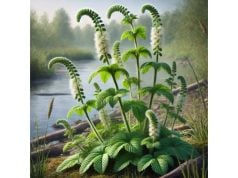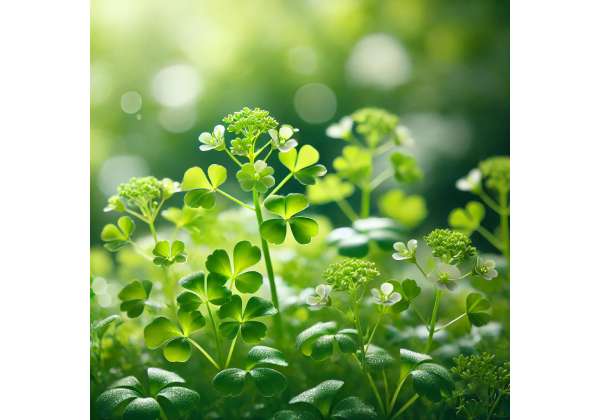
Garden cress is a fast-growing, peppery herb in the mustard family, valued both as a food and as a traditional remedy. Its tender sprouts and leaves bring a sharp, fresh bite to salads and sandwiches, while its seeds are used in porridges, drinks, sweets, and herbal preparations. What makes garden cress interesting is not just its flavor, but its unusually dense nutritional profile. The seeds provide protein, fiber, minerals such as iron and calcium, and a notable amount of alpha-linolenic acid, an omega-3 fat. They also contain glucosinolates, flavonoids, phenolic acids, and alkaloids that may help explain its antioxidant, anti-inflammatory, and digestive effects.
At the same time, garden cress deserves a balanced look. It has a long history of use for breathing problems, digestion, blood sugar support, and recovery after illness, but much of the modern evidence still comes from lab and animal research rather than large, rigorous human trials. That means it may be useful, especially as a nutrient-rich food, but it should not be treated as a proven cure-all. This guide explains what garden cress contains, what it may help with, how people use it, what dose ranges make sense, and where the main safety limits are.
Quick Overview
- Garden cress seeds provide omega-3 fat, polyphenols, and sulfur compounds that may support antioxidant and anti-inflammatory pathways.
- As a food, it can raise intake of iron, protein, fiber, and minerals in porridges, breads, snacks, and sprouted dishes.
- There is no universal evidence-based dose, but food and traditional use often fall around 3 to 10 g seed powder or about 1 to 2 tablespoons seeds daily.
- High intakes may aggravate stomach upset and may not suit people with thyroid disorders because mustard-family plants can affect iodine handling.
- Pregnant people and anyone using anticoagulants or managing a clotting disorder should avoid medicinal doses unless a clinician approves them.
Table of Contents
- What is garden cress?
- Garden cress active compounds
- Does garden cress have benefits?
- How to use garden cress
- How much garden cress per day?
- Garden cress safety and interactions
- What the evidence says
What is garden cress?
Garden cress, or Lepidium sativum, is an edible herb from the Brassicaceae family, the same broad family that includes mustard, radish, and cress-type greens. It grows quickly, has a peppery flavor, and can be eaten at several stages. The young sprouts and leaves are fresh, sharp, and slightly spicy. The seeds are more concentrated, with a warm, pungent taste and a light mucilaginous quality when soaked. In practical terms, that means garden cress can function as both a salad green and a seed-based functional food.
Across regions, people have used different parts of the plant in different ways. Sprouts and leaves are usually treated as vegetables. Seeds are more often used as a concentrated food or home remedy. In parts of South Asia, the Middle East, and Africa, the seeds are mixed into porridges, milk drinks, sweets, or recovery foods. In traditional use, the plant has been linked with digestion, breathing support, menstrual health, lactation, bone recovery, and general strengthening after illness. Modern reviews describe it as a plant with both culinary and medicinal importance, while also noting that formal human research is still limited.
One helpful way to understand garden cress is to separate food use from medicinal use. As a food, it is simply a nutrient-dense herb or seed. In that role, it is usually low risk and easy to include in meals. As a medicinal plant, though, it becomes more complicated. Dose matters. Preparation matters. The person taking it matters. A handful of sprouts in a sandwich is not the same as using concentrated seed powder every day for several weeks.
Garden cress also stands out because its seeds are richer and more calorie-dense than the leafy part. That makes the seeds the main focus when people talk about iron content, protein, oil, mucilage, and traditional therapeutic use. The leaves still offer value, especially as fresh greens, but the seed is where most of the concentrated nutrition and most of the research attention sit.
Because it belongs to a peppery, glucosinolate-rich plant family, garden cress is often compared with related greens such as watercress. That comparison is useful for flavor and broad plant chemistry, but garden cress seed remains distinct because it behaves more like a spice, a soaked seed, and a functional ingredient all at once.
For readers deciding whether it is worth trying, the simplest answer is yes, as a food first. Garden cress is best understood as a traditional edible herb with promising but still incomplete medicinal evidence, rather than as a fully validated supplement.
Garden cress active compounds
Garden cress has a layered chemical profile, which helps explain why it has attracted interest in nutrition, herbal medicine, and functional food development. The seeds are the most concentrated part. Reviews describe them as containing protein, fiber, minerals, vitamins, alkaloids, flavonoids, phenolic acids, glucosinolates, sterols, and triterpenes. The seed oil is especially notable because it is rich in unsaturated fats, including alpha-linolenic acid, a plant omega-3.
Several groups of compounds deserve special attention:
- Glucosinolates and isothiocyanate-related compounds
These are sulfur-containing chemicals common in mustard-family plants. In garden cress, they likely contribute to the pungent taste and may support antioxidant, detoxification-related, and anti-inflammatory pathways. - Polyphenols and flavonoids
These include compounds such as quercetin, kaempferol derivatives, gallic acid, caffeic acid, chlorogenic acid, and related phenolics. Their main interest lies in free-radical control, cellular signaling, and possible vascular and metabolic support. - Imidazole alkaloids
The seeds contain distinctive alkaloids such as lepidine and semilepidine. These are part of what makes garden cress chemically unusual compared with more familiar culinary seeds. - Fatty acids and tocopherols
The seed oil supplies alpha-linolenic acid and other fats, along with vitamin E-type compounds. This makes the seeds relevant not only as an herb but also as a useful edible oil source in research and food formulation. - Minerals and amino acids
The seeds contain iron, calcium, phosphorus, sulfur, and other minerals, along with amino acids such as glutamic acid, leucine, methionine, and isoleucine. That helps explain why garden cress is often included in strengthening foods or recovery recipes.
The practical meaning of all this chemistry is straightforward. Garden cress is not just “healthy because it is a plant.” It combines several useful nutritional themes in one ingredient: seed protein, fiber, omega-3 fat, pungent sulfur compounds, and antioxidant polyphenols. That is a rare combination.
This also helps explain why the seed can act differently from leafy herbs. It may thicken liquids slightly when soaked, add body to porridges and drinks, and produce a more sustained digestive effect than a leafy garnish would. In some ways, its seed profile overlaps with ALA-rich seeds such as flax, but garden cress brings a sharper mustard-family chemistry and a different traditional use profile.
Still, chemistry does not guarantee clinical results. A seed can be rich in promising compounds and still have only modest real-world effects. The value of garden cress lies in the combination of dense nutrition and plausible mechanisms, with the understanding that human outcome data are still catching up.
Does garden cress have benefits?
Garden cress may offer meaningful benefits, but the most credible way to frame them is by separating likely food-level benefits from more speculative medicinal claims. The strongest case for regular use is that it is a nutrient-dense seed and herb that can improve the overall quality of the diet. The more ambitious claims, such as clear treatment effects for asthma, blood sugar control, or inflammation, remain possible but not firmly proven.
One practical benefit is nutritional support. Garden cress seeds can meaningfully raise the protein, iron, fiber, and mineral content of foods. That matters most in people who need low-cost nutrient density, such as those recovering from illness, older adults with low appetite, or anyone building meals around grains and legumes. Traditional recipes often use the seeds in fortified foods for exactly this reason.
A second likely benefit is antioxidant and anti-inflammatory support. Reviews consistently describe reductions in inflammatory signaling and oxidative stress markers in cell and animal models. Compounds associated with these effects include glucosinolates, phenolic acids, flavonoids, sterols, and alpha-linolenic acid-rich oil fractions. This does not mean garden cress is a stand-alone anti-inflammatory treatment, but it does support its use as part of a generally anti-inflammatory eating pattern.
A third area is digestion. The seeds have fiber and mucilage, which may help soften stool, improve texture in the gut, and support easier bowel movements in some people. Traditional use also includes relief for stomach discomfort and constipation. That said, the same properties can cause bloating if the dose is pushed too quickly.
A fourth area is metabolic support. Reviews discuss antidiabetic, antihypertensive, and lipid-related effects, but most of this evidence is preclinical. The signal is interesting, especially because the seed combines fiber, polyphenols, and omega-3 fat. Still, no one should assume that garden cress can replace proven treatment for diabetes, high blood pressure, or high cholesterol.
There are also traditional uses for respiratory problems and bone recovery. Human evidence is limited, but older small studies have reported symptom improvement in asthma and possible blood pressure effects. These findings are interesting, but they are not enough to establish standard care.
In real life, the most realistic benefits of garden cress are these:
- Better nutrient density in simple meals
- Added plant omega-3 and fiber from the seeds
- A possible mild digestive benefit
- A promising, but unconfirmed, role in inflammation and metabolic health
That makes garden cress best suited to people who want a useful food with traditional medicinal potential, not a miracle herb. Readers interested in other seed-based digestive herbs sometimes compare it with fenugreek, but garden cress tends to be pepperier, less bitter, and more closely tied to mustard-family sulfur compounds.
How to use garden cress
Garden cress is unusually flexible because you can use it as a fresh herb, a sprout, a seed, a powder, or occasionally an oil. The best form depends on your goal. If you want flavor and light nutrition, use the sprouts or leaves. If you want concentrated nutrients and traditional medicinal use, the seeds are the main form.
Common ways to use it include:
- Fresh sprouts and leaves
Add them to sandwiches, salads, egg dishes, soups, or wraps. Their peppery taste works best when used like a garnish or quick green, not like a large bowl of lettuce. - Whole soaked seeds
Soaking softens the seeds and develops their mucilaginous texture. This can make them easier to digest and useful in porridges, milk drinks, or spoonable breakfast mixtures. - Seed powder
Ground seeds are the form most often used in traditional home remedies. Powder blends easily into porridge, yogurt, smoothies, warm milk, honey mixtures, or doughs for flatbreads and snacks. - Roasted seeds
Light roasting reduces raw sharpness and can make the flavor nuttier. This is useful when adding garden cress to grain dishes, laddoos, crackers, or savory mixes. - Seed oil
This is less common in home kitchens but of interest in research because of its fatty acid profile.
For daily use, the easiest entry points are simple:
- Stir a small amount of ground seed into oatmeal or yogurt
- Add sprouts to sandwiches or grain bowls
- Mix soaked seeds into warm porridge
- Blend seed powder into recovery drinks or energy bites
- Use small amounts in savory baking
Preparation matters. Whole dry seeds can feel harsh or overly intense if taken in large amounts without fluid. Powder is convenient but can clump. Soaking or mixing with moist foods often improves tolerance. Sprouts should be rinsed well and used fresh.
Garden cress also pairs well with familiar ingredients that soften its pungency: milk, yogurt, dates, jaggery, citrus, cooked grains, and nut or seed pastes. In savory dishes, it works well with ginger, garlic, lentils, and roasted vegetables. For a nutty contrast, some cooks combine it with sesame in crackers, seed toppings, or savory snack bars.
The main rule is to treat garden cress seeds as concentrated. They are not a neutral add-on like chia or oats. Their taste is stronger, and their physiological effect is more noticeable when intake rises. Starting small is the smart way to learn whether your body likes them.
How much garden cress per day?
There is no official, universally established dose of garden cress for general health. That is one of the biggest practical limits with this herb. Unlike a well-standardized nutrient or a medication with formal labeling, garden cress sits between food and traditional remedy. The right amount depends on the form used, the person’s goal, and how well the person tolerates mustard-family plants.
A cautious, practical framework looks like this:
- Sprouts or leaves: about 1/2 to 1 cup fresh in food
- Whole seeds: about 1 to 2 tablespoons daily
- Seed powder: about 3 to 10 g daily, divided if preferred
- First trial dose: about 1 to 2 g powder or 1 teaspoon seeds, then increase gradually
For people using it more intentionally, seed powder is the form most often discussed. Traditional food-style use commonly lands in the low-gram range. A reasonable pattern is 3 to 5 g once or twice daily with food, fluids, or a soft meal. People with sensitive digestion often do better starting below that.
The limited human research gives only rough landmarks, not firm recommendations. Older small studies described 1 g of seed powder three times daily for four weeks in adults with bronchial asthma, and another reported an aqueous seed extract used daily for people with hypertension. These are examples from small studies, not official dosing standards.
Timing also matters:
- Take seed powder with meals if you are prone to stomach irritation.
- Use enough fluid when taking whole or powdered seeds.
- Reassess after 2 to 4 weeks rather than taking large doses indefinitely.
- If using it for general wellness, think in terms of food inclusion, not chronic escalation.
A sensible progression for most adults is:
- Start with a food dose for several days.
- Increase only if digestion stays comfortable.
- Stay near the lower end if you have thyroid, clotting, or pregnancy-related concerns.
- Avoid combining large medicinal doses with several other herbs that affect blood sugar, blood pressure, or hormones unless supervised.
The most honest answer to “how much” is this: enough to benefit from its nutrition, but not so much that it becomes a daily experiment in concentrated herbal dosing. For most people, the sweet spot is modest, consistent use rather than aggressive intake.
Garden cress safety and interactions
Garden cress is generally low risk when eaten as a normal food, but medicinal use deserves more caution. The most important safety principle is that “edible” does not always mean “risk-free at high dose.” Seeds are concentrated, and the same compounds that make the plant interesting can also create problems in the wrong setting.
The main safety concerns include:
- Digestive upset
Larger amounts may cause bloating, cramping, loose stools, or throat and stomach irritation, especially if the seeds are taken dry or without much fluid. - Thyroid concerns
Garden cress belongs to a glucosinolate-rich plant family. High habitual intake may interfere with iodine handling, which is why people with hypothyroidism or marginal iodine status should be careful with concentrated daily use. - Pregnancy
Some reviews warn against excess intake in pregnancy and describe the plant as potentially abortifacient in large amounts, likely because of concerns about uterine stimulation in traditional practice. Culinary amounts are very different from medicinal doses, but pregnancy is still the clearest setting where self-prescribed concentrated use should be avoided. - Clotting and anticoagulants
The safety picture is mixed. Garden cress contains mustard-family compounds, and older pharmacology work has reported coagulant activity in seed extract. That does not prove a clinically important interaction in everyone, but it is enough to justify caution in people taking anticoagulants, living with clotting disorders, or preparing for surgery. - Medication overlap
Because garden cress has been studied for possible blood sugar, blood pressure, and diuretic effects, concentrated use may theoretically add to the action of diabetes medicines, antihypertensives, or diuretics. This matters less at food doses and more at medicinal doses.
Animal safety findings are somewhat reassuring but should not be overread. Reviews summarize studies in which garden cress seed powder showed no acute toxicity at tested doses in animals and no major adverse effects in some subchronic feeding studies, though very high intakes were not benign in every setting.
Who should avoid medicinal doses?
- Pregnant people
- People with hypothyroidism or low iodine intake
- People taking anticoagulants
- Anyone with a clotting disorder
- Anyone with a history of strong reactions to mustard-family plants, including herbs such as black mustard
For breastfeeding, breastfeeding-support claims exist in traditional medicine, but modern dosing and safety data are too thin to recommend routine medicinal use without guidance. Food use is the safer lane.
What the evidence says
The evidence on garden cress is promising, but it is not yet strong enough to support broad medical claims with confidence. That is the central takeaway. Reviews repeatedly describe antioxidant, anti-inflammatory, antidiabetic, antiasthmatic, antimicrobial, antihypertensive, and tissue-protective effects. The problem is not a lack of interesting findings. The problem is where those findings come from.
Most of the evidence comes from:
- Cell studies
- Animal models
- Phytochemical analyses
- Traditional use reports
- Small or older human studies
That kind of evidence is useful for hypothesis building. It can show plausibility. It can identify active compounds. It can reveal whether a plant is worth studying further. But it cannot by itself prove that a herb will deliver the same outcome in ordinary clinical use.
Garden cress does have a few human signals. Reviews cite small clinical work in asthma and hypertension, and they discuss food-product studies that use the seeds to enrich nutrient intake. That is enough to say the herb deserves more serious research. It is not enough to say it has well-established therapeutic doses for major chronic conditions.
So where does that leave a practical reader?
Garden cress is most credible in three roles:
- As a nutrient-dense food ingredient
- As a traditional herb with plausible biological activity
- As a supportive, not primary, tool in wellness routines
It is less credible when marketed as a stand-alone solution for asthma, diabetes, fracture healing, infertility, or hormone-related conditions. Those uses remain under-researched.
A useful rule is this: the stronger the claim, the stronger the evidence should be. Garden cress easily clears the bar for “nutritious food with promising phytochemicals.” It only partially clears the bar for “medicinal herb with targeted clinical effects.” That balanced view is not a dismissal. It is exactly how an evidence-aware herbal guide should read.
If you enjoy the taste, tolerate the seeds well, and want a simple way to add more nutrient density and plant bioactives to meals, garden cress is worth considering. If you want treatment for a diagnosed condition, it is better seen as an adjunct to professional care than as a replacement for it.
References
- Garden cress seeds: a review on nutritional composition, therapeutic potential, and industrial utilization 2024 (Systematic Review)
- Evidence for Health-Promoting Properties of Lepidium sativum L.: An Updated Comprehensive Review 2022 (Review)
- Anti-inflammatory and Immunomodulatory Properties of Lepidium sativum 2022 (Review)
- Nutritional, health benefits and toxicity of underutilized garden cress seeds and its functional food products: a review 2022 (Review)
- Pharmacological and safety evaluation studies on Lepidium sativum L., Seeds 1994 (Preclinical Safety Study)
Disclaimer
This article is for educational purposes only and does not diagnose, treat, or replace medical care. Garden cress can interact with health conditions, pregnancy, thyroid concerns, and clotting-related treatment plans. Use food amounts conservatively at first, and speak with a qualified clinician before using concentrated or long-term medicinal doses, especially if you take prescription medicines or are pregnant, breastfeeding, or managing a chronic condition.
If you found this article useful, please share it on Facebook, X, or your preferred platform so others can discover it too.