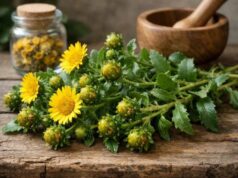
Gentian, especially Gentiana lutea or yellow gentian, is one of Europe’s classic bitter herbs. Its medicinal use centers on the root, which has an intensely bitter taste and a long reputation for stimulating appetite and supporting sluggish digestion. Unlike soothing herbs that calm the stomach by coating or relaxing it, gentian works through bitterness itself. That sharp taste is the point: it helps trigger digestive responses that may increase salivation, prime gastric secretions, and prepare the body for food.
This herb is best known for temporary loss of appetite, post-meal fullness, mild dyspeptic discomfort, and the kind of slow digestion that leaves meals sitting heavily. It is also rich in distinctive bitter secoiridoids and xanthones, which help explain why gentian has remained important in herbal medicine for centuries.
Still, gentian is not a cure-all. Its strongest support remains in traditional digestive use, not broad modern disease treatment. Used thoughtfully, it can be a practical herb for the right person, at the right time, and in the right form.
Key Facts
- Gentian is most useful for temporary loss of appetite and mild dyspeptic digestive complaints.
- Its bitter compounds may help prime digestion before meals rather than relieve symptoms after overeating.
- A common adult range is 0.6 to 2 g of root per dose, often taken before meals in tea, tincture, or extract form.
- Avoid use during pregnancy and with stomach or duodenal inflammation or ulcer.
- Children and adolescents under 18 should generally not use gentian without professional guidance.
Table of Contents
- What Is Gentian Root
- Key Bitter Compounds
- Does Gentian Help Digestion
- How to Use Gentian
- How Much Per Day
- Side Effects and Who Should Avoid It
- What the Evidence Really Says
What Is Gentian Root
Gentian usually refers to the dried root and rhizome of Gentiana lutea, a tall mountain plant native to parts of Europe. The plant is visually striking, but in herbal medicine the important part is underground. The root is valued not for fragrance or nutrition, but for extreme bitterness. In fact, gentian is often used as a benchmark for bitter taste because it is far more bitter than most everyday foods.
That bitterness explains both its traditional use and its limits. Gentian is not a comfort herb in the way chamomile or marshmallow root can be. Instead, it belongs to the class of digestive bitters: herbs taken in small amounts, usually before meals, to stimulate appetite and prime digestive activity. In traditional European practice, it has been used for poor appetite, slow digestion, fullness, bloating, and mild dyspeptic complaints.
A few distinctions help readers use gentian more accurately:
- The root is the medicinal part most often discussed.
- It is different from gentian species used in other herbal systems.
- It is also different from casual “bitters” in alcoholic aperitifs, even when those beverages contain gentian.
- Its best-supported uses are digestive, not general wellness or detoxification.
Gentian is often grouped with other strong bitter herbs. In practice, it sits on the more intense end of that spectrum. Readers comparing digestive bitters may also look at wormwood as another intensely bitter traditional digestive herb, but gentian is usually considered the more classic appetite-stimulating bitter root.
Historically, gentian was used in tinctures, wines, bitters, and teas. Today it appears in capsules, drops, herbal liqueurs, and combination formulas for dyspepsia. That does not mean every gentian product is equivalent. One formula may contain plain powdered root, while another uses a concentrated extract with a very different intensity.
Gentian is best suited to a specific type of digestive problem: the person who feels uninterested in food, overly full quickly, or heavy after meals, especially when digestion feels slow rather than irritated. It is much less appropriate for someone with burning reflux, active gastritis, or ulcer pain, because a bitter that stimulates digestive secretions can make those issues worse.
That practical fit matters more than hype. Gentian remains relevant not because it is trendy, but because it fills a narrow, well-defined role in herbal medicine that still makes sense today.
Key Bitter Compounds
Gentian’s medicinal profile comes from a small group of highly active bitter phytochemicals, especially secoiridoids. These compounds are the main reason gentian tastes so strong and why it has been studied for digestive effects. Among them, amarogentin is especially famous because it is one of the bitterest natural substances known. Gentiopicroside, often called gentiopicrin, is another major constituent and appears frequently in gentian research and quality standards.
Important compounds in gentian root include:
- Amarogentin, a hallmark bitter secoiridoid tied closely to gentian’s extreme taste.
- Gentiopicroside, one of the plant’s best-known bitter principles.
- Swertiamarin and sweroside, additional secoiridoids that contribute to the root’s phytochemical activity.
- Gentisin and isogentisin, xanthones that are often discussed in antioxidant and mechanistic research.
These compounds matter because gentian works less like a nutrient herb and more like a signaling herb. You do not take gentian for calories, fiber, or vitamin content. You take it because bitterness itself can provoke digestive reflexes. That includes increased salivation, greater awareness of hunger, and a priming effect on upper digestive function. In practical herbal language, gentian “turns digestion on.”
That said, not every proposed effect is equally established. Gentian’s chemistry has led to interest in antimicrobial, anti-inflammatory, antioxidant, hepatoprotective, and metabolic actions. Those ideas are plausible and supported by laboratory work, but digestive use is still the best-grounded application. The gap between “interesting molecule” and “proven human outcome” is important here.
Form also matters. Different preparations pull different compounds from the root:
- Tea or infusion gives a traditional whole-root experience, though bitterness can vary.
- Tinctures and liquid extracts often deliver the bitter effect more efficiently.
- Dry extracts may offer better consistency when standardized.
- Alcoholic gentian liqueurs are culturally important, but they are not the same as evidence-based medicinal dosing.
People who like classic bitter tonics sometimes compare gentian with dandelion root and other milder bitter digestive herbs. The useful difference is intensity. Dandelion is often broader and gentler, while gentian is more pointed and more aggressively bitter.
A final nuance matters for expectations: gentian’s compounds do not act like a quick antacid. They are closer to a pre-meal digestive primer. That makes them more relevant for low appetite and sluggish digestion than for pain, ulcer disease, or severe reflux. In other words, gentian’s chemistry supports a very specific therapeutic personality, and understanding that prevents misuse.
Does Gentian Help Digestion
For the right person, yes, gentian can help digestion, but usually in a narrow and realistic way. Its strongest traditional uses are temporary loss of appetite and mild dyspeptic complaints such as fullness, heaviness, bloating, and sluggish digestion. The key point is that gentian is usually taken before meals, not after symptoms are already severe.
Why before meals? Because the herb is thought to work partly through bitter taste signaling. That bitterness may trigger cephalic digestive responses, meaning the body begins preparing for food as soon as bitterness is tasted. In practice, that can translate into stronger appetite, more salivation, and a digestive system that feels more “awake.” For people who feel indifferent to food or uncomfortably full after small meals, this can be useful.
Realistic digestive benefits may include:
- better appetite before meals,
- less heavy or stagnant post-meal feeling,
- easier tolerance of ordinary meals,
- and less mild bloating linked to slow digestion.
Less realistic expectations include curing chronic reflux, healing ulcers, fixing severe IBS, or replacing evaluation for ongoing abdominal pain.
Gentian may be particularly helpful in these situations:
- Temporary low appetite, especially after illness or stress.
- Functional dyspepsia patterns, where fullness or sluggish digestion is mild and not tied to a serious disease.
- Pre-meal digestive support, especially when appetite is poor and meals feel uninviting.
It may be a poor fit in these situations:
- burning heartburn,
- stomach irritation with sharp acidity,
- known gastric or duodenal ulcer,
- unexplained vomiting,
- or persistent abdominal pain.
That distinction matters because gentian stimulates rather than soothes. It is not the herb to reach for when the digestive tract already feels inflamed.
It can also be useful to compare gentian with symptom-targeted herbs that work differently. For example, someone whose main problem is cramping or upper GI discomfort may respond better to peppermint for a more cooling digestive approach, while someone with poor appetite and digestive sluggishness may be a better candidate for gentian.
One subtle point often missed in online articles is that gentian’s benefit may be strongest when meals are skipped, irregular, or unappealing. In that setting, the herb can support the digestive lead-in to eating. If the problem is simply overeating, rich late-night meals, or alcohol excess, gentian is much less impressive.
So does gentian help digestion? Often yes, but mostly by improving digestive readiness and appetite rather than by directly treating digestive disease. That is both more modest and more clinically honest.
How to Use Gentian
Gentian is best used intentionally, not casually. Because the herb is so bitter, it works better when the form matches the goal. Most adults use it for digestive purposes in one of four ways: tea or infusion, tincture, liquid extract, or dry extract. Each form has practical advantages.
Common ways to use gentian include:
- Infusion or decoction-style tea made from the dried root.
- Tincture, often used in drop form before meals.
- Liquid extract, which can be easier to dose consistently.
- Dry extract capsules or tablets, often preferred when the taste is too strong.
The main practical rule is timing. Gentian is usually taken before meals, not after. That timing matches its traditional use as an appetite stimulant and digestive bitter. The bitter taste, or even the anticipation of it, appears to be part of the herb’s function.
A simple decision guide looks like this:
- Choose tea if you want the traditional ritual and can tolerate strong bitterness.
- Choose tincture or liquid extract if you want fast, adjustable dosing before meals.
- Choose capsules if you need convenience and better taste tolerance.
How gentian is used also depends on the situation. For low appetite, it is commonly taken shortly before eating. For mild dyspeptic complaints, it is often used before the meal most likely to cause heaviness. Some older herbal systems combined gentian with aromatic carminatives so the formula stimulated digestion without feeling harsh.
That is why gentian often appears alongside herbs like fennel, angelica, or citrus peel. Readers exploring digestive blends may also find fennel useful in gentler digestive tea formulas, especially when gas and post-meal pressure matter as much as appetite.
A few use mistakes are common:
- taking gentian after symptoms are already intense,
- using alcoholic bitters in large casual amounts and assuming they count as therapeutic dosing,
- pushing the dose higher because the first dose felt subtle,
- or using gentian when the real issue is reflux, ulcer disease, or gallbladder pain.
Because the root is so bitter, product quality matters. A preparation that tastes barely bitter may be weak, diluted, or not representative of traditional gentian. At the same time, the harshest-tasting product is not automatically the best one. Standardized extracts can be more predictable than homemade preparations.
Gentian is also a good example of a herb that works best in context. It makes more sense when meals are regular, portions are moderate, and the digestive complaint is mild and functional. It makes less sense as a rescue remedy after an obviously provocative meal or as a substitute for evaluating ongoing symptoms.
How Much Per Day
Gentian dosing varies by form, and that is why product labels can look inconsistent. The root may be used as loose herb, tincture, liquid extract, or dry extract. For a reader trying to use the herb safely, the most useful approach is to dose by preparation type rather than assuming one number fits everything.
Traditional adult ranges commonly used in monographs and herbal references include:
- 0.6 to 2 g of comminuted root per dose in hot water,
- often 1 to 3 times daily,
- with a broad daily range that can reach 0.6 to 6 g per day depending on preparation and frequency.
For extracts, common reference points include:
- 240 mg dry extract, taken 2 to 3 times daily,
- for a daily total of roughly 480 to 720 mg of dry extract,
- or 1 ml tincture or liquid extract, typically 1 to 3 times daily, depending on concentration and label directions.
Timing matters almost as much as dose. Gentian is usually taken 15 to 60 minutes before meals, with many traditional systems favoring about 30 minutes before eating. That lead time fits the herb’s role as a digestive bitter rather than a post-meal symptom reliever.
A practical way to use it is:
- Start low.
- Use one preparation consistently.
- Take it before the meal most likely to benefit from digestive support.
- Reassess after several days to two weeks.
The herb does not usually need to be taken indefinitely. If the original problem is resolved, appetite and digestion often do not require ongoing stimulation. If symptoms persist beyond a couple of weeks, the better next step is evaluation, not simply increasing the dose.
Gentian also illustrates an important herbal principle: more bitter is not always better. Pushing the dose too high can make the stomach feel irritated rather than supported. That is one reason gentian is often described as a small-dose herb.
People comparing gentian with other pre-meal digestive botanicals sometimes look at artichoke leaf for a different bitter-herb strategy. Artichoke tends to be used more for bile-related meal heaviness, while gentian is more classically centered on appetite and bitter digestive stimulation.
A few cautions help keep dosage grounded:
- Do not improvise concentrated extract dosing from loose-root guidance.
- Do not assume an alcoholic aperitif equals a medicinal tincture.
- Do not use high doses to overcome symptoms that actually signal irritation or ulcer disease.
- Do not use pediatric dosing casually, since established use in children is lacking.
The safest dosage strategy is to follow a reputable product label that clearly states preparation type, strength, and adult use instructions, then keep the trial short and purposeful.
Side Effects and Who Should Avoid It
Gentian is generally used in small amounts, but small amounts do not mean no risk. Its strong bitterness is precisely what gives it value, and that same property can make it irritating for some people. In ordinary healthy adults, short-term use is often tolerated, but this is not an herb for everyone.
Possible side effects include:
- stomach irritation,
- increased acidity or burning,
- abdominal discomfort,
- nausea in sensitive users,
- and headache.
Headache is one of the more specifically described adverse reactions in some herbal monographs, even though formal side-effect data overall are limited. That limited safety literature is important: a long tradition of use is helpful, but it is not the same as extensive modern safety trials.
People who should avoid gentian or use it only with professional guidance include:
- anyone who is pregnant,
- people with stomach or duodenal inflammation,
- people with active ulcer disease,
- children and adolescents under 18,
- and those with hypersensitivity to the herb.
Breastfeeding also deserves caution because safety has not been well established. For adults with chronic digestive symptoms, gentian should not be used as a workaround to avoid diagnosis. Ongoing nausea, early satiety, black stools, vomiting, weight loss, or progressive abdominal pain need proper evaluation.
Drug interaction data are surprisingly sparse. Some formal monographs report no established interactions, but that should be read as “none clearly documented,” not as proof of zero interaction potential. Because gentian may stimulate digestive secretions, it makes sense to be cautious if you have a condition that worsens with acidity or if you are carefully managing upper GI symptoms with prescribed treatment.
A reasonable safety checklist is:
- Do not use gentian if bitter foods reliably worsen pain or burning.
- Stop if you develop headache, stomach discomfort, or sharper symptoms.
- Avoid treating persistent digestive complaints as a simple “need more bitters” problem.
- Keep use short unless a clinician advises otherwise.
People who enjoy herbs for digestive self-care sometimes rotate gentian with chamomile when the stomach feels more irritated than sluggish. That contrast is helpful: gentian is stimulating, while gentler herbs are often better for inflamed, crampy, or sensitive digestive states.
Used well, gentian can be safe and useful. Used carelessly, especially in the wrong digestive pattern, it can make the stomach feel worse. That makes correct matching more important than enthusiasm.
What the Evidence Really Says
Gentian has a strong traditional reputation and a respectable body of phytochemical and experimental research, but the human clinical evidence is still thinner than many marketing claims suggest. That is the key evidence summary.
What is well supported:
- gentian root is a classic bitter herb,
- it contains well-characterized bitter secoiridoids such as amarogentin and gentiopicroside,
- official monographs recognize traditional use for temporary loss of appetite and mild dyspeptic gastrointestinal complaints,
- and modern mechanistic work supports digestive and spasm-related plausibility.
What is only partly supported:
- broader anti-inflammatory, metabolic, antimicrobial, or liver-related benefits,
- appetite and energy-intake effects beyond short-term experimental settings,
- and disease-oriented uses outside mild digestive complaints.
Recent laboratory and ex vivo studies make gentian look pharmacologically interesting. Investigators continue to report spasmolytic, anti-inflammatory, and phytochemical findings that support traditional digestive use. A recent systematic review also pulled together evidence on gentian’s chemistry and biological activities, showing that the plant is much more than a folklore bitter.
Even so, the human data remain modest. One frequently cited human study found that microencapsulated bitter compounds from gentian reduced daily energy intake in healthy adults. That is intriguing, but it does not prove long-term weight loss, diabetes control, or broad metabolic benefit. More importantly, it does not change gentian’s primary real-world identity as a digestive bitter.
This is where a lot of herbal content goes off track. It sees promising cell and animal findings, then writes as if gentian is already a clinically proven anti-inflammatory or metabolic therapy. A more careful reading is:
- Traditional digestive use is credible and recognized.
- Mechanistic and preclinical research is genuinely promising.
- Human outcome data are still limited and narrower than marketing suggests.
That leaves gentian in a useful but well-defined place. It is not an obsolete herb, and it is not a miracle root. It is a classic digestive bitter whose best role is still appetite stimulation and support for mild dyspeptic complaints in adults who tolerate bitters well.
For readers making practical decisions, this is the most honest conclusion: gentian is worth considering when the goal is pre-meal digestive stimulation, appetite support, and short-term help with mild digestive heaviness. It is not well supported as a self-treatment for chronic GI disease, ulcers, reflux, liver disease, or weight loss. In a field crowded with exaggerated claims, that narrower truth is actually what makes gentian valuable.
References
- The healing bitterness of Gentiana lutea L., phytochemistry and biological activities: A systematic review 2023 (Systematic Review)
- Spasmolytic Activity of Gentiana lutea L. Root Extracts on the Rat Ileum: Underlying Mechanisms of Action 2024 (Preclinical Study)
- Phytochemical profiling and anti-inflammatory activity of Gentiana lutea roots from Pollino National Park 2025 (Research Article)
- Microencapsulated bitter compounds (from Gentiana lutea) reduce daily energy intakes in humans 2016 (RCT)
- NATURAL HEALTH PRODUCT GENTIAN 2025 (Official Monograph)
Disclaimer
This article is for educational purposes only and is not medical advice. Gentian is a strong bitter herb that may stimulate digestion, but it can also aggravate certain stomach conditions and is not appropriate for everyone. It should not replace medical evaluation for persistent digestive symptoms, ulcer disease, vomiting, unexplained weight loss, or significant abdominal pain. Speak with a qualified healthcare professional before using gentian if you are pregnant, breastfeeding, under 18, or managing a gastrointestinal disorder.
If this guide was useful, please share it on Facebook, X, or any platform where readers look for practical, evidence-aware herbal information.