Germander, most often referring to Teucrium chamaedrys or wall germander, is a small aromatic herb in the mint family that has a long history in European folk medicine. Traditionally, it was used as a bitter tonic for digestion, sluggish appetite, gout, rheumatic complaints, and general “cleansing” formulas. Modern phytochemical work shows why the plant attracted attention: it contains flavonoids, phenylethanoid glycosides, iridoids, sesquiterpenes, and a distinctive group of diterpenes with strong biological activity. Some of those compounds may help explain its antioxidant, anti-inflammatory, and antimicrobial potential in laboratory settings.
But germander is also one of those herbs that demands more caution than enthusiasm. Unlike many culinary or gentle bitter herbs, Teucrium chamaedrys has been repeatedly linked to clinically apparent liver injury, including severe hepatitis after oral use in teas, capsules, and extracts. That safety history changes the conversation entirely. The most responsible way to approach germander today is not as a routine wellness herb, but as a historically important plant with interesting chemistry, narrow practical relevance, and a well-established hepatotoxicity concern that limits internal use.
Core Points
- Germander has a long history as a bitter digestive herb, but most claimed health benefits remain preclinical rather than clinically proven.
- Important compounds include teucrioside, flavonoids, iridoids, and neo-clerodane diterpenes such as teucrin A.
- No safe standardized oral dose is established, and past products at roughly 450 to 600 mg/day were associated with hepatitis reports.
- People with liver disease, prior hepatitis, heavy alcohol use, or potentially hepatotoxic medicines should avoid internal germander use.
- The most credible modern research interest is in controlled extracts or cell-culture materials designed to avoid hepatotoxic diterpenes.
Table of Contents
- What is germander
- Key ingredients in germander
- What germander has been used for
- Does germander have benefits
- How germander is prepared
- How much germander per day
- Germander safety and who should avoid it
- What the research really shows
What is germander
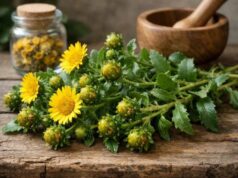
Germander usually refers to wall germander, Teucrium chamaedrys, a low-growing perennial of the Lamiaceae family. It is native to Europe and the Mediterranean region and is known for its small serrated leaves, woody stems, and pink to purple flowers. The plant has long been valued as both a medicinal herb and an ornamental edging plant. Botanically, it sits beside other aromatic mint-family plants, including mint-family herbs such as sage, but its safety profile is far more problematic than that of most common garden herbs.
Historically, germander earned a reputation as a bitter, warming, somewhat astringent herb. Older herbal traditions used the aerial parts for digestive sluggishness, low appetite, gout, rheumatic discomfort, and “detoxifying” infusions. It also appeared in bitters, fortified wines, and liqueurs, which partly explains how people continued to encounter it even after safety concerns became clearer. In other words, germander was not just a medicinal tea herb. It was also a flavoring plant with a medicinal reputation attached to it.
That long tradition can make the plant sound gentler than it is. In reality, germander became a textbook example of how a historically used herb can still prove unsafe when concentrated, commercialized, or used for long periods. In the late twentieth century, oral germander preparations were marketed for slimming, cholesterol control, and metabolic support. Multiple cases of hepatitis followed, leading to bans or severe restrictions in several countries and turning germander into one of the best-known hepatotoxic herbs in the literature.
This background matters because it changes how readers should interpret any discussion of “benefits.” With some herbs, the main challenge is sorting real effects from exaggerated marketing. With germander, the first task is more basic: deciding whether internal use is worth the risk at all. That does not make the plant scientifically uninteresting. On the contrary, it has fascinating chemistry, and some of its compounds show meaningful activity in cell and laboratory work. But its real-world story is shaped just as much by toxicology as by pharmacology.
So the best modern description is this: germander is a traditional Mediterranean bitter herb with notable phytochemical complexity, limited human efficacy data, and a clear record of liver toxicity from oral use. That combination makes it important to understand, but not easy to recommend. A reader looking for a gentle everyday digestive herb should not assume germander belongs in the same category as culinary mint-family plants or common digestive teas.
Key ingredients in germander
The chemistry of Teucrium chamaedrys is one reason the plant has been studied so heavily. Like several other Lamiaceae herbs, it contains a layered mix of volatile and non-volatile compounds, including flavonoids, phenolic acids, iridoid glycosides, sesquiterpenes, and diterpenes. What makes germander especially distinctive is that it combines potentially useful antioxidant and anti-inflammatory compounds with a diterpene fraction strongly associated with liver toxicity. That dual nature is the key to understanding the plant.
Among the most important non-volatile compounds identified in modern analyses are teucrioside, cirsiliol, harpagide, chlorogenic acid, and quinic acid. Teucrioside is especially notable because recent work describes it as a phenylethanoid glycoside characteristic of this species. Cirsiliol and chlorogenic acid help explain why germander is repeatedly described as antioxidant and anti-inflammatory in laboratory studies. Harpagide, an iridoid, adds to the plant’s broader pharmacological profile. In a more general herbal context, this polyphenol-rich side of germander resembles what researchers often find in other aromatic Lamiaceae plants such as rosemary and related antioxidant-rich herbs, although germander’s toxic diterpenes set it apart sharply.
The volatile fraction varies by geography, harvesting conditions, and plant part, but sesquiterpenes such as beta-caryophyllene and humulene have appeared as major components in recent work. This variability is important because it means two germander samples may not be chemically identical, especially when grown in different climates or harvested from different habitats. That same variability was highlighted in work on hepatotoxicity, where plant origin appeared to influence the concentration of the more dangerous constituents.
The most clinically important compounds, however, are the furano neo-clerodane diterpenoids, especially teucrin A and teuchamaedryn A. These are the constituents most strongly implicated in germander-related liver injury. Teucrin A is regarded as a major toxic component of hydroalcoholic extracts, and toxicology work suggests that CYP450-mediated metabolic activation produces reactive metabolites that can deplete glutathione, bind to proteins, and damage hepatocytes. In simpler terms, the plant contains compounds that the liver can convert into chemically aggressive intermediates.
This is why germander should never be described as simply “rich in antioxidants” without a second sentence about toxicity. The same plant that contains attractive phenolics and glycosides also contains compounds that can cause clinically serious harm. That tension shapes every practical decision about germander, from whether it should be taken internally to how researchers now approach safer extract design. The most interesting current strategy is not broader use of the whole herb, but finding ways to isolate or produce beneficial compounds while avoiding the hepatotoxic diterpenoid fraction.
What germander has been used for
Traditional herbals describe germander as a bitter tonic, which already tells you a great deal about how it was used. Bitter herbs were commonly given before meals to stimulate digestive secretions, improve appetite, and reduce the heavy, stagnant feeling associated with slow digestion. Germander was also used in older European practice for gout, rheumatic pain, feverish states, and general “cleansing” or “detoxifying” formulas. In that sense, it belonged to the same traditional world as classic digestive bitters, though it never achieved the same safety reputation as more established bitter tonics.
Traditional use does not prove effectiveness, but it does show what kinds of actions herbalists believed the plant had. Germander was often treated as warming, drying, and stimulating rather than soothing. That profile fits a bitter aromatic herb better than a demulcent or nutritive tonic. People historically reached for it when appetite was poor, digestion felt sluggish, or the body was thought to need a stronger bitter remedy rather than a gentle one. Some sources also place it in formulas for menstrual complaints, urinary issues, and joint pain, though those uses are less clearly supported by modern evidence.
In the late twentieth century, germander’s use shifted in a more commercial direction. It began appearing in weight-loss and lipid-lowering products, especially in capsule form. That shift is central to the herb’s safety story. Traditional use had often involved small amounts in teas, bitter wines, or short courses, while commercial products encouraged more standardized, repeated oral intake. Reports of hepatitis followed, sometimes after only weeks of use and sometimes after longer exposure. The pattern strongly suggested that internal germander could no longer be regarded as a harmless folk remedy.
There is another layer to its use that is more modern and much narrower: experimental cosmetic or cell-culture applications. Recent research has explored germander cell suspension extracts and isolated teucrioside for antioxidant and anti-melanogenesis activity in laboratory models. That is a very different use case from traditional herbal tea. It is controlled, preclinical, and specifically interested in compounds that might be obtained without the same hepatotoxic diterpene burden found in the whole plant.
So when someone asks what germander has been used for, the most honest answer is broad but divided into eras. Historically, it was a digestive and rheumatic bitter herb. More recently, it was commercialized for slimming and metabolic purposes. Today, its safest meaningful role may be as a research subject rather than a routine household remedy. That shift from folk tonic to cautionary toxicology case is one of the most important things to understand about germander.
Does germander have benefits
The short answer is yes, germander appears to have biologically interesting properties, but the benefits are much less clinically secure than the safety concerns. Laboratory and preclinical work point to antioxidant, anti-inflammatory, antimicrobial, cytotoxic, and enzyme-modulating effects across the broader Teucrium genus, with T. chamaedrys contributing part of that evidence. Some of this activity is linked to phenylethanoid glycosides, flavonoids, and other phenolic compounds rather than to the toxic diterpenes.
One of the more credible benefit clusters involves oxidative stress and inflammation. Recent work on T. chamaedrys cell suspension extract found antioxidant and anti-melanogenesis effects in B16-F10 cells and suggested teucrioside as a major contributor. That does not mean the herb is proven for skin disease, aging, or cosmetic benefit in people. It means the plant contains compounds with measurable activity in a controlled laboratory model. This is promising, but still early-stage evidence.
Digestive benefit claims are more traditional than clinically demonstrated. Because germander is bitter, it is plausible that it once helped stimulate appetite or digestive secretions, much as other bitter herbs do. Yet the modern literature does not offer strong human trials showing that Teucrium chamaedrys is a reliable digestive remedy, let alone a superior one. This is an important distinction. Plausible mechanism and traditional use are not the same as confirmed clinical value.
The same caution applies to metabolic, anti-inflammatory, and anticancer claims. Across the Teucrium genus, researchers have described antioxidant, antimicrobial, antidiabetic, anti-inflammatory, and cytotoxic activities. But current reviews are explicit that evidence-based clinical trials are still needed. For T. chamaedrys itself, that means the most confident statement is not that it “works,” but that it contains compounds worth studying. If someone is looking for an herb with demonstrated, everyday clinical benefit, germander is not near the front of the line.
This is where balance matters most. Germander is not a useless plant. Its chemistry is rich, and some of its constituents are clearly active. But when a herb has credible hepatotoxicity and only limited human efficacy data, the threshold for recommending it becomes much higher. Any claimed benefit has to be large enough and proven enough to justify that risk. At present, the evidence does not clear that bar for routine internal use. In practice, the “benefit” side of germander is best understood as research potential, not as a green light for self-treatment.
How germander is prepared
Historically, germander was prepared in several familiar herbal forms: infusions, decoctions, hydroalcoholic extracts, powders, capsules, and bitter alcoholic beverages. The aerial parts were the most common medicinal material. In folk practice, the herb was often taken as a tea or included in digestive or tonic formulas. Later commercial products used powdered or extracted germander in slimming and “metabolic” capsules. Those format changes matter because concentrated oral preparations helped expose the plant’s toxicity more clearly.
Preparation method also influences chemistry. Older scientific opinions focused on hydroalcoholic extracts because teucrin A is a major component of that fraction, and toxicology work identified it as a main driver of hepatotoxicity. Separate work on decoctions showed that harvest location and preparation conditions can shift phytochemical balance, including toxic and antioxidant components. This means that germander is not only risky; it is variable. One homemade tea may not match another, and one commercial extract may differ meaningfully from the next.
That variability is part of the reason modern internal use is so hard to justify. With a gentler digestive herb, variation might mainly affect flavor or potency. With germander, variation can influence how much hepatotoxic diterpene a person is exposed to. For readers who are used to relatively forgiving herbal teas such as peppermint infusions and other common digestive drinks, this is a critical difference. Germander is not a casual kitchen herb that becomes safer simply because it is brewed in hot water.
The most interesting modern preparation work is moving away from whole-herb oral products. Research on cell suspension extract highlights a different model: generating or isolating phenylethanoid glycosides such as teucrioside while avoiding hepatotoxic neo-clerodane diterpenoids. This is not consumer herbalism in the traditional sense. It is a controlled attempt to separate the promising part of the plant from the dangerous one. That strategy reflects a mature scientific conclusion: the answer is not simply “use less germander,” but “rethink what part of germander is worth keeping.”
In practical terms, the safest advice is conservative. Historical preparations tell us how the plant was used, not how it should be used now. The fact that germander once appeared in teas, decoctions, and bitters should be read as a lesson in herbal history, not as a recommendation to recreate those preparations at home. When an herb has a strong record of clinically apparent liver injury, preparation details become a safety problem rather than an artisan detail.
How much germander per day
There is no established safe modern oral dose of Teucrium chamaedrys for self-care. That is the most important dosing point, and it should come before any historical numbers. Unlike herbs that have a reasonably stable range for teas, tinctures, or capsules, germander’s dosing discussion is shaped by the fact that clinically apparent liver injury has occurred within ranges once sold as normal.
The clearest human safety signal comes from older commercial and case data summarized in official opinions and toxicology references. These reports note that hepatitis occurred in users taking powdered T. chamaedrys capsules at recommended intakes of about 600 to 1800 mg per day, and that 600 mg per day of T. chamaedrys, containing about 2 mg of teucrin A, was able to cause cytolytic hepatitis within about 9 weeks. They also cite a fatal hepatitis case after an exposure equivalent to about 450 mg daily on a repeated course. Those are not “safe use” benchmarks. They are warning markers showing that even commercially normal doses proved hazardous.
This is why dosing advice for germander has to be framed differently from dosing advice for most herbs. A reader may reasonably ask, “How much is okay?” but the evidence does not support a confident consumer answer. The safer interpretation is that oral germander has no dependable do-it-yourself dose window that can be recommended for general wellness. Once a plant is a well-established cause of clinically apparent liver injury, the threshold for everyday dosing guidance disappears.
Historical herbal practice probably used smaller amounts in teas or bitters than some later commercial extract regimens, but that does not create a modern safety endorsement. In fact, tea use itself has also been linked to hepatitis reports. So even readers who prefer “traditional” over “supplement” forms should not assume that an infusion is harmless. With germander, the question is less about finding the perfect dose and more about recognizing that internal oral use is not a routine self-care strategy.
For completeness, the most defensible modern dosing statement is this: no standardized safe oral dose has been established, oral self-dosing is not advisable, and any product claiming routine daily germander use deserves exceptional skepticism. If a preparation is being explored in a research, cosmetic, or highly controlled extract context, that is a separate matter from drinking the herb or taking capsules at home. Germander is one of the rare herbs where the correct practical dose for most readers is simply none.
Germander safety and who should avoid it
Germander’s defining safety issue is hepatotoxicity. Toxicology references classify germander as a well-established cause of clinically apparent liver injury, with a hepatocellular pattern that can resemble acute viral hepatitis. Reported onset has ranged from about 2 to 18 weeks after starting capsules or tea, with recurrence on rechallenge documented in multiple cases. Most people improved after stopping the herb, but severe outcomes, including liver failure, transplantation, chronic hepatitis-like injury, cirrhosis, and death, have also been reported. That is far beyond the level of risk acceptable for an everyday supplement.
Mechanistically, the concern centers on furano neo-clerodane diterpenoids, chiefly teucrin A. These compounds are metabolically activated by hepatic CYP pathways into reactive intermediates that can bind proteins, deplete glutathione, and damage liver cells. Some evidence also suggests an immune-mediated contribution, especially because recurrence on re-exposure can be rapid. This mechanism matters because it helps explain why the herb can be hazardous even when the user believes the dose is modest or “natural.” The danger is not merely contamination or misuse. It is built into the chemistry of the plant.
People who should clearly avoid internal germander use include anyone with liver disease, previous hepatitis, elevated liver enzymes, heavy alcohol use, or a history of drug-induced liver injury. The same caution extends to people taking medicines or supplements with hepatic burden, since a plant that already stresses hepatocyte detoxification is a poor companion in that setting. Pregnant and breastfeeding women, children, and older adults with complex medication regimens should also avoid oral germander because no safe modern use standard exists for these groups. This is one of those herbs that belongs in the same risk-aware conversation as other traditional plants that require unusually strong safety caution, not in the category of everyday digestive tea.
Possible warning signs of liver injury after germander exposure include fatigue, loss of appetite, nausea, right upper abdominal discomfort, dark urine, jaundice, and marked elevations in aminotransferases. Anyone who develops these symptoms after using germander should stop immediately and seek medical evaluation. Because the injury pattern can initially resemble a viral or unexplained hepatitis, it is important to mention herb use clearly to a clinician. The plant name matters. “Herbal tea” is too vague.
The broader lesson is worth stating plainly: safety history can outweigh traditional reputation. Germander has enough adverse evidence behind it that routine oral use is not a reasonable experiment. If a reader is attracted to its digestive-bitter identity, there are safer herbs to explore. If a researcher is interested in its chemistry, the future likely lies in controlled fractionation or non-hepatotoxic derivatives, not in reviving uncritical whole-herb use.
What the research really shows
The research record on germander is not empty, but it is lopsided. On one side, there is real phytochemical richness and a growing set of laboratory findings involving antioxidant, anti-inflammatory, anti-melanogenesis, antimicrobial, and cytotoxic effects. On the other side, there is a much thinner body of human efficacy evidence and a much stronger body of human toxicity evidence. That imbalance is the main conclusion a careful reader should take away.
Recent reviews of the Teucrium genus are especially helpful because they do not oversell the plant. They summarize a broad range of biological activities while also stating that evidence-based clinical trials are needed. That sentence is important. It means the genus, including T. chamaedrys, remains more promising than proven. When articles describe germander as anti-inflammatory, antidiabetic, or antimicrobial, those claims usually trace back to cell work, animal models, or ethnopharmacology, not to high-quality clinical trials in humans.
Recent species-specific work is also instructive. Studies on cell suspension extract suggest that useful antioxidant and anti-melanogenesis effects may be accessible through controlled materials enriched in teucrioside and not in the usual hepatotoxic diterpenes. Detailed chemical profiling adds better data on volatile and non-volatile compounds. Together, these studies support a narrower and more scientifically credible future for germander: not as a folk detox tea, but as a source of selected molecules or carefully engineered extracts.
In other words, the research is steering away from whole-herb enthusiasm and toward selective salvage. Scientists are asking whether the plant’s beneficial chemistry can be separated from its toxicology. That is a far more realistic question than whether the public should start taking germander again. For everyday readers, this distinction matters. A plant can be scientifically valuable without being suitable for self-medication. Germander is one of the clearest examples.
The bottom line is sober but useful. Germander has interesting medicinal properties on paper, especially at the phytochemical and preclinical level. It also has a strong, well-documented record of liver toxicity from oral use. At present, the evidence supports studying germander far more than using it. For practical herbal decision-making, the safer path is to treat Teucrium chamaedrys as a cautionary herb with specialized research value rather than as a modern health supplement.
References
- A review of the phytochemistry, ethnopharmacology and biological activities of Teucrium genus (Germander) 2022 (Review)
- Antioxidant and Anti-Melanogenesis Effects of Teucrium chamaedrys L. Cell Suspension Extract and Its Main Phenylethanoid Glycoside in B16-F10 Cells 2024
- Unveiling the Chemical Profile of Teucrium chamaedrys subsp. gracile (Batt.) Rech.F. dried Aerial Parts From Algeria 2025
- Germander 2018 (LiverTox)
- Opinion of the SCF on Teurcin A, major component of hydroalcoholic extracts of Teucrium chamaedrys (wild germander) 2003 (Official Opinion)
Disclaimer
This article is for educational purposes only and does not replace medical advice, diagnosis, or treatment. Germander has a documented history of liver toxicity, so it should not be used for self-treatment of digestive problems, weight loss, pain, metabolic concerns, or “detox” goals. Do not start germander products without guidance from a qualified healthcare professional, especially if you have liver disease, take prescription medicines, or have any current symptoms of hepatitis or unexplained illness.
If you found this article useful, please share it on Facebook, X, or any other platform your readers prefer.