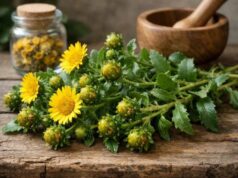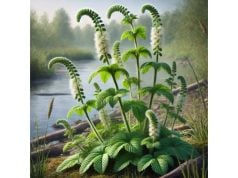
Torch ginger, also called ginger torch and known botanically as Etlingera elatior, is a striking tropical plant in the ginger family valued as both a food and a traditional medicinal herb across Southeast Asia. Its showy flower buds and tender shoots are used to flavor soups, salads, rice dishes, sambals, and relishes, where they add a bright, citrusy, floral sharpness that is difficult to replace. Beyond its culinary appeal, the plant has attracted scientific interest for its rich mix of polyphenols, flavonoids, anthocyanins, and aromatic compounds.
Modern research suggests that torch ginger may offer antioxidant, antimicrobial, anti-inflammatory, and tissue-supporting activity, especially in laboratory and animal studies. It is also being explored for skin care, metabolic support, and digestive-related applications. At the same time, it remains a food-first botanical rather than a well-standardized medicinal supplement. Human clinical data are still limited, and that affects how confidently dosage and long-term benefits can be described. The most practical way to understand torch ginger is as a flavorful edible herb with promising bioactive chemistry, a strong traditional identity, and a research story that is still developing.
Quick Facts
- Torch ginger is best understood as an edible aromatic herb with antioxidant and antimicrobial potential rather than a proven medicinal supplement.
- The flower buds appear most promising for polyphenols, flavonoids, and colorful antioxidant pigments.
- A practical culinary range is about 5 to 15 g fresh sliced inflorescence per serving, while no standardized supplement dose has been established.
- Concentrated extracts have limited human safety data, even though food use appears generally well tolerated.
- Pregnant or breastfeeding people and anyone using concentrated extracts for blood sugar or wound-related goals should seek medical guidance first.
Table of Contents
- What is ginger torch
- Key ingredients in ginger torch
- Does ginger torch have benefits
- How ginger torch is used
- How much ginger torch per day
- Ginger torch safety and who should avoid it
- What the research really shows
What is ginger torch
Torch ginger, more commonly called torch ginger than ginger torch, is a tropical perennial in the Zingiberaceae family. It grows from underground rhizomes and produces tall leafy shoots along with dramatic waxy flower heads that range from pink to red or white depending on the variety. Although the plant belongs to the same broad family as culinary ginger and turmeric, it is used somewhat differently. The unopened inflorescences and tender inner tissues are the parts most often eaten, while the plant’s scent is fresher, more floral, and more citrus-like than the warm heat most people expect from common ginger. In botanical and culinary terms, it sits closer to other aromatic Zingiberaceae relatives such as galangal than to the sharper, spicy profile of dried ginger powder.
Across Southeast Asia, torch ginger is woven into daily food culture. In Malaysia it is widely known as bunga kantan, in Indonesia as kecombrang, and in parts of Thailand as daala or daalaa. It is added to soups, rice salads, grilled fish condiments, sambals, and sour relishes because it brightens rich dishes and adds structure to fresh ones. This food identity matters. Unlike some herbs that live mostly in the supplement world, torch ginger is first and foremost an edible plant with a longstanding place at the table.
Traditional use extends beyond cooking. Different communities have used parts of the plant for cleansing, wound-related folk applications, digestive support, and general wellness. That traditional reputation helped drive modern scientific interest, especially once researchers began identifying its phenolic acids, flavonoids, anthocyanins, and volatile aroma compounds. The plant became interesting not only because it tastes distinctive, but because its chemistry suggested antioxidant, antimicrobial, and anti-inflammatory effects might be plausible.
A useful point of clarification is that torch ginger is not simply another form of edible ginger. Common ginger is valued mainly for its rhizome and its gingerol-related compounds. Torch ginger is better known for its inflorescences, floral acidity, and colorful polyphenol profile. That difference helps explain why culinary expectations and medicinal claims should not be copied from one plant to the other.
So what is ginger torch in practical terms? It is an edible flower-like herb, a traditional Southeast Asian aromatic, and a developing medicinal research plant. Its greatest current strength is that it already works beautifully as food. Its medicinal profile is promising, but still secondary to its culinary role and still far less defined than many readers assume when they see it grouped with better-known herbal supplements.
Key ingredients in ginger torch
The most interesting thing about torch ginger is not one “magic” compound, but the way several classes of bioactive molecules overlap in the same plant. The inflorescences, leaves, and other parts contain polyphenols, flavonoids, anthocyanins, phenolic acids, and volatile aromatic compounds. Together, these help explain the plant’s color, fragrance, sharp floral taste, and much of the activity seen in laboratory studies.
Among the most discussed compounds are phenolic acids such as chlorogenic acid and caffeoylquinic acid derivatives. These are often linked with antioxidant behavior and may help explain why torch ginger extracts perform well in assays that measure free-radical scavenging or reducing capacity. Flavonoids such as quercetin, kaempferol, catechin, and related glycosides also appear regularly in chemical analyses. These compounds matter because they do more than act as general antioxidants. They may also influence inflammatory signaling, cellular stress responses, and enzyme activity.
Colored flower varieties bring in another layer: anthocyanins. These pigments contribute to red or pink hues and are increasingly studied for anti-inflammatory and tissue-protective roles. Some newer work also highlights cyanidin-related compounds and cyanidin-3-glucoside as likely contributors to the activity of certain extracts. This makes torch ginger interesting from both a culinary and cosmetic angle, since pigmented plant tissues often concentrate compounds relevant to skin, oxidative balance, and food functionality.
The volatile fraction is different but equally important. Essential oil studies and broader reviews point to aromatic constituents such as dodecanal, dodecanol, alpha-pinene, beta-caryophyllene, and other terpenoid-related compounds. These help shape the plant’s distinctive scent and may contribute to antimicrobial effects. In that sense, torch ginger behaves a little like a hybrid between an edible flower and an aromatic herb. Its chemistry is not identical to rhizome-focused family members, yet it still shares enough family traits to make comparisons with other colorful Zingiberaceae plants such as curcuma useful.
Another practical point is that the chemistry differs by plant part. Inflorescences are the most studied edible portion and often the richest source for culinary relevance, antioxidant compounds, and pigment-related research. Leaves and fruits have also shown active constituents, but they are not always interchangeable with the flower buds. Variety, harvest stage, solvent used for extraction, and even growing region can shift the final profile.
This is why torch ginger should not be described too loosely as “rich in antioxidants” and left at that. It is rich in several overlapping groups of compounds, each with different likely roles. Phenolic acids and flavonoids help explain antioxidant and anti-inflammatory potential. Anthocyanins help explain pigment-linked activity in colored varieties. Volatile compounds help explain aroma and microbial effects. That combined chemistry is what makes the plant scientifically interesting and practically useful.
Does ginger torch have benefits
Yes, ginger torch appears to have meaningful health potential, but the most responsible answer is that its benefits are promising rather than proven. The strongest evidence comes from in vitro work, food-chemistry studies, and animal models, not from large human clinical trials. That means it makes sense to speak about plausible benefits and likely uses, but not to present the herb as a validated treatment.
The most consistent benefit pattern involves antioxidant activity. Torch ginger extracts repeatedly show strong performance in laboratory models that test free-radical scavenging, reducing power, and phenolic richness. That matters because oxidative stress is often the first biological pathway explored when researchers study an edible plant with colorful bracts and aromatic compounds. The plant also shows anti-inflammatory signals, including work on inducible nitric oxide synthase pathways and broader inflammatory markers. These findings make it especially interesting for food-based prevention and for topical or cosmetic exploration.
Antimicrobial activity is another recurring theme. Reviews and experimental studies describe activity against several bacteria and other microbes, although the strength depends heavily on the extract, solvent, and organism tested. This does not mean torch ginger should be treated like a stand-alone natural antibiotic. It does suggest that some of its traditional culinary value may overlap with preservative or hygiene-supporting plant chemistry.
There is also early evidence for tissue-supporting and cosmetic uses. Studies on inflorescence extracts have examined collagen-related effects, wound-healing markers, anti-tyrosinase activity, and anti-aging potential in cell-based systems. These findings are especially interesting because torch ginger is already an edible, fragrant plant used in soaps, perfumes, and personal care products in some regional traditions. The science is not yet enough to claim that it heals wounds in people, but it supports why the plant keeps attracting skincare interest.
Metabolic effects deserve cautious mention. Animal work suggests possible glucose-lowering, antioxidant, and nephroprotective effects in diabetic models. That is a real signal, but it remains preclinical. It should not be turned into a claim that torch ginger treats diabetes.
The practical takeaway is simple:
- It likely offers real antioxidant value as an edible plant.
- It may help support inflammation balance and microbial control in specific contexts.
- It has emerging promise in skin-related and tissue-related applications.
- It does not yet have strong human evidence for disease treatment.
For readers who want a grounded comparison, torch ginger fits best beside other polyphenol-rich culinary herbs that support health through regular food use, not through dramatic medicinal claims. It is a smart plant to eat, an interesting plant to study, and a premature plant to oversell.
How ginger torch is used
Torch ginger is one of those plants whose best uses begin in the kitchen. In Southeast Asian cooking, the unopened flower buds, inner bracts, and tender shoots are sliced thinly and used to bring brightness, perfume, and acidity to savory dishes. The taste is often described as floral, citrusy, green, and slightly pungent, with enough sharpness to cut through rich coconut, fish, grilled meat, or fermented condiments.
Common food uses include:
- Thinly sliced into salads and herb relishes.
- Pounded into sambals and spice pastes.
- Added to soups, sour broths, and noodle dishes.
- Mixed into rice salads and coconut-based dishes.
- Paired with seafood, grilled fish, and fresh herbs.
Because its fragrance is delicate but persistent, torch ginger usually works best when sliced finely or bruised lightly rather than cooked for a very long time. Extended high heat can flatten some of its more vivid aromatic notes. In practical cooking, it behaves well with lime, chilies, shallots, and fresh aromatics such as coriander in herb-heavy savory dishes.
Outside the kitchen, extracts of the inflorescence have been explored in topical, cosmetic, and research settings. Freeze-dried extracts, aqueous extracts, and hydroethanolic extracts are the forms most often described in studies. These are not interchangeable with a fresh sliced flower bud. A culinary portion and a concentrated laboratory extract may share a plant name while differing greatly in potency and chemical balance.
Traditional household uses have also included basic cleansing, folk wound applications, and general wellness preparations. Still, modern readers should resist the urge to translate every traditional use into a current self-treatment protocol. Torch ginger remains better established as an edible plant than as a standardized medicinal herb.
A sensible way to use it depends on your goal:
- For flavor and food-based wellness, use fresh inflorescence in meals.
- For botanical variety, treat it as an aromatic edible flower, not as a substitute for common ginger.
- For concentrated extracts, follow product-specific directions rather than improvising.
- For topical or cosmetic interest, remember that most evidence is still preclinical.
Another useful distinction is between fresh and processed forms. Fresh torch ginger delivers the clearest culinary character. Dried or powdered material may still contain useful compounds, but it loses some of the volatile brilliance that makes the plant special. Extracts can concentrate specific fractions, but they move the plant out of the culinary world and into a more pharmacological one.
In short, torch ginger is used best when form matches purpose. Fresh plant material suits cooking. Carefully prepared extracts suit research and specialty products. Confusing the two is the fastest way to misjudge what the plant can realistically do.
How much ginger torch per day
This is the section where expectations need to stay disciplined. There is no established standardized medicinal dose of torch ginger for humans. That is not a flaw in the plant. It simply reflects the current state of evidence. Most research has focused on chemistry, cell studies, and animal models rather than human dosing trials.
For culinary use, a practical range is easier to describe. About 5 to 15 g of fresh sliced inflorescence per serving is a reasonable everyday food amount, especially in salads, soups, relishes, and rice dishes. Some people will use less because the flavor is assertive. Others may use more in a shared dish. This is a culinary guideline, not a therapeutic prescription.
For people new to the plant, a gradual approach works best:
- Start with a small amount, around 5 g fresh sliced torch ginger in a meal.
- Increase only if you enjoy the flavor and tolerate it well.
- Use it as part of food rather than as a daily “dose” if your goal is general wellness.
- Treat concentrated powders, capsules, or liquid extracts as separate products with separate rules.
The challenge with supplement-like dosing is that studies often use extract amounts or animal doses that do not translate cleanly to self-care. For example, some experimental work has used specific milligram-per-kilogram extract doses in rats or high-concentration in vitro exposure levels. Those numbers are useful for science, but not for kitchen-level decisions and not for human extrapolation.
So what about teas or homemade medicinal preparations? The evidence does not support a dependable daily therapeutic range. If someone uses torch ginger as a fresh infusion or food-like preparation, it is still wisest to think in culinary terms rather than in drug-like terms. The more you move toward concentrated extracts, the more important product standardization and professional guidance become.
A practical summary looks like this:
- Fresh food use: 5 to 15 g per serving is a reasonable range.
- Occasional culinary use is easier to justify than long-term concentrated supplementation.
- No universal capsule or extract dose has been established for general health.
- Animal-study doses should not be copied into human routines.
That makes torch ginger different from herbs with long-established supplement monographs. Here, the safest and most evidence-aligned “dose” is still a food amount, used in meals, with extracts treated cautiously and individually.
Ginger torch safety and who should avoid it
Torch ginger appears relatively safe as a food, especially in the traditional culinary amounts in which it has long been used. The strongest real-world safety reassurance comes from that food history. People have eaten the inflorescences and related edible parts for years without the kind of well-known severe toxicity pattern seen with riskier herbs. That said, a safe food history does not automatically prove that concentrated extracts are equally safe in high doses or over long periods.
The main safety distinction is between food use and extract use. Food use is familiar, moderate, and buffered by the meal itself. Extract use can concentrate phenolics, pigments, or aromatic compounds in ways that are harder to predict. Some animal work suggests certain extracts were tolerated at relatively high acute doses, but that is not the same as a confirmed long-term human safety profile.
Possible side effects are likely to be mild and practical rather than dramatic:
- Stomach discomfort if a person is sensitive to strongly aromatic herbs.
- Mouth or throat irritation if eaten in unusually large raw amounts.
- Allergy-like reactions in people sensitive to members of the ginger family.
- Digestive upset from concentrated extract products of uncertain quality.
People who should be especially cautious include:
- Pregnant or breastfeeding individuals, because medicinal-dose safety has not been established.
- Children, unless the plant is being used as a normal food ingredient.
- People with significant digestive sensitivity who react strongly to pungent or highly aromatic botanicals.
- Anyone using concentrated extracts alongside diabetes medications, since preclinical work hints at glucose-related effects.
- Anyone relying on a topical preparation for wound care instead of appropriate medical treatment.
This is also a good place to note that “natural” does not solve the problem of product quality. A fresh bud bought for cooking is one thing. A capsule labeled torch ginger extract may vary widely in plant part, solvent, standardization, and dose. That gap matters. Readers comfortable with everyday aromatic foods such as lemongrass and related culinary botanicals should not assume a concentrated extract behaves the same way.
The safest modern position is balanced: culinary use looks acceptable for most healthy adults, but supplemental use is under-studied. If you are using torch ginger as food, ordinary moderation is usually enough. If you are using a concentrated product for a health goal, caution becomes much more important. When evidence is limited, sensible restraint is part of good herbal practice.
What the research really shows
The research on torch ginger is encouraging, but it is still mostly preclinical. That single fact should shape the entire reader experience. There is enough evidence to say the plant is scientifically interesting, chemically rich, and worth continued study. There is not enough evidence to claim that it reliably treats major human conditions.
What research supports reasonably well:
- Torch ginger contains a broad set of bioactive compounds, especially phenolic acids, flavonoids, anthocyanins, and aroma-related volatiles.
- Different plant parts and color varieties show different chemical strengths.
- Extracts repeatedly show antioxidant and antimicrobial activity in laboratory work.
- Newer studies support anti-inflammatory, wound-related, skin-related, and enzyme-targeted potential.
- Animal models suggest possible metabolic and tissue-protective effects.
What remains limited:
- Human randomized clinical trials.
- Standardized supplement formulations.
- Long-term human safety data for concentrated extracts.
- Clinically accepted dose ranges for specific health goals.
That gap between potential and proof is not unusual for edible medicinal plants. What matters is being honest about it. For torch ginger, the science is strong enough to justify interest, but not strong enough to justify therapeutic certainty.
One useful theme in the newer literature is that the plant may be more valuable as a functional food and research platform than as a conventional supplement. This is a subtle but important point. A plant does not need to become a capsule to be useful. Torch ginger may ultimately matter most because it enriches food with phytochemicals, supports culinary diversity, and offers selective compounds for future cosmetic or pharmaceutical development.
Another important lesson is that the plant’s activity depends on preparation. Fresh edible use, freeze-dried inflorescence extract, aqueous extract, and hydroethanolic extract do not produce the same chemical fingerprint. This means headline claims about “torch ginger benefits” are often too broad to be helpful.
The most accurate conclusion is this: torch ginger is a promising edible botanical with strong antioxidant chemistry, good culinary relevance, and several preclinical medicinal signals. It may eventually earn a larger role in evidence-based herbal practice, especially in skin-related, metabolic, or functional-food contexts. But today, its clearest, safest value remains as a bioactive food ingredient rather than a proven medicinal intervention.
References
- Trends and multidisciplinary research of torch ginger [Etlingera elatior (Jack) R.M.Sm.]: A systematic review 2026 (Systematic Review)
- Phytochemical Analysis, Computational Study, and in vitro Assay of Etlingera elatior Inflorescence Extract Towards Inducible Nitric Oxide Synthase 2025
- Assessing the Anti-Aging and Wound Healing Capabilities of Etlingera elatior Inflorescence Extract: A Comparison of Three Inflorescence Color Varieties 2023
- Etlingera elatior Flower Aqueous Extract Protects against Oxidative Stress-Induced Nephropathy in a Rat Model of Type 2 Diabetes 2022
- Torch Ginger (Etlingera elatior): A Review on its Botanical Aspects, Phytoconstituents and Pharmacological Activities 2018 (Review)
Disclaimer
This article is for educational purposes only and does not replace medical advice, diagnosis, or treatment. Torch ginger is an edible plant with promising laboratory and animal research, but it is not a proven treatment for diabetes, infections, wounds, skin disorders, or inflammatory disease. Do not use concentrated torch ginger extracts as a substitute for prescribed care. Speak with a qualified healthcare professional before using medicinal-dose preparations if you are pregnant, breastfeeding, taking regular medication, or managing a chronic health condition.
If you found this article useful, please share it on Facebook, X, or any other platform your readers prefer.