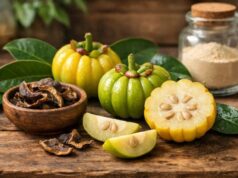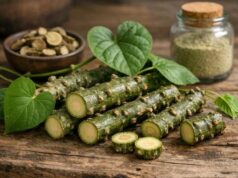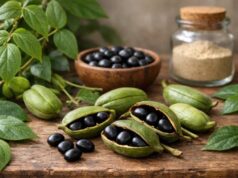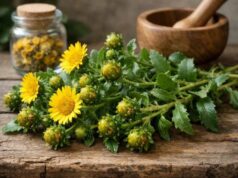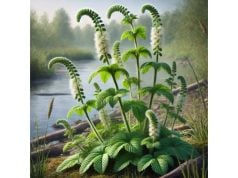
Grapple plant, better known around the world as devil’s claw, is a southern African medicinal herb used mainly for joint pain, back pain, and certain digestive complaints. The part used in supplements is not the fruit with the hooked “claws,” but the dried secondary root tubers. Modern products usually come as capsules, tablets, powders, teas, or liquid extracts. What keeps this herb in circulation is not hype alone: it has a long traditional history and a body of clinical research suggesting that standardized preparations may modestly reduce pain and stiffness in osteoarthritis and chronic non-specific low back pain.
That said, grapple plant is best understood as a practical herbal option, not a cure-all. It seems most useful for adults with persistent, everyday musculoskeletal discomfort who want a measured trial of a botanical rather than a quick numbing effect. Product quality matters, extract strength matters, and safety matters just as much. The biggest questions are not only whether it works, but which form is most likely to help, how much to take, and who should avoid it.
Key Insights
- Standardized grapple plant extracts may modestly improve osteoarthritis and low back pain symptoms, especially when daily intake provides about 50 to 100 mg harpagoside.
- Common side effects are usually digestive, and people with active stomach or duodenal ulcers should avoid it.
- Adult oral use often falls between about 600 mg and 2.4 g of extract daily, depending on the extract type and label directions.
- Avoid use during pregnancy and breastfeeding, in people under 18, and use extra caution with gallstones or blood thinners.
Table of Contents
- What is grapple plant and what is in it?
- Does grapple plant help joint pain?
- What else is it used for?
- How to use grapple plant
- How much grapple plant per day?
- Safety, interactions, and who should avoid it
- What the evidence really says
What is grapple plant and what is in it?
Grapple plant belongs to the genus Harpagophytum, a group of trailing plants native to the drier regions of southern Africa. You will also see it sold as devil’s claw, devil’s claw root, or by its Latin name Harpagophytum procumbens. The nickname comes from the woody fruit, which develops hooked projections that can catch on animals. In practice, however, herbal products are made from the plant’s secondary root tubers, which are harvested, dried, and processed into medicinal forms.
One useful detail for buyers is that commercial devil’s claw products do not always come from a single perfectly isolated botanical source. In trade, Harpagophytum procumbens and Harpagophytum zeyheri may both appear, and official references often discuss them together because the dried raw material is difficult to distinguish once processed. That does not automatically make products poor quality, but it does explain why labels sometimes emphasize standardization more than species purity.
The chemistry of grapple plant is more complex than one famous compound. The best-known marker is harpagoside, an iridoid glycoside. It is commonly used to standardize extracts and to compare products in research. Other iridoids, such as harpagide and 8-p-coumaroylharpagide, also appear in the root, along with phenylethanoid glycosides like verbascoside and isoverbascoside, plus flavonoids, phytosterols, and water-soluble carbohydrates. In plain terms, this is not a one-molecule herb.
That matters because many people assume higher harpagoside automatically means a better product. It is an important marker, but it may not be the whole story. Modern reviews note that isolated harpagoside does not fully explain the herb’s anti-inflammatory profile. Whole extracts sometimes perform better than the isolated marker would predict, suggesting that multiple compounds likely work together. That is why two products can both say “devil’s claw” on the label yet behave quite differently in practice.
The form also matters. You may find grapple plant as:
- powdered root
- dry extract
- liquid extract
- tincture
- herbal tea
Each form can deliver a different amount of active constituents, even when the front label looks similar. A 500 mg capsule of plain powdered root is not equivalent to a 500 mg concentrated extract. That is one of the biggest reasons people get confused about dosing and results.
The simplest way to think about grapple plant is this: it is a traditional pain-and-digestion herb whose usefulness depends heavily on the preparation, not just the plant name. If you treat all products as interchangeable, you are much more likely to be disappointed.
Does grapple plant help joint pain?
This is the question most readers really want answered, and the answer is: sometimes, modestly, and mainly for the right kind of pain.
Grapple plant is most often used for osteoarthritis and chronic non-specific low back pain. Those are not the same as sudden sports injuries, nerve compression, inflammatory arthritis flares, or a swollen red joint that needs medical evaluation. Where the herb seems most relevant is steady, everyday musculoskeletal pain marked by stiffness, aching, and limited function rather than severe acute inflammation.
The best evidence is not dramatic, but it is meaningful. Systematic reviews have found moderate evidence that certain standardized preparations may help osteoarthritis of the spine, hip, and knee, and that specific aqueous extracts may reduce pain in chronic non-specific low back pain. More recent clinical work in knee osteoarthritis also suggests short-term improvement in pain and function, with tolerability that appears acceptable in smaller studies. A fair summary is that the evidence is limited to moderate rather than strong.
What kind of improvement should you expect? Realistic outcomes include:
- lower pain scores over several weeks
- less morning or after-rest stiffness
- somewhat easier walking or daily movement
- reduced need for rescue pain medicine in some people
What you should not expect is the effect of an over-the-counter painkiller that starts within an hour. Grapple plant is not a fast-acting numbing agent. For many users, it is more of a slow-building herb. If it works, the change usually shows up as easier movement, slightly less stiffness, and better tolerance of daily activity.
Another useful point: it seems most promising when the product is standardized and the dose is adequate. Trials using stronger extracts or preparations delivering higher harpagoside exposure generally looked better than low-dose or poorly characterized products. That does not prove harpagoside is the only active constituent, but it does show that underdosed formulas are less likely to help.
People who are comparing options for joint comfort often also look at boswellia support for joints, which targets inflammation through a different botanical profile. That comparison can be useful because not every herb suits every pain pattern.
Grapple plant may be worth trying when pain is chronic, moderate, and mechanical in character. It is less compelling when symptoms are severe, rapidly worsening, associated with fever, or clearly linked to structural damage that needs targeted medical care. It can be part of a plan, but it should not replace exercise therapy, weight management, sleep improvement, or a proper diagnosis when symptoms are changing.
What else is it used for?
Although joint pain gets most of the attention, grapple plant has a longer traditional résumé. In traditional use, it has been taken for digestive complaints such as bloating, flatulence, mild dyspepsia, and temporary loss of appetite. Official herbal guidance still recognizes those digestive uses, but it classifies them as traditional use, which is different from saying they are backed by strong modern clinical evidence.
This digestive role makes sense when you look at the herb’s taste profile. Grapple plant is bitter, and bitter herbs often stimulate digestive secretions and appetite. For some people, that can translate into a feeling of improved digestion or less sluggishness after meals. But there is an important catch: the same bitter-stimulating effect is one reason the herb is a poor fit for people with active stomach or duodenal ulcers.
The herb has also been used more broadly in folk practice for rheumatic pain, tendon discomfort, feverish illness, and general inflammation. Those uses are part of its story, but the evidence is not equally strong across all of them. Modern consumers sometimes stretch devil’s claw into claims about weight loss, appetite suppression, autoimmune disease, or full-body detox. Those claims go much further than the research supports.
A better way to think about its other uses is this:
- Digestive support: plausible and traditional, especially for mild bloating or reduced appetite.
- General pain support: possible, but the strongest data still centers on osteoarthritis and low back pain.
- Inflammation claims outside musculoskeletal pain: still too thin for confident conclusions.
If your main complaint is nausea, motion sickness, or meal-related queasiness, a different herb may fit better. In that setting, ginger for digestive support usually makes more practical sense than grapple plant.
It is also worth separating traditional use from modern proof. Traditional use can be valuable. It tells us a remedy has a pattern of historical use and enough safety experience to remain relevant. But it does not guarantee that a modern, concentrated supplement will deliver the same effect, or that every claim made online is justified.
So yes, grapple plant has more than one use. The problem is not that those uses are impossible. The problem is that they are often presented with more certainty than the evidence deserves. The farther you move away from mild digestive complaints and chronic musculoskeletal pain, the more cautious you should become.
How to use grapple plant
The best way to use grapple plant is usually the least glamorous one: choose a clearly labeled oral product, use it consistently, and judge it against a specific symptom goal. Randomly taking a vague joint blend for a few days is not a good test.
Most people use grapple plant in one of four forms:
- standardized capsules or tablets
- powdered root capsules
- liquid extract or tincture
- herbal tea
For pain support, capsules and tablets are the most practical because the dose is easier to repeat and compare. Tea is traditional, but it is less convenient and can be harder to standardize. Tinctures may work well for some users, though they also vary more by solvent and concentration.
When choosing a product, look for details such as:
- the type of extract
- the extract ratio, if listed
- whether harpagoside or another standardization marker is stated
- the recommended daily amount, not just the amount per capsule
- whether the product is a single-herb formula or a blend
These details matter because some products provide much clearer information on dose, contraindications, and duration of use than others. In other words, the label itself can tell you something about product seriousness.
A clean self-test often works best:
- Pick one product with a clear daily dose.
- Take it as directed for several weeks, not several days.
- Track two or three outcomes, such as morning stiffness, walking tolerance, or pain score.
- Do not change three other supplements at the same time.
For stomach-sensitive users, taking the herb with food may improve comfort, even though traditional bitters are often taken before meals. Practical tolerability matters more than theory.
You should also think about what kind of support you actually need. Grapple plant is an oral herb best matched to broader pain or stiffness patterns. If your problem is a bruise, a tender spot, or a localized overuse ache, a topical approach may be more logical; in that case, some people compare it with topical arnica options instead of swallowing another capsule.
A final point: avoid stacking too many products at once. It is common to combine grapple plant with turmeric, boswellia, collagen, omega-3s, magnesium, and pain relievers all at once. Then nobody knows what is helping, what is irritating the stomach, or what may be interacting. The cleaner the trial, the more useful the result.
How much grapple plant per day?
This is where many articles oversimplify. There is no single universal dose for grapple plant, because the right amount depends on the form, extract strength, and standardization. A capsule count without context is not very helpful.
Still, several practical dosing patterns appear repeatedly in official monographs and clinical literature. For traditional use in minor articular pain, examples include powdered root at 435 mg three times daily for a total of about 1.35 g per day, certain dry extracts in the range of 100 to 1200 mg two to three times daily up to 2.4 g per day, and some preparations at 480 mg twice daily. Traditional tea use is also described at about 4.5 g in 500 mL of boiling water, infused for a prolonged period and divided into three doses.
Clinical discussions often translate dosing another way: by harpagoside exposure. In that frame, the most commonly cited benefit range is roughly 50 to 100 mg harpagoside daily, especially in research on low back pain and osteoarthritis. That is one reason two products with the same capsule weight can feel very different.
A practical way to approach dosing is:
- Start low within the product’s label range if you are new to the herb.
- Use the full recommended daily amount consistently rather than taking it only on bad days.
- Give it time, usually at least 2 to 4 weeks for an initial read, and often 6 to 8 weeks for joint-focused use.
- Do not chase higher doses just because a label looks mild; extract type may already be concentrated.
For joint complaints, some users compare the dosing experience with willow bark for pain relief, but the two are not interchangeable. Willow bark is often discussed through salicin content, while grapple plant is more often discussed through harpagoside and extract form.
Timing is flexible. Split doses are common because many preparations are meant to be taken two or three times daily. If your product says once daily, follow that label unless a clinician tells you otherwise.
Also pay attention to duration. Traditional herbal guidance suggests that persistent joint symptoms beyond 4 weeks should prompt medical advice, and digestive symptoms beyond 2 weeks should not simply be self-treated indefinitely. That is sensible advice. The goal is not to take the herb forever by default. The goal is to see whether a defined, appropriate trial helps enough to justify continued use.
Safety, interactions, and who should avoid it
Grapple plant is often described as well tolerated, and that is generally fair, but well tolerated does not mean risk-free.
The most common problems are digestive. Reported adverse effects include:
- diarrhea
- nausea
- vomiting
- abdominal pain
Other reported effects include headache, vertigo, rash, hives, and facial swelling. Safety reviews have generally found that adverse effects are uncommon and often mild, but long-term safety data remain thinner than many buyers assume.
The clearest group that should avoid it is people with active gastric or duodenal ulcer disease. Official herbal guidance lists that as a contraindication. People with gallstones should also seek medical advice before using it. Pregnancy and breastfeeding are another major caution point: safety has not been established, so routine use is not recommended. The same is true for children and adolescents under 18, where adequate data are lacking.
A few other cautions matter in real life:
- Diabetes: some summaries warn that the herb may lower blood glucose, so closer monitoring makes sense if you use glucose-lowering medication.
- Heart or circulation concerns: some summaries note possible effects on heart rate or blood pressure, so people with cardiovascular disease should be more conservative.
- Unexplained joint symptoms: if pain comes with swelling, redness, fever, or sudden functional loss, that is not a try-an-herb-and-wait situation.
Drug interactions are less certain than many websites imply, but they are not something to dismiss. The best-known concern is warfarin or other blood-thinning therapy. There is limited evidence overall, but case reports and laboratory concerns are enough to justify caution. People taking anticoagulants, antiplatelet drugs, or other narrow-therapeutic-index medicines should not add devil’s claw casually.
A practical who-should-avoid-it list includes:
- pregnant or breastfeeding adults
- anyone under 18
- people with active stomach or duodenal ulcers
- people with gallstones unless a clinician approves
- people on warfarin or similar blood thinners without medical supervision
- people with unexplained inflammatory-looking joint symptoms
There is also a simpler rule: if the herb worsens pain, upsets your stomach, causes a rash, or leads to bruising or bleeding you cannot explain, stop and get advice. Sensible herbal use is not only about starting correctly. It is about knowing when to stop.
What the evidence really says
The honest evidence summary is more useful than the most enthusiastic one.
Grapple plant is not a fake herb, and it is not a miracle herb. It sits in the middle: plausible, somewhat supported, clearly product-dependent, and still limited by uneven research quality.
The positive side is real. Human trials and reviews do suggest that certain preparations can help osteoarthritis symptoms and chronic low back pain, especially when the extract is adequately dosed and clearly characterized. The safety profile also looks acceptable for many adults when used short term and with the right precautions.
The weak side is also real. Much of the clinical literature is older. Studies use different extracts, different harpagoside levels, different comparators, and different outcome measures. Some are small. Some are not methodologically strong by current standards. That makes broad claims harder than marketers would like. Modern reviewers still point to limited long-term data and ongoing uncertainty about which constituents matter most.
Another major issue is product quality. Some regulated herbal medicinal products provide far clearer information on dose, contraindications, and safe use than many generic supplement-style products. For a buyer, that means the evidence question is not only “Does devil’s claw work?” It is also “Does this product resemble the better-described preparations used in research and regulation?”
So what should a practical reader do with all this?
Use grapple plant when all of these are true:
- your main problem is mild to moderate chronic joint or back discomfort
- you want a cautious botanical trial, not an instant painkiller
- you can choose a clearly labeled, standardized product
- you do not have the main contraindications
- you are willing to track results over several weeks
Be more skeptical when the claim is broad, urgent, or trendy. Grapple plant is not proven for every inflammatory condition, it is not a replacement for diagnosis, and it is not automatically better because it is natural. Readers comparing broader anti-inflammatory supplement strategies may also look at turmeric and curcumin, but the same rule applies there too: standardization, dose, and fit matter more than buzzwords.
The bottom line is straightforward. Grapple plant is a reasonable herbal option for selected adults, especially for osteoarthritis-style pain and some low back pain patterns. It deserves respect, not hype.
References
- European Union herbal monograph on Harpagophytum procumbens DC. and/or Harpagophytum zeyheri Decne., radix 2016 (Guideline)
- From Bush Medicine to Modern Phytopharmaceutical: A Bibliographic Review of Devil’s Claw (Harpagophytum spp.) 2021 (Review)
- The Efficacy of Harpagophytum procumbens (Teltonal) in Patients with Knee Osteoarthritis: A Randomized Active-Controlled Clinical Trial 2021 (RCT)
- Devil’s claw (Harpagophytum procumbens): is the buzz in Google justified? 2025 (Review)
- Systematic review on the safety of Harpagophytum preparations for osteoarthritic and low back pain 2008 (Systematic Review)
Disclaimer
This article is for educational purposes only and does not replace medical advice, diagnosis, or treatment. Herbal products can cause side effects, may interact with medications, and may be unsafe for some people, including those who are pregnant, breastfeeding, taking blood thinners, or living with ulcer disease, gallstones, diabetes, or heart conditions. Always review a new supplement with a qualified healthcare professional before use, especially if you have ongoing pain, red-flag symptoms, or take prescription medicines.
If you found this article helpful, please share it on Facebook, X, or any platform you prefer so others can find it too.