Gravel root is the traditional medicinal root of a tall North American wildflower more widely known today as joe-pye weed. In older herb books, it appears under the name Eupatorium purpureum; in modern botany, it is often placed in the genus Eutrochium. Herbalists have long used the root and rhizome for urinary “gravel,” painful urination, bladder irritation, and rheumatic aches, which explains why the plant still attracts interest from people looking for gentler, plant-based urinary support.
What makes gravel root appealing is not one dramatic, proven effect, but a cluster of traditional actions: mild diuretic support, possible anti-inflammatory activity, and a long reputation in formulas aimed at urinary discomfort. At the same time, this is not a casual everyday herb. Modern human research is thin, product quality can vary, and there are meaningful safety questions around possible pyrrolizidine alkaloid exposure and adulteration with related plants.
That means gravel root is best understood as a cautious, short-term traditional remedy rather than a fully validated modern treatment.
Quick Overview
- Gravel root is traditionally used for urinary discomfort, urinary “gravel,” and mild fluid retention.
- Its most realistic benefit is supportive urinary relief, not a proven ability to dissolve kidney stones.
- Traditional adult use is often listed as 2–4 g dried root and rhizome, one to three times daily, or 3–8 mL per day of a 1:3 tincture.
- Avoid long-term use and avoid use during pregnancy, breastfeeding, childhood, and in people with liver disease.
- Seek medical care promptly for fever, blood in urine, severe flank pain, vomiting, or trouble passing urine.
Table of Contents
- What is gravel root
- Key compounds and how they work
- Does gravel root help urinary health
- Other traditional uses and practical roles
- How to use it and dosage
- Safety, interactions, and who should avoid it
- What the evidence says
What is gravel root
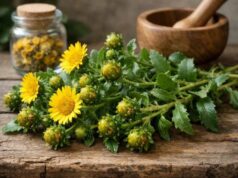
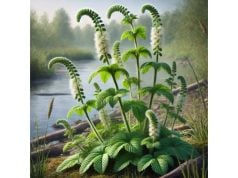
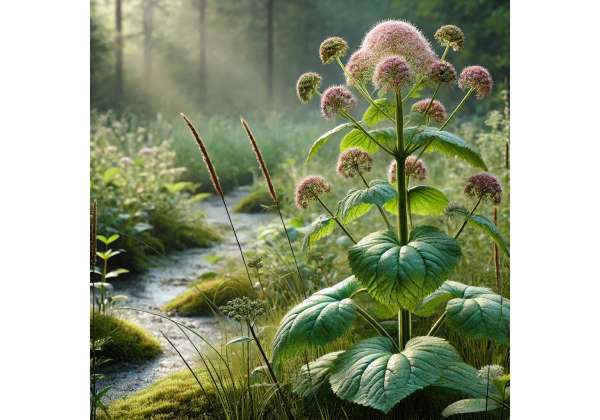
Gravel root refers to the medicinal root and rhizome of Eupatorium purpureum, a species now commonly classified as Eutrochium purpureum. It belongs to the Asteraceae family and is native to eastern North America, where it grows in damp meadows, woodland edges, and streamside areas. The plant itself is tall and striking, with purple-green stems and soft mauve flower clusters, but the part used in traditional medicine is the underground portion rather than the flowers.
Its common names tell you a lot about how it was used. “Gravel root” points to its reputation for urinary gravel, an older term for sandy sediment, irritation, or small stone-like material in the urinary tract. Other names, such as queen of the meadow, kidneywort, and joe-pye weed, reflect both folk tradition and regional naming habits. In practical terms, when people buy gravel root as an herbal product, they are usually looking for dried root, powdered root, tincture, or a formula aimed at urinary support.
Historically, the herb was used in Indigenous North American traditions and later in Eclectic and Western herbal medicine. It was given for painful urination, bladder irritation, “dropsy” or fluid retention, rheumatic pain, and sometimes feverish illness. Some older texts also describe use for uterine or childbirth-related purposes, but those uses do not translate well into modern self-care and are not considered appropriate reasons to use the herb today.
One important detail is identity. Many products and older labels still use the older botanical name Eupatorium purpureum, while newer sources may use Eutrochium purpureum. That is not automatically a problem, but it does mean buyers need to read labels carefully. Gravel root is also a plant with some concern about adulteration, misidentification, and hybridization with related species. That matters because the chemistry and safety profile of a product can change when the wrong plant is harvested or mixed in.
For the average reader, the most useful way to think about gravel root is simple: it is a traditional urinary herb with a mild diuretic reputation, a secondary history in rheumatic complaints, and a safety profile that calls for more caution than many common herbal teas.
Key compounds and how they work
Gravel root does not have a single famous “headline” molecule in the way some herbs do. Instead, it appears to work as a mixed botanical, meaning several groups of compounds may contribute small parts of the overall effect. That helps explain both its traditional usefulness and its modern ambiguity: people may feel it helps, but the exact mechanism is not neatly standardized.
The best-known reported constituents in gravel root include benzofuran-type compounds such as cistifolin, euparin, and euparone, along with resins and a small volatile oil fraction. These compounds are often discussed for their possible anti-inflammatory and tissue-level effects. In lab work, cistifolin has shown activity related to inflammatory cell adhesion, which gives some biochemical support to the herb’s historical use in painful, irritated conditions.
From a practical herbal perspective, gravel root is usually described as having three broad actions:
- It may gently increase urine flow.
- It may help calm irritation in the urinary tract.
- It may modestly support inflammatory balance.
Those actions fit the old uses for urinary gravel, burning urination, and “gouty” or rheumatic pain. They also explain why gravel root is often grouped with other traditional urinary herbs rather than treated as a stand-alone miracle remedy.
Still, there is an important complication. Some sources raise concern that gravel root, or products sold as gravel root, may contain pyrrolizidine alkaloids or may be contaminated with related species that do. These compounds are important because some pyrrolizidine alkaloids are linked to liver toxicity and long-term safety concerns. In other words, the same plant family chemistry that makes gravel root interesting is also part of what makes it a herb to use carefully.
Another practical point is that herbal chemistry changes with the preparation. A decoction pulls out different compounds than a tincture. Dried root may not behave exactly like a fresh plant extract. Product age, storage, and species identification can all change the final profile. That is one reason two people can use “gravel root” and get different results.
So what do the key ingredients really mean for someone considering this herb? They suggest that gravel root has plausible biological activity, especially around irritation and inflammation, but they do not prove a clinical outcome. That distinction matters. Knowing the chemistry helps explain why the herb entered traditional practice, but it does not replace evidence on real-world effectiveness, dose consistency, or long-term safety.
If you like herbs with a broad, traditional “system support” profile, gravel root fits that model. If you want a strongly standardized, single-compound supplement with predictable pharmacology, it does not.
Does gravel root help urinary health
Urinary health is the main reason most people look into gravel root. The herb is traditionally used for urinary gravel, bladder irritation, painful urination, mild fluid retention, and discomfort that seems to sit somewhere between inflammation and congestion. In that narrow traditional lane, gravel root makes sense.
What it may do best is support a “flush and soothe” approach. A warm decoction adds fluid, may encourage a bit more urine flow, and may provide mild anti-inflammatory support. That combination can feel helpful when the problem is mild urinary irritation, low-grade discomfort, or a sense of heaviness in the urinary tract. Herbalists also use it in blends with gentler companions such as corn silk for soothing urinary support, where the goal is comfort and flow rather than a dramatic medicinal hit.
Realistic potential benefits include:
- Mild support for uncomfortable urination when there are no red-flag symptoms.
- Supportive use in recurrent urinary “gravel” patterns under professional guidance.
- Short-term help in formulas aimed at bladder or prostate irritation.
- Gentle diuretic support when fluid retention is mild and not caused by serious disease.
What gravel root probably does not do is reliably dissolve kidney stones. That is a common assumption based on the name, but it overstates the herb. A person with a true kidney stone may still need pain control, imaging, prescription medication, or urgent care. The herb may be used as supportive traditional care in some settings, but it is not a substitute for medical evaluation when symptoms are intense.
That distinction is especially important because stone symptoms and infection symptoms can overlap. Fever, chills, nausea, one-sided flank pain, blood in the urine, or an inability to urinate are not situations for self-treatment. They need prompt medical care.
It also helps to think in terms of fit. Gravel root is more plausible for someone with recurrent mild urinary irritation, a history of being advised on herbal urinary care, and a desire for a short-term, carefully sourced herb. It is much less appropriate for someone trying to self-manage a first stone attack, a possible kidney infection, or chronic urinary symptoms without a diagnosis.
In short, gravel root may have a reasonable place as a traditional urinary support herb, especially when used in modest doses and with realistic expectations. Its reputation is understandable. Its role, however, is supportive rather than definitive.
Other traditional uses and practical roles
Although urinary complaints dominate the modern conversation, gravel root has a broader herbal history. Older texts describe it for rheumatism, gouty pain, feverish states, edema, and general irritation involving the kidneys and bladder. Some traditions also describe use around labor or uterine tone, but that belongs to historical record more than modern safe practice.
The rheumatism and gout angle is easier to understand than it may sound at first. In older herbal systems, pain that seemed worse with sluggish elimination, uric acid build-up, or urinary disturbance was often treated with herbs that encouraged the body to move fluid and waste more efficiently. Gravel root fit that model. It was not seen as a direct painkiller in the way willow bark is; it was seen more as a corrective herb for a “congested” pattern.
That older logic still has some practical value today, as long as it is translated carefully. Gravel root may be considered in traditional practice when a person has:
- Mild, recurring urinary irritation with a history of similar episodes.
- Achy, “gouty” or rheumatic complaints that seem to flare alongside fluid retention.
- A need for a short-term urinary formula rather than a daily tonic.
It also tends to function better as a formula herb than as a solo herb. For example, some practitioners pair it with goldenrod in urinary-support blends when the goal is broader urinary tract comfort, while others combine it with soothing or demulcent plants to soften its profile.
What should not be taken from its historical resume is that gravel root is a cure-all. “Dropsy,” “gravel,” and “rheumatism” were broad old terms, not modern diagnoses. A person with ankle swelling from heart failure, gout confirmed by blood work, or chronic pelvic pain needs targeted medical assessment, not just an old herbal label.
There is also a practical limit to how gravel root is best used. It is not the kind of herb most people should sip casually for months. Compared with milder daily options, its value lies more in short, intentional use. If someone simply wants a gentler herb to support normal fluid balance as part of everyday wellness, dandelion-based support is often the more common long-term choice.
So while gravel root does have a wider traditional profile, its most sensible modern role remains fairly narrow: targeted, short-term support in urinary-centered patterns, sometimes with a secondary role in old-style rheumatic presentations.
How to use it and dosage
Gravel root is usually taken as a decoction, tincture, powdered root, or as part of a mixed urinary formula. Because modern clinical trials have not established a standardized evidence-based dose, the amounts commonly cited today are traditional adult ranges rather than proven medical dosing. That difference matters. Traditional dosing can guide cautious use, but it should not be treated as the same thing as a validated prescription standard.
The most common traditional form is a decoction made from the dried root and rhizome. This fits the herb well because tougher underground plant parts often need simmering rather than simple steeping. A typical traditional approach is:
- 2–4 g dried root and rhizome, one to three times daily.
- Or about one-half to one teaspoon simmered in a mug-sized amount of water for 15–20 minutes.
- A common serving is about one-half cup per dose.
Tincture is the other common option. A frequently cited traditional range is:
- 3–8 mL per day of a 1:3 tincture, usually divided into two or three doses.
In practical use, a cautious approach looks like this:
- Start at the low end of the range.
- Use it for a short, defined window rather than indefinitely.
- Increase fluid intake unless a clinician has told you to restrict fluids.
- Stop and seek care if symptoms escalate or do not improve.
Many people do best with gravel root in a formula rather than alone. Historically, it has often been paired with urinary herbs such as hydrangea root in traditional urinary-gravel formulas. That does not prove the combination works better, but it reflects how the herb is often used in practice: one herb to nudge flow, another to soothe, another to round out the blend.
Timing matters, too. For mild urinary support, divided doses during the day make more sense than a large single dose. Taking it very late at night may be inconvenient if it increases the urge to urinate. For stone-like or infection-like symptoms, it should never delay evaluation.
A few practical quality rules are worth following:
- Buy from a supplier that clearly identifies the species and plant part.
- Avoid products that are vague about origin or standardization.
- Do not assume “more” is better.
- Do not use it as a long-term daily tonic unless supervised by a qualified clinician.
Used this way, gravel root stays in its most sensible lane: careful, short-term, traditional support with measured expectations.
Safety, interactions, and who should avoid it
Safety is the section where gravel root deserves more attention than many readers expect. This is not because the herb is known to be uniformly dangerous, but because the uncertainties around identification, contamination, and potential pyrrolizidine alkaloid exposure make a casual approach unwise.
The central concern is liver safety. Some plants in related groups contain pyrrolizidine alkaloids, compounds associated with hepatotoxicity and long-term carcinogenic risk. In gravel root itself, the picture is not fully settled. Some sources describe the risk as possible rather than proven, while also noting that adulteration with related species can change what is actually in a product. From a practical safety standpoint, that is enough reason to avoid chronic use and to favor reputable sourcing.
People who should avoid gravel root include:
- Pregnant or breastfeeding adults.
- Children.
- Anyone with liver disease or a history of unexplained liver injury.
- Anyone with significant kidney disease unless specifically supervised.
- People with known allergy to Asteraceae-family plants.
- Anyone with severe urinary symptoms that have not been medically evaluated.
Possible side effects are not especially well documented in modern trials, but the reasonable concerns include stomach upset, allergic reaction, excessive urination, dehydration, and problems related to contaminated or misidentified products. If a person becomes lightheaded, develops abdominal pain, notices jaundice, or feels worse rather than better, the herb should be stopped immediately and the symptoms assessed.
Interaction data are also limited, but caution is sensible with:
- Prescription diuretics.
- Drugs that already stress the liver.
- Lithium, because changes in fluid balance can alter lithium handling.
- Medicines used in people with kidney disease or unstable blood pressure.
This is also a herb to think twice about if you are using several urinary herbs at once. Stacking multiple “draining” herbs can create too much fluid loss or make it hard to tell what is helping. In people seeking stronger short-term urinary formulas, uva ursi for urinary support is often discussed as an alternative herb, but it carries its own separate restrictions and is not automatically safer.
The best practical rule is simple: use gravel root only when the reason is clear, the duration is short, and the product source is trustworthy. Safety is not just about the plant on paper; it is also about what is actually in the bottle, how long it is taken, and whether warning signs are being ignored.
What the evidence says
The evidence for gravel root is a classic example of a strong traditional reputation paired with weak modern clinical proof. That does not mean the herb is useless. It means the confidence level should be moderate to low, especially when the question is whether it can treat a specific diagnosed condition.
The most direct modern evidence is preclinical. Lab and animal work suggests that at least some constituents, especially cistifolin, have anti-inflammatory activity. That supports the plausibility of the herb’s old use in irritated tissues and painful urinary or rheumatic states. It gives gravel root a biochemical story that is more substantial than pure folklore.
But when you move from mechanism to outcome, the picture becomes much thinner. There are no robust modern human trials showing that gravel root reliably prevents kidney stones, treats urinary tract infections, relieves prostatitis, or improves arthritis in a clinically meaningful way. Broader reviews of plant-based support for urolithiasis and urinary complaints often discuss herbal strategies in general, but they do not elevate gravel root to the level of a well-proven front-line therapy.
That means the evidence can be summarized this way:
- Traditional use: strong and longstanding.
- Mechanistic plausibility: present.
- Human clinical evidence: limited.
- Standardized dosing: weak.
- Safety certainty: incomplete.
This is also one of those herbs where uncertainty about the product may matter almost as much as uncertainty about the plant. If studies, supplier practices, and herbal traditions are not all talking about exactly the same authenticated material, confidence drops further.
For readers trying to make a practical decision, the takeaway is balanced. Gravel root is not nonsense. It has a coherent history, biologically interesting compounds, and a rational traditional niche in urinary support. At the same time, it is not a research-backed substitute for evaluation of stones, infection, severe urinary pain, or persistent blood in the urine.
The best modern position is cautious respect. Gravel root may have a place as a short-term traditional herb under informed use, especially in people already working with an experienced clinician or herbal practitioner. It should not be oversold, and it should not be used to postpone diagnosis when symptoms point to a more serious problem.
References
- Gravel root (Eutrochium purpureum): Benefits, Safety, Uses 2022
- Dietary supplements and medicinal plants in urolithiasis: diet, prevention, and cure 2023 (Review)
- Pyrrolizidine Alkaloids in Foods, Herbal Drugs, and Food Supplements: Chemistry, Metabolism, Toxicological Significance, Analytical Methods, Occurrence, and Challenges for Future 2024 (Review)
- Phytotherapy in Urolithiasis: An Updated Overview of Current Knowledge 2025 (Review)
- Antiinflammatory activity of the antirheumatic herbal drug, gravel root (Eupatorium purpureum): further biological activities and constituents 2001 (Seminal Study)
Disclaimer
This article is for educational purposes only and does not replace medical advice, diagnosis, or treatment. Herbs can cause side effects, interact with medicines, and may be inappropriate for some health conditions. Seek prompt medical care for fever, blood in the urine, severe flank pain, vomiting, trouble passing urine, or suspected kidney stones or urinary infection. Speak with a qualified healthcare professional before using gravel root if you are pregnant, breastfeeding, taking prescription medicines, or have liver or kidney disease.
If this article was helpful, please consider sharing it on Facebook, X, or your preferred platform.