Green chiretta, also called Andrographis paniculata or kalmegh, is one of the best-known bitter herbs in traditional Asian medicine. It has long been used for feverish illnesses, sore throat, cough, digestive upset, and general “heat” or inflammatory complaints. What makes it stand out today is a mix of old use and modern interest: researchers have studied it for upper respiratory infections, immune signaling, inflammation, and product standardization, while consumers often seek it for colds, flu-like symptoms, and short-term immune support.
The herb’s reputation is strongest where its effects are most practical. Standardized extracts may help reduce the intensity or duration of uncomplicated cold and sore-throat symptoms in some adults, especially when taken early and at an adequate dose. At the same time, green chiretta is easy to oversell. It is not a cure for serious infection, not a substitute for antibiotics when they are needed, and not automatically safe just because it is plant-based. The most useful questions are simple: which compounds matter, what does it realistically help, how much is typically used, and who should be cautious.
Essential Insights
- Green chiretta may modestly reduce sore throat, cough, and overall cold symptom burden when used early in uncomplicated upper respiratory infections.
- Many adult protocols use extracts supplying about 60 mg of andrographolide daily for 5 to 7 days.
- Allergic reactions and taste disturbance, including loss of taste, have both been reported and should not be ignored.
- Avoid use during pregnancy and breastfeeding, and use extra caution if you take prescription medicines or have an autoimmune condition.
Table of Contents
- What is green chiretta and what is in it?
- Does green chiretta help colds and sore throat?
- What else is it used for?
- How to use green chiretta
- How much green chiretta per day?
- Side effects, interactions, and who should avoid it
- What the evidence really says
What is green chiretta and what is in it?
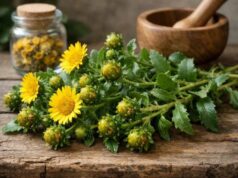
Green chiretta is an annual herb from the Acanthaceae family, native to India and Sri Lanka and now cultivated across much of South and Southeast Asia. It is famous for one sensory trait above all others: it is intensely bitter. In traditional systems, that bitterness is not just a taste note. It has been associated with fever remedies, digestive stimulation, and formulas meant to “clear heat” or cool inflammatory states. Modern commercial products usually use the dried aerial parts or leaf extract and sell them as capsules, tablets, tinctures, powders, or combination immune formulas.
The plant’s chemistry helps explain both its popularity and its uneven product quality. The main marker compound is andrographolide, a diterpene lactone widely treated as the signature active constituent. Other related diterpenes include neoandrographolide, deoxyandrographolide, 14-deoxy-11,12-didehydroandrographolide, and related lactones. Green chiretta also contains flavonoids, phenolic acids, and smaller supporting compounds that may influence antioxidant, anti-inflammatory, and immunologic activity.
That is an important point because shoppers often reduce the herb to one number on a label. A bottle may advertise “10% andrographolides” or “30% andrographolide content,” and that can be useful, but it does not tell the whole story. Different extracts, different plant parts, and different manufacturing standards can all change the final profile. Recent quality testing of commercial products showed just how variable that can be, with some supplements significantly underdosed, some overdosed, and a few contaminated. In other words, green chiretta is not a herb where brand quality is a minor detail. It is central to whether the product resembles what has actually been studied.
In practical terms, the herb seems to work through several overlapping mechanisms:
- modulation of inflammatory signaling
- support for immune responses
- mild antipyretic and symptom-relieving effects
- possible direct antimicrobial or antiviral effects in laboratory settings
But laboratory mechanisms are not the same as clinical proof. It is safer to think of green chiretta as a standardized bitter medicinal herb with respiratory-focused short-term use, rather than as a universal “immune booster.” Readers comparing broad herbal immune formulas sometimes also look at astragalus for immune support, but green chiretta tends to be chosen more for acute, short-term use than for long seasonal use.
The main lesson from its chemistry is simple: the herb is real, its compounds are biologically active, and product standardization matters. The phrase “contains andrographis” is not enough on its own.
Does green chiretta help colds and sore throat?
This is where green chiretta has its clearest modern use. Among herbal cold remedies, it is one of the better studied options for uncomplicated upper respiratory symptoms, especially sore throat, cough, runny nose, malaise, and the general symptom burden that comes with a common cold or similar viral upper respiratory infection.
The best summary is not that it “cures colds,” but that it may reduce symptom severity and shorten recovery modestly in some people, especially when treatment begins early. That distinction matters. Green chiretta is not known for acting like an antibiotic, and it is not a substitute for medical care when symptoms are severe or worsening. Its value appears to be in symptom relief, not in replacing diagnosis.
Several clinical reviews have found that andrographis preparations perform better than placebo for uncomplicated upper respiratory tract infection symptoms. The symptom areas that tend to improve most consistently include sore throat, cough, nasal symptoms, fatigue, and overall symptom scores. Some studies suggest the effect becomes more obvious after a few days rather than immediately. That pattern fits the lived experience of many herbal remedies: not instant, but noticeable when the match is right and the dosing is adequate.
What kind of improvement is realistic?
- the throat may hurt less
- coughing may feel less frequent or less irritating
- fatigue and general “sick” feeling may soften
- the total number of lingering symptoms may drop sooner
What you should not expect is dramatic suppression of serious infection, reversal of shortness of breath, or protection from every viral illness. The herb fits mild to moderate, uncomplicated, self-limited upper respiratory illness best. It is less appropriate when symptoms suggest pneumonia, bacterial sinusitis, strep complications, dehydration, or escalating breathing difficulty.
Timing also matters. Studies and clinical tradition both point toward earlier use being more sensible than late use. Starting within the first day or two of symptom onset appears more promising than waiting until the illness has already deepened or shifted into a more severe phase. Green chiretta seems best understood as an herb for the front end of a respiratory illness, not the rescue phase.
It is also worth comparing its personality with other cold remedies. echinacea for colds and immune support is often discussed in a similar space, but green chiretta tends to have a more bitter, anti-inflammatory, short-course profile. Some people tolerate one better than the other, and some prefer formulas that combine multiple herbs.
The bottom line is favorable but measured: for adults with uncomplicated colds or sore throat, green chiretta may help, especially when standardized extract is used early and for a short defined course. It is useful enough to consider, but not strong enough to romanticize.
What else is it used for?
Green chiretta has a much broader traditional résumé than its best-supported modern use. In Ayurvedic, Siddha, Chinese, and regional folk traditions, it has been used for fever, diarrhea, digestive complaints, liver-related symptoms, skin eruptions, infections, and general inflammatory states. That historical breadth helps explain why modern marketing often presents it as a multitarget herb for immunity, liver support, blood sugar, and detox.
The trouble is that the evidence is not equally strong across those uses.
Traditional digestive use is among the most plausible. Bitter herbs often stimulate digestive secretions and appetite regulation, and green chiretta has long been used when digestion feels sluggish or when feverish illness affects appetite. That does not make it a broad digestive cure, but it does make its traditional placement coherent. Some users report that it feels most helpful when illness leaves them heavy, inflamed, and without appetite rather than when digestion is cold or fragile.
Liver support is another area where the herb gets a great deal of attention. Preclinical research has explored hepatoprotective effects, and traditional medicine has long linked the plant to jaundice and liver complaints. But that is not the same as saying a supplement can safely treat liver disease or reverse abnormal liver tests. In fact, one reason to stay modest here is that modern herbal use is shaped not just by the plant itself but by extract strength, contaminants, and the realities of multi-ingredient products. Liver claims are common online, but they are not the best reason for a self-directed trial.
Immune support claims also need careful framing. Green chiretta clearly interacts with immune signaling, but “immune support” is an imprecise consumer phrase. It can mean helping the body respond to a short viral illness, or it can imply a broad everyday tonic. The evidence fits the first idea better than the second. This is not a herb that obviously belongs in every daily wellness stack year-round.
So what are the most realistic “other uses” to keep in mind?
- traditional fever and inflammatory support
- bitter digestive support in selected cases
- early-stage interest in immune modulation
- laboratory and preclinical interest in metabolic and liver-related effects
What should be viewed much more cautiously?
- broad detox claims
- cancer claims
- treatment of chronic liver disease without medical care
- routine long-term use just because it is called “natural immunity”
Readers exploring herbs with a stronger digestion-first profile may compare it with gentian as a classic bitter herb. That comparison is useful because green chiretta often sits at the crossroads of digestion, fever, and short-term respiratory care rather than fitting neatly into only one category.
Its broader uses are part of its story, but they should remain secondary to the more defensible respiratory evidence.
How to use green chiretta
The smartest way to use green chiretta is usually the simplest one: choose a clearly standardized oral product, use it for a short, specific purpose, and judge it against real symptoms rather than marketing promises.
Most people use it in one of these forms:
- capsules or tablets containing standardized extract
- powdered herb capsules
- tinctures or liquid extracts
- multi-herb cold and flu formulas
- traditional decoctions or bitter infusions
For most modern users, standardized extract capsules are the most practical. They make it easier to know how much andrographolide or total extract you are actually taking. Powders and traditional preparations can still be useful, but they are harder to compare with clinical research and are often less consistent.
The best use case is usually short-term respiratory support. A clear plan might look like this:
- Begin at the first clear signs of uncomplicated cold or sore throat.
- Use one product with clear label directions and stated standardization.
- Continue for several days, usually not indefinitely.
- Stop if symptoms worsen, unusual side effects appear, or the herb seems unhelpful.
The biggest mistake people make is using it vaguely. They take an immune blend with five herbs, a vitamin stack, zinc lozenges, pain relievers, and a cough syrup all at once. Then they cannot tell what helped, what caused nausea, or whether the product is even delivering a meaningful dose. A cleaner trial is better.
There is also a practical difference between acute use and habit use. Green chiretta behaves more like a short-course herb than a long-term daily wellness tonic. Its bitterness, active chemistry, and safety considerations make it better suited to a limited trial than to an automatic daily ritual.
Combination products deserve special attention. Some formulas pair it with supportive herbs such as elderberry, licorice, or ginseng. That can be useful, but it also complicates interpretation. If your main goal is to understand how you respond to green chiretta, a single-herb extract is more informative.
For throat-focused support, some users pair it with licorice for soothing throat blends, which can soften the overall feel of a bitter formula and add demulcent support. That kind of combination can make sense when dryness and irritation are prominent.
The final practical point is quality. Because newer testing has shown substantial labeling inaccuracies in some products, this is not the herb to buy casually from the cheapest online source. A well-made extract matters more here than with many mild culinary herbs.
How much green chiretta per day?
Green chiretta dosing is easiest to understand when you stop thinking in “capsules” and start thinking in standardized active content. The most commonly discussed marker is andrographolide.
For uncomplicated upper respiratory symptoms in adults, a common practical target is about 60 mg of andrographolide daily, usually divided across the day for 5 to 7 days. That range aligns with several clinical and review summaries. Depending on the product, that may correspond to something like 200 to 400 mg of a standardized extract per day, though the extract amount varies widely because percentages differ.
Higher short-term doses have also appeared in clinical research. For pharyngotonsillitis and more inflammatory throat presentations, studies have used around 180 mg of andrographolide daily, and some reviewed protocols discuss not exceeding 360 mg daily. Those higher-dose protocols are not the place for casual experimentation. They belong to short, defined contexts, not to self-directed escalation because a label seems weak.
A practical adult dosing approach is:
- begin with the product’s labeled short-term respiratory dose
- confirm how much andrographolide the daily serving provides
- use it early in the illness rather than late
- reassess after 3 to 5 days rather than pushing higher without a reason
Course length matters. Green chiretta is usually used for days, not months, in the respiratory context. If symptoms are not clearly improving after about a week, the main question is not whether to keep increasing the herb. The main question is whether the illness has moved beyond self-care.
For children, the picture is much less straightforward. Some literature discusses around 30 mg of andrographolide daily in children in specific settings, but self-directed pediatric use is not a simple extension of adult practice. Because product quality varies and safety data are thinner, unsupervised use in children is harder to justify.
The herb’s bitterness also matters in a practical way. Some people tolerate divided doses with food better, while others prefer between-meal use. There is no universal rule if the product directions are followed and the stomach tolerates it.
If you are comparing it with a different style of cold support, elderberry for seasonal immune support is often framed more as a syrup-style household remedy, while green chiretta is more standardized, bitter, and dose-sensitive.
The key rule is this: dose by the full daily amount, not by capsule count alone, and stay within a short, purposeful time frame.
Side effects, interactions, and who should avoid it
Green chiretta is often described as generally safe when used short term, but that phrase needs context. “Generally safe” does not mean free of adverse effects, and this herb has a few safety points that deserve more attention than they usually get.
The most commonly discussed side effects are relatively mild:
- nausea
- abdominal discomfort
- diarrhea
- headache
- fatigue or malaise
- reduced appetite in some users
Those reactions are often dose-related or product-related, and they are more likely to matter when people use poorly labeled supplements or combine the herb with several other products. A bitter herb with active diterpenes is not the same thing as a cup of mint tea.
Two specific safety concerns stand out more clearly. The first is allergic reactions, including rare severe reactions such as anaphylaxis. The second is taste disturbance, including altered taste or even loss of taste. This issue became prominent enough that Australian regulators required warning statements on listed medicines containing andrographis. That does not mean the reaction is common for every user, but it is real enough to deserve a place in any honest safety discussion.
Who should avoid green chiretta or use only with professional guidance?
- pregnant adults
- breastfeeding adults
- people with a history of severe herb allergies
- people with autoimmune conditions or who take immunosuppressive therapy
- people using multiple prescription medicines without clinician review
Pregnancy and breastfeeding are the clearest avoidance groups because safety data are inadequate and older literature has also raised reproductive caution signals. For autoimmune disease, the concern is not that harm is guaranteed, but that an immune-active herb is a poor candidate for casual self-use when immune balance is already medically managed.
Drug interaction evidence is less complete than many websites imply, but caution is still sensible. Because the herb may influence immune activity and has biologic effects relevant to inflammation and metabolism, people taking medicines for clotting, blood sugar, blood pressure, or immune suppression should not treat it as a low-stakes add-on. Even when a firm interaction has not been proven, uncertainty itself is a reason to be measured.
One more safety issue is product quality. Recent testing found that some marketed products delivered much less or much more andrographolide than stated, while a few contained contaminants. That means side effects and lack of benefit can both trace back to what is actually in the bottle, not only to the herb itself.
The practical safety rule is simple: if you develop rash, throat tightness, facial swelling, altered taste, or worsening illness, stop the product and seek care.
What the evidence really says
Green chiretta sits in the category of herbs that are more credible than hype suggests, but less proven than marketers claim.
Its strongest clinical footing is in uncomplicated upper respiratory infections. Multiple trials and reviews point in the same direction: standardized andrographis preparations can improve symptom scores for sore throat, cough, nasal symptoms, and overall illness burden, especially when used early and for a short period. That is enough to take the herb seriously.
But several limits matter just as much.
First, studies vary in quality. Different trials used different extracts, different doses, different combination formulas, and different outcome scales. Some included andrographis alone, while others used it with other herbs. That makes it harder to say that every product on the shelf can be expected to work the way the best studies did.
Second, the evidence is strongest for symptom relief, not for disease prevention or treatment of serious infection. This is a major difference. A herb that helps you feel less miserable during a common cold is useful. A herb proven to prevent infection, treat pneumonia, or replace standard care would be something else entirely. Green chiretta has not reached that second category.
Third, newer quality research complicates the consumer picture. Underlabeling, overlabeling, and contamination mean the question is not only “Does andrographis work?” It is also “Is this specific product trustworthy enough to reflect the research?” That is a big deal, because a well-studied herb can still disappoint or cause trouble when the marketplace is sloppy.
So how should a thoughtful reader use the evidence?
Use green chiretta when all of these are true:
- the illness is mild and uncomplicated
- the goal is short-term symptom relief
- the product is standardized and clearly labeled
- you have checked for obvious contraindications
- you are ready to stop if it causes adverse effects
Be more skeptical when:
- the claim is broad or dramatic
- the product promises daily immune protection for everyone
- the illness looks severe or persistent
- the seller gives no real standardization details
Readers comparing short-course anti-inflammatory herbs may also look at holy basil for stress and immune balance, but green chiretta remains more closely tied to acute respiratory symptom use than to broad daily wellness marketing.
The fairest conclusion is this: green chiretta is a legitimate herbal option for selected adults with uncomplicated cold-type symptoms. It deserves a place in the conversation, but not on a pedestal.
References
- Andrographis paniculata (Burm.f.) Nees: Traditional uses, phytochemistry, pharmacological properties and quality control/quality assurance 2021 (Review)
- Safety of Andrographis paniculata: A systematic review and meta-analysis 2021 (Systematic Review)
- Efficacy and safety of AP-Bio®(KalmCold®) in participants with uncomplicated upper respiratory tract viral infection (common cold) – A phase III, double-blind, parallel group, randomized placebo-controlled trial 2023 (RCT)
- Listed medicines containing Andrographis paniculata requiring warning statements 2023 (Safety Guidance)
- Quality assessment of Andrographis paniculata products reveals significant labelling inaccuracies and contaminations 2025 (Quality Study)
Disclaimer
This article is for educational purposes only and does not replace medical advice, diagnosis, or treatment. Green chiretta may cause side effects, may interact with medicines, and may be inappropriate during pregnancy, breastfeeding, or in people with complex medical conditions. Do not use it to self-treat severe infection, breathing difficulty, high fever, chest pain, or rapidly worsening symptoms. Review any new herbal supplement with a qualified healthcare professional, especially if you take prescription medicines or have an autoimmune, liver, or chronic respiratory condition.
If you found this article useful, please share it on Facebook, X, or any other platform you prefer.