Green purslane is an edible succulent herb that grows close to the ground, with smooth reddish stems and fleshy, spoon-shaped leaves. In many gardens it is pulled up as a weed, yet in traditional food and medicine systems it has long been valued as both nourishment and remedy. That dual role is what makes purslane unusual. It is not only a medicinal plant used in teas, powders, and extracts, but also a practical kitchen green.
Its appeal starts with its nutritional density. Purslane contains alpha-linolenic acid, carotenoids, vitamin C, minerals, flavonoids, betalains, and mucilage-like compounds that help explain its antioxidant and anti-inflammatory reputation. In modern research, it has been studied most often for metabolic health, especially blood sugar, lipids, inflammatory markers, and liver-related outcomes in people with existing risk factors.
At the same time, purslane is not a miracle herb. Its strongest real-world value lies in being a nutrient-rich edible plant with promising but still developing evidence. Used as food or as a well-matched supplement, it can be genuinely useful. Used carelessly, especially in large amounts or by people prone to kidney stones, it deserves more caution.
Core Points
- Green purslane is a nutrient-dense edible herb that provides omega-3 alpha-linolenic acid, carotenoids, vitamin C, and antioxidant polyphenols.
- Small human studies suggest possible support for fasting glucose, triglycerides, cholesterol, and inflammatory markers in selected adults.
- A practical food serving is about 50 to 100 g fresh leaves and stems, while supplement studies have used about 700 mg extract or 5 to 10 g seeds daily.
- Fresh purslane can be high in oxalates, so blanching or pickling may lower the burden for sensitive people.
- People with recurrent calcium oxalate kidney stones, severe kidney disease, pregnancy, or glucose-lowering therapy should avoid self-prescribing concentrated purslane products.
Table of Contents
- What is green purslane
- Key ingredients and medicinal actions
- What does purslane help with
- How green purslane is used
- How much purslane per day
- Safety, oxalates, and who should avoid it
- What the evidence really says
What is green purslane
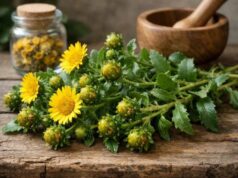
Green purslane, or Portulaca oleracea, is a low-growing annual succulent found across much of the world. It thrives in warm, disturbed soil, which is why it often appears in gardens, sidewalks, and field edges. Botanically, it is easy to recognize by its smooth stems, clustered fleshy leaves, and tiny yellow flowers. Nutritionally and medicinally, however, it is far more interesting than its modest appearance suggests.
One reason purslane stands out is that it crosses categories. It is a wild edible green, a traditional medicinal herb, and a research subject in modern phytotherapy. In kitchens, the leaves and tender stems are eaten raw or lightly cooked. In herbal use, the aerial parts, seeds, and extracts appear in powders, capsules, syrups, teas, and topical preparations. That flexibility has helped the plant persist across many medical traditions, including Mediterranean, Middle Eastern, and Asian systems.
Purslane also has a distinct taste and texture. It is slightly lemony, slightly salty, and pleasantly crisp because of its succulent tissues. That makes it easier to incorporate into food than many medicinal herbs. In practical terms, this matters. A plant that can be eaten regularly in salads, soups, stews, and yogurt dishes may offer steadier real-world value than one used only occasionally as a strong tincture.
Still, not all purslane use is the same. There is a major difference between:
- Fresh culinary purslane used as a vegetable.
- Dried purslane used as an herb.
- Seeds used in measured amounts in trials.
- Standardized extracts used in supplement research.
Those differences affect both expectations and safety. A handful in a salad is not the same as a concentrated extract capsule. The plant part also matters. Leaves and stems are especially relevant for culinary use, while seeds and aerial-part extracts appear more often in human metabolic studies.
Another important point is that purslane is often celebrated for being an edible source of plant omega-3 fat, especially alpha-linolenic acid. That is true, but it should be kept in perspective. Purslane is unusually rich in ALA for a leafy plant, yet it is still a green vegetable, not a concentrated oilseed. People seeking higher ALA intake through diet often compare it with flax as a more concentrated plant omega-3 source, while purslane offers the advantage of also functioning as a hydrating, mineral-rich vegetable.
So what is green purslane, really? It is best understood as a medicinal food. Its strength lies in combining nutrient density, culinary flexibility, and a growing body of research on metabolic and anti-inflammatory effects. That makes it more than a weed, but it also means its benefits depend on how it is used, how much is eaten, and who is using it.
Key ingredients and medicinal actions
Purslane’s medicinal profile comes from a surprisingly broad mix of nutrients and phytochemicals. This is not a plant defined by one famous compound alone. Instead, it works through a layered combination of fatty acids, vitamins, pigments, flavonoids, alkaloids, organic acids, minerals, and polysaccharide-rich components.
Its most discussed constituents include:
- Alpha-linolenic acid, a plant omega-3 fatty acid.
- Flavonoids and other polyphenols.
- Betalains and carotenoids.
- Vitamin C and vitamin E.
- Potassium, magnesium, and other minerals.
- Polysaccharides and mucilage-like compounds.
- Alkaloids, organic acids, sterols, and terpenoid-related compounds.
This mix helps explain why purslane is often described as antioxidant and anti-inflammatory. Those labels can sound generic, but in purslane they are fairly grounded. Carotenoids, vitamin C, and polyphenols help defend against oxidative stress, while polysaccharides and other bioactives may influence inflammatory signaling. That does not mean the herb behaves like a drug with a single narrow target. It behaves more like a broad-spectrum edible plant that can nudge several pathways at once.
Alpha-linolenic acid is one of the most practical reasons people pay attention to purslane. Leafy greens are usually not known for meaningful omega-3 content, yet purslane is an exception. It is still not a replacement for richer sources, but its ALA content adds one more layer to its cardiovascular and metabolic interest.
The pigments matter too. Purslane contains carotenoids and betalain-related compounds, which contribute to antioxidant capacity and may help explain why the plant is studied for tissue protection and inflammatory balance. In daily use, this makes purslane more comparable to colorful functional greens than to bland salad fillers. Readers interested in how antioxidant-rich leafy plants can support overall diet quality may also want to explore kale’s antioxidant and anti-inflammatory profile as a useful comparison.
Another feature worth noting is mucilage. Purslane has a soft, slightly slippery quality when cooked, and that texture reflects polysaccharide-rich components that may influence gut comfort and hydration in food-based use. This does not turn it into a classic demulcent herb, but it does make its culinary texture part of its appeal.
From a medicinal standpoint, the best-supported actions appear to be:
- Antioxidant support.
- Mild anti-inflammatory activity.
- Metabolic support around glucose and lipids in select groups.
- Possible hepatoprotective effects.
- Skin-soothing potential in some traditional and early clinical settings.
The key word is possible. Purslane’s chemistry is rich, but chemistry alone does not prove clinical effectiveness. Many compounds that look exciting in a lab produce smaller, slower, or narrower effects in humans.
That is why the safest interpretation is also the most useful one. Purslane’s ingredients make it a strong candidate for being a functional medicinal food. It offers a better nutrient and phytochemical profile than many common greens, but its clinical value still depends on dose, preparation, and the condition being targeted.
What does purslane help with
Purslane is often promoted as if it helps with nearly everything, but the strongest and most realistic benefits fall into a few clear categories. The first is nutritional support. The second is metabolic support in people who already have elevated risk markers. The third is broader antioxidant and anti-inflammatory support, which is promising but still less clinically defined.
As a food, purslane helps most by improving the quality of the diet. That may sound less dramatic than supplement marketing, but it is actually important. A leafy succulent that contributes omega-3 ALA, carotenoids, vitamin C, potassium, and polyphenols can meaningfully upgrade meals without needing to act like a medicine. In that sense, purslane belongs among nutrient-dense edible greens rather than miracle cures.
Where the human clinical signal becomes more interesting is metabolic health. Small randomized trials and pooled analyses suggest that purslane preparations may improve some of the following in selected adults:
- Fasting blood glucose.
- Total cholesterol.
- Triglycerides.
- LDL cholesterol.
- C-reactive protein.
- Some liver-related and oxidative stress markers.
These effects look most relevant in people with type 2 diabetes, non-alcoholic fatty liver disease, or similar metabolic risk patterns. That does not mean a healthy person eating purslane salad will see measurable lab changes. It means the plant appears biologically active enough to matter in some higher-risk groups when used in structured doses.
Purslane is also studied for skin-related effects. A recent trial in adults with mild to moderate chronic hand eczema found promising symptom improvements, though this is still early evidence rather than a settled therapeutic role. For most readers, that makes purslane interesting for future research, not a first-line skin treatment.
A more grounded way to summarize the likely benefits is this:
- As food, it improves nutrient and phytochemical intake.
- As a supplement, it may modestly support glucose, lipid, and inflammatory markers.
- As a traditional medicinal plant, it may have broader uses, but those are not equally confirmed in modern trials.
There is also a practical question of comparison. Purslane is sometimes discussed alongside other edible greens because its health value partly comes from being easy to eat, not merely easy to capsule. For readers who enjoy medicinal vegetables, watercress as another peppery medicinal green offers an interesting contrast. Watercress is more pungent and glucosinolate-rich, while purslane is milder, more succulent, and better known for ALA and oxalate concerns.
What should readers not expect? Purslane is unlikely to deliver dramatic weight loss, rapid blood sugar normalization, or disease reversal on its own. It is better viewed as a supportive plant, not a substitute for medication or comprehensive lifestyle care.
So what does purslane help with? Most honestly, it helps with dietary quality first, and with selected metabolic markers second. Everything beyond that should be presented as promising but preliminary rather than proven.
How green purslane is used
Green purslane is unusually versatile because it can be used as both food and herbal material. That flexibility is part of its appeal, but it also means people need to be clear about their goal. A culinary use pattern is different from a medicinal use pattern, and the expected results are not the same.
As a food, purslane is commonly used in:
- Salads, where its crisp, lemony leaves add freshness.
- Yogurt and herb mixtures.
- Soups and stews.
- Egg dishes and grain bowls.
- Light sautés and stir-fries.
- Pickled or fermented preparations.
Raw use preserves texture and some heat-sensitive nutrients, but light cooking often improves palatability and can reduce the sharpness of its sour-salty edge. Blanching also matters for safety in some people because it may lower oxalate burden.
As an herb or supplement, purslane appears in several forms:
- Dried aerial parts for teas or decoctions.
- Powdered herb or seeds in capsules.
- Seed preparations used in clinical trials.
- Hydroethanolic or other extracts.
- Syrups and some topical products in traditional medicine settings.
Fresh culinary use tends to be the best fit for readers who want steady nutritional support. Supplement use makes more sense when someone is aiming for a studied dose range tied to a metabolic outcome, such as fasting glucose or triglycerides. Even then, it is wise to remember that the clinical literature often uses specific seed or extract preparations that do not translate perfectly to homemade teas or salads.
One practical advantage of purslane is that it fits easily into food routines. A handful can be mixed with cucumber and tomato, folded into yogurt, or added near the end of cooking so the leaves keep some structure. This matters because consistency often matters more than intensity with medicinal foods. A realistic serving eaten regularly may be more useful than an occasional large dose.
That said, not everyone should default to raw use. People sensitive to oxalates or those wanting to reduce the mineral-binding burden may prefer blanching or pickling. That does not make fresh purslane “bad,” but it does make preparation style part of the decision.
A helpful approach is:
- Decide whether you are using purslane as food or as a supplement.
- Start with modest amounts.
- Favor clean, well-identified plants from safe growing areas.
- Change the preparation if raw use causes digestive discomfort.
- Reassess whether your goal is culinary nourishment or a therapeutic effect.
For readers who enjoy tart greens, purslane sits somewhere between salad herb and succulent vegetable. It is less peppery than watercress and less sharply sour than some dock-type plants. That makes it adaptable, but its texture and mineral profile still make it distinctive.
In daily life, the best use of green purslane is usually simple: eat it regularly in sensible amounts, or use a measured extract only when there is a clear reason. When the goal stays clear, the plant becomes much easier to use well.
How much purslane per day
Purslane dosing depends heavily on the form. This is one of the most important practical points because articles often blur together fresh herb servings, seed studies, and extract trials as if they were equivalent. They are not.
For culinary use, a sensible serving is usually about 50 to 100 g of fresh leaves and tender stems. That amount fits easily into a salad or cooked dish and is a reasonable place to start for most healthy adults. Used as a vegetable, purslane can be eaten several times per week rather than treated like a one-time medicinal event.
For medicinal use, the doses studied in humans are more specific. Clinical trials have used preparations such as:
- Purslane seeds at about 5 to 10 g daily.
- Standardized or prepared supplements around 700 mg daily in some liver-related trials.
- Oral syrup preparations in skin-related trials for several weeks.
The best way to interpret that is not to chase the largest number. It is to match the preparation to the goal. If the aim is food-based nutrient support, a serving of fresh herb makes sense. If the aim is a trial-like metabolic dose, a seed or extract preparation is more relevant.
Timing also depends on the form:
- Fresh purslane can be eaten with meals like any other green.
- Seed powder is often divided with meals.
- Extracts are usually taken according to product instructions, often once or twice daily.
- Trial durations have commonly ranged from 4 to 8 weeks.
A practical framework looks like this:
- Start with food first if your goal is general wellness.
- Use modest fresh servings and see how your digestion tolerates them.
- Consider supplements only when you have a clear reason, such as a clinician-aware metabolic support plan.
- Reassess after 4 to 8 weeks rather than taking concentrated products indefinitely.
Another important variable is the plant part. Fresh aerial parts, dried aerial parts, seeds, and extracts all behave somewhat differently. Seeds may appear more often in glucose and lipid research, while the whole herb is more common in culinary use. That means a fresh bowl of purslane is not a direct substitute for 10 g of seed powder used in a clinical trial.
People looking for stronger plant omega-3 intake often make the mistake of using purslane as if it were a concentrated seed product. It is better to think of purslane as a leafy contributor rather than a main omega-3 strategy. For that reason, some readers combine it with foods like chia for broader plant omega-3 support while keeping purslane in the vegetable category.
The safest bottom line is this: treat fresh purslane like a medicinal green and extracts like targeted supplements. As food, moderate regular servings make sense. As a supplement, measured short-term use is more appropriate than casual long-term escalation.
Safety, oxalates, and who should avoid it
Purslane is often described as safe because it is edible, and that is partly true. For many healthy adults, moderate culinary use is well tolerated. But “edible” does not mean risk-free, especially when a plant is used in concentrated or repeated amounts. The main safety issue with purslane is oxalate content.
Fresh purslane can contain substantial amounts of oxalates, and that matters for people prone to calcium oxalate kidney stones or those following an oxalate-restricted diet. Oxalates can also reduce the availability of some minerals in the meal. This does not mean everyone needs to avoid purslane. It means the preparation method and the person’s risk profile matter.
Blanching and pickling appear to lower oxalate content, which gives sensitive users a practical way to reduce the burden. That is one reason raw purslane is not always the best choice for every person, even if it looks appealing in salads.
The people who should be most cautious include:
- Those with recurrent calcium oxalate kidney stones.
- People with significant kidney disease.
- People on strict oxalate-restricted diets.
- Pregnant people, especially with concentrated medicinal use.
- People using glucose-lowering therapy who want to add extracts or seed doses.
- Anyone with allergies or sensitivity to the plant.
Pregnancy deserves special caution. Culinary amounts in food are different from medicinal-dose extracts, but because safety data in pregnancy are not strong enough to support routine self-prescribing, concentrated purslane products are better avoided unless a clinician says otherwise.
Medication interactions are not as well mapped as many readers might assume. Still, if a person is taking diabetes medication, blood pressure medication, or multiple supplements aimed at metabolic control, it is reasonable to be careful. A plant that modestly improves fasting glucose or lipids in trials may amplify a broader treatment plan in unpredictable ways.
Another real-world safety issue is source quality. Purslane grows easily in disturbed ground, which is part of why foragers love it. But plants grown near contamination-prone sites are not ideal food. Clean sourcing matters as much as botanical identification.
A common mistake is assuming that because purslane is “just a green,” larger amounts must be harmless. That is not always true with high-oxalate plants. Readers familiar with tart leafy herbs may notice a similar caution pattern with sorrel and other oxalate-aware culinary greens.
In practical safety terms, purslane is best used like this: moderate servings, sensible preparation, and extra caution in stone-prone or medically complex users. The plant is useful, but it is not casual for everyone.
What the evidence really says
The evidence on purslane is encouraging, but it is not equally strong across all claims. That distinction is essential. Purslane has a convincing nutritional identity, a broad preclinical literature, and a small but growing human trial base. What it does not yet have is enough large, high-quality clinical research to support every traditional or social-media claim attached to it.
The most solid conclusions from current evidence are fairly specific:
- Purslane is a nutrient-dense edible plant with meaningful phytochemical value.
- Human trials suggest modest improvements in fasting glucose and some lipid markers.
- Certain inflammatory markers, such as C-reactive protein, may improve in some populations.
- Specific clinical settings, such as non-alcoholic fatty liver disease and chronic hand eczema, show promising early results.
- Safety concerns are practical rather than dramatic, with oxalates being the clearest issue.
At the same time, important limits keep showing up in the literature. Many studies are small. Many use different plant parts, such as seeds, aerial parts, or extracts. The participants are often people with defined metabolic conditions rather than healthy adults. Trial durations are usually short. These factors make it hard to generalize results too broadly.
That is why the strongest human case for purslane is not “this herb cures disease.” It is “this edible medicinal plant may support certain metabolic and inflammatory outcomes, especially in people who already have measurable risk.” That is a more modest statement, but it is also far more trustworthy.
Another useful perspective is that purslane may matter more as a bridge plant than as a stand-alone therapy. It bridges food and medicine. When a plant improves diet quality and also shows measurable supplement-level effects in some trials, it becomes more interesting than a typical vegetable and more realistic than an overmarketed extract.
Readers should also remember that clinical evidence often reflects specific preparations. A trial on 10 g of seeds or a defined extract cannot be transferred perfectly to a casual salad. That does not make the salad useless. It just means food-based and supplement-based evidence need to be interpreted differently.
The most honest bottom line is this: purslane is probably underrated as a medicinal food and somewhat overrated as a universal remedy. Its nutritional strengths are clear, its metabolic evidence is promising, and its broader therapeutic promise is still being tested.
That puts purslane in a very respectable position. It is not hype-proof, but it does not need hype. A plant that can nourish, diversify the diet, and possibly nudge glucose, lipids, inflammation, or liver-related markers in the right direction already has plenty to offer. Used with that level of realism, purslane becomes much more valuable and much less confusing.
References
- A review on ethnopharmacology, phytochemistry, pharmacology and potential uses of Portulaca oleracea L 2024 (Systematic Review)
- The effects of purslane (Portulaca oleracea) on glycemic indices: A GRADE-assessed systematic review and meta-analysis of randomized controlled trials 2023 (Systematic Review and Meta-analysis)
- The effects of purslane (Portulaca oleracea) on C-reactive protein, lipid profile, and glycemic control in patients with type 2 diabetes mellitus: A GRADE-assessed systematic review and meta-analysis of randomized controlled trials 2024 (Systematic Review and Meta-analysis)
- Effects of Portulaca oleracea (purslane) on liver function tests, metabolic profile, oxidative stress and inflammatory biomarkers in patients with non-alcoholic fatty liver disease: a randomized, double-blind clinical trial 2024 (RCT)
- Assessment of Purslane (Portulaca oleracea L.) Total Oxalate Content, Ascorbic Acid, and Total Organic Acids Using Near-Infrared Spectroscopy 2025
Disclaimer
This article is for educational purposes only and is not a substitute for medical advice, diagnosis, or treatment. Green purslane can be part of a healthy diet, but concentrated purslane products may not be appropriate for everyone, especially people with kidney stone risk, kidney disease, pregnancy, or treatment plans involving glucose-lowering medicines. Persistent digestive symptoms, unexplained pain, abnormal lab results, or chronic metabolic disease should be evaluated by a qualified healthcare professional before herbal self-treatment.
If you found this article useful, please share it on Facebook, X, or another platform you prefer so more readers can find reliable, balanced information.