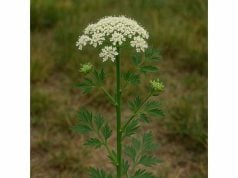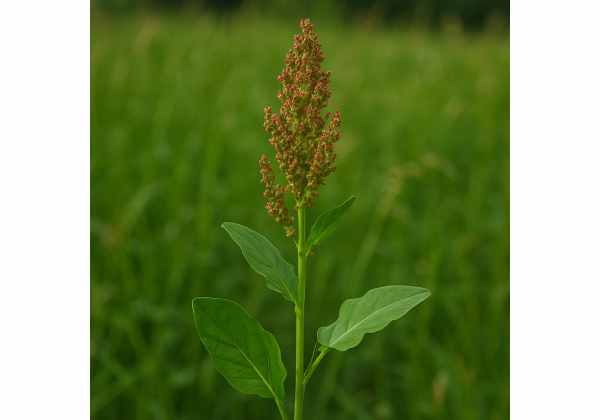
Sorrel, botanically known as Rumex acetosa, is one of those plants that sits gracefully between food and herb. Its sharp, lemony taste makes it memorable in soups, sauces, salads, and spring dishes, while its long traditional use has also given it a place in folk medicine. People have turned to sorrel for digestive support, appetite stimulation, seasonal nourishment, and general vitality, but its value is not only traditional. Sorrel also contains notable amounts of polyphenols, organic acids, carotenoids, and minerals that help explain its antioxidant and culinary appeal.
Still, sorrel is best understood as a functional leafy green first and a medicinal herb second. It has genuine nutritional strengths and promising phytochemistry, yet it also carries a clear caution: its tartness comes largely from oxalic acid, which can limit mineral absorption and may be a problem for people prone to kidney stones or high-oxalate diets. Used thoughtfully, sorrel can be both vibrant and useful. Used carelessly or in excess, it can become less friendly than its fresh taste suggests.
Essential Insights
- Sorrel offers a meaningful mix of polyphenols, vitamin-like antioxidants, and minerals that support its value as a functional leafy green.
- Its traditional strengths center on appetite, digestion, and light seasonal nourishment rather than strong drug-like effects.
- A practical food-first serving is about 20 to 50 g fresh leaves, usually mixed with other greens or cooked.
- People with kidney stone risk, high-oxalate diets, or poor tolerance for sour greens should be cautious with regular use.
- Sorrel is most useful as a culinary herb with added wellness value, not as a high-dose medicinal supplement.
Table of Contents
- What sorrel is and what makes it distinctive
- Sorrel health benefits and where evidence is strongest
- Key ingredients and medicinal properties of sorrel
- How sorrel is used in kitchens, folk practice, and supplements
- Sorrel dosage, serving size, and how often to use it
- Common mistakes, oxalates, and how to prepare sorrel well
- Safety, side effects, interactions, and who should avoid sorrel
What sorrel is and what makes it distinctive
Sorrel is a perennial leafy plant in the Polygonaceae family, the same broad family that includes dock, rhubarb, and buckwheat. Its leaves are bright green, arrow-shaped, tender when young, and distinctly sour. That sourness is the feature most people remember first. Unlike mild greens that fade into the background, sorrel announces itself immediately. A small handful can brighten an entire pot of soup or turn a simple cream sauce into something far more vivid.
This strong taste is not just culinary personality. It reflects the plant’s chemistry, especially its oxalic acid content. Oxalic acid gives sorrel its brisk, acidic edge, but it also explains why sorrel needs a more careful safety discussion than many other salad greens. This dual nature is what makes the herb interesting. It is not merely a flavoring herb, yet it is not best approached as a high-dose medicinal plant either.
Historically, sorrel has been eaten across Europe, parts of Asia, and many other regions as a spring green, a potherb, and a hunger-season vegetable. It has also appeared in folk medicine for appetite, digestion, skin concerns, and general strengthening. In older food traditions, sour herbs often had an important role after winter because they felt cleansing, stimulating, and fresh. Sorrel fits that pattern well. It wakes up the palate, encourages salivation, and adds a feeling of brightness to otherwise heavy meals.
Another reason sorrel stands out is that it bridges wild-food culture and cultivated food culture. It can be foraged in some places, but it is also easy to grow in gardens and can be harvested repeatedly. Young leaves are usually preferred for raw use, while older leaves tend to work better cooked. This gives sorrel a practical advantage over herbs that are used only in small medicinal doses. It is easy to integrate into food, which means any nutritional or phytochemical benefit can happen in a realistic daily context.
For readers familiar with other spring greens, sorrel occupies a place somewhere between spinach, dock, and traditional bitter greens such as dandelion. It is gentler than many bitter herbs, sharper than most lettuces, and more culinary than many folk tonics. That food-herb overlap is the best way to understand it.
In modern wellness writing, sorrel is sometimes over-romanticized as a detox herb or an overlooked medicinal superfood. A more grounded view is better. Sorrel is a nutrient-bearing leafy plant with real traditional use, promising antioxidant chemistry, and a few clear limits. Those limits do not make it less useful. They simply place it where it belongs: in the category of flavorful, functional, and worth using with some judgment.
Sorrel health benefits and where evidence is strongest
The strongest case for sorrel begins with food, not with capsules. Sorrel contributes flavor, variety, minerals, and phytochemicals to the diet, and that alone gives it meaningful health value. A food that helps people eat more greens, diversify their plant intake, and enjoy lighter meals deserves more credit than flashy supplement claims often allow.
Its most plausible health benefits fall into four practical categories. The first is antioxidant support. Sorrel contains phenolic compounds and other plant chemicals associated with antioxidant activity. This does not mean a bowl of sorrel soup acts like a treatment for oxidative stress, but it does mean sorrel belongs comfortably among polyphenol-rich plant foods. That is part of why it fits so naturally into the growing interest in functional greens.
The second likely benefit is digestive support in the traditional sense. Sorrel’s sourness can stimulate salivation and appetite, and small amounts in meals may make food feel fresher and easier to engage with, especially in heavy or rich dishes. Folk traditions often used sorrel in spring for exactly this reason. That is different from saying it treats digestive disease. The modern evidence is too limited for that kind of claim. But as a culinary bitter-sour green, it has a credible place.
The third benefit is nutritional contribution. Sorrel can provide useful minerals and phytochemicals, although the full value depends on growing conditions, harvest stage, and preparation. Like many wild or semi-wild leafy foods, it can help widen the nutritional range of the diet. This matters more than many people think. Health often improves through repeated modest contributions from real foods rather than dramatic one-time interventions.
The fourth possible benefit is anti-inflammatory or antimicrobial potential at the extract level. Sorrel and related Rumex species have shown promising activity in preclinical work. That is scientifically interesting, but it is not yet the same as proven human benefit. A recurring problem in herb writing is moving too quickly from “contains active compounds” to “works reliably in people.” Sorrel does not justify that leap.
A realistic summary looks like this:
- Best supported: sorrel as a functional food with antioxidant value, culinary usefulness, and modest nutritional contribution.
- Reasonably plausible: appetite and digestive support when used in food or traditional preparations.
- Still exploratory: stronger antimicrobial, anti-inflammatory, vascular, or metabolic effects from concentrated extracts.
- Not established: sorrel as a stand-alone treatment for chronic inflammatory disease, cardiovascular disease, diabetes, or infections.
This distinction matters because sorrel’s benefits are easiest to appreciate when expectations stay proportionate. It is not a miracle green. It is a helpful one. In that sense, it resembles other nutrient-dense greens such as watercress, where the most meaningful value often comes from frequent, food-based use rather than dramatic medicinal dosing.
Sorrel rewards the person who understands subtle benefits. Better meal quality, more vegetable diversity, brighter appetite, and regular exposure to useful plant compounds may not sound glamorous, but they are often the health effects that last.
Key ingredients and medicinal properties of sorrel
Sorrel’s medicinal profile begins with its chemistry, and that chemistry is more interesting than its simple garden appearance suggests. The plant contains a mix of phenolic compounds, flavonoids, carotenoids, anthraquinone-related constituents, organic acids, and minerals. Together, these help explain why sorrel has attracted interest as both a food and a folk remedy.
One of the most important groups in sorrel is its phenolic compounds. These are closely tied to antioxidant activity and are part of the reason sorrel is discussed in functional-food research. Phenolics do not work in isolation, and their effect depends on the whole food matrix, but they help explain why sorrel is more than just a sour leaf. Flavonoids in particular are relevant because they contribute to the plant’s broader protective profile and may support some of the anti-inflammatory and vascular themes that appear in experimental work.
Sorrel also contains carotenoids and related pigments. These compounds matter because they support the plant’s nutritional value and may contribute to the broader antioxidant picture. In everyday terms, this means sorrel offers more than acidity. It provides a layered package of flavor and plant chemistry, which is why it feels more substantial than a garnish.
Then there is oxalic acid, the compound people often notice first because it creates sorrel’s signature taste. Oxalic acid is not simply a negative. In culinary terms, it is part of what makes sorrel distinctive and useful. But in nutritional terms, it complicates the picture because it can bind minerals, especially calcium, and reduce their bioavailability. This is why sorrel can be simultaneously healthful and limited. It contains useful minerals, yet the same leaf also contains a compound that can interfere with mineral handling if intake becomes excessive.
Anthraquinones and related compounds also appear in Rumex research, especially in extracts. These contribute to the plant’s pharmacological interest, but they are more relevant to experimental or concentrated preparations than to normal kitchen use. The same is true of some transporter-related effects described in extract studies. These findings matter because they show that sorrel is pharmacologically active enough to deserve respect, especially in concentrated form.
The medicinal properties most reasonably associated with sorrel are these:
- Antioxidant support, linked mainly to phenolics, flavonoids, and carotenoid content.
- Digestive and appetite support, linked more to taste and traditional use than to strong clinical trials.
- Mild tonic-food value, due to its mineral and phytonutrient profile.
- Possible extract-level pharmacological activity, including effects relevant to inflammation, microbes, and drug transport, though this remains far less proven in everyday use.
This is where comparison helps. Sorrel’s antioxidant reputation belongs more in the same broad conversation as polyphenol-rich foods such as green tea than in the category of sedative or stimulant herbs that create obvious felt effects. Its chemistry is real, but much of its value is subtle and cumulative.
That subtlety is not a weakness. It simply means the best way to use sorrel is to respect both sides of its profile. It is a nutrient-bearing leaf with medicinal potential, not a blank food and not a casual high-dose herb. The chemistry supports that balanced view better than either extreme does.
How sorrel is used in kitchens, folk practice, and supplements
The most sensible way to use sorrel is still the oldest one: as food. Sorrel belongs naturally in soups, broths, egg dishes, fish dishes, herb sauces, yogurt mixtures, green purees, and mixed greens. Because the taste is sharp, most people do not eat large piles of it raw the way they might with lettuce. Instead, they use it strategically. A smaller amount can do a lot of work.
In traditional kitchens, sorrel is often paired with creamy, starchy, or fatty ingredients because its acidity cuts through heaviness. This is one reason sorrel soup has remained so popular in different food cultures. The leaf softens quickly in heat, and its texture blends well. It can be folded into mashed potatoes, stirred into warm grains, or added late to soups so the flavor stays bright.
Folk practice expanded beyond food. Sorrel has been used in simple home-style preparations such as teas, decoctions, and topical applications, depending on the tradition. Many of these uses centered on spring cleansing, skin discomfort, appetite, or general strengthening. Still, most of sorrel’s traditional medicinal use makes more sense as part of the broader world of household herbs than as a model for modern concentrated self-treatment.
In the supplement world, sorrel sometimes appears in extracts, mixed botanical formulas, or more specialized herbal products. That is where caution becomes more important. Food use and extract use are not equivalent. The more concentrated a sorrel preparation becomes, the less appropriate it is to borrow assumptions from ordinary cooking. Extract-level effects on drug transport and related mechanisms make this a plant that should not be reduced to “just a leafy vegetable” once it enters supplement territory.
Practical use forms include:
- Fresh leaves for salads, sauces, and quick cooking.
- Cooked sorrel in soups, purees, and mixed greens.
- Herbal tea or light infusion, usually in modest amounts.
- Powders or extracts, which are far less traditional and demand greater caution.
For most readers, the food-first model is the best one. Sorrel is especially useful when you want more variety in green vegetables without relying on the same rotation of spinach, lettuce, and kale. It also pairs well with other leafy or bitter vegetables and can sit in the same broad culinary family as greens such as chicory, though sorrel is more sour and less bitter.
One practical point matters a great deal: sorrel should usually be treated as an accent green, not as a bulk staple. Its taste naturally encourages moderation, and that is often an advantage. People are less likely to overuse it when they let it play the role it was built for.
That role is clear. Sorrel works best when it freshens food, broadens the diet, and contributes its phytochemicals through normal eating. Once the goal shifts toward concentrated medicinal dosing, the certainty drops and the caution rises. That is a useful line to keep in view.
Sorrel dosage, serving size, and how often to use it
There is no universally established medicinal dose for Rumex acetosa in the way there is for a standardized pharmaceutical or a heavily studied supplement. Sorrel works best when dose is understood in culinary rather than drug-like terms. In practice, that means serving size matters more than “dosage” for most people.
A practical food-first serving is about 20 to 50 g fresh leaves, roughly half a cup to one packed cup depending on how finely they are cut and whether they are mixed with other greens. That amount is usually enough to flavor a dish clearly without pushing oxalate exposure too aggressively. Cooked sorrel often feels milder than raw sorrel, so the same visual amount may seem easier to handle in soups or sauces.
For people using sorrel as a tea or simple infusion, the strongest rule is moderation. Light use is more in character for the plant than repeated strong decoctions. Sorrel is not the sort of herb that benefits from aggressive “more is better” logic. Because it is sour and oxalate-rich, frequent large servings are rarely necessary and often not wise.
A sensible use pattern looks like this:
- Use sorrel as part of meals, not as a stand-alone medicinal ritual.
- Start with small amounts and see how well you tolerate the taste and digestive feel.
- Prefer mixed-green or cooked preparations if you want regular use.
- Avoid turning it into a daily high-volume green if you are sensitive to oxalates.
Frequency matters as much as amount. Sorrel can fit well into a varied weekly rotation of greens, especially in spring and early summer. It makes less sense as a daily core green in large quantities. A few times per week is often a smarter pattern than large daily servings.
This is one reason sorrel differs from leafy greens that invite bulk use. Its strength is concentration of flavor, not volume. Trying to treat it like lettuce ignores both its culinary design and its chemistry. It is much more satisfying when used purposefully.
What about extracts or powdered products? Here the answer becomes narrower: unless a product is clearly standardized and you have a strong reason to use it, food use is generally the better path. The research on concentrated sorrel preparations is not mature enough to justify casual high-dose experimentation. This is especially true because extract studies suggest potential interactions with drug transport and absorption.
The best “dose” question for sorrel is often not “how much can I take?” but “how much do I need to enjoy the food and benefit from the plant without forcing it?” For most people, the answer is modest. Sorrel is an accent herb, a supporting green, and a functional ingredient. It is not a bulk supplement hiding in leafy form.
That perspective keeps the plant enjoyable. It also keeps it safer. When a food has both nutritional value and a meaningful antinutrient load, moderation is not a compromise. It is the correct way to use it.
Common mistakes, oxalates, and how to prepare sorrel well
The most common mistake with sorrel is assuming that “leafy green” automatically means “eat as much as you want.” Sorrel is not that kind of leaf. Its oxalic acid content means it should be treated more thoughtfully than mild salad greens. That does not make it dangerous for everyone, but it does mean that preparation and portion size deserve more attention.
A second mistake is focusing so much on sorrel’s nutrients that people forget bioavailability. Sorrel does contain useful minerals and beneficial plant compounds, but oxalates can bind certain minerals and reduce how much the body can use from the meal. This matters especially when sorrel is eaten raw in large quantities. Cooking, mixing with other foods, and avoiding excessive volume can help make use more practical.
A third mistake is poor pairing. Sorrel works best when balanced with other ingredients. Because it is sour and assertive, it is often better in combination than alone. Cream, yogurt, potatoes, eggs, fish, lentils, and other greens all soften its sharpness. This improves not only flavor but also tolerance. Many traditional food patterns discovered this long ago without needing biochemical language to explain it.
Useful preparation habits include:
- choose young leaves when possible, because they are usually more tender and balanced,
- mix sorrel with milder greens instead of building an all-sorrel salad,
- cook it briefly for soups and sauces,
- avoid repeated very large raw servings,
- use it as a finishing green rather than a bulk base.
People also go wrong by assuming that every sour herb is interchangeable. Sorrel’s acidity is not the same as citrus juice, vinegar, or tamarind. It comes from plant acids, especially oxalic acid, and that means the nutritional consequences are different. Replacing lemon with sorrel in small amounts is one thing. Building a very high-sorrel daily habit is another.
There is also a modern wellness mistake worth naming: the urge to “detox” with concentrated green preparations. Sorrel does not need to be juiced heavily, powdered into daily high-dose smoothies, or turned into an extract to be worthwhile. In fact, these uses may magnify the least desirable part of the plant. A well-made soup or sauce is usually a more intelligent use than a large raw green drink.
If digestive comfort is the main goal, sorrel may not be the best lead herb anyway. Some people do better with gentler options such as peppermint for digestive ease, while using sorrel simply for food variety and taste.
The final mistake is forgetting context. Sorrel belongs in a mixed diet, not in an isolated health fantasy. When used in that broader context, it shines. It adds brightness, variety, and useful plant chemistry. When pushed too hard or treated like a medicinal shortcut, it becomes less impressive. Good preparation is what keeps the plant on its best side.
Safety, side effects, interactions, and who should avoid sorrel
For most healthy adults, sorrel is safe in ordinary food amounts. That is the right starting point. Used in soups, sauces, mixed greens, or occasional spring dishes, it is generally a reasonable and enjoyable food. The safety concerns become more important when intake is frequent, portions are large, or the form shifts from food to concentrated extract.
The main safety issue is oxalate exposure. Sorrel’s oxalic acid content contributes to its flavor, but high oxalate intake can increase concern for people with a history of kidney stones, hyperoxaluria, or medical advice to follow a low-oxalate diet. Oxalates can also reduce the absorption of calcium and certain other minerals. This does not mean one serving of sorrel is harmful. It means that repeated heavy intake may be a poor fit for susceptible people.
Possible side effects from overuse include:
- mouth or throat sharpness from the plant’s acidity,
- digestive irritation in sensitive people,
- reduced mineral bioavailability with very frequent use,
- greater oxalate burden in people already prone to stones,
- potential problems from concentrated products rather than ordinary food.
Drug interactions are not the first thing most people think about with sorrel, but they are worth noting. Extract research suggests Rumex acetosa may affect drug absorption pathways, at least under certain conditions. That does not mean a modest serving of sorrel soup will interfere with medication. It does mean concentrated extracts, powders, or herbal formulations deserve more caution, especially around medicines with narrow therapeutic windows or transport-related absorption concerns.
People who should be more careful include:
- anyone with a personal history of calcium oxalate kidney stones,
- people following a medically advised low-oxalate diet,
- those with significant kidney disease,
- individuals with highly sensitive digestion or mouth irritation from acidic foods,
- pregnant or breastfeeding people considering concentrated extracts rather than food use,
- people taking multiple medications and thinking about sorrel supplements.
Children usually tolerate ordinary culinary sorrel in small amounts, but it is not a plant that needs to be pushed into large servings. The same applies to older adults with kidney concerns. Food use is one thing; concentrated use is another.
A useful safety rule is simple: the more sorrel acts like food, the safer and more familiar it becomes. The more it acts like a concentrated herbal product, the more caution it deserves. That is especially true because sorrel’s strongest safety signal is tied to a normal part of the plant, not to contamination or poor processing. In other words, the issue is built into the herb itself.
The best closing perspective is balanced. Sorrel is neither a hazard to fear nor a superfood to overuse. It is a distinctive leafy herb with a real nutritional role, promising medicinal chemistry, and one clear reason to practice moderation. That kind of plant is often the most rewarding to use because it asks for discernment instead of hype.
References
- Sorrel (Rumex acetosa L.): Not Only a Weed but a Promising Vegetable and Medicinal Plant 2020 (Review)
- Rumex Species: Phytochemistry, Pharmacology and Nutritional Potential for Food and Health Applications 2025 (Review)
- Variability of Phenolic Compound Accumulation and Antioxidant Activity in Wild Plants of Some Rumex Species (Polygonaceae) 2022 (Research Article)
- Evaluation of Major Minerals and Trace Elements in Wild and Domesticated Edible Herbs Traditionally Used in the Mediterranean Area 2021 (Research Article)
- Effect of Rumex Acetosa Extract, a Herbal Drug, on the Absorption of Fexofenadine 2020 (Research Article)
Disclaimer
This article is for educational purposes only and is not a substitute for medical advice, diagnosis, or treatment. Sorrel is primarily a food herb, and its benefits are best understood in culinary amounts rather than as a proven medicinal therapy. If you have kidney stones, kidney disease, a medically prescribed low-oxalate diet, or take important prescription medicines, speak with a qualified healthcare professional before using sorrel regularly or trying concentrated extracts. Seek medical care for persistent digestive symptoms, severe pain, urinary symptoms, or any reaction that seems unusual after using the plant.
If you found this article helpful, please share it on Facebook, X, or your preferred platform.