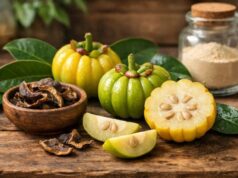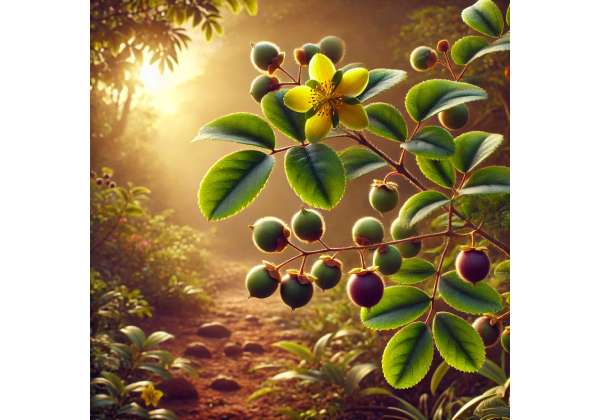
Grewia asiatica, widely known as phalsa, is a fruit-bearing shrub valued in South Asian food culture and traditional medicine. Although many readers encounter it as a tart, deep-purple summer fruit or cooling drink, its uses reach beyond refreshment. The fruit, leaves, bark, and seeds all appear in older medicinal traditions, where Grewia has been used for thirst, digestive upset, fever, inflammation, skin irritation, and general recovery in hot weather. Modern research adds another layer: the plant contains anthocyanins, flavonoids, tannins, vitamin C, fiber, and several other phytochemicals linked with antioxidant, anti-inflammatory, and metabolic effects.
Still, Grewia is best understood as a functional fruit with medicinal potential, not as a fully standardized therapeutic herb. That distinction matters. Most of its promising benefits come from laboratory and animal studies rather than high-quality human trials. In practical use, Grewia makes the most sense as a nutrient-dense fruit, juice, or traditional preparation used with realistic expectations. This guide covers what Grewia is, what its active compounds do, how it is used, how much is reasonable, and where caution is still warranted.
Quick Overview
- Grewia is best known as phalsa, a polyphenol-rich fruit traditionally used for summer heat, thirst, digestive discomfort, and general refreshment.
- Its most relevant compounds include anthocyanins, quercetin derivatives, kaempferol, tannins, vitamin C, and other antioxidant phenolics.
- A common food-style serving is about 50 to 100 g fresh fruit or 100 to 250 mL diluted juice, but no standardized medicinal dose has been established.
- Avoid self-prescribed extracts during pregnancy or breastfeeding, and be cautious with sweetened syrups if you manage diabetes or weight-related concerns.
Table of Contents
- What is Grewia
- Key ingredients and actions
- Benefits and common uses
- How to use Grewia
- How much per day
- Safety and who should avoid it
- What the evidence says
What is Grewia
Grewia asiatica is a small shrub or tree traditionally cultivated for its fruit, which is commonly called phalsa or falsa. It grows mainly in warm regions of South Asia and is especially appreciated in India and Pakistan, where the ripe berries are eaten fresh, sprinkled with salt, or turned into juice, syrup, and summer drinks. Botanically, it belongs to the Grewia genus, but in practical health writing, this species matters most because it is both edible and medicinally referenced.
One of the most useful ways to think about Grewia is that it sits between a fruit and an herb. It is not just a snack, because many traditional systems have assigned it cooling, digestive, restorative, and tissue-soothing roles. At the same time, it is not a classic high-potency herbal medicine in the way that some roots, barks, or alkaloid-rich plants are. Its best-known part is the fruit, and that fruit is usually consumed as food first and medicine second.
Traditional use is broad. Older accounts describe the fruit as helpful for thirst, heat, indigestion, fevers, loose stools, throat irritation, and general weakness during hot weather. The leaves have been applied to minor skin problems, wounds, and irritated tissue, while bark and root preparations have appeared in folk remedies for pain, inflammation, and urinary discomfort. This broad range does not prove equal effectiveness across all uses, but it does show that Grewia has been integrated into everyday health practice rather than reserved for only one narrow purpose.
Another reason Grewia stands out is that it is closely tied to season and preparation. Fresh fruit is delicate and spoils quickly, which is why it is often used as juice or sharbat soon after harvest. That detail matters because many of the plant’s “health benefits” in modern life depend as much on how the fruit is prepared as on the plant itself. A lightly diluted fresh drink is not the same thing as a heavily sweetened commercial syrup, and a whole fruit is not the same thing as a concentrated bark extract.
So, what is Grewia in practical terms? It is a tart, nutrient-dense medicinal fruit with traditional digestive and restorative uses, especially in hot climates. Its fruit has the clearest food-and-health role, while the leaves and bark belong more to the world of traditional and experimental herbal medicine.
Key ingredients and actions
Grewia’s value comes largely from its phytochemical profile. The fruit is especially rich in anthocyanins, flavonoids, tannins, phenolic compounds, vitamin C, fiber, and small amounts of essential amino acids and minerals. These compounds help explain why the fruit has attracted attention as both a functional food and a traditional medicinal plant.
Anthocyanins are central to Grewia’s identity. They give the fruit its dark red to purple color and contribute much of its antioxidant reputation. Research has identified multiple anthocyanins in phalsa fruit, including cyanidin-based and pelargonidin-based compounds. These molecules are important because they help protect cells from oxidative stress and may support vascular, metabolic, and tissue-level resilience. In food terms, this makes Grewia closer to a polyphenol-rich fruit than to a stimulant or sedative herb.
Flavonoids are another major group. Quercetin, quercetin glycosides, kaempferol, and naringenin derivatives have all been reported in Grewia. These compounds are commonly studied for anti-inflammatory, antioxidant, and cell-protective effects. Readers who are familiar with the antioxidant logic behind amla as a protective fruit food will notice a similar pattern here: Grewia’s appeal is less about one dramatic pharmacological action and more about a layered network of supportive compounds.
Tannins and other phenolics add astringency and may help explain why older traditions used the fruit for loose stools, throat irritation, and inflammatory conditions. Tannins can create a mild tissue-tightening effect, which is often useful when a plant is used as a cooling, soothing fruit during hot weather or mild digestive upset.
Vitamin C matters too, though it is not the only antioxidant in the plant. In Grewia, vitamin C works alongside anthocyanins and flavonoids rather than carrying the whole story on its own. The fruit also contains dietary fiber, which helps move the conversation away from “herbal remedy” and back toward “therapeutic food.”
Different plant parts bring different chemistry. The fruit is richest in anthocyanins and food-style antioxidants. Leaves contain flavonoids, saponins, and tannins. Stems and bark have yielded compounds such as lupeol, betulin, friedelin, and related triterpenoid constituents that are more often discussed in pharmacology than in everyday food use.
In simple terms, Grewia’s main biological actions appear to be:
- Antioxidant and free-radical scavenging support
- Mild anti-inflammatory activity
- Tissue-soothing and potentially astringent effects
- Food-based support for hydration and recovery in hot climates
- Experimental metabolic and cardioprotective potential
That combination makes Grewia chemically interesting, but it also explains why the fruit and the bark should never be treated as the same kind of product. A bowl of fresh phalsa is one thing. A concentrated extract from a non-fruit plant part is something else entirely.
Benefits and common uses
The most realistic benefits of Grewia are tied to its role as a medicinal fruit rather than as a standardized herbal drug. In traditional use, the fruit is valued for cooling, thirst-quenching, digestive support, and gentle recovery during heat and fatigue. In modern nutritional terms, its strongest practical appeal lies in antioxidant intake, fruit-based hydration, and the potential benefits of its polyphenol-rich profile.
One of the clearest traditional uses is for summer heat and thirst. Grewia juice and sharbat are widely used as refreshing drinks during hot weather, and that practice makes sense both culturally and physiologically. A tart, lightly sweetened fruit beverage can support fluid intake, make eating easier in the heat, and provide a mix of acids, sugars, and polyphenols. This is not the same as calling Grewia a treatment for heat illness, but it does explain why it developed a reputation as a cooling fruit.
Digestive support is another common theme. Traditional accounts mention Grewia for indigestion, poor appetite, diarrhea, throat dryness, and general digestive imbalance during hot conditions. The fruit’s acidity, phenolic content, and mild astringency may help explain some of those uses. At the same time, the effect is probably modest. Grewia is better suited to mild digestive discomfort than to serious gastrointestinal disease.
Modern health interest centers more on antioxidant and metabolic potential. Laboratory and animal studies suggest that Grewia extracts may have anti-inflammatory, antihyperglycemic, antihyperlipidemic, radioprotective, antimicrobial, and cardioprotective effects. These are intriguing findings, but in practical human use the fruit is more believable as a supportive food than as a direct disease treatment. That distinction is important because a fruit-based summer drink has a very different purpose from a concentrated extract promoted for diabetes or cancer.
Common practical uses include:
- Fresh fruit as a seasonal antioxidant-rich food
- Juice or sharbat for hot-weather refreshment
- Traditional support for mild indigestion or throat dryness
- Food-based recovery drink when appetite is reduced by heat
- Experimental use in research on blood sugar, lipids, and inflammation
Grewia also occupies a space similar to other tart, polyphenol-rich beverage plants. Someone who enjoys hibiscus-style antioxidant drinks will recognize the same broad idea: a flavorful plant food that may support health partly because it makes beneficial compounds easy to consume consistently.
The best insight here is that Grewia’s benefits depend heavily on form. Whole fruit and lightly prepared juice make the strongest everyday case. Highly sweetened syrups weaken the metabolic argument. Bark, leaves, and concentrated extracts may be pharmacologically interesting, but they are farther from the plant’s safest and most traditional everyday use.
How to use Grewia
The most sensible way to use Grewia is to start with the fruit. Fresh ripe phalsa can be eaten plain, sprinkled with a little salt, or pressed into juice. This is the form that best matches both tradition and common sense. It is also the form least likely to create confusion about strength, extract ratio, or mismatched plant parts.
Juice and sharbat are the most familiar preparations. Traditionally, the fruit is crushed or pressed, strained, diluted, and served chilled. In hot weather, this has obvious appeal. It is refreshing, tart, and easy to drink when heavy meals feel unappealing. The practical downside is sugar. Many commercial or home-prepared versions are sweetened heavily, which changes the health profile. A lightly sweetened or unsweetened drink is far closer to the fruit’s medicinal-food identity than a syrupy beverage.
The fruit can also be used in jams, preserves, chutneys, and ready-to-serve beverages. These preparations extend shelf life, but they shift the plant further into the culinary realm and may reduce the usefulness of Grewia as a low-calorie, antioxidant-rich summer fruit. In other words, preservation improves convenience but may also increase sugar load.
Leaves and bark belong to a different category. Traditional sources mention leaves for skin irritation and bark or root for pain and urinary or inflammatory complaints. These forms are not well standardized for modern self-care, and they are not the best place for casual experimentation. Their chemistry is different from the fruit, and their evidence base is thinner in everyday human use.
A practical Grewia plan usually looks like this:
- Use the fresh fruit when available.
- Choose lightly diluted juice over heavily sweetened syrup.
- Treat it as a supportive fruit food, not a cure.
- Be much more cautious with non-fruit extracts.
There is also a useful rule of comparison. If the goal is gentle digestive support, someone may prefer a better-established option such as ginger for reliable digestive relief. Grewia still has a place, but its place is more seasonal, refreshing, and food-like.
One original insight that often gets missed is this: Grewia works best when it stays close to its identity as fruit. The more the preparation moves toward concentrated medicinal extract, the more the evidence thins and the safety questions grow. For most readers, the fruit and diluted juice are where Grewia makes the most sense.
How much per day
There is no widely accepted standardized medicinal dose for Grewia asiatica. That is the most important dosage point. Unlike herbs with established supplement traditions, Grewia is used mostly as fruit, juice, or traditional preparation, and the research base does not support a single clinical dose range for disease management.
For everyday use, it is more honest to speak in serving sizes than in therapeutic doses. A common food-style amount is about 50 to 100 g of fresh fruit in one serving. For juice, about 100 to 250 mL of diluted phalsa juice is a practical range for most adults, especially when the drink is used as a seasonal beverage rather than as a medical intervention. These amounts reflect customary intake logic, not a clinically proven prescription.
That distinction matters because different Grewia products vary widely:
- Fresh fruit is relatively gentle and food-like.
- Juice can be light and refreshing or heavily sweetened.
- Syrups and concentrates may deliver much more sugar than fruit.
- Powders and extracts may concentrate compounds without giving a clear dosing framework.
- Bark or leaf preparations are not interchangeable with fruit use.
If a product is sold as an extract, the label matters more than tradition. Unfortunately, many Grewia products do not clearly standardize anthocyanins, flavonoids, or other active markers. That makes dose comparisons difficult. A capsule that looks modest on paper may be much more concentrated than a serving of fruit, while a juice-based product may sound medicinal but function mostly as a sweet beverage.
Timing depends on purpose. For refreshment or warm-weather recovery, Grewia is best taken between meals or with light food. For digestive comfort, some people prefer it after meals, especially when the fruit is tart. If you notice reflux or stomach sensitivity, smaller servings are the safer choice.
The most practical dosage principles are these:
- Start with food-style servings, not extracts.
- Keep juice portions moderate, especially if sweetened.
- Do not assume concentrated products are automatically better.
- Avoid long-term medicinal use of non-fruit preparations without guidance.
This is where comparison helps. With a more standardized antioxidant supplement such as pomegranate extract products, there is at least a stronger consumer tradition of concentrated use. Grewia does not yet have that same clarity. For now, the safest and most evidence-aligned approach is simple: use it first as fruit or diluted juice, and treat anything more concentrated as experimental rather than routine.
Safety and who should avoid it
Grewia fruit appears reasonably safe as a food for most healthy adults, especially when eaten fresh and in ordinary amounts. That said, safety becomes less certain as soon as you move away from the fruit and toward concentrated juices, sweetened syrups, or non-fruit extracts from leaves, bark, or roots.
The fruit’s main practical safety issue is not toxicity so much as context. Fresh phalsa spoils quickly, and juice prepared under poor hygienic conditions may be a problem. Street-style fruit drinks can be refreshing, but they also raise questions about water quality, ice, storage, and microbial contamination. This is not unique to Grewia, but it is especially relevant because the fruit is often consumed as a seasonal beverage rather than as a packaged supplement.
Sugar is the second major issue. Many phalsa drinks contain significant added sugar. That can undermine the fruit’s otherwise useful profile for blood sugar, weight management, and metabolic health. Someone may choose Grewia because it is traditionally linked with cooling and diabetic-friendly use, then cancel much of that benefit with a syrup-heavy preparation.
Acidity may bother some people as well. Tart fruit juices can aggravate reflux, sensitive stomachs, mouth ulcers, or tooth enamel wear when taken frequently. That is another reason moderate dilution helps.
The evidence for medicinal safety in pregnancy, breastfeeding, and childhood is thin. For food use, small culinary amounts are likely different from concentrated herbal use, but the gap in data is still real. The bark, root, and leaf preparations deserve extra caution because their chemistry is not the same as the fruit’s, and the human safety record is much less familiar.
People who should be more cautious include:
- Pregnant or breastfeeding people using it medicinally
- Children taking anything more than ordinary food amounts
- People with poorly controlled diabetes drinking sweetened syrups
- People with reflux, mouth irritation, or dental enamel sensitivity
- Anyone using concentrated bark, root, or leaf extracts
- Anyone with unexplained symptoms who is substituting fruit remedies for medical care
If your goal is urinary wellness and you want a product with a clearer consumer-use history, many people reach first for cranberry in structured urinary support rather than experimenting with Grewia extracts.
The best safety rule is straightforward: fruit first, moderation always, and caution with concentrated preparations. Grewia is most reassuring when used as a seasonal fruit or lightly prepared drink. It becomes much less predictable when it is marketed as a potent medicinal extract without clear standardization or human dosage data.
What the evidence says
The evidence for Grewia is promising but incomplete. If you strip away marketing language and focus on research quality, the plant looks strongest as a nutrient-dense fruit with meaningful phytochemical activity and a broad range of preclinical signals. It looks much weaker as a proven human therapy for specific diseases.
The most established part of the evidence base is compositional. Multiple reviews agree that Grewia fruit contains anthocyanins, flavonoids, tannins, vitamin C, fiber, amino acids, and minerals. This gives a solid basis for saying the fruit is antioxidant-rich and potentially useful as a functional food. That part is on relatively firm ground.
The next layer is preclinical pharmacology. In vitro and animal studies suggest antioxidant, anti-inflammatory, antihyperglycemic, antihyperlipidemic, antimicrobial, radioprotective, hepatoprotective, analgesic, antiemetic, and cardioprotective potential. These studies are valuable because they help explain why traditional uses persisted. They also justify scientific interest in the fruit, leaves, and bark.
But the weak point is human evidence. There are not enough well-designed clinical trials to establish Grewia as a dependable treatment for diabetes, high cholesterol, inflammation, liver disease, cancer, or heart disease. This is where many articles overreach. A fruit can have fascinating chemistry and still lack enough human data for therapeutic claims.
The evidence also varies by plant part. Fruit has the strongest case because it is edible, well characterized, and traditionally used as both food and medicine. Leaves, bark, and root extracts often appear in pharmacology papers, but that does not mean they should be casually adopted by consumers. Their experimental usefulness does not automatically translate into safe home use.
A balanced evidence summary looks like this:
- Strongest support: nutritional value, antioxidant compounds, traditional use as a refreshing functional fruit
- Moderately supported: preclinical anti-inflammatory, antihyperglycemic, antimicrobial, and tissue-protective effects
- Weakly supported in humans: disease-specific therapeutic claims
- Not established: standardized medicinal dosing or long-term extract safety
That final point is the most important. Grewia has good reasons to be taken seriously, but not to be exaggerated. It is more defensible as a polyphenol-rich fruit with traditional medicinal value than as a miracle herb. Readers looking for liver, cholesterol, or digestion support may eventually find that more clinically grounded plants such as artichoke for digestive and liver-oriented support have clearer human evidence. Grewia still deserves attention, but in a smaller and more honest lane.
The best conclusion is this: Grewia is a worthy functional fruit and a promising medicinal plant, but the science is still stronger for possibility than for proof.
References
- Phytochemical and pharmacological characteristics of phalsa (Grewia asiatica L.): A comprehensive review 2024 (Review)
- Recent progress on phytochemistry and pharmacological activities of Grewia asiatica L. (Tiliaceae) and traditional uses 2023 (Review)
- The Chemical Composition and Health-Promoting Effects of the Grewia Species-A Systematic Review and Meta-Analysis 2021 (Systematic Review)
- Nutraceutical perspectives and value addition of phalsa (Grewia asiatica L.): A review 2020 (Review)
- Grewia asiatica L., a Food Plant with Multiple Uses 2013 (Review)
Disclaimer
This article is for educational purposes only and is not medical advice. Grewia asiatica is best understood as a food plant with traditional medicinal uses, not as a proven treatment for chronic disease. It should not replace medical evaluation for diabetes, persistent digestive symptoms, severe dehydration, fever, unexplained pain, or any serious condition. Concentrated extracts, non-fruit plant parts, and sweetened syrups may behave differently from fresh fruit and diluted juice. If you are pregnant, breastfeeding, managing a chronic illness, or taking regular medication, seek individualized guidance before using Grewia medicinally.
If this article was useful, please share it on Facebook, X, or your preferred platform so others can find it.