Hairy buttercup, or Ranunculus sardous, is a yellow-flowered wild herb in the buttercup family that has attracted both traditional medicinal interest and modern safety concerns. In folk practice, plants from this genus were sometimes used for pain, inflammation, and localized skin complaints. Modern phytochemical research adds another layer by showing that hairy buttercup contains reactive compounds that may help explain both its biological activity and its irritant potential. That combination makes it a plant worth understanding carefully. Unlike gentler herbal remedies, hairy buttercup is not a casual wellness herb, and it should never be treated as harmless simply because it is botanical. The most useful way to approach it is with balance: note the anti-inflammatory and antioxidant promise seen in early research, but place equal weight on the lack of human dosing standards and the real risk of irritation from fresh plant material. This guide explains what hairy buttercup is, which compounds matter most, what benefits are plausible, how it has been used, and why safety should come first.
Quick Overview
- Early research suggests anti-inflammatory and antioxidant potential, but proven human benefits are still limited.
- Fresh hairy buttercup can irritate the skin, mouth, and digestive tract.
- No evidence-based oral dose has been established; the safest self-care dose is 0 mg by mouth.
- Children, pregnant or breastfeeding people, and those with sensitive skin or gastrointestinal disease should avoid it.
- Hairy buttercup is better viewed as a research-interest herb than an everyday home remedy.
Table of Contents
- What is hairy buttercup
- Key ingredients and active compounds
- Does hairy buttercup have benefits
- How hairy buttercup has been used
- How much hairy buttercup is used
- Side effects, interactions, and who should avoid
- What the evidence actually says
What is hairy buttercup
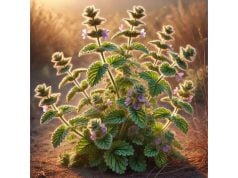
Hairy buttercup is an annual species in the Ranunculaceae family, a plant group known for bright flowers, strong defense chemistry, and a long record of medicinal curiosity. Botanically, Ranunculus sardous is recognized by its hairy stems, divided leaves, and glossy yellow flowers. It often grows in moist grasslands, disturbed soils, pastures, roadsides, and other open habitats, which is why many people meet it first as a field weed rather than as a medicinal herb.
Its traditional significance comes less from widespread formal use and more from belonging to a genus that was historically associated with pain relief, topical applications, and inflammatory complaints. That background matters, but it should be read with caution. Older herbal traditions often valued plants because they produced a noticeable effect, even when that effect included strong irritation. In the case of hairy buttercup, that sharp biological activity is part of the story.
This herb is best understood as a plant with two very different identities. On one side, it has ethnobotanical relevance and contains compounds of scientific interest. On the other, it has a toxicological profile that makes unsupervised use questionable. That is why it does not fit comfortably beside familiar kitchen or tea herbs. It is not a soothing daily tonic, and it is not a good candidate for experimentation simply because it appears in traditional medicine.
For modern readers, the value of learning about hairy buttercup is not that it belongs in every home apothecary. Its value lies in understanding how a plant can be medicinally interesting while still being unsuitable for casual self-care. That distinction is important in herbal medicine, where historical use and safe use are not always the same thing.
Hairy buttercup also offers a practical lesson in plant identification and respect. Wild herbs with vivid flowers can look harmless, but appearance tells us very little about safety. With this species, the safest starting point is to regard it as a plant that deserves informed handling, careful interpretation, and a much higher threshold of caution than the average consumer herb.
Key ingredients and active compounds
The most important compound pathway in hairy buttercup begins with ranunculin. Ranunculin itself is a glycosidic precursor stored in plant tissue. When the fresh plant is crushed, chewed, or otherwise damaged, ranunculin breaks down into protoanemonin, a reactive compound strongly associated with the irritant character of fresh buttercups. This is the key reason raw plant exposure matters so much. The chemistry changes when the tissue is injured, and that change can make the plant far more aggressive toward skin and mucous membranes.
Protoanemonin helps explain reports of burning, redness, blistering, oral irritation, and digestive upset linked to fresh buttercup exposure. It is not just an incidental constituent. It is central to why the plant must be handled differently from milder medicinal herbs. In practical terms, this means that the way hairy buttercup is prepared affects risk. Fresh, damaged material is the most concerning form because that is when reactive chemistry becomes most relevant.
Protoanemonin is unstable and can convert into anemonin, a compound that has drawn more interest in pharmacological research. Anemonin is less irritating than protoanemonin and is one reason scientists study the medicinal promise of buttercup chemistry rather than dismissing the genus outright. Laboratory work suggests that anemonin and related compounds may contribute to anti-inflammatory, antioxidant, and antimicrobial actions, though these findings are still mostly preclinical.
Hairy buttercup and related Ranunculus species may also contain flavonoids, phenolic compounds, and other secondary metabolites that shape antioxidant behavior. These are the kinds of plant molecules often linked to broad protective effects in test systems. Still, readers should avoid a common mistake: an herb can contain beneficial phytochemicals and remain a poor choice for home use. The presence of active compounds is not the same as proof of safety.
That tension is what makes hairy buttercup chemically fascinating. It is not a simple herb with one gentle active ingredient. It is a plant with a reactive defense system and a layered phytochemical profile. If you want a contrast, consider the more approachable compound profile of chamomile active compounds and everyday uses, where the path from chemistry to practical use is much more straightforward. Hairy buttercup is better approached as a plant whose chemistry deserves study, not casual use.
Does hairy buttercup have benefits
The strongest case for hairy buttercup’s potential benefits lies in early laboratory research, especially in areas related to inflammation and oxidative stress. Extracts from Ranunculus species, including Ranunculus sardous, have shown activity in test systems that measure inflammatory signaling. In simple terms, that means researchers have seen signs that the plant contains substances capable of moderating processes connected with inflammation.
This matters because traditional use often pointed in the same direction. Plants from this genus were historically associated with painful and inflammatory conditions, so the lab findings create a plausible bridge between folk use and modern mechanism. That does not prove the herb works in people, but it does suggest the traditional reputation was not arbitrary.
Antioxidant activity is another frequently mentioned area. Antioxidant assays do not tell us whether an herb will produce a meaningful clinical effect in real life, but they do help researchers compare extracts and understand which fractions may be worth studying more closely. Hairy buttercup has shown measurable antioxidant behavior in some models, though results vary depending on the extraction method and test used.
There is also broader interest in antimicrobial and anti-infective activity within buttercup chemistry, especially around compounds derived from the ranunculin pathway. Still, this is where overstatement becomes risky. Potential is not proof. Cell studies and test-tube assays are useful first steps, but they do not establish an effective, safe, consumer-ready remedy.
The most realistic benefit summary is this:
- Hairy buttercup may contain compounds with anti-inflammatory potential.
- It may show antioxidant activity in laboratory models.
- Its compound profile makes it scientifically interesting.
- Its benefits in humans remain uncertain and unconfirmed.
That final point is the one most readers need. Hairy buttercup is not supported by the kind of clinical evidence that justifies confident wellness claims. The plant may eventually contribute to better understanding of certain bioactive compounds, but it is not presently one of the stronger candidates for self-treatment. For topical soothing or mild skin support, a gentler and more established option such as calendula for topical comfort is usually a more sensible place to begin.
How hairy buttercup has been used
Hairy buttercup has been used primarily in folk and regional medicine rather than in standardized modern herbal practice. Ethnobotanical records connect it with inflammatory complaints, and the wider buttercup tradition includes uses for painful joints, rheumatic discomfort, and external applications intended to stimulate or irritate the skin. This older style of use reflects an era when botanical therapy often relied on noticeable local effects.
That is important because historical use can sound more reassuring than it should. A plant may have been used externally not because it was soothing, but because it was irritating enough to create redness, heat, or a counterirritant sensation. In earlier medicine, that visible reaction was sometimes interpreted as therapeutic action. Today, it is more accurately viewed as a sign that the plant may damage the skin barrier or provoke inflammation rather than calmly reduce it.
In some traditions, fresh or prepared buttercup material was placed on the body for localized discomfort. From a modern standpoint, this is not a wise home practice. The same chemistry that may produce a strong sensation can also cause blistering or marked irritation. Historical use deserves respect as cultural knowledge, but it should not be translated directly into present-day self-care instructions.
Researchers now study hairy buttercup in a very different way. Instead of relying on raw plant contact, they prepare extracts, separate fractions, and analyze compounds under controlled conditions. That scientific approach avoids many of the uncertainties that come with folk preparation methods, such as plant freshness, concentration, and unintended tissue injury.
For readers today, the most practical “use” of hairy buttercup is educational. It is a good example of why traditional reputation and safe modern application are not identical. When someone wants a plant for bruises, sore muscles, or localized discomfort, a more conventional topical herb such as arnica for external support is far more familiar in modern practice. Hairy buttercup remains historically interesting, but its older uses do not translate neatly into a safe home remedy routine.
How much hairy buttercup is used
There is no established, evidence-based dose for hairy buttercup in human self-care. That is the clearest and most important dosage fact. No standard oral amount has been validated. No routine tea range has been established. No common capsule dose exists. No reliable topical household dose is recognized as safe and effective. When readers look for practical amounts in milligrams or grams, the honest answer is that the evidence does not support one.
This gap exists for several reasons. First, most of the useful research on Ranunculus sardous is preclinical. Laboratory studies measure extract activity in cell systems or compare fractions in antioxidant assays. Those numbers help researchers understand mechanism, but they do not tell consumers how much plant material to ingest or apply. A test concentration in a cell line is not a ready-made human dose.
Second, the plant’s chemistry is highly variable in practical use. Freshness matters. Tissue damage matters. The part of the plant matters. Extraction solvent matters. A homemade preparation would be difficult to standardize even if the herb were otherwise safe, and in this case the safety margin is already uncertain.
Third, historical use does not offer dependable dosing guidance. Folk records may mention a plant being used for inflammation or pain, but they rarely provide the kind of detail needed for modern dosage standards. Even when they do, those traditions were not built around present-day toxicology methods or clinical trial design.
The safest modern guidance is simple:
- Do not take hairy buttercup by mouth for self-treatment.
- Do not make fresh-plant poultices or skin applications at home.
- Do not assume drying, steeping, or mixing automatically makes it safe.
- Choose a better-studied herb if you want regular support.
For self-care, the practical oral dose is 0 mg. That may sound unusually direct, but it reflects the real state of the evidence. If your goal is a mild topical botanical with a more familiar track record, witch hazel for everyday skin care is a much more typical option than hairy buttercup.
Side effects, interactions, and who should avoid
Safety is where hairy buttercup needs the clearest language. Fresh plant material can irritate skin and mucous membranes, and ingestion may lead to digestive symptoms. Reported effects associated with buttercup exposure include burning of the mouth, increased salivation, nausea, vomiting, diarrhea, and local skin irritation. In animals and in broader toxicology references, more severe signs have also been described. Even if most casual human contact does not lead to major poisoning, this is not a plant that deserves a trial-and-error approach.
The highest-risk form is the fresh plant, especially when crushed, chewed, or bruised. That is the condition in which ranunculin can convert into protoanemonin, the compound most closely tied to irritation. For topical use, this means that homemade fresh-plant applications are a poor idea. For oral use, it means wild foraging and ingestion should be avoided.
The people who should avoid hairy buttercup entirely include:
- Children.
- Pregnant people.
- Breastfeeding people.
- Anyone with very sensitive skin.
- Anyone with eczema-prone or damaged skin.
- Anyone with mouth ulcers, gastritis, reflux, or inflammatory bowel disease.
- Anyone using the plant without expert supervision.
Formal herb-drug interaction data are limited, but caution is still warranted. A plant with a known irritant profile is a poor fit alongside medications or conditions that already stress the gastrointestinal tract. It is also a poor choice for people prone to allergic or inflammatory skin reactions. Because the plant lacks validated medicinal dosing, there is little upside in trying to “manage” these risks rather than simply avoiding use.
Another issue is confusion with the idea that all medicinal herbs are suitable for daily wellness. Hairy buttercup is not in that category. For gentle skin support, a more conventional option such as aloe vera for skin soothing is a safer and far more familiar direction. In practical terms, the best safety strategy with hairy buttercup is not careful dosing. It is nonuse outside professional or research settings.
What the evidence actually says
The evidence for hairy buttercup is promising in a narrow scientific sense and weak in a clinical sense. That distinction matters. What researchers currently have is a mix of ethnobotanical records, phytochemical analysis, toxicology knowledge, and preclinical laboratory studies. What they do not yet have is strong human trial evidence showing that Ranunculus sardous is a safe and effective consumer herb for specific conditions.
The strongest evidence points to biological activity, not proven therapeutic outcomes. Extracts from this plant and related species can influence inflammatory markers in laboratory systems. Compounds linked to the ranunculin pathway may help explain some of the plant’s anti-inflammatory or antimicrobial promise. Antioxidant activity has also been observed in certain assays. Together, these findings support continued study.
But several limits are hard to ignore. Different extraction methods can produce different results. Different assays can make the same plant look more or less active. Traditional use records often lack standardization. Most importantly, the plant’s irritant chemistry makes direct home use difficult to justify while safer alternatives exist. A plant can be pharmacologically active and still be a poor herbal product.
That is why the most balanced interpretation is also the most useful one. Hairy buttercup is not meaningless folklore, and it is not just a toxic weed with no medicinal interest. It sits in the middle. It is a biologically active plant with real research value, but the evidence has not matured into a clear human-use recommendation.
For readers, the practical conclusion is straightforward. Hairy buttercup should be viewed as a research-interest herb with preliminary anti-inflammatory potential, uncertain clinical value, and a meaningful safety burden. It may help scientists explore useful compounds, but it does not currently rank as a wise self-treatment herb. In modern herbal decision-making, that means curiosity is appropriate, but caution should win.
References
- Therapeutic Potential of Ranunculus Species (Ranunculaceae): A Literature Review on Traditional Medicinal Herbs 2022 (Review)
- Ranunculus species suppress nitric oxide production in LPS-stimulated RAW 264.7 macrophages 2021 (Preclinical Study)
- Traditional Medicinal Ranunculaceae Species from Romania and Their In Vitro Antioxidant, Antiproliferative, and Antiparasitic Potential 2024 (Preclinical Study)
- Ranunculin, Protoanemonin, and Anemonin: Pharmacological and Chemical Perspectives 2024 (Review)
Disclaimer
This article is for educational purposes only and is not medical advice, diagnosis, or treatment. Hairy buttercup is not a routine self-care herb, and fresh plant exposure may cause irritation or toxicity. Do not ingest the plant or apply fresh material to the skin to treat symptoms. Seek guidance from a qualified clinician or poison center for suspected exposure, persistent symptoms, use during pregnancy or breastfeeding, or any plan to combine herbs with prescription medications or chronic disease treatment.
If you found this article useful, please share it on Facebook, X, or any platform your audience prefers.