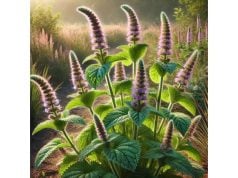
Heartleaf arnica (Arnica cordifolia) is a perennial wildflower native to the forests and mountain regions of western North America. Recognized by its heart-shaped leaves and bright yellow daisy-like flowers, this species belongs to the same genus as the well-known European arnica. Indigenous communities and traditional herbalists have long valued the plant for its topical uses, particularly for bruises, muscle soreness, and minor injuries. Like other arnica species, heartleaf arnica contains biologically active compounds that may support circulation in damaged tissue and help reduce inflammation associated with sprains, strains, and superficial trauma.
Modern herbal practice mainly uses heartleaf arnica externally rather than internally, since the plant’s potent constituents can irritate the digestive tract if taken by mouth. Preparations such as infused oils, salves, tinctures, and compresses are commonly applied to the skin to ease swelling, soreness, and localized pain. Although scientific research has focused more on other Arnica species, emerging phytochemical data and traditional knowledge provide useful insight into the medicinal potential of Arnica cordifolia.
Key Insights
- Traditionally used topically to ease bruises, muscle soreness, and minor sprains.
- Plant compounds such as sesquiterpene lactones and flavonoids may help reduce localized inflammation.
- Typical external preparations contain about 5 to 25 percent infused arnica oil or extract.
- Oral ingestion should be avoided due to potential toxicity and irritation.
- Pregnant people, children, and anyone with broken skin or allergies to daisy family plants should avoid unsupervised use.
Table of Contents
- What is heartleaf arnica
- Active compounds and medicinal properties
- Potential health benefits
- How heartleaf arnica is used
- Dosage and preparation guidelines
- Side effects, interactions, and warnings
- Scientific evidence and research
What is heartleaf arnica
Heartleaf arnica (Arnica cordifolia) is a flowering perennial in the Asteraceae family, the same botanical group that includes daisies, chamomile, and sunflowers. The plant grows naturally in cool forests, mountain meadows, and shaded woodland environments across western Canada and the United States. Its distinctive heart-shaped leaves grow close to the ground while slender stems produce bright yellow flowers during the summer months.
The plant’s natural range includes the Rocky Mountains, Pacific Northwest, and parts of Alaska and northern California. In these regions it has been used traditionally by Indigenous communities and later by herbalists for topical remedies related to injury and inflammation. The leaves, flowers, and sometimes roots have been used in poultices or infusions applied externally to sore muscles, bruises, and sprains.
Heartleaf arnica belongs to a genus that contains several medicinal species. The European species Arnica montana is the most widely researched and commercially used, particularly in homeopathic and topical preparations. However, Arnica cordifolia shares many phytochemical similarities with its European relative, which helps explain why it has been used for comparable purposes.
The plant’s medicinal reputation comes largely from its ability to stimulate circulation and support the body’s natural response to tissue injury. Herbal practitioners often use it to address localized swelling, bruising, and muscular discomfort after physical activity or minor trauma.
Heartleaf arnica is not commonly used internally because the compounds responsible for its medicinal activity can be irritating or toxic when ingested. For this reason, the herb is usually prepared as a topical infusion or oil applied to the skin. Many herbal traditions consider it a valuable plant for wilderness medicine and first-aid situations.
Its popularity among herbalists also stems from its accessibility in North American forests. Responsible harvesting practices are important because wild populations can be sensitive to overcollection. Ethical herbalists typically gather small amounts and leave most plants undisturbed to preserve natural ecosystems.
For readers interested in learning about related topical botanicals, the guide to arnica health benefits and topical uses explains the broader genus and its traditional applications.
Active compounds and medicinal properties
Heartleaf arnica contains a diverse mixture of plant chemicals that contribute to its traditional medicinal properties. These natural substances belong to several chemical families commonly found in therapeutic herbs, particularly those used for inflammation and injury.
The most significant compounds are sesquiterpene lactones, especially helenalin and related molecules. These compounds are widely regarded as the primary active constituents in arnica species. They appear to influence inflammatory pathways in the body and may help reduce swelling and localized discomfort when applied to the skin.
In addition to sesquiterpene lactones, heartleaf arnica contains several other bioactive groups:
- Flavonoids – antioxidant compounds that help protect cells from oxidative stress and support healthy circulation.
- Essential oils – aromatic molecules that may contribute to mild antimicrobial and anti-inflammatory effects.
- Phenolic acids – compounds linked to antioxidant activity and tissue protection.
- Coumarins – substances that may influence blood flow and microcirculation.
- Tannins – plant compounds that provide mild astringent properties and may support skin repair.
Together, these substances produce a combination of pharmacological actions. Herbal pharmacology studies suggest that arnica compounds can influence inflammatory signaling molecules and may help regulate immune responses in damaged tissue.
One notable characteristic of arnica compounds is their potency. Sesquiterpene lactones are biologically active even in relatively small concentrations, which explains both the herb’s therapeutic value and its potential toxicity when taken internally. Because these compounds can irritate mucous membranes, topical use is generally preferred.
Researchers have also explored the antioxidant properties of flavonoids and phenolic compounds present in arnica species. Antioxidants may help protect injured tissues from oxidative stress that occurs during inflammation and healing. While this effect is usually mild, it may contribute to the overall soothing properties of arnica preparations.
Another important property is the plant’s effect on microcirculation, or blood flow through tiny capillaries. Improved circulation in injured tissues can help remove metabolic waste products and deliver nutrients necessary for recovery. This mechanism may partly explain why arnica is traditionally applied to bruises.
Similar phytochemical patterns appear in several other anti-inflammatory herbs. For instance, studies of boswellia for inflammation support show how plant resins and flavonoids can influence inflammatory pathways through complementary mechanisms.
Overall, the medicinal potential of heartleaf arnica arises from the synergy of multiple compounds rather than from a single active ingredient. This complex chemical profile is typical of many traditional herbs and contributes to their multifaceted therapeutic actions.
Potential health benefits
Heartleaf arnica has been associated with several health benefits, most of which relate to topical care for injuries and inflammation. Although many of these uses stem from traditional herbal medicine, modern pharmacological studies of arnica species provide plausible explanations for these effects.
Bruise recovery support
One of the most common uses of arnica preparations is helping reduce the appearance of bruises. Bruising occurs when small blood vessels rupture beneath the skin after an injury. Arnica’s circulation-supporting compounds may encourage faster breakdown of trapped blood pigments, helping discoloration fade more quickly.
Muscle soreness and strain relief
Athletes and outdoor enthusiasts sometimes use arnica preparations after strenuous activity. Topical application may help soothe sore muscles and minor strains by supporting blood flow and moderating inflammatory responses.
Joint and tissue inflammation
Some herbal practitioners recommend arnica preparations for mild joint discomfort associated with overuse or minor injuries. The plant’s anti-inflammatory compounds may reduce localized swelling and stiffness.
Minor wound care
Traditional medicine systems have used arnica leaves and flowers in poultices to support healing of superficial wounds and abrasions. The herb’s mild antimicrobial and anti-inflammatory effects may help maintain a healthy healing environment.
Post-injury swelling
Localized swelling following sprains or blunt trauma may respond to topical arnica applications. By improving circulation and reducing inflammatory mediators, the plant may help tissues recover more comfortably.
It is important to remember that these benefits generally apply to minor injuries and superficial conditions rather than severe trauma or chronic disease. Arnica preparations should never replace proper medical care for fractures, deep wounds, or serious musculoskeletal injuries.
Herbalists often combine arnica with other soothing botanicals to enhance topical formulations. For example, salves containing both arnica and comfrey for skin repair have been traditionally used to support tissue recovery after bruises or strains.
While many people find arnica preparations helpful, results can vary depending on the formulation, concentration, and individual sensitivity. Responsible use involves applying the herb to intact skin and monitoring for any irritation.
Overall, heartleaf arnica’s benefits are best understood as supportive rather than curative. Its role is to complement the body’s natural healing processes, particularly in the early stages of tissue recovery following mild injuries.
How heartleaf arnica is used
Heartleaf arnica is most commonly used in topical herbal preparations. Because its active compounds can irritate the digestive system, internal use is rarely recommended outside of specialized homeopathic preparations.
Traditional herbalists have developed several methods for preparing the plant for external use.
Infused oil
One of the most popular preparations is arnica-infused oil. Fresh or dried flowers are placed in a carrier oil such as olive or sunflower oil and allowed to steep for several weeks. The resulting oil can then be used directly or incorporated into salves and massage oils.
Herbal salves
Arnica oil is often combined with beeswax to produce a semi-solid salve. These preparations are convenient for applying to bruises, sprains, and sore muscles.
Tinctures and liniments
Alcohol extracts of arnica flowers are sometimes diluted and used as topical liniments. These preparations are typically applied to the skin using a cloth or cotton pad.
Compresses
A diluted arnica infusion can be applied as a warm or cool compress for localized swelling or discomfort. This method is often used shortly after minor injuries.
Massage preparations
Some sports massage oils include arnica to help soothe muscles after physical activity. These oils are typically applied to large muscle groups such as the legs, shoulders, or back.
When using heartleaf arnica topically, several guidelines improve safety and effectiveness:
- Apply only to unbroken skin.
- Avoid contact with eyes and mucous membranes.
- Use moderate amounts rather than heavy layers.
- Discontinue use if irritation develops.
Because arnica preparations are widely used in herbal first-aid kits, they are often paired with other topical herbs. For example, herbal liniments may combine arnica with ingredients discussed in the guide to witch hazel topical care for additional soothing effects.
The goal of these preparations is not to numb pain instantly but to support the body’s natural recovery process. With proper use, topical arnica preparations may help reduce discomfort and encourage faster return to normal activity after minor injuries.
Dosage and preparation guidelines
Dosage recommendations for heartleaf arnica vary depending on the form of preparation. Because the plant is primarily used externally, dosage refers mainly to the concentration of extracts in topical formulations rather than to oral intake.
Infused oil concentration
Traditional herbal preparations often contain approximately 5 to 25 percent arnica infusion in the final oil. This means that one part arnica flower is infused into about four to twenty parts carrier oil.
Salves and balms
Arnica salves typically contain around 5 to 15 percent arnica-infused oil combined with beeswax or other base ingredients. These preparations are applied in thin layers to the affected area once or twice daily.
Tinctures
When using tinctures externally, herbalists usually dilute the extract before applying it to the skin. A common guideline is 1 part tincture to 3 to 5 parts water, used as a compress or liniment.
Compress preparations
For herbal compresses, a mild infusion may be prepared using roughly 1 to 2 teaspoons of dried arnica flowers per cup of hot water. After cooling slightly, the liquid is applied to the skin using a cloth.
Because arnica can irritate sensitive skin, it is wise to perform a small patch test before widespread application. This involves applying a small amount of the preparation to a small area of skin and waiting several hours to observe any reaction.
Duration of use also matters. Topical arnica is generally used for short periods, such as several days following a bruise or minor sprain. Long-term continuous application is rarely necessary.
Herbalists sometimes rotate topical herbs depending on the stage of healing. Early swelling may benefit from arnica, while later stages of recovery might incorporate circulation-supporting herbs such as those described in the article on hawthorn for circulation support.
Homeopathic arnica preparations are another form sometimes used internally. However, these products contain extremely diluted extracts and follow a completely different dosing philosophy than traditional herbal medicine. Because they differ so greatly in preparation and potency, they should not be confused with concentrated herbal extracts.
In all cases, moderation and proper dilution are essential. Even though arnica is widely used externally, its strong bioactive compounds require respectful handling to prevent irritation.
Side effects, interactions, and warnings
Although heartleaf arnica can be beneficial when used properly, it also carries several important safety considerations. Understanding these precautions helps ensure that the herb is used responsibly.
Skin irritation
The most common side effect of topical arnica is mild skin irritation. Some individuals may experience redness, itching, or rash after applying arnica products. People with sensitive skin or allergies to plants in the daisy family are more likely to experience these reactions.
Allergic responses
Arnica belongs to the Asteraceae plant family, which includes ragweed, chrysanthemums, and marigolds. Individuals allergic to these plants may also react to arnica.
Internal toxicity
Ingesting significant amounts of arnica can be dangerous. Concentrated extracts may cause nausea, vomiting, abdominal pain, dizziness, and heart rhythm disturbances. For this reason, herbal arnica preparations are typically restricted to external use.
Broken skin warning
Arnica should not be applied to open wounds, deep cuts, or broken skin. The plant’s active compounds can be absorbed more easily through damaged tissue and may cause irritation or systemic effects.
Pregnancy and breastfeeding
Because safety data are limited, pregnant or breastfeeding individuals should avoid medicinal use of arnica unless supervised by a healthcare professional.
Medication interactions
Topical arnica rarely interacts with medications, but internal ingestion could potentially influence blood pressure, circulation, or heart rhythm. Anyone taking cardiovascular medications should avoid unsupervised internal use.
Children
Young children may be more sensitive to plant compounds and should not use strong herbal preparations without guidance from a qualified healthcare professional.
Herbalists often emphasize that arnica is best used for short-term, localized treatment rather than as a long-term remedy. When symptoms persist or worsen, professional medical care should be sought.
Many topical formulations also include soothing botanicals to reduce irritation. For example, arnica may be combined with calming herbs discussed in the overview of chamomile active compounds and soothing effects.
With careful application and attention to safety guidelines, most people can use topical arnica preparations without significant problems. However, the herb’s potency means it should always be used with awareness and respect for its pharmacological strength.
Scientific evidence and research
Scientific research on heartleaf arnica specifically remains limited compared with studies of the European species Arnica montana. Nevertheless, the existing body of research on arnica plants offers valuable insights into how the genus functions medicinally.
Laboratory studies have confirmed that arnica extracts contain compounds capable of influencing inflammatory pathways. In particular, sesquiterpene lactones appear to inhibit nuclear transcription factors involved in inflammation. This mechanism may explain the plant’s traditional use for bruises and muscle soreness.
Several clinical studies of arnica preparations have explored its effect on post-surgical swelling and bruising. Results have been mixed, with some studies reporting modest reductions in bruising or pain, while others found little difference compared with placebo. Variability in preparation strength and study design likely contributes to these inconsistent findings.
Research on arnica’s antimicrobial properties has also produced promising results. Extracts of the plant have demonstrated activity against certain bacteria and fungi in laboratory settings. While these results do not necessarily translate directly to clinical treatment, they support traditional uses for wound care.
Another area of investigation involves arnica’s antioxidant properties. Flavonoids and phenolic compounds found in the plant may help neutralize reactive oxygen species generated during tissue injury. Reducing oxidative stress could potentially support the body’s natural healing processes.
Despite these encouraging findings, researchers emphasize that arnica is best used topically and cautiously. Because its compounds are biologically active, the plant requires careful dosing and formulation to avoid irritation or toxicity.
Future research may explore more standardized extracts, improved topical delivery systems, and better clinical trials focused on specific conditions such as sports injuries or postoperative bruising.
For now, the strongest support for heartleaf arnica lies in its long history of traditional use combined with modern pharmacological insights. While the evidence is not definitive, it provides a credible scientific basis for the herb’s continued role in topical herbal medicine.
References
- Arnica montana L.: a plant of healing and toxicity 2021 (Review)
- Pharmacological activities and safety of Arnica species 2021 (Review)
- Anti-inflammatory activity of sesquiterpene lactones 2022 (Review)
- Herbal medicines for inflammation and wound healing 2021 (Review)
Disclaimer
This article is intended for educational purposes only and should not be considered medical advice. Herbal remedies such as heartleaf arnica may interact with medications or cause side effects in some individuals. Always consult a qualified healthcare professional before using herbal products, particularly if you are pregnant, breastfeeding, taking prescription medications, or managing a medical condition. Topical herbs should never replace appropriate medical care for serious injuries, infections, or chronic health concerns.
If you found this article helpful, consider sharing it on Facebook, X (formerly Twitter), or your preferred social platform to help others learn about traditional herbal medicine.