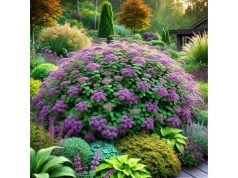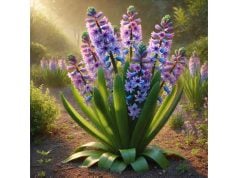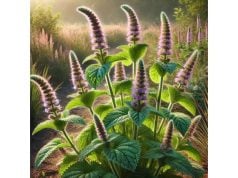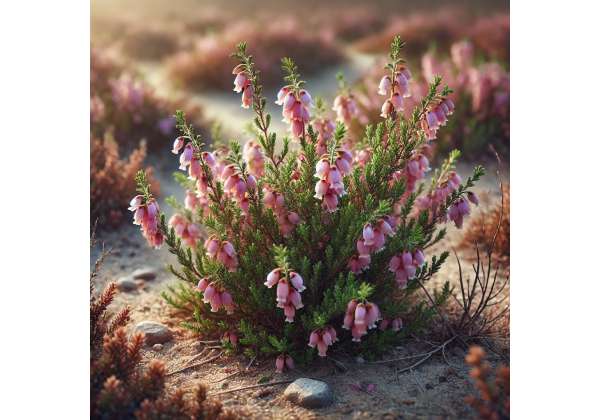
Heath plants (Erica species) are small evergreen shrubs known for their delicate bell-shaped flowers and their ability to thrive in nutrient-poor soils. Native to Europe, parts of Africa, and western Asia, these plants have long been associated with rugged landscapes such as moorlands and heaths. Beyond their ornamental beauty, certain Erica species have a history of use in traditional herbal medicine, particularly in Europe, where the flowering tops and leaves were prepared as infusions or decoctions.
Historically, heath herbs were valued for their mild diuretic, urinary-supportive, and anti-inflammatory properties. Herbalists used them to promote healthy kidney and bladder function, soothe mild urinary irritation, and support detoxification through increased fluid elimination. The plant also contains polyphenols, flavonoids, and arbutin-related compounds that may contribute antioxidant and antimicrobial effects.
Although heath is not among the most widely used medicinal herbs today, it remains an intriguing botanical with a long ethnobotanical history. Understanding its active compounds, traditional uses, safe preparation methods, and realistic benefits helps modern readers appreciate how this modest shrub has supported health practices for centuries.
Quick Overview
- Traditionally used to support urinary tract health and gentle fluid elimination.
- Contains polyphenols and arbutin-like compounds with antioxidant and antimicrobial potential.
- Typical herbal infusion uses about 1 to 2 teaspoons dried flowering tops per cup of hot water.
- Often consumed as tea once or twice daily for short periods when urinary support is desired.
- People with kidney disease, pregnancy, or sensitivity to arbutin-containing herbs should avoid unsupervised use.
Table of Contents
- What is heath plant
- Active compounds in heath
- Potential health benefits
- Traditional and modern uses
- Dosage and preparation
- Side effects and safety
- Research and scientific evidence
What is heath plant
Heath refers to several species within the genus Erica, a group of evergreen shrubs belonging to the Ericaceae family. This botanical family also includes blueberries, cranberries, and rhododendrons. Heath plants are especially abundant in heathlands and moorlands of Europe, where their hardy nature allows them to flourish in acidic, sandy soils with minimal nutrients.
Most Erica species grow as low shrubs with needle-like leaves and clusters of small bell-shaped flowers. These blooms may appear in shades of pink, purple, red, or white depending on the species. Flowering often occurs from late winter through summer, making heath plants a valuable nectar source for pollinators.
Historically, the aerial parts of certain species such as Erica cinerea and Erica arborea were harvested for medicinal preparations. Traditional European herbal medicine used the flowering tops and leaves to prepare teas or decoctions intended to support urinary health and fluid balance.
The plant’s association with urinary wellness likely developed because of its mild diuretic properties. Herbal practitioners believed heath could stimulate gentle elimination of excess fluids while soothing irritation in the urinary tract. In rural herbal traditions, it was sometimes combined with other diuretic herbs to support kidney and bladder function.
Heath plants also held cultural importance. In Scotland and other regions, they symbolized protection and resilience, reflecting their ability to grow in harsh environments. Historically, heath branches were used in bedding, roofing materials, and even early broom-making.
From a botanical perspective, the Ericaceae family contains many plants with phenolic compounds and glycosides associated with urinary support. A related example is discussed in the article about uva ursi for urinary tract support, which shares a similar traditional role in herbal medicine.
Today, heath is primarily appreciated for its ecological and ornamental value, yet its historical medicinal uses continue to interest herbalists and researchers exploring plant-based approaches to urinary and antioxidant support.
Active compounds in heath
The medicinal potential of heath plants arises from a variety of phytochemicals present in their leaves and flowering tops. These natural compounds contribute to the herb’s traditional uses and possible health-supportive properties.
One of the most important groups of compounds found in Erica species is phenolic compounds, which include flavonoids and phenolic acids. These molecules are widely recognized for their antioxidant activity. Antioxidants help neutralize free radicals and may protect cells from oxidative stress associated with inflammation and metabolic processes.
Another notable compound type found in heath is arbutin or arbutin-related glycosides. Arbutin is a naturally occurring molecule also present in several other plants used in urinary support. In the body, it can break down into hydroquinone derivatives that exhibit mild antimicrobial activity within the urinary tract.
Key phytochemical groups identified in heath include:
- Flavonoids – plant pigments that provide antioxidant and anti-inflammatory effects.
- Phenolic acids – compounds that contribute to free radical protection and tissue support.
- Arbutin-like glycosides – molecules associated with urinary antimicrobial activity.
- Tannins – astringent compounds that may help tone tissues and reduce mild irritation.
- Terpenoids – aromatic molecules that can influence inflammation and immune responses.
The presence of tannins also contributes to the slightly astringent taste of heath tea. Astringent herbs often help tighten tissues and reduce excess secretions, which may partly explain their historical use in urinary health.
In addition, some Erica species contain small amounts of essential oils that contribute aroma and may offer mild antimicrobial effects. These volatile compounds are usually present in lower concentrations compared with phenolic compounds but can still influence the herb’s overall pharmacological profile.
The interaction between these compounds produces a gentle combination of antioxidant, antimicrobial, and mild diuretic actions. This synergy is typical in herbal medicine, where multiple plant constituents work together rather than relying on a single active ingredient.
A similar synergy of phenolic antioxidants appears in plants like bilberry and its polyphenol compounds, which also demonstrates how plant pigments contribute to protective biological effects.
Although the concentrations of these compounds vary between Erica species and growing conditions, the overall chemical profile supports the traditional use of heath as a mild urinary and antioxidant herb.
Potential health benefits
Heath has been associated with several potential health benefits, primarily related to urinary tract support and antioxidant activity. While many of these uses come from traditional herbal practices, they align with the phytochemical properties identified in the plant.
Urinary tract support
Perhaps the most widely cited benefit of heath is its role in supporting urinary tract health. The presence of arbutin-like compounds may help inhibit certain microbes in the urinary system. Combined with mild diuretic effects, this may assist the body in flushing unwanted bacteria and maintaining urinary balance.
Gentle diuretic effects
Heath has historically been considered a mild diuretic. Diuretics encourage the kidneys to increase urine production, helping remove excess fluid and metabolic waste from the body. Unlike strong pharmaceutical diuretics, herbal options such as heath tend to work more gradually.
Anti-inflammatory support
Flavonoids and phenolic acids present in heath may help moderate inflammatory responses. This property could explain its traditional use for soothing mild irritation within the urinary tract.
Antioxidant protection
The plant’s polyphenols may contribute to protection against oxidative stress. Antioxidants help stabilize reactive molecules that can damage cells and tissues over time.
Digestive support
In some herbal traditions, heath tea was occasionally used to soothe mild digestive discomfort. The tannins and phenolic compounds may provide mild astringent and protective effects on the digestive lining.
Although heath has several traditional benefits, it is important to understand that these effects are generally mild and supportive rather than strongly medicinal. The herb is best viewed as a complementary botanical that supports natural physiological processes rather than as a primary treatment for disease.
Herbalists often combine heath with other plants that enhance urinary or detoxification support. For example, formulations sometimes include herbs discussed in the guide to dandelion for fluid balance and detox support.
Overall, heath’s benefits lie in its gentle nature. When used responsibly, it may provide modest assistance for fluid balance, urinary comfort, and antioxidant protection.
Traditional and modern uses
Traditional herbal medicine made use of heath in several ways, particularly in rural European communities where the plant grew abundantly. The aerial parts—especially the flowering tops—were harvested during bloom and dried for later use in teas and decoctions.
Herbal teas
The most common preparation was a simple infusion made by steeping dried heath in hot water. This tea was consumed to promote urinary health, encourage fluid elimination, and soothe mild urinary discomfort.
Herbal blends
Heath was rarely used alone in traditional herbal formulas. Instead, it was often combined with other herbs that supported similar physiological processes. Blending herbs allowed practitioners to create balanced remedies with complementary actions.
External preparations
In some historical accounts, heath infusions were also used in baths or washes intended to soothe irritated skin. The tannins and antioxidants may provide mild soothing effects when applied externally.
Seasonal cleansing traditions
Some herbal traditions incorporated heath tea into seasonal cleansing routines. The herb’s mild diuretic nature made it suitable for gentle detoxification regimens that emphasized hydration and natural elimination.
Modern herbal interest
Today, heath is not as widely used as many other medicinal herbs, but it still appears in certain European herbal products aimed at urinary health. Herbalists may recommend it for short-term support rather than long-term use.
Because heath belongs to the Ericaceae family, it shares similarities with other herbs used in urinary wellness. For instance, the article on cranberry and urinary health explains how plant compounds can influence microbial balance within the urinary tract.
Another modern application involves herbal teas designed for relaxation and gentle detoxification. Heath’s mild flavor allows it to blend easily with other botanicals such as mint, chamomile, or lemon balm.
Ultimately, heath’s role in herbal practice reflects its balanced nature. Rather than acting as a strong medicinal herb, it serves as a supportive botanical that complements broader wellness strategies focused on hydration, balanced nutrition, and healthy elimination.
Dosage and preparation
Proper dosage and preparation methods are important when using heath as an herbal remedy. Because the plant is generally consumed as a tea, dosage recommendations typically refer to the amount of dried plant material used in infusions.
Standard herbal infusion
A common guideline for preparing heath tea is:
- 1 to 2 teaspoons of dried flowering tops per cup of hot water
The plant material is steeped for about 10 to 15 minutes, allowing beneficial compounds to infuse into the liquid. After straining, the tea can be consumed warm.
Typical daily intake
Traditional herbal practices usually recommend:
- 1 to 2 cups per day for short periods of use.
Because heath contains arbutin-like compounds, it is generally used for limited durations, often a few days to one week when supporting urinary comfort.
Herbal combinations
Heath may also be blended with other herbs to create balanced urinary-support teas. Popular companions include mild diuretic plants and soothing botanicals.
Examples of herbs sometimes combined with heath include:
- Juniper berries
- Corn silk
- Dandelion leaf
- Nettle leaf
These blends are designed to provide gentle fluid balance support while maintaining hydration.
Storage and quality
To preserve potency, dried heath should be stored in airtight containers away from direct sunlight and moisture. When properly stored, dried herbs can retain useful compounds for approximately one year.
Preparation tips
- Use freshly boiled water to extract plant compounds effectively.
- Cover the cup during steeping to retain aromatic components.
- Strain thoroughly before drinking.
Herbalists emphasize that increasing dosage does not necessarily improve effectiveness. Many herbs work best within moderate ranges that allow the body to respond gradually.
For individuals exploring herbal teas for wellness, the approach is similar to other gentle botanicals such as those discussed in the overview of nettle and its mineral rich compounds.
By following simple preparation guidelines and moderate dosage ranges, heath can be incorporated safely into occasional herbal tea routines.
Side effects and safety
Heath is generally considered a mild herbal plant when used in moderate amounts as a tea. However, like many herbs containing arbutin-related compounds, it should be used with awareness of potential safety considerations.
Digestive irritation
Large quantities of heath tea may cause mild digestive upset in sensitive individuals. Symptoms could include nausea or stomach discomfort, particularly if consumed on an empty stomach.
Hydroquinone exposure
Because arbutin can break down into hydroquinone derivatives in the body, long-term or excessive consumption of arbutin-containing herbs is not recommended. Short-term use in moderate amounts is generally considered safer.
Kidney conditions
Individuals with existing kidney disease should avoid using diuretic herbs without medical guidance. Increased fluid elimination may place additional strain on compromised kidneys.
Pregnancy and breastfeeding
There is insufficient safety research regarding heath during pregnancy or breastfeeding. For this reason, healthcare professionals typically advise avoiding medicinal use during these periods.
Medication interactions
Heath’s mild diuretic effects may theoretically interact with pharmaceutical diuretics or medications affecting kidney function. Anyone taking such medications should consult a healthcare professional before using herbal diuretics.
Allergic reactions
Allergies to heath are rare but possible. Symptoms could include skin irritation, rash, or mild respiratory reactions when exposed to plant pollen or extracts.
Responsible use guidelines
To minimize risks:
- Use heath tea only for short periods.
- Avoid excessive doses.
- Consult a healthcare professional when managing existing medical conditions.
Herbalists often emphasize that safety depends not only on the plant itself but also on how it is used. Many herbs with mild diuretic properties require similar precautions, as explained in the guide to juniper and its traditional urinary uses.
By respecting dosage recommendations and avoiding prolonged use, most healthy adults can consume occasional heath tea without significant issues.
Research and scientific evidence
Scientific research on heath plants is still limited compared with more widely studied medicinal herbs. Nevertheless, several studies examining Erica species provide insights into their potential pharmacological properties.
Laboratory investigations have confirmed the presence of polyphenols, flavonoids, and phenolic acids in various Erica species. These compounds are known for their antioxidant activity and may contribute to protective biological effects within cells.
Some research has explored the antimicrobial potential of extracts derived from heath plants. In vitro studies suggest that certain compounds may inhibit microbial growth under laboratory conditions. While promising, these results do not necessarily translate directly into clinical treatments.
Researchers have also investigated the anti-inflammatory potential of phenolic compounds found in Ericaceae plants. These compounds may influence cellular pathways involved in inflammation and oxidative stress. Such effects could theoretically support the traditional uses of heath for mild irritation.
Another area of interest involves the arbutin-related compounds present in some Erica species. Arbutin has long been studied for its antimicrobial activity in the urinary tract and for its role in skin-care formulations. However, the concentrations present in heath plants vary widely depending on species and environmental conditions.
Despite these findings, modern clinical trials specifically evaluating heath tea or extracts for human health outcomes remain scarce. Most evidence supporting its traditional use comes from ethnobotanical records and phytochemical analysis rather than large controlled studies.
This situation is common in herbal medicine, where many plants were historically used based on empirical observation long before modern research methods existed. Continued investigation may clarify which compounds are responsible for heath’s traditional effects and how they interact within the body.
Future studies may focus on standardizing extracts, identifying optimal dosage ranges, and evaluating safety in controlled clinical settings. Such research could help determine whether heath has a broader role in modern herbal therapeutics.
Until then, heath remains best understood as a traditional herbal plant with gentle supportive properties and an interesting phytochemical profile rather than a fully validated medicinal treatment.
References
- Phenolic Compounds and Biological Activity of Plants from the Ericaceae Family 2020 (Systematic Review)
- Arbutin: Occurrence in Plants, Metabolism and Biological Activities 2022 (Review)
- Polyphenols as Antioxidants and Anti Inflammatory Agents 2022 (Review)
- Medicinal Plants with Antimicrobial Properties: A Review 2022 (Review)
Disclaimer
This article is provided for educational purposes only and should not be considered medical advice. Herbal remedies, including heath (Erica species), may interact with medications or cause side effects in certain individuals. Always consult a qualified healthcare professional before using herbal products, especially if you are pregnant, breastfeeding, taking prescription medications, or managing a medical condition. Herbal preparations should not replace professional medical treatment for urinary infections or other health concerns.
If you found this article helpful, consider sharing it on Facebook, X (formerly Twitter), or your preferred social media platform to help others learn about traditional herbal knowledge and plant-based wellness.