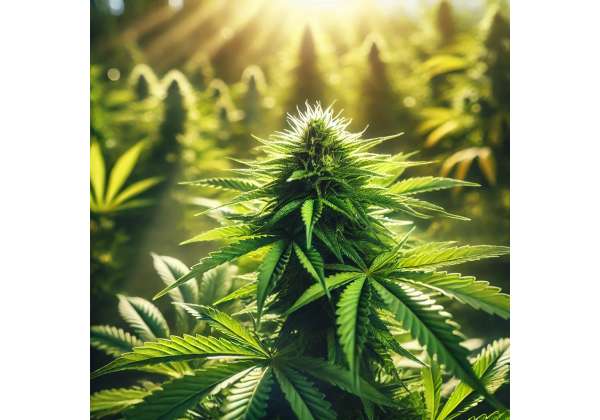
Hemp, the low-THC form of Cannabis sativa, is one of the few plants that sits at the crossroads of nutrition, herbal medicine, skincare, and modern cannabinoid science. That broad appeal can also create confusion. Hemp seeds, hemp seed oil, hemp protein, and hemp-derived CBD extracts all come from the same species, but they do not act the same way in the body. Seeds are valued mostly for protein, essential fatty acids, fiber, vitamin E, and minerals. Flower and leaf extracts are more relevant for cannabinoids such as cannabidiol, or CBD. Used well, hemp can support diet quality, provide useful plant fats, help moisturize and calm the skin barrier, and, in the case of prescription purified cannabidiol, play a legitimate medical role in certain seizure disorders. Used poorly, it is easy to expect too much from the wrong product. The real value of hemp is not hype but fit: matching the right form to the right goal, while respecting dosage, product quality, and safety.
Key Facts
- Hemp seeds can help improve plant-protein and essential-fat intake.
- Topical hemp seed oil may support dry or reactive skin.
- A practical food range is 20 to 30 g of hemp seeds per day.
- People who are pregnant, breastfeeding, or taking interacting medicines should avoid self-prescribing hemp extracts.
Table of Contents
- What is hemp exactly
- Key compounds in hemp
- Does hemp help health
- How to use hemp
- How much hemp per day
- Hemp side effects and interactions
- What the evidence shows
What is hemp exactly
Hemp is a form of Cannabis sativa cultivated mainly for seed, fiber, and low-THC cannabinoid production. In everyday language, the word usually signals a cannabis plant grown for industrial, nutritional, or wellness use rather than for intoxicating effects. That distinction matters because the same species can produce very different products. A bag of hemp hearts, a bottle of hemp seed oil, and a hemp-derived CBD tincture may all say “hemp” on the label, yet their chemistry and expected effects are completely different.
The first useful division is between seed products and extract products. Hemp seeds and cold-pressed hemp seed oil are food-first products. They are valued for essential fatty acids, plant protein, vitamin E compounds, and minerals. They contain little to no meaningful cannabinoid content compared with floral extracts. That means they do not behave like CBD oil and they do not produce intoxication. By contrast, hemp extracts made from flowers and aerial parts are relevant because they may contain cannabinoids such as CBD, smaller amounts of other cannabinoids, aromatic terpenes, and plant flavonoids.
A second distinction is between hemp seed oil and CBD oil. This is one of the most common sources of confusion. Hemp seed oil comes from pressing the seeds. CBD oil is usually made from cannabinoid-rich aerial parts and then diluted into a carrier oil. One nourishes more like a food fat. The other is used more like a botanical extract.
Historically, hemp has been remarkably versatile. The plant has served as a source of rope, cloth, paper, food, and medicinal preparations. Modern interest has revived all of those roles, but not equally. Nutritional science has focused strongly on hemp seeds and seed derivatives. Medical research has focused more on cannabinoids, especially CBD. Cosmetic use has centered on emollient plant oils and barrier-friendly formulations.
For readers trying to decide whether hemp is worth using, this is the main truth: hemp is not one thing. It is a category of related materials from one plant species. The benefits, dosage, and safety profile depend almost entirely on which form you mean.
That is why a smart hemp article has to answer three questions before promising anything:
- Which part of the plant is being used?
- Is the goal nutrition, topical care, or a cannabinoid effect?
- Is the product a food, a cosmetic, or a medically supervised extract?
Once you answer those, hemp becomes much easier to understand. Without them, the subject quickly turns into marketing language instead of useful health guidance.
Key compounds in hemp
Hemp is chemically interesting because different parts of the plant emphasize different families of compounds. The seeds are nutrient-dense and food-oriented. The flowers and leaves are more pharmacologically active because of cannabinoids and terpenes. That split helps explain why hemp can be both a functional food and a medicinal plant without every product doing the same job.
In hemp seeds and seed oil, the major compounds include:
- Linoleic acid, the main omega-6 fatty acid.
- Alpha-linolenic acid, a plant omega-3 fatty acid.
- Gamma-linolenic acid, present in smaller but notable amounts.
- Protein fractions, especially edestin and albumin.
- Fiber, especially in whole seeds and less-refined seed products.
- Tocopherols, including vitamin E compounds.
- Minerals, such as magnesium, iron, zinc, and phosphorus.
These seed-based compounds make hemp nutritionally attractive. The fatty-acid profile is one reason hemp is often compared with other nutrient-dense seeds and oils, especially in conversations about plant fats and balanced intake of polyunsaturated fats. For readers interested in that broader context, an omega-3 fatty acid guide can help explain where hemp fits and where it does not. Hemp provides useful omega-3 in the form of ALA, but it is not a marine omega-3 source and should not be treated as nutritionally identical to fish oil.
In the flowering tops and extracts, the chemistry shifts. Here the most discussed constituents are:
- Cannabidiol, or CBD, the best-known non-intoxicating cannabinoid in hemp.
- Minor cannabinoids, such as CBG, CBC, and trace THC depending on the product.
- Terpenes, including beta-caryophyllene, limonene, myrcene, pinene, and others.
- Flavonoids and phenolic compounds, which may contribute antioxidant and anti-inflammatory actions.
CBD gets most of the attention, but the plant is broader than CBD alone. Terpenes can shape aroma, sensory effects, and possibly part of the biological profile, although consumers often hear much stronger claims than the evidence supports. Flavonoids and polyphenols also add to hemp’s antioxidant and protective reputation, especially in whole-plant discussions.
From a medicinal-properties standpoint, hemp’s main realistic actions are:
- nutritional support from seeds and seed products
- emollient and barrier-supportive effects from topical seed oil
- pharmacologic cannabinoid effects from extracts rich in CBD
- modest antioxidant and anti-inflammatory potential across several constituents
The important nuance is that chemistry does not equal guaranteed clinical effect. A rich phytochemical profile makes hemp promising, but it does not prove that every hemp oil, gummy, tincture, or capsule will do something useful in people. The compounds explain why hemp is interesting. Human evidence determines how much of that interest becomes practical medicine.
Does hemp help health
Yes, but the form of hemp determines the kind of benefit you can reasonably expect. This is where many articles become misleading. Hemp seeds can be genuinely useful as a food. Purified CBD can be medically useful in very specific settings. Many over-the-counter hemp extracts sit somewhere in between, with much weaker proof than the marketing suggests.
The clearest benefit is nutritional support. Hemp seeds provide plant protein, essential fatty acids, and minerals in a compact food. They are especially useful for people trying to diversify plant protein intake or improve the quality of meals without relying entirely on legumes or highly processed powders. They are not magic, but they are practical. Compared with other seed foods, hemp often stands out for protein digestibility and a favorable fatty-acid profile. If you already use seeds for nutrition, a flaxseed nutrition profile offers a helpful comparison point, because flax is stronger for ALA while hemp is often easier for some people to incorporate for protein and texture.
A second benefit is skin support, especially from topical hemp seed oil. Because the oil is rich in linoleic acid and other emollient lipids, it can help soften dry skin and support barrier comfort. This does not make it a cure for eczema, acne, or psoriasis, but it can be a sensible part of a gentle skincare routine.
A third and much more medical benefit involves purified cannabidiol. This is the area where hemp moves beyond wellness language and into evidence-based treatment. Prescription purified CBD has demonstrated real value for seizures associated with Lennox-Gastaut syndrome, Dravet syndrome, and tuberous sclerosis complex when used under specialist care. That benefit should not be casually transferred to every hemp product on the shelf. A prescription cannabidiol solution is not the same as a non-prescription hemp extract.
What about pain, anxiety, sleep, inflammation, or mood? This is where the answer becomes mixed. Some people report benefit, and there is ongoing research, but the evidence is inconsistent, product quality varies widely, and effect size is often smaller than the marketing claims suggest. A person may feel calmer with a hemp extract, but that does not mean the product has strong, generalizable evidence for anxiety disorders or insomnia. In sleep support especially, many people would do better to first fix timing, light exposure, and routine or learn more about structured tools such as melatonin timing before assuming a hemp gummy is the most logical answer.
So the realistic health picture looks like this:
- Well supported: nutrient density of hemp seeds, culinary use, and specialist prescription CBD for certain epilepsies.
- Reasonably plausible: barrier support from topical hemp seed oil.
- Still uncertain: general over-the-counter hemp extracts for pain, anxiety, sleep, and broad anti-inflammatory wellness goals.
That does not make hemp disappointing. It makes it usable. The value of hemp is strongest when expectations match the product in front of you.
How to use hemp
The best way to use hemp depends on what you want from it. For nutrition, seeds and seed-derived foods are usually the most sensible entry point. For skincare, topical seed oil or barrier-support formulations make more sense. For cannabinoid effects, the conversation shifts to extracts, dosing variability, and much stricter safety thinking.
The most practical forms are:
- Hemp hearts or shelled seeds. These are easy to add to oatmeal, yogurt, grain bowls, smoothies, or salads.
- Whole hemp seeds. These offer more fiber but can be harder to chew and digest.
- Hemp seed oil. Best used cold in dressings, dips, or drizzled over finished foods rather than heated aggressively.
- Hemp protein powder. Useful when you want a plant-protein option with a relatively clean ingredient profile.
- Topical hemp seed oil. Suitable for dry, rough, or reactive skin when used as part of a gentle moisturizer or facial oil.
- Hemp-derived CBD extracts. These require more caution because strength, purity, and intended use vary widely.
For most adults, food use is the easiest and safest place to begin. Hemp hearts can add texture and nutrition without drastically changing a meal. Hemp seed oil works best like a finishing oil rather than a frying oil. Protein powders can help after exercise or in plant-forward diets, but they should supplement normal eating rather than replace it.
Topical use is similarly straightforward. A few drops of hemp seed oil or a well-formulated cream can help seal moisture into dry skin. It is particularly attractive for people who want a lightweight plant oil that does not feel overly heavy. In that context, it sits alongside other barrier-friendly botanical oils, and readers who enjoy plant oils for skin may also be interested in jojoba for barrier care.
The most common mistakes with hemp use are:
- Assuming hemp seed oil and CBD oil are interchangeable.
- Expecting hemp seeds to deliver cannabinoid effects.
- Buying an extract without checking concentration, testing, or ingredient quality.
- Using inhaled products when a food or topical option would be more predictable.
- Treating a wellness product as if it were a substitute for medical care.
If the goal is health rather than novelty, smoking or vaping hemp is rarely the smartest route. Dosing is less predictable, lung exposure becomes an issue, and the benefits people seek are often available through safer forms. Inhaled hemp may have a market, but it is not the form that best fits a careful health article.
Used thoughtfully, hemp is versatile. Used carelessly, it is easy to buy the wrong form for the wrong reason. The smartest use starts with a clear category: food, topical care, or medically meaningful extract.
How much hemp per day
Hemp dosage has to be separated by product type. There is no single “hemp dose” because a tablespoon of seeds, a teaspoon of culinary oil, and a prescription CBD solution are three very different things. The safest approach is to dose the product you are actually using, not the plant name on the front of the label.
For hemp seeds, a practical adult range is:
- 20 to 30 g per day, which is roughly 2 to 3 tablespoons of shelled hemp seeds.
That amount is large enough to contribute protein, fat, and minerals without turning hemp into the whole meal. Some people use more, but beyond this range the benefits often flatten while calories rise quickly.
For hemp seed oil, a practical food range is:
- 15 to 30 mL per day, or about 1 to 2 tablespoons, usually divided across meals.
This works best as a food oil, not a medicinal megadose. It should be stored carefully, protected from heat and light, and used fresh.
For hemp protein powder, common use is:
- 15 to 30 g per serving, often once daily, depending on total protein intake and the product’s formulation.
Here the dose is driven more by diet planning than by herbal tradition. A smaller serving is enough for many people.
For topical hemp seed oil, there is no meaningful oral-style dose. Use a small amount on clean skin once or twice daily and adjust to comfort, climate, and skin type.
For prescription purified cannabidiol, dosing is medical and very different from food use. In the current prescribing framework for seizure disorders, treatment commonly starts at:
- 2.5 mg/kg twice daily
- increased after about 1 week to 5 mg/kg twice daily
- with possible increases up to 10 mg/kg twice daily for some seizure indications
- and 12.5 mg/kg twice daily for tuberous sclerosis complex in supervised care
That is included here to show scale, not to encourage self-prescribing. It highlights an important reality: clinically used CBD doses are often far more structured and closely monitored than over-the-counter wellness products imply.
Timing also matters:
- Seeds and protein usually fit best with meals.
- Seed oil works best in meals, not on an empty stomach.
- Topicals should be applied consistently rather than sporadically.
- Cannabinoid extracts, if used medically, need regular timing and monitoring.
A few variables can change the best amount:
- total calorie needs
- digestive tolerance
- whether the product is refined or whole
- body weight for prescription CBD
- liver function and interacting medicines
The core principle is simple. Use food-like doses for food products, and treat cannabinoid extracts as a separate category. Hemp becomes much safer when you stop asking one number to cover every form of the plant.
Hemp side effects and interactions
Hemp is often marketed as gentle, but the safety profile depends heavily on the product. Seeds and seed foods are usually well tolerated. Hemp-derived cannabinoid extracts deserve much more caution, especially in people who take prescription medicines or have liver concerns.
With hemp seeds and seed oil, the most common issues are simple:
- digestive fullness
- loose stools if intake rises too quickly
- excess calorie intake from large portions
- rare seed or plant allergy
These problems are usually manageable by starting with a smaller amount and using the product as part of meals rather than in isolation.
With CBD-rich extracts, side effects are more clinically relevant. Known concerns include:
- sleepiness or sedation
- diarrhea
- decreased appetite
- fatigue
- liver enzyme elevation
- drug interactions
This is where readers need to slow down. A product sold as “natural hemp extract” can still affect drug metabolism or liver monitoring. The risk is especially important for people taking anti-seizure medicines, sedatives, certain antidepressants, blood thinners, immunosuppressants, or other medicines handled through major liver enzyme pathways. Prescription cannabidiol is monitored for this reason. Over-the-counter products are not automatically safer just because they are easier to buy.
People who should be especially cautious or avoid self-directed hemp extract use include:
- people who are pregnant
- people who are breastfeeding
- children unless under specialist guidance
- people with liver disease
- anyone taking multiple prescription medicines
- anyone with a history of significant sedation or hypersensitivity to cannabinoid products
Pregnancy and breastfeeding deserve a firm note. Hemp foods used in normal dietary amounts are different from concentrated cannabinoid extracts, but when the discussion moves to CBD or mixed hemp extracts, the safest approach is avoidance unless a clinician clearly advises otherwise.
Another point many buyers miss is that full-spectrum does not mean risk-free. A full-spectrum extract may contain a broader cannabinoid and terpene profile, and that can matter for tolerability. It also means the product is further away from a simple food item. Some people prefer this breadth. Others do better with a more defined formulation. Either way, it should not be treated casually.
Product quality is also part of safety. The smartest buying habits are:
- Choose clearly labeled products with the botanical source and ingredient list.
- Look for third-party testing when buying extracts.
- Avoid products making disease-cure claims.
- Keep food forms and extract forms mentally separate.
- Stop use if side effects appear or if the product does not fit the goal.
Hemp can be low-risk, but only when the form, the dose, and the user’s medical context actually line up.
What the evidence shows
The evidence for hemp is strongest when the claims are narrow and weakest when the claims are broad. That pattern explains why hemp feels simultaneously promising and overmarketed.
Strongest evidence
- Hemp seeds are nutrient-dense foods with useful protein, polyunsaturated fats, and minerals.
- Hemp seed derivatives can function well in food applications and plant-forward diets.
- Prescription purified cannabidiol has established medical use in specific seizure disorders under specialist supervision.
Moderate but still limited evidence
- Topical hemp seed oil may support skin comfort and barrier care.
- Some cannabinoid-based products may help selected people with pain or sleep-related complaints, but outcomes are inconsistent and product differences are large.
- Hemp-derived compounds show antioxidant and anti-inflammatory actions in preclinical work.
Weak or overstated evidence
- Hemp as a general detox tool.
- Hemp extracts as a universal anxiety fix.
- Broad claims for hormonal balance, immunity, brain enhancement, or routine disease prevention.
- The idea that any product labeled “hemp” is automatically medicinal.
One of the most useful insights from current literature is that hemp performs best in two very different lanes. The first lane is functional nutrition. Seeds, oil, flour, and protein ingredients make sense here. The second lane is specialized cannabinoid pharmacology, where purified cannabidiol has a clearly defined medical role. Most consumer confusion happens in the middle, where people expect a wellness extract to behave like a standardized prescription product.
That middle zone is where evidence and marketing part ways. For example, a person may buy a hemp gummy for stress and report better sleep. That experience can be real, but it is not the same as strong clinical evidence for insomnia treatment. Likewise, a hemp cream may feel soothing on dry skin, but that is different from proving disease modification. The more specific the question, the more careful the answer has to be.
A good evidence-based conclusion sounds like this:
- Hemp seeds are a worthwhile food.
- Hemp seed oil is a useful culinary and cosmetic ingredient.
- Prescription cannabidiol is medically meaningful in selected neurologic conditions.
- Many wellness claims for general hemp extracts remain ahead of the data.
That does not reduce hemp’s value. It puts the value in the right place. Hemp is most helpful when used with clear expectations, not when treated as a catch-all natural remedy. Readers who keep that perspective usually get better results, spend money more wisely, and avoid the biggest disappointment in herbal health writing: buying the right plant in the wrong form for the wrong reason.
References
- A Comprehensive Review on Cannabis sativa Ethnobotany, Phytochemistry, Molecular Docking and Biological Activities 2023 (Review)
- Hemp Seeds (Cannabis sativa L.) as a Valuable Source of Natural Ingredients for Functional Foods-A Review 2024 (Review)
- The Role of Hemp (Cannabis sativa L.) as a Functional Food in Vegetarian Nutrition 2023 (Review)
- Nutrients and Bioactive Compounds from Cannabis sativa Seeds: A Review Focused on Omics-Based Investigations 2025 (Review)
- Clinical guidance for cannabidiol-associated hepatotoxicity: A narrative review 2024 (Guidance Review)
Disclaimer
This article is for educational purposes only and is not medical advice, diagnosis, or treatment. Hemp foods, topical oils, and cannabinoid extracts differ substantially in composition, effects, and risk. Do not use hemp extracts to replace professional care for seizures, chronic pain, anxiety, insomnia, liver disease, or any other medical condition. Seek medical advice before using hemp-derived cannabinoid products if you are pregnant, breastfeeding, have liver problems, take prescription medicines, or are considering use for a child.
If this article helped you, please share it on Facebook, X, or any platform your readers use most.