Henbane, Hyoscyamus niger, is one of the most famous and most dangerous medicinal plants in European and Middle Eastern herbal history. It belongs to the nightshade family and contains potent tropane alkaloids that can strongly affect the brain, eyes, heart, gut, and bladder. That chemistry explains both sides of henbane’s reputation: on one hand, it gave rise to important antispasmodic, sedative, bronchodilating, and pain-relieving uses in earlier medicine; on the other, it also made the plant unpredictable and toxic enough to cause hallucinations, delirium, and life-threatening poisoning.
Today, henbane is best understood as a historic source of powerful drug compounds rather than a safe herb for home use. Its most relevant “benefits” now belong to purified, standardized medicines related to hyoscyamine, atropine, and scopolamine, not to raw leaves, seeds, tea, smoke, or tincture. That distinction matters. Henbane is medically important, but it is not gentle, forgiving, or appropriate for self-experimentation. To understand it well, you have to hold both truths at once: it helped shape modern pharmacology, and it remains one of the clearest examples of why potent herbs demand real caution.
Essential Insights
- Any legitimate medicinal value comes mainly from tropane alkaloids such as hyoscyamine and scopolamine, not from casual raw-herb use.
- Henbane’s best-supported actions are antispasmodic, anti-secretory, sedating, and pupil-dilating, but these effects are inseparable from major toxicity risk.
- The safe home-use dose of raw henbane is 0 mg; self-dosing with tea, tincture, powder, or smoke is unsafe.
- Avoid completely in pregnancy, breastfeeding, childhood, older age, glaucoma, urinary retention, bowel obstruction, arrhythmias, and psychiatric illness.
Table of Contents
- What is henbane?
- Which compounds drive its effects?
- Does henbane have any real benefits?
- How is henbane used today?
- Henbane dosage and why self-dosing is unsafe
- Henbane side effects and who should avoid it
- What does the evidence actually say?
What is henbane?
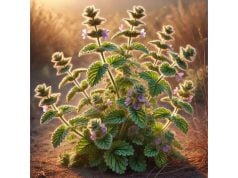
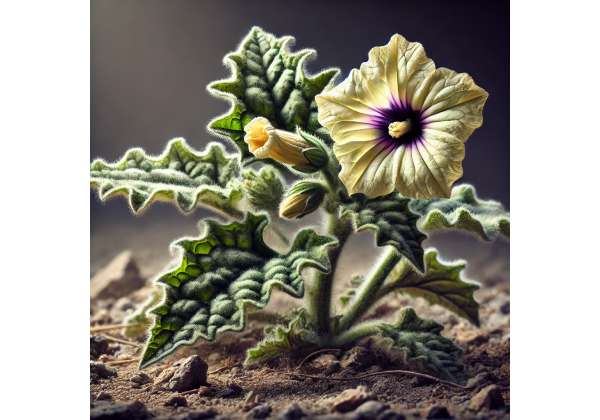
Henbane is a foul-smelling, sticky annual or biennial herb in the Solanaceae family, the same broad plant family that includes potato, tomato, belladonna, and tobacco. It is native across parts of Europe, North Africa, and Asia and has spread widely through disturbed soils, ruins, roadsides, and field margins. Botanically, it is easy to recognize once you know what to look for: soft hairy leaves, thick pale stems, and yellowish flowers marked with deep purple veins that look almost bruised. The seed capsules are also distinctive, and historically they mattered greatly because seeds can be especially dangerous.
What makes henbane important is not its nutrition, flavor, or everyday wellness value. It is important because it is one of the classic anticholinergic poison plants of traditional medicine. For centuries, healers, apothecaries, and folk practitioners used it in small controlled amounts for pain, spasms, cough, insomnia, agitation, and surgical or dental dulling. It was also used externally in oils, plasters, and poultices. But the line between “dose” and “poison” was always thin.
That is the key to understanding henbane. Unlike gentler herbs, it never had a wide safety margin. A plant like mandrake shares a similar cultural story: historically valued, pharmacologically real, but far too risky for casual use. Henbane belongs firmly in that category.
The traditional names around henbane also reveal its long history. In older European sources it appears in magical, surgical, respiratory, and sedative contexts. It was smoked in some asthma mixtures, blended into pain preparations, and discussed in medieval and early modern toxicology. Yet most of those uses faded as medicine moved toward purified alkaloids and more predictable manufactured drugs.
Today, raw henbane is not a kitchen herb, not a wellness tea, and not a safe “natural sedative.” Its relevance now is mainly educational and pharmaceutical. It helps explain where several important anticholinergic drugs came from and why the history of herbal medicine is inseparable from toxicology. If a reader comes to henbane expecting a simple herb profile, they usually leave with a more serious lesson: some plants are powerful precisely because they are dangerous.
Which compounds drive its effects?
Henbane’s effects are driven overwhelmingly by tropane alkaloids. These nitrogen-containing compounds interact with muscarinic acetylcholine receptors and blunt normal parasympathetic signaling. In simple terms, that means they can dry secretions, relax certain smooth muscles, widen pupils, reduce gut motility, increase heart rate, and alter brain function. Those are the same actions that created henbane’s medicinal reputation and its poisoning risk.
The three names readers are most likely to encounter are:
- Hyoscyamine
- Scopolamine, also called hyoscine
- Atropine, which is closely related to hyoscyamine and often discussed alongside it
Hyoscyamine and scopolamine are the major compounds that matter clinically. Scopolamine is usually the better known modern drug name because of its role in motion sickness and perioperative medicine. Hyoscyamine is strongly antispasmodic and anti-secretory. Atropine occupies a special place in medicine as an emergency drug and ophthalmic agent, though commercial atropine is usually obtained through pharmaceutical processing rather than by asking anyone to use henbane itself.
Henbane may also contain smaller amounts of related alkaloids and non-alkaloid compounds, including calystegines and various phenolics. These are chemically interesting, but they are not the main reason henbane behaves the way it does in the body. If you want to understand the plant’s real-world action, tropane alkaloids are the center of the story.
Another important point is variability. Henbane is not chemically stable in the way a finished medicine is stable. Alkaloid levels can vary by:
- Plant part
- Growing conditions
- Stage of maturity
- Region
- Drying and storage
- Genetics within the species
That variability is one reason raw plant dosing is so unsafe. One batch of leaves or seeds may be far stronger than another. Even within the same plant, flowers and seeds can differ sharply from stems or leaves. From a toxicology standpoint, that unpredictability matters more than any romantic idea of traditional preparation.
This is also why modern pharmacology does not rely on someone harvesting the plant and estimating a dose by appearance. Instead, medicine isolates, standardizes, modifies, and measures the relevant alkaloids. Once you understand that, henbane becomes easier to interpret. It is not a “mystical sedative herb.” It is a plant source of potent receptor-active alkaloids whose useful actions and toxic actions are deeply intertwined.
That chemistry gives henbane real medicinal significance, but it also places it in a narrow lane. It is historically important, pharmacologically rich, and clinically relevant through standardized drugs. It is not suitable for improvised home herbalism.
Does henbane have any real benefits?
Yes, but the benefits are real in a very specific sense. Henbane has real pharmacological value, yet that value belongs mainly to controlled medical use of its alkaloids and derivatives, not to raw-plant self-treatment. That distinction is the difference between accurate herbal education and dangerous overselling.
The best-supported benefit is antispasmodic action. Tropane alkaloids can relax smooth muscle and reduce cramping in the gastrointestinal and urinary tracts. Historically, that made henbane important for abdominal pain, colic, and spasm. In modern practice, related standardized agents still fill this role.
A second legitimate effect is anti-secretory action. Anticholinergic compounds reduce saliva, bronchial mucus, and some other secretions. That is one reason these alkaloids became relevant in anesthesia, respiratory care, and surgical settings. Historically, people also interpreted this drying action as relief for certain cough and catarrhal complaints.
A third benefit is sedative and central nervous system suppression, though this is where the margin of safety narrows dangerously. Small, controlled amounts may dull agitation, reduce motion-related nausea, or produce calming effects. Slightly larger amounts can produce confusion, restlessness, hallucinations, and toxic delirium instead. This is why readers looking for a safer calming plant should think first of herbs such as valerian, not henbane.
A fourth pharmacological benefit is mydriatic and cycloplegic action, meaning pupil dilation and temporary paralysis of focusing muscles in the eye. That action helped shape ophthalmic medicine. Again, though, the modern benefit belongs to controlled medicines, not to raw herb use.
Henbane also has a long history of being described as analgesic or anesthesia-adjacent. Some of that reputation is real. Anticholinergic plants were part of older pain and surgical preparations. But modern readers should not confuse historical pain use with a reliable modern pain remedy. Safer and more selective drugs have largely replaced it.
So the honest benefit summary looks like this:
- Henbane is pharmacologically active
- Its alkaloids can reduce spasms and secretions
- Related compounds remain relevant in modern medicine
- Raw plant use is too unpredictable for routine benefit seeking
That may feel less glamorous than old herbal lore, but it is far more useful. Henbane is not “fake medicine.” It truly works. The problem is that it works in ways that are narrow, powerful, and difficult to separate from poisoning. That is why modern medicine kept the chemistry and abandoned the casual herb use.
How is henbane used today?
Today, henbane is used more as a historical and pharmaceutical reference point than as a practical herb. In reputable modern care, the plant itself is rarely recommended for home use. Instead, medicine relies on purified alkaloids or related standardized agents whose dose, route, and adverse-effect profile are known.
The most meaningful modern uses connected to henbane chemistry include:
- Antispasmodic therapy, especially for cramping in the gut or bladder
- Motion sickness management, especially with scopolamine-type products
- Preoperative or procedural care, where anti-secretory and sedating effects may matter
- Ophthalmic dilation, where anticholinergic agents help with examination or treatment
- Selected neurologic or autonomic uses, depending on the specific derivative
What is striking is how different this is from the older herbal model. Traditional practice used leaves, seeds, oils, tinctures, or smoked preparations. Modern care does not trust those forms because the plant’s alkaloid content is too variable and the toxic burden too high.
Historically, henbane appeared in a surprising range of preparations:
- Smoked mixtures for asthma-like symptoms
- Ointments or oils for pain
- Sedative and analgesic mixtures
- Poultices and external applications
- Stronger internal preparations used by highly experienced practitioners
From a present-day standpoint, most of those methods are obsolete or unsafe. Smoking henbane is especially poor practice by modern standards, since inhalation does not solve the problem of unpredictable alkaloid dosing. Strong teas and tinctures are no better. Even “very little” is not a useful guideline with a plant like this.
If someone is interested in the practical use question, the clearest modern answer is simple: do not prepare henbane at home. Do not make tea from it. Do not smoke it. Do not grind the seed. Do not use it as a homemade sleep aid, respiratory herb, or visionary plant.
For readers thinking in terms of therapeutic categories, it can help to compare henbane with safer, better-characterized herbs. Someone seeking digestive spasm support would usually be better served by peppermint. Someone seeking a mild calming effect would usually be better off with far less toxic options. Henbane’s modern “use” is therefore less about direct household application and more about understanding how potent plant chemistry was transformed into professional medicine.
That shift from raw herb to standardized drug is not a loss. It is progress. Henbane taught medicine something valuable, but it is not a plant most people should ever try to use directly.
Henbane dosage and why self-dosing is unsafe
For raw henbane, the correct home-use dose is none. That is the core message of this section.
A user searching for “henbane dosage” often expects a tea measure, tincture drop range, or capsule amount. That is exactly the wrong framework for this plant. Henbane is not a forgiving herb where a rough household dose is acceptable. The active alkaloids vary too widely, the symptoms of overdose can escalate too fast, and the difference between a noticeable effect and a dangerous effect may be smaller than many readers expect.
So the safest dosage guidance is:
- Raw herb for self-treatment: 0 mg
- Seeds for self-treatment: 0 mg
- Homemade tea, tincture, smoking blend, or powder: not appropriate
- Any legitimate medicinal use: only through standardized medical products prescribed or supervised by a clinician
Why is self-dosing so unsafe?
First, henbane’s pharmacology is strong. Its main compounds are not mild bitters or gentle aromatics. They are receptor-active anticholinergics that can alter heart rate, pupil size, sweating, urination, bowel function, and mental state.
Second, plant potency is inconsistent. Different parts of the plant can contain different amounts of alkaloids, and factors like growth stage and drying can change concentration.
Third, symptoms can be delayed just enough to mislead people. Someone may think they “took too little,” use more, and then experience layered toxicity as absorption continues.
Fourth, traditional dose records do not solve the modern safety problem. Older texts often used vague measures, different plant material, or practitioners with experience most readers do not have. Repeating those numbers outside their context is unsafe.
It is reasonable, however, to explain dosage in one narrow modern sense: clinically used henbane-related drugs are measured in microgram to low-milligram amounts, not in kitchen-herb terms. That scale alone tells you something important. When the medically useful range is that small, guessing with raw plant material is not intelligent risk.
A practical reader may ask, “But if the chemistry is useful, why not just be very careful?” The answer is that “very careful” is not a substitute for standardization. Plants like henbane demand measurement, manufacturing, and medical context. The safer lesson is not how to self-dose it. The safer lesson is to recognize when a plant has crossed the boundary from herb craft into toxic pharmacology.
Henbane side effects and who should avoid it
Henbane’s side effects are not incidental. They are part of the same anticholinergic mechanism that creates its medicinal effects. In other words, the plant does not merely “have some adverse effects.” Its therapeutic and toxic actions sit very close together.
Common anticholinergic effects include:
- Dry mouth
- Thirst
- Dilated pupils
- Blurred vision
- Sensitivity to light
- Fast heart rate
- Reduced sweating
- Hot, flushed skin
- Constipation
- Trouble urinating
As exposure increases, the risk shifts from uncomfortable to dangerous. More severe signs can include:
- Agitation
- Confusion
- Hallucinations
- Marked restlessness
- Delirium
- Hyperthermia
- Seizures
- Irregular heartbeat
- Coma
That profile explains why henbane is a poor candidate for self-treatment in nearly every home setting. It also explains why older adults and children are especially vulnerable. Anticholinergic burden can hit these groups harder, and the mental-status changes can be dramatic.
People who should avoid henbane entirely include those with:
- Narrow-angle glaucoma
- Enlarged prostate or urinary retention
- Bowel obstruction or severe constipation
- Fast heart rhythm or unstable cardiovascular disease
- Dementia or high baseline anticholinergic burden
- Psychosis or a history of severe hallucinations
- Pregnancy or breastfeeding
It should also be avoided in children and frail older adults. Even small errors matter more in these populations.
From a herb-safety perspective, henbane belongs in the same “do not improvise” category as plants such as foxglove: historically important, chemically powerful, and capable of serious harm when misused. That does not mean the plants are identical. It means the safety mindset should be similarly strict.
If accidental ingestion happens, especially with seeds or homemade preparations, it should be treated as an urgent poisoning concern rather than a wait-and-see experiment. Severe dryness, visual changes, confusion, agitation, or hallucinations after exposure are red flags. So are hot skin, absent sweating, and urinary difficulty.
Henbane does not reward casual curiosity. In many herb profiles, the safety section feels like a routine formality. Here it is the heart of the article. The safest way to respect henbane is to understand that toxicity is not the exception to its story. Toxicity is central to its story.
What does the evidence actually say?
The evidence on henbane supports three broad conclusions.
First, the plant is unquestionably pharmacologically active. This is not folklore without chemistry behind it. Henbane contains major tropane alkaloids with well-described anticholinergic actions, and those actions have clear relevance to medicine. On the level of mechanism, the evidence is strong.
Second, the historical uses were not invented out of thin air. Claims about antispasmodic, drying, sedating, bronchodilating, and pupil-dilating effects have a real basis in receptor pharmacology. That gives traditional records some credibility. Still, credibility is not the same as endorsement. A historically effective plant can remain too toxic for modern self-care.
Third, modern evidence does not support raw henbane as a routine herbal treatment. The most defensible contemporary uses come from standardized pharmaceutical preparations, related purified compounds, and clinical toxicology knowledge. That is a much narrower claim than saying “henbane is a useful medicinal herb.”
The research also teaches an important secondary lesson: variation matters. Reviews on tropane alkaloids and henbane-related contamination repeatedly show how widely alkaloid content can vary across plants and food contamination events. That is one reason toxic exposures still occur. It is also one reason home herbal dosing is a dead end with this species.
Clinical evidence for raw henbane itself is limited and not of the kind that would justify casual use. Modern case literature is more helpful for recognizing poisoning than for designing treatment protocols from the plant. Even when recovery is possible with good medical care, the symptom pattern can be intense and medically significant.
So where does that leave the reader?
- Strong evidence for mechanism
- Meaningful evidence for historical pharmacological plausibility
- Strong evidence for poisoning risk
- Weak support for raw herb self-use
- Much stronger support for professionally standardized derivatives than for the whole plant
That is, in many ways, the most mature way to read an herb like henbane. You do not need to deny its power. You need to assign that power to the right setting. Henbane helped medicine discover useful chemistry. It also helped medicine learn why some botanicals should move out of the home apothecary and into tightly controlled clinical use. For modern readers, that is the most valuable insight the plant has to offer.
References
- Beauty of the beast: anticholinergic tropane alkaloids in therapeutics 2022 (Review)
- Emerging Issues on Tropane Alkaloid Contamination of Food in Europe 2023 (Review)
- Poisoning by Plants 2022 (Clinical Review)
- Hyoscyamus niger poisoning in Sudan: A case report 2025 (Case Report)
- Enhancing the accumulation of scopolamine and atropine in Hyoscyamus niger L. callus by LED light and glycine-a cheap method 2025 (Research Article)
Disclaimer
This article is for educational purposes only and is not medical advice. Henbane is a poisonous plant with potent anticholinergic alkaloids and should not be used for self-treatment. Do not ingest, smoke, brew, or apply homemade henbane preparations. If exposure or ingestion occurs and symptoms such as dry mouth, blurred vision, confusion, agitation, hallucinations, or rapid heartbeat appear, seek urgent medical care or contact a poison center immediately.
If you found this article useful, please share it on Facebook, X, or your preferred platform.