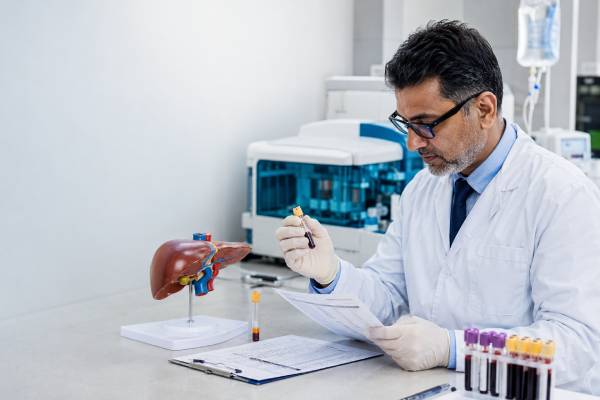
A high albumin blood test usually means the blood sample was more concentrated than usual, most often from dehydration or fluid loss. Albumin is the main protein in blood plasma, and the liver makes it every day. It helps keep fluid inside blood vessels and carries substances such as hormones, vitamins, fatty acids, bilirubin, calcium, and some medicines. Unlike low albumin, which can point toward liver disease, kidney protein loss, inflammation, poor nutrition, or serious illness, high albumin is rarely a sign that the liver is making too much protein.
The result still deserves context. A mildly high value after fasting, sweating, vomiting, diarrhea, or poor fluid intake may return to normal when hydration improves. A result that stays high, rises along with total protein, or comes with symptoms such as confusion, fainting, very dark urine, rapid heartbeat, or severe diarrhea needs medical follow-up.
- High albumin most often reflects dehydration, hemoconcentration, or recent fluid loss rather than excess albumin production.
- A common adult albumin reference range is about 3.5–5.5 g/dL, but each lab sets its own range.
- Albumin is often measured by itself, in a liver panel, or as part of a comprehensive metabolic panel.
- Mild high albumin without symptoms is often rechecked with hydration and related labs before any diagnosis is made.
- Urgent care matters if high albumin appears with severe dehydration symptoms, fainting, confusion, no urination, rapid breathing, or ongoing vomiting or diarrhea.
Table of Contents
- What a High Albumin Result Means
- Normal Range and How the Test Is Reported
- Why Dehydration Raises Albumin
- Causes and Patterns to Check
- Symptoms and When to Seek Care
- What to Do After a High Result
- How Albumin Fits With Liver, Kidney, and Protein Tests
- Common Mistakes When Reading High Albumin
What a High Albumin Result Means
A high albumin result means the measured concentration of albumin in the blood is above the lab’s reference range. In practical terms, this usually means there is less water in the bloodstream relative to the amount of albumin present. The albumin itself is often normal in total amount, but the blood is more concentrated.
This is why dehydration is the main explanation doctors think about first. Albumin sits mostly in the bloodstream and surrounding fluid spaces. When the body loses water through diarrhea, vomiting, fever, heavy sweating, excess urination, or low fluid intake, the plasma portion of blood can shrink. The same amount of albumin is then measured in a smaller fluid volume, so the concentration looks high.
True overproduction of albumin is uncommon. The liver does make albumin, but it does not usually respond to everyday diet, exercise, or stress by producing enough extra albumin to push the blood level far above the reference range. A high value is more often a fluid-balance clue than a primary liver-production problem.
Albumin also has a long life in the bloodstream compared with many other lab markers. Because of that, it does not usually swing dramatically hour by hour from one meal or one glass of water. A small change can happen with hydration status, blood draw conditions, or lab variation, but a repeated high value should be interpreted with the whole chemistry panel, symptoms, and medical history.
A high albumin result is different from a high urine albumin result. Blood albumin measures the albumin circulating in the bloodstream. Urine albumin measures albumin leaking into urine, which is a kidney marker. Someone can have a normal or high blood albumin and still need a urine albumin test if kidney disease, diabetes, high blood pressure, or foamy urine is a concern.
Normal Range and How the Test Is Reported
Albumin is usually reported in grams per deciliter, written as g/dL, or grams per liter, written as g/L. In many adult labs, the reference range is roughly 3.5–5.5 g/dL, which is the same as 35–55 g/L. Some labs use a narrower upper limit, such as 5.0 g/dL, depending on the analyzer, population, and method used.
Reference ranges are not universal. The range printed next to your result is the range your clinician should use first. A result of 5.2 g/dL may be normal in one lab and flagged high in another. A result just above the cutoff is usually handled differently from a result that is clearly and repeatedly elevated.
| Albumin pattern | General meaning | Common next step |
|---|---|---|
| Within the lab range | Albumin concentration is typical for that lab and sample type. | Interpret with the rest of the panel if symptoms or other abnormal tests are present. |
| Slightly above range | Often reflects mild dehydration, fasting, recent sweating, or normal variation. | Review fluid losses and consider repeat testing if clinically needed. |
| Clearly above range | More suggestive of hemoconcentration or significant fluid loss. | Check hydration status, electrolytes, kidney markers, total protein, and symptoms. |
| Repeatedly high | Needs a broader look at fluid balance, medications, lab method, and related protein results. | Discuss repeat testing and possible additional evaluation with a clinician. |
Albumin may be ordered as a standalone test, but it is often part of a larger panel. A comprehensive metabolic panel includes albumin along with electrolytes, glucose, calcium, kidney markers, bilirubin, liver enzymes, and total protein. This makes the surrounding pattern easier to read.
For example, high albumin with high sodium, high blood urea nitrogen, or concentrated urine may fit dehydration. High albumin with normal electrolytes and no symptoms may be less concerning, especially if the result is only slightly above range. High albumin with high total protein may suggest a more concentrated blood sample, but if globulins are also high, the explanation may involve inflammation or abnormal antibody proteins rather than albumin alone.
It is also useful to compare albumin with prior results. A person whose albumin is usually 4.6 g/dL and now measures 5.1 g/dL after a stomach illness may simply have a temporary shift. A person whose albumin repeatedly rises above the lab range without an obvious reason should ask how the result fits with the full chemistry panel, medications, and hydration status.
For a deeper look at baseline values, a separate albumin normal range guide can help explain why reference intervals vary and why a single number rarely tells the whole story.
Why Dehydration Raises Albumin
Dehydration raises albumin by concentrating the blood. Albumin is dissolved in plasma, the liquid part of blood. When the body loses more water than it takes in, plasma volume can fall. The albumin is then measured in less fluid, so the concentration rises.
This is called hemoconcentration. It can affect other blood tests too. Total protein, calcium, blood urea nitrogen, sodium, hemoglobin, and hematocrit may also look higher when the blood is concentrated. The exact pattern depends on the amount of fluid lost, whether electrolytes were lost too, kidney function, and how long the problem has been going on.
Common dehydration situations include:
- Several hours or days of poor fluid intake
- Vomiting or diarrhea
- Fever with sweating
- Heavy exercise, sauna use, or outdoor work in heat
- Diuretic medicines that increase urination
- Poor thirst response in older adults
- High blood sugar causing extra urination
- Illness that makes it hard to drink enough fluid
Mild dehydration can be easy to miss. A person may only feel thirsty, tired, lightheaded, or notice darker urine. In that setting, albumin may be only mildly elevated. More serious dehydration may cause rapid heartbeat, low blood pressure, confusion, fainting, little or no urination, or worsening weakness.
The albumin result alone cannot measure dehydration severity. It is a clue, not a fluid-balance diagnosis. A clinician usually considers vital signs, urine output, sodium, potassium, bicarbonate, creatinine, blood urea nitrogen, and the story behind the blood draw. Someone with high albumin after a hot-weather race is different from someone with high albumin, confusion, and no urination after days of vomiting.
Rehydration can bring albumin back toward the person’s usual level when dehydration is the cause. That does not mean forcing large amounts of plain water is always safe. People with heart failure, kidney disease, advanced liver disease, low sodium, or fluid restrictions should follow medical guidance on fluids. People with severe symptoms may need oral rehydration solution or intravenous fluids rather than plain water alone.
Causes and Patterns to Check
Dehydration is the leading cause of high albumin, but the reason for dehydration may vary. The cause matters because the same albumin result can have different meanings in different settings.
Fluid loss from the gut
Vomiting and diarrhea are common reasons albumin rises temporarily. The body loses water and electrolytes, and the blood can become more concentrated. Severe diarrhea can cause dehydration quickly, especially in children, older adults, and people who cannot keep fluids down.
When albumin is high after a stomach illness, related results may show electrolyte changes, a higher blood urea nitrogen, or signs of kidney strain from low fluid volume. The priority is usually replacing fluid and electrolytes and watching for warning symptoms.
Heat, sweating, and exercise
Heavy sweating can concentrate the blood, especially when fluid and salt replacement do not match losses. This can happen during endurance exercise, outdoor labor, fever, or heat exposure. Albumin may be mildly high, and other results may shift as well.
Exercise can also affect other markers, including liver enzymes that are also found in muscle. If albumin is high after intense exercise and AST or ALT is also abnormal, timing matters. A clinician may compare liver enzymes, muscle symptoms, and possibly creatine kinase to avoid assuming that every abnormal enzyme came from the liver.
Medicines and hormones
Some medicines may affect albumin levels or fluid balance. Diuretics can contribute to dehydration by increasing urination. Steroids, insulin, and hormone therapies have been reported to affect albumin results in some settings. The effect is usually interpreted with the dose, reason for treatment, hydration status, and other lab values.
Never stop a prescribed medicine just because albumin is high. Bring the medication list to the clinician who ordered the test, including over-the-counter products, supplements, and recent changes.
High protein intake
A high-protein diet is sometimes listed as a possible contributor to high albumin, but it is not usually the main explanation for a clearly high blood albumin result. The liver regulates albumin production, and albumin does not simply rise in direct proportion to a protein-heavy meal.
Diet history can still matter. A person eating very high protein while also using creatine, exercising heavily, sweating, or drinking too little may have a lab pattern shaped more by hydration and kidney workload than albumin production itself.
Lab and sample factors
Small differences can come from lab method, sample handling, posture, tourniquet time, or normal biological variation. A single mild elevation is often repeated before a broad workup is started, especially if the person feels well and other tests are normal.
If total protein is also high, it helps to separate albumin from globulins. A high total protein result can come from dehydration, but it can also reflect increased globulins from inflammation, infection, autoimmune disease, or monoclonal proteins. The albumin/globulin pattern can narrow the possibilities.
Symptoms and When to Seek Care
High albumin itself usually does not cause symptoms. Symptoms come from the reason albumin is high, most often dehydration or fluid loss. This is why a person can have a mildly high albumin result and feel completely normal, while another person with the same result may be quite ill.
Possible dehydration symptoms include thirst, dry mouth, tiredness, dizziness, headache, muscle cramps, dark urine, and urinating less than usual. These symptoms are more important when they appear after vomiting, diarrhea, fever, heat exposure, heavy sweating, or poor fluid intake.
Seek urgent medical help if dehydration symptoms include:
- Confusion, unusual sleepiness, or a major change in alertness
- Fainting, near-fainting, or inability to stand safely
- No urination or very little urination
- Rapid heartbeat, rapid breathing, or signs of shock
- Severe weakness or inability to keep fluids down
- Bloody diarrhea, severe abdominal pain, or ongoing vomiting
- Heat illness symptoms after exertion or hot-weather exposure
Children, older adults, pregnant people, and people with kidney disease, heart disease, diabetes, or immune suppression can worsen faster from fluid loss. They may need medical advice earlier, even when symptoms seem moderate.
Call the clinician who ordered the test if albumin is high and you also have unexplained weight loss, persistent fever, night sweats, swelling, jaundice, foamy urine, ongoing diarrhea, or abnormal liver or kidney results. Those features do not mean high albumin is causing the problem, but they make the full pattern more important.
If albumin is high but you feel well, the usual next step is not panic. It is to look at the reference range, the degree of elevation, recent fluid losses, related test results, and whether the result persists.
What to Do After a High Result
A high albumin result should be handled in proportion to the situation. A borderline result after fasting or mild dehydration is usually approached differently from a high result during acute illness.
Start by checking the actual number and the lab range. “High” may mean barely above the cutoff. Write down the albumin value, the units, and whether total protein, globulin, electrolytes, creatinine, blood urea nitrogen, calcium, AST, ALT, ALP, GGT, and bilirubin were also checked.
Then review the few days before the blood draw. Useful details include:
- Vomiting, diarrhea, fever, or poor appetite
- Heavy sweating, exercise, sauna use, or heat exposure
- Alcohol use, which can contribute to fluid loss and affect liver markers
- Diuretic use or changes in blood pressure medicines
- High blood sugar symptoms, such as unusual thirst or frequent urination
- Fasting duration before the test
- Any recent intravenous fluids, hospitalization, or acute illness
For mild elevations without warning symptoms, a clinician may recommend repeating the test when you are well hydrated and recovered from any temporary illness. This repeat test is often more informative than trying to explain one isolated number.
If dehydration is likely, rehydration should match the situation. Mild fluid loss may improve with regular fluids and meals. Vomiting or diarrhea may require oral rehydration solution because electrolytes are lost along with water. Severe dehydration, heat illness, confusion, fainting, or inability to keep fluids down needs medical care.
Do not try to lower albumin with a low-protein diet unless a clinician has specifically recommended dietary changes for another reason. Albumin is not like glucose or triglycerides, where diet can cause more direct short-term swings. Cutting protein unnecessarily can be harmful, especially for older adults, people recovering from illness, and people with wounds or muscle loss.
If the result remains high on repeat testing, ask whether the broader protein pattern should be reviewed. This may include total protein, globulin, the albumin/globulin ratio, urinalysis, urine albumin-to-creatinine ratio, kidney function tests, liver panel, or serum protein electrophoresis if globulins or total protein are abnormal. The right follow-up depends on the full lab pattern, not albumin alone.
How Albumin Fits With Liver, Kidney, and Protein Tests
Albumin is often discussed with liver tests because the liver makes it. However, high albumin is not a typical sign of liver damage. Liver disease is more often associated with normal albumin in early stages and low albumin in advanced or chronic disease, especially when synthetic function is impaired.
Albumin is also slower to change than enzymes such as ALT and AST. Liver enzymes can rise quickly when liver cells are irritated or injured. Albumin tends to reflect longer-term production, inflammation, losses, dilution, and fluid balance. A liver function test panel is easier to interpret when albumin is viewed with bilirubin, ALP, ALT, AST, GGT, total protein, and sometimes INR.
Albumin and INR together can be useful when doctors are assessing liver synthetic function. Albumin reflects protein production over time, while INR reflects clotting factor activity that can change more quickly. An albumin and INR pattern may provide more meaningful liver-function context than albumin by itself.
Kidney disease usually enters the albumin discussion in a different way. Damaged kidneys can leak albumin into urine. That can eventually contribute to low blood albumin if protein loss is heavy, as in nephrotic syndrome. A high blood albumin does not rule out early kidney disease, because urine albumin can be abnormal before blood albumin falls.
Total protein and globulin add another layer. Total protein includes albumin plus globulins. Globulins include many immune proteins. If albumin is high and globulin is normal, dehydration becomes more likely. If total protein is high because globulin is high, the focus may shift toward inflammation, infection, immune activity, liver disease patterns, or abnormal antibody production.
The albumin/globulin ratio can help summarize that relationship. A high ratio may reflect relatively high albumin, low globulin, or both. A high albumin/globulin ratio is not the same thing as high albumin alone, so it should be interpreted by looking at the two separate numbers.
Low albumin belongs to a different set of questions. A low albumin result may suggest inflammation, protein loss through kidneys or the gut, advanced liver disease, malnutrition, burns, critical illness, or fluid overload. That contrast is helpful: high albumin usually points toward concentration of the blood, while low albumin often points toward production, loss, inflammation, dilution, or severe illness.
Common Mistakes When Reading High Albumin
One common mistake is assuming high albumin means the liver is “too strong” or making too much protein. The liver makes albumin, but high blood albumin is usually a concentration issue. It more often reflects reduced plasma water than excessive liver production.
Another mistake is treating a mild high value as a diagnosis. Albumin alone cannot diagnose dehydration, kidney disease, liver disease, inflammation, or a nutrition problem. It is one piece of a larger pattern. The same number can mean different things depending on recent illness, fluid intake, medicines, and the rest of the panel.
People also sometimes confuse blood albumin with urine albumin. Blood albumin is part of serum or plasma testing. Urine albumin is a kidney-leakage marker. A high blood albumin result does not replace urine testing when diabetes, high blood pressure, chronic kidney disease, or foamy urine is being evaluated.
Another mistake is ignoring the degree of elevation. A result of 5.6 g/dL in a lab with an upper limit of 5.5 g/dL is not the same as a much higher value with abnormal sodium, creatinine, and symptoms. Borderline results are often repeated. Markedly abnormal results need faster clinical interpretation.
It is also easy to overcorrect with water. Drinking reasonable fluids is appropriate for many mild dehydration situations, but aggressive water intake can be risky for some people and can lower sodium if taken to extremes. Oral rehydration solutions may be more appropriate when diarrhea, vomiting, or heavy sweating caused electrolyte loss. People on fluid restriction need individualized advice.
Finally, do not overlook the surrounding protein pattern. If total protein is high, look at albumin and globulin separately. If total protein is low, the concern may shift toward low albumin, low globulins, malnutrition, kidney loss, gut loss, or dilution. A low total protein result has a different meaning from high albumin and should not be interpreted the same way.
High albumin is usually one of the more straightforward abnormal chemistry results when the story fits dehydration. It becomes more important when it is repeated, clearly elevated, paired with other abnormal results, or accompanied by symptoms that suggest significant fluid loss or another medical problem.
References
- Albumin Blood Test: MedlinePlus Medical Test 2024 (Official Page)
- Albumin Blood Test: What It Is, Procedure & Results 2024 (Clinical Review)
- Physiology, Albumin 2026 (Review)
- Comprehensive Metabolic Panel (CMP): MedlinePlus Medical Test 2024 (Official Page)
- Dehydration: MedlinePlus Medical Encyclopedia 2025 (Official Page)
- Hypoalbuminemia 2023 (Review)
Disclaimer
A high albumin result should be interpreted by a qualified healthcare professional using your symptoms, medical history, medications, and the rest of your lab results. Seek urgent care if you have signs of severe dehydration, confusion, fainting, no urination, rapid breathing, or worsening illness. This article is educational and does not replace medical diagnosis or treatment.