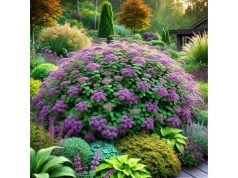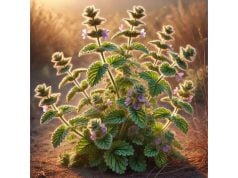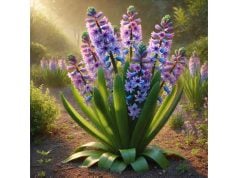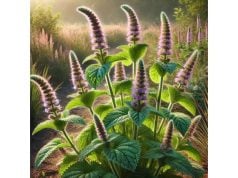
Himalayan gentian, or Gentiana kurroo, is a bitter alpine herb from the northwestern Himalayas that has long been valued in traditional medicine for digestive complaints, appetite support, inflammatory conditions, and general tonic use. What makes it stand out is its strong bitter profile: like other gentian-type herbs, it appears to work less as a “superfood” and more as a targeted botanical that may influence taste receptors, digestive secretions, and inflammatory signaling. That said, this is also a plant that deserves caution. Much of the enthusiasm around Himalayan gentian comes from traditional use and early laboratory or animal research, not from large human trials. It is also a threatened species, which makes sourcing and sustainability part of any responsible conversation about use. In practical terms, Himalayan gentian is best understood as a promising but still lightly studied bitter herb whose most credible role is short-term digestive support, while broader claims around liver, immune, or pain benefits remain preliminary.
Essential Insights
- May help stimulate appetite and support digestion when used as a bitter before meals.
- Shows early anti-inflammatory and liver-protective signals in laboratory and animal research, but human evidence is still limited.
- A cautious gentian-type reference range is 0.6 to 2 g per dose as an infusion, up to 1 to 3 times daily.
- Avoid unsupervised use during pregnancy, breastfeeding, and in people under 18.
- Choose sustainably sourced material, because wild Himalayan gentian is a threatened plant.
Table of Contents
- What is Himalayan gentian
- Key ingredients and how they work
- Does Gentiana kurroo help
- How to use Himalayan gentian
- How much per day
- Safety, interactions, and who should avoid it
- What the research really says
What is Himalayan gentian
Gentiana kurroo is a perennial herb in the Gentianaceae family, a group known for intensely bitter plants used in traditional digestive remedies. It is native to parts of the western Himalayas and is often discussed under names such as Himalayan gentian or Indian gentian. In traditional systems, the root and rhizome have been the most valued parts, although some regional uses also mention aerial portions. The plant’s bitter taste is not just a sensory detail. In herbal medicine, bitterness often signals a class of compounds associated with appetite stimulation and digestive activity.
One of the most important things to know about this herb is that it sits at the intersection of traditional value and ecological pressure. Because the root is the part most often collected, wild harvesting can be especially damaging. That matters for two reasons. First, ethical sourcing becomes part of safe use. Second, poor-quality or adulterated products are more likely when demand rises for a plant that is not widely cultivated at scale.
In practical herbal use, Himalayan gentian is best grouped with “bitter tonics.” These are herbs commonly taken in small amounts before meals to prime digestion. People usually turn to them when they feel sluggish appetite, post-meal heaviness, or a sense that rich meals sit poorly. This helps explain why Himalayan gentian is often mentioned for indigestion more often than for everyday wellness use.
It is also worth separating traditional reputation from proven medical effect. A long list of folk uses has been recorded for Gentiana kurroo, including inflammatory, hepatic, skin, and respiratory complaints. But traditional use does not automatically mean clinically proven benefit. A fair reading is that this herb has a plausible pharmacologic profile, especially as a bitter digestive plant, while the broader medicinal claims still need better human evidence.
For readers comparing it with other bitter herbs, the closest practical frame may be a gentian-style digestive botanical rather than a general anti-inflammatory supplement. That makes it more comparable in function to herbs discussed for bitter digestive support, such as artichoke leaf, than to everyday culinary herbs. The smartest first question is not “What can it cure?” but “What is its most realistic role?” For most people, that role is short-term digestive support with careful sourcing and modest expectations.
Key ingredients and how they work
The phrase “key ingredients” in an herb article usually means the plant compounds most likely to explain its effects. In Himalayan gentian, the most relevant reported compound families are bitter iridoid or secoiridoid constituents, xanthones, flavonoids, and related phenolic compounds. Across Gentiana species, gentiopicroside and swertiamarin are among the best-known bitter markers, and species-specific work on G. kurroo has also identified gentiopicroside directly.
These compounds matter because bitter herbs often act through more than one pathway at once. Their first effect may begin in the mouth. Bitter taste receptors can trigger a reflex response that increases salivary and gastric secretions. That is one reason bitter herbs are traditionally taken before meals rather than after symptoms are already severe. In other words, they are often used as a “digestive primer,” not as a rescue remedy.
A second layer of action is chemical rather than sensory. Iridoids and related bitter constituents are being studied for antioxidant and anti-inflammatory effects. Xanthones and flavonoids may also contribute to free-radical scavenging and changes in cell signaling related to inflammation and tissue stress. This does not mean the herb works like a drug in people with diagnosed inflammatory disease, but it helps explain why laboratory studies keep finding interesting activity.
The likely contribution of different compound groups can be thought of like this:
- Bitter glycosides: linked to appetite, digestive priming, and secretion-related effects.
- Xanthones: often discussed for antioxidant and signaling effects.
- Flavonoids and phenolics: may support broader antioxidant activity.
- Mangiferin and related compounds: of interest for inflammation and metabolic stress in preclinical work.
What is especially important is synergy. Herbal actions rarely come from a single isolated molecule alone. A traditional infusion, tincture, or root extract presents the body with a pattern of compounds rather than one purified agent. That may be part of the reason why whole-root gentian preparations have a different feel than a single extracted constituent.
Still, form changes function. A standardized extract may concentrate certain bitter or phenolic compounds, while a mild tea may offer gentler digestive signaling with lower intensity. That is why readers should not assume that “gentian is gentian.” Species, plant part, extraction method, and dose all shape the outcome.
If you already know herbs like dandelion root, the easiest way to understand Himalayan gentian is to picture a more concentrated bitter profile rather than a mild everyday tonic. It is usually a smaller-dose herb with a stronger sensory signal, and that strong bitterness is part of the mechanism, not a flaw.
Does Gentiana kurroo help
The most honest answer is yes, potentially, but mainly in narrow and realistic ways. The strongest traditional and mechanistic case for Himalayan gentian is digestive support. That includes temporary loss of appetite, meal-related heaviness, and mild dyspeptic symptoms. This is where the herb’s bitterness, timing, and dose make the most sense.
For appetite, the herb may be useful when the problem is functional rather than disease-driven. Someone recovering from stress, irregular meals, or low digestive readiness may respond better than someone with unexplained weight loss, persistent nausea, or a serious medical condition. Bitter herbs are not substitutes for diagnosis when red flags are present.
For digestion, the likely benefit is not dramatic symptom suppression. It is more subtle: meals may feel easier to start, rich foods may feel less heavy, and the “stuck” sensation after eating may be reduced. These are practical outcomes people can notice over days or weeks.
Beyond digestion, the herb has attracted interest in several preclinical areas:
- Anti-inflammatory activity.
- Immunomodulatory effects.
- Antioxidant effects.
- Hepatoprotective, or liver-protective, signals in animal models.
- Cytotoxic effects in laboratory cancer-cell work.
This is where many herb articles become too confident. A rat study suggesting reduced liver injury does not prove that Himalayan gentian treats liver disease in humans. A cell study showing cytotoxicity does not mean the herb is an evidence-based cancer therapy. These findings are useful because they justify further study, but they are not enough to support strong clinical claims.
A balanced takeaway is that Himalayan gentian appears promising for three overlapping reasons: it is a traditional bitter digestive herb, it contains biologically active bitter and phenolic compounds, and early studies repeatedly show anti-inflammatory and tissue-protective signals. But only the digestive role can currently be discussed with moderate practical confidence. Everything else belongs in the category of “interesting but not yet established.”
For readers thinking about symptom matching, it may fit best when the goal is appetite and digestive tone. If the goal is cramping, gas, or bowel urgency, a gentler herb such as peppermint may feel more directly soothing, while gentian-type herbs are more about stimulation and priming. That distinction matters: Himalayan gentian is not calming in the way many people expect digestive herbs to be. It is activating, bitter, and best used with intent.
How to use Himalayan gentian
How you use Himalayan gentian should depend on your goal, your tolerance for bitterness, and the quality of the product. In traditional practice, bitter herbs are often taken before meals, not randomly during the day. Timing matters because the herb is being used to influence digestive readiness.
The most common forms are likely to be:
- Dried root or rhizome for infusion or decoction-style use.
- Liquid tinctures.
- Encapsulated powders.
- Standardized extracts.
For a tea or infusion, people usually use a small amount because the taste is intense. The goal is not to make a pleasant beverage. It is to expose the palate and upper digestive tract to the herb’s bitter compounds. A tea may suit people who want a gentle, low-cost trial and who do not mind bitterness.
Tinctures are practical when someone wants a very small dose before meals. They also allow easier dose adjustment. A few drops may be enough for some users, especially if they are sensitive to bitters. Capsules can work, but they may not fully mimic the early oral taste response that makes bitter herbs distinctive. Even so, official gentian monographs do recognize solid dosage forms, so capsules are still a legitimate option.
A practical way to use the herb is this:
- Start with the lowest sensible amount.
- Take it 15 to 30 minutes before your main meal.
- Use one form consistently for 7 to 14 days.
- Track appetite, post-meal heaviness, bloating, and tolerance.
- Stop if symptoms worsen.
This kind of structured trial is better than mixing several new herbs at once. It helps you tell whether the herb is helping, irritating, or doing nothing.
Because Gentiana kurroo is a threatened species, sourcing deserves unusual attention. Look for products that clearly state species, plant part, extract ratio if applicable, and cultivated or legally sourced origin. Be skeptical of vague labels that simply say “gentian.” In many cases, a well-standardized gentian root product from a better-studied species may be more practical than a poorly documented G. kurroo product.
Some people combine bitters with carminative herbs to cover both stimulation and comfort. For example, ginger is often used for nausea and upper-digestive motility, so a person with mixed symptoms may find that pairing gentian-type bitters with a gentler digestive herb works better than relying on bitterness alone. The core rule, though, is simple: use Himalayan gentian as a targeted pre-meal herb, not as a casual daily tonic with no clear purpose.
How much per day
This is the section where caution matters most. There is no well-established, human, species-specific dose for Gentiana kurroo based on modern clinical trials. So when dosage is discussed, the safest approach is to say that most practical guidance is borrowed from recognized gentian root monographs, especially for Gentiana lutea, not proven directly for Himalayan gentian.
Using that gentian-type reference point, adult dosing in official European guidance includes:
- 0.6 to 2 g of comminuted herbal substance in about 150 mL of boiling water, 1 to 3 times daily.
- Daily total of 0.6 to 6 g of the herbal substance.
- Dry extract around 240 mg per dose, 2 to 3 times daily.
- Daily dry extract total of 480 to 720 mg.
- Tincture around 1 mL, 1 to 3 times daily.
Timing is also specific. For appetite support, liquid preparations are commonly taken about 30 minutes before meals, while solid forms may be taken about 1 hour before meals. That timing reflects how bitter herbs are intended to work: they are used before digestion starts, not simply after discomfort appears.
For Himalayan gentian specifically, a conservative strategy makes sense:
- Start at the low end of the gentian-type range.
- Use only one preparation at a time.
- Reassess after 1 to 2 weeks.
- Do not keep escalating the dose because “more bitter” is not automatically better.
Short-term use is the most rational approach for mild digestive complaints. If symptoms persist beyond about two weeks, worsen, or return repeatedly, the herb should stop being the main plan. Recurrent indigestion can reflect reflux disease, ulcers, gallbladder problems, medication side effects, or other issues that deserve evaluation.
Body size, meal size, extract strength, and sensitivity to bitterness all change the ideal dose. A smaller person with strong bitter sensitivity may respond to very modest amounts. Someone using a concentrated extract needs to follow product-specific labeling rather than copying tea doses.
If you are familiar with bitter herbs such as artichoke leaf, the same dosing logic applies here: use the least amount that produces a clear digestive effect, and do not assume chronic daily use is necessary. With Himalayan gentian, lower and better-timed is usually smarter than stronger and longer.
Safety, interactions, and who should avoid it
Himalayan gentian is not a high-volume everyday herb, and that alone should make readers think carefully about safety. The main safety issue is not that the herb is known to be highly toxic. It is that human data are limited, species-specific standardization is weak, and strong bitterness can be irritating or poorly tolerated in the wrong person.
The clearest cautious groups are:
- Pregnant or breastfeeding people.
- Children and adolescents under 18.
- Anyone with known hypersensitivity to gentian preparations.
- Anyone using an alcohol-containing tincture who needs to avoid ethanol.
These cautions are grounded in gentian monograph data, where pregnancy and lactation use is not recommended due to insufficient safety evidence, and use in minors is not established.
There are also practical groups who may want clinician guidance before trying it:
- People with active reflux, gastritis, or ulcer-like pain.
- People whose stomach feels worse with bitter foods or alcohol.
- People with unexplained nausea, vomiting, or upper abdominal pain.
- People with known gallbladder disease or post-meal right upper abdominal pain.
- People taking several drugs metabolized through the liver, especially if they plan to use concentrated extracts.
Why these cautions? Bitter gentian preparations can stimulate gastric and salivary secretion. That may be helpful when digestion feels sluggish, but it can backfire in someone whose problem is already excess irritation. So while not every source lists reflux or gastritis as a formal contraindication, it is a sensible safety-first inference.
Known interaction data for gentian root are sparse, and official European guidance reports no established interactions. That is reassuring but not the same as proof of no interactions. Limited reporting often means limited study. The wisest assumption is that concentrated herbal extracts deserve extra caution when combined with prescription medicines, especially in people with complex health conditions.
Side effects are usually discussed as uncommon or insufficiently documented in formal monographs, but in real-world use the most plausible issues are:
- nausea from excessive bitterness
- stomach irritation
- loss of comfort in people with acid-sensitive digestion
- dislike of taste leading to overuse of capsules instead of mindful dosing
If you are comparing liver-oriented herbal strategies, milk thistle is often considered for a different reason and with a different evidence profile. Himalayan gentian should not be used as a substitute for medical management of liver disease, inflammatory disease, or autoimmune conditions. Its safest role remains modest, short-term, and symptom-targeted.
What the research really says
The research picture for Himalayan gentian is promising but thin. That is the most important conclusion to keep in mind.
What we have is a three-layer evidence base. First, there is traditional use, which strongly supports the idea of gentian-type bitters for appetite and digestion. Second, there is genus-level research showing that Gentiana species contain biologically active bitter and phenolic compounds with anti-inflammatory, antioxidant, digestive, and hepatoprotective potential. Third, there are species-specific G. kurroo studies, mostly laboratory and animal work, showing anti-inflammatory, immunomodulatory, antioxidant, and liver-protective signals.
What we do not have is equally important:
- large human clinical trials in Gentiana kurroo
- well-standardized long-term safety studies
- clear species-specific dosing trials
- strong evidence for disease treatment in humans
This means the herb should not be marketed with certainty for arthritis, liver disease, autoimmune disease, cancer, asthma, or major metabolic conditions. Those claims go beyond the evidence. A careful writer can say the herb has mechanistic and preclinical support. A trustworthy writer should stop there.
A useful way to rank the evidence is:
- Most credible use: short-term digestive bitter support.
- Moderately plausible but still unproven: appetite stimulation and functional dyspepsia support.
- Early-stage and not clinically established: anti-inflammatory, immune, liver, and anticancer uses.
Another underappreciated point is that research on Himalayan gentian is partly limited by the plant’s ecological status. Threatened species are harder to study at scale, harder to standardize, and more vulnerable to uneven raw material quality. So even if the chemistry is promising, product consistency can still be a major barrier.
For most readers, the practical conclusion is simple. Treat Himalayan gentian as a niche bitter herb with interesting science and a narrow, sensible use case. If your main goal is digestive readiness before meals, it may be worth a cautious trial. If your goal is treating a diagnosed inflammatory or liver condition, the evidence is not strong enough to rely on it. That gap between potential and proof is exactly what the current literature shows.
References
- European Union herbal monograph on Gentiana lutea L., radix 2018 (Guideline)
- A comprehensive and systemic review of the Gentiana: Ethnobotany, traditional applications, phytochemistry, pharmacology, and toxicology in the Mongolian Plateau 2025 (Systematic Review)
- Genus Gentiana: A review on phytochemistry, pharmacology and molecular mechanism 2021 (Review)
- Hydroethanolic extract of Gentiana kurroo Royle rhizome ameliorates ethanol-induced liver injury by reducing oxidative stress, inflammation and fibrogenesis in rats 2024 (Preclinical Study)
- Scientific Validation of Gentiana kurroo Royle for Anti-Inflammatory and Immunomodulatory Potential 2014 (Preclinical Study)
Disclaimer
This article is for educational purposes only and is not medical advice. Himalayan gentian is a medicinal herb with limited human research, and it should not replace diagnosis, prescribed treatment, or individualized guidance from a qualified clinician. Seek professional care for persistent digestive symptoms, significant weight loss, severe abdominal pain, jaundice, vomiting, pregnancy-related concerns, or any chronic inflammatory or liver condition. Use extra caution with concentrated extracts, mixed herbal formulas, and products with unclear sourcing or species identification.
If you found this article useful, please consider sharing it on Facebook, X, or your preferred platform to help more readers find balanced, evidence-aware herbal information.