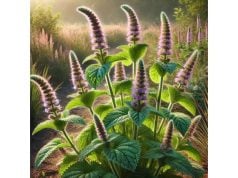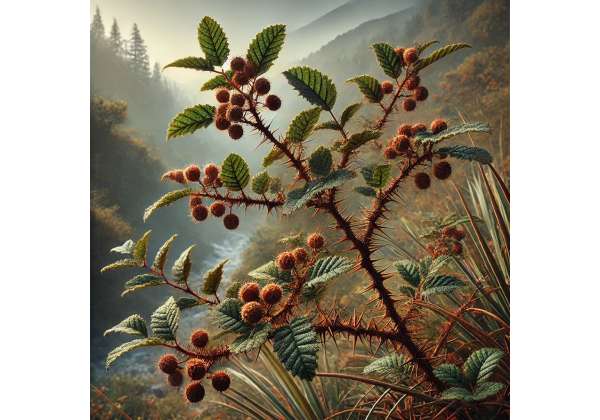
Himalayan Zanthoxylum, Zanthoxylum alatum, is a prickly aromatic shrub or small tree native to the Himalayan region and valued both as a spice and as a traditional medicinal plant. In Nepal and northern India it is often known as timur or toothache tree, names that hint at two of its best-known uses: digestive support and temporary relief of oral discomfort. The fruits, seeds, bark, leaves, and twigs all have a place in local practice, but the dried fruits and their fragrant outer husk are the parts most people encounter first.
What makes this plant distinctive is its combination of sharp citrus-like aroma, warming pungency, and mild numbing quality. That sensory profile comes from a rich mix of essential-oil compounds, pungent alkamides, lignans, and phenolic antioxidants. Traditional medicine uses Himalayan Zanthoxylum for toothache, gum problems, sluggish digestion, gas, mild infections, skin complaints, and cold-weather discomfort. Modern research supports several of these directions, especially antimicrobial, antioxidant, anti-inflammatory, and pain-related activity, though strong human clinical evidence is still limited.
Key Insights
- Himalayan Zanthoxylum is best known for digestive support and short-term relief of toothache or gum discomfort.
- Its fruits and leaves contain aromatic oils, lignans, and pungent compounds linked with antioxidant and antimicrobial activity.
- An 80 mg daily standardized extract has been studied in adults, while traditional household use is usually much smaller and short term.
- Avoid medicinal self-use during pregnancy, breastfeeding, in children, or if you have active ulcers, severe reflux, or strong spice sensitivity.
Table of Contents
- What is Himalayan Zanthoxylum
- Key compounds in Himalayan Zanthoxylum
- Does Himalayan Zanthoxylum help toothache
- Digestive and antimicrobial benefits
- How to use Himalayan Zanthoxylum
- How much Himalayan Zanthoxylum per day
- Safety and what research says
What is Himalayan Zanthoxylum
Himalayan Zanthoxylum is an aromatic member of the citrus family, Rutaceae. It grows across the Himalayan belt and nearby upland regions, where it is gathered for food, spice, and household medicine. The plant is thorny, strongly scented, and easy to remember once handled because its fruits and bark leave a warm, tingling, almost electric sensation in the mouth. That effect is one reason it has long been tied to toothache care and digestive use.
In trade and research, readers will often see this plant discussed under closely related naming traditions, especially Zanthoxylum armatum. In practical herbal writing, those names are often used side by side. For the reader, the more important issue is not just the label but the plant part. Fruits, seeds, bark, leaves, and twigs each have somewhat different traditional roles. The fruits are the most familiar culinary form and the easiest for modern users to understand. Bark and twigs have a stronger presence in traditional dental, topical, and household medicinal use.
The plant has a long ethnomedical record. In Himalayan practice it has been used for:
- toothache and gum bleeding
- bad breath and oral cleansing
- indigestion, gas, and sluggish appetite
- stomach pain and dyspepsia
- mild cough and cold-related discomfort
- skin irritation and minor wounds
- insect-repelling and preservative purposes
This range of use makes sense when you think about the plant as a warming aromatic rather than a bland tonic. Himalayan Zanthoxylum stimulates saliva, sharpens taste, freshens the mouth, and seems to encourage digestive activity. It is also strongly fragrant, which helps explain why it is valued in both food and medicinal preparations.
One practical way to understand it is to place it between a spice and a remedy. In food, it behaves like a distinctive mountain pepper with citrus and pine notes. In medicine, it acts more like a pungent, mildly numbing, aromatic botanical used in very small amounts. That dual identity matters because it keeps expectations realistic. This is not a soft daily tea herb. It is a plant with a noticeable sensory effect and an equally noticeable medicinal tradition.
For readers already familiar with pungent digestive botanicals, Himalayan Zanthoxylum belongs in the same broad conversation as warming culinary spices that straddle the line between flavor and function. The difference is that this plant adds an unusual tingling numbness and a stronger reputation for oral care.
Key compounds in Himalayan Zanthoxylum
The chemistry of Himalayan Zanthoxylum explains why it tastes, smells, and feels so distinctive. The plant contains a layered mix of volatile oils, pungent amide-like compounds, lignans, alkaloids, flavonoids, sterols, coumarins, and phenolic molecules. That combination gives it both a spice profile and a medicinal profile.
The first major group is the essential-oil fraction. Leaf and fruit oils have been reported to contain compounds such as linalool, methyl cinnamate, limonene, beta-fenchol, beta-phellandrene, alpha-pinene, sabinene, terpinen-4-ol, and related terpenes. These are the compounds that give the plant its bright aroma. In practical use, they help explain why the plant feels cleansing, sharp, and warming. They are also likely contributors to the antimicrobial and antioxidant activity seen in laboratory work.
The second important group is the pungent tingling compounds, often discussed in the wider Zanthoxylum family as sanshool-type alkamides. These are especially relevant to the mouthfeel of the fruit. They create the brief buzzing, numbing, saliva-activating sensation that makes the plant memorable. This is not just culinary theater. That sensation helps explain why the herb has been used traditionally for toothache, gum discomfort, and oral stimulation.
The third major group is lignans and related phenolic compounds. Studies on Zanthoxylum extracts have identified constituents such as sesamin, asarinin, fargesin, kobusin, pinoresinol-type compounds, and other lignans. These are pharmacologically interesting because they are often linked to antioxidant, anti-inflammatory, and tissue-protective actions. In pain and inflammation research, lignan-rich fractions of the plant have shown notable activity in animal models.
The fourth layer includes flavonoids and polyphenols. These do not create the obvious tingling sensation, but they matter for the plant’s broader antioxidant profile. Leaf extracts, in particular, appear to carry a useful phenolic load, which may support the plant’s reputation for helping the body respond to oxidative stress.
In practical terms, the chemistry works in overlapping ways:
- volatile oils shape aroma, freshness, and antimicrobial action
- pungent alkamides create tingling, salivation, and oral stimulation
- lignans support pain and inflammation-related activity
- polyphenols and flavonoids contribute antioxidant support
- minor alkaloids and coumarins deepen the plant’s overall medicinal complexity
This layered chemistry is why the plant can feel so broad in use without becoming vague. One part of the chemistry helps the mouth. Another supports digestion. Another shows antimicrobial promise. Another adds antioxidant depth. That does not mean every traditional claim is clinically proven, but it does mean the plant’s historical uses are not random.
For readers who like to compare herbs by their active profile, Himalayan Zanthoxylum is not simply another hot spice. It behaves more like a mixed aromatic and analgesic spice-herb, with a chemical profile that is far more diverse than its tiny fruits suggest.
Does Himalayan Zanthoxylum help toothache
This is the best-known question about the plant, and it is the one most closely matched to its traditional identity. Himalayan Zanthoxylum is widely called toothache tree for a reason. In regional practice, fruits, bark, twigs, and powders have been used for toothache, gum irritation, gum bleeding, bad breath, and general oral cleansing. The plant’s tingling, mildly numbing feel is probably the biggest clue behind this reputation.
What kind of help is realistic? The most plausible benefit is short-term symptom relief, not treatment of the cause. When the fruit husk or a bark preparation is chewed or used locally, the mouth experiences a strong aromatic stimulation plus a brief numbing or buzzing effect. That may distract from pain, increase salivation, reduce the stale feeling of the mouth, and temporarily make an irritated tooth or gum feel less intense. In simple terms, it can make the mouth feel more alive and slightly less painful for a while.
Laboratory and animal evidence strengthens that traditional use. Extracts from Zanthoxylum armatum have shown antinociceptive and anti-inflammatory activity, and lignan-rich fractions appear especially relevant. This matters because tooth pain often has both a pain component and an inflammation component. The herb’s essential oils also show antimicrobial activity, which supports its long history in oral hygiene settings.
Still, it is important to be precise. Himalayan Zanthoxylum does not fix cavities, drain abscesses, repair cracked teeth, or replace dental treatment. It is a comfort herb, not definitive care. That distinction protects readers from a common mistake in herbal medicine: confusing symptom relief with cure.
The most realistic oral-care roles are:
- easing temporary toothache while arranging dental care
- supporting gum freshness in mild, non-serious irritation
- helping with bad breath when it relates to oral stagnation
- serving as a traditional chewing spice or herbal tooth powder ingredient
The least appropriate uses are equally important:
- delaying treatment for swelling, pus, fever, or facial pain
- putting strong essential oil directly on broken gum tissue
- using it repeatedly on severe ulcers or exposed nerves
- treating it as a substitute for cleaning, scaling, or antibiotics when those are needed
A useful modern comparison is clove for oral pain relief. Both herbs are pungent and associated with toothache care, but they work a bit differently. Clove leans on eugenol-rich numbing and antiseptic tradition. Himalayan Zanthoxylum adds a sharper, tingling, saliva-activating effect that many people find uniquely invigorating.
The best expectation, then, is modest and specific: yes, Himalayan Zanthoxylum may help toothache feel less intense for a short time and may support mouth freshness, but it should be seen as a temporary botanical aid, not a stand-alone dental treatment.
Digestive and antimicrobial benefits
If oral care is the first traditional use, digestion is the second. Himalayan Zanthoxylum has long been used as a stomachic, carminative, and appetite-sharpening herb. Those older terms may sound dated, but the practical meaning is clear: it is used to wake up the digestive tract, reduce the heavy feeling that follows sluggish eating, and help with gas or mild abdominal discomfort.
Why might it help digestion? First, the taste and tingling sensation matter. Strong aromatic herbs stimulate saliva and often trigger a fuller digestive response. That can make meals feel easier to process and can reduce the “stuck” or stagnant feeling that comes with bland appetite or mild dyspepsia. Second, the plant’s volatile oils and pungent compounds may influence gut motility and spasm-related discomfort, which fits its carminative reputation.
Traditional use points most strongly to these digestive roles:
- indigestion after heavy meals
- gas and abdominal bloating
- poor appetite
- stomach discomfort linked with sluggish digestion
- mild worm-related or microbial digestive traditions in older practice
This does not mean Himalayan Zanthoxylum is a cure for every gut complaint. It is not the right herb for ulcer pain, inflammatory bowel disease, severe reflux, or unexplained persistent abdominal symptoms. In fact, its pungency may aggravate those conditions. The plant is best suited to cold, slow, gas-heavy digestive patterns rather than hot, inflamed, burning ones.
The antimicrobial story is also worth attention. Essential-oil and extract studies have shown antibacterial and antifungal activity against several organisms. This supports the plant’s traditional use in food preservation, oral care, and household remedies. It also helps explain why it is used not only as a flavoring but as a practical hygienic herb in some settings.
There is another interesting point: Himalayan Zanthoxylum is aromatic without being one-dimensional. It does not just scent the mouth or stomach. It appears to carry real antioxidant potential as well, which may partly explain why it is used in broader restorative practice. This does not turn it into a miracle immune herb, but it makes its traditional value easier to understand.
For modern users, the most realistic digestive outcomes are:
- better salivation and appetite before meals
- less bloating or heaviness after rich foods
- a warming, stimulating feel in the stomach
- complementary support in mild microbial or stale-breath situations
The most realistic antimicrobial interpretation is also modest. Laboratory activity is promising, but human clinical proof is limited. So it is fair to say the plant has antimicrobial potential, not that it treats infections on its own.
Readers who already use ginger for digestive support may find Himalayan Zanthoxylum interesting because it overlaps in digestive stimulation but feels sharper, drier, and more numbing. Ginger warms and settles. Zanthoxylum warms and sparks.
How to use Himalayan Zanthoxylum
Himalayan Zanthoxylum can be used in several ways, but the key to using it well is remembering that small amounts usually go a long way. This is not a bulky herb for large cups of tea. It is a concentrated spice-herb whose sensory intensity should guide the dose.
The most common forms are:
- dried fruits or fruit husks
- powdered bark or fruit
- chewing twigs in traditional settings
- mild decoction or gargle
- topical oil blends
- standardized extracts
1. As a spice or chew
This is the most accessible entry point. A small pinch of crushed dried fruit can be used in food, especially in savory dishes, pickles, chutneys, and spice blends. Some people also chew a fruit lightly for toothache or mouth freshness, though this should be brief and cautious because the effect can be strong.
2. As a gargle or mouth rinse
Traditional use includes mild decoctions for throat or mouth discomfort. This makes sense when the goal is local rather than systemic action. A short gargle can support mouth freshness and provide a warming sensation to the gums and throat.
3. As a powder
Powdered fruit or bark may be used in classical herbal practice. This form is practical for very small doses, but it is also easier to overdo. The powder is pungent, drying, and potentially irritating if used too heavily.
4. As an essential oil or aromatic preparation
Essential oil use should remain external or highly diluted. The oil is potent and can irritate mucous membranes. It is better suited to dilution in topical applications or controlled aromatic use than to casual internal use.
5. As a standardized extract
This is the form most likely to appear in modern supplements. Standardized extracts are more useful for research-style dosing, but they also require more caution because they compress the chemistry of the plant into a small, strong serving.
Good practical use looks like this:
- Match the form to the goal.
Use local forms for oral discomfort, culinary forms for digestion, and standardized extracts only when there is a clear reason. - Start smaller than you think you need.
The plant is pungent and quickly noticeable. - Keep use short if the goal is symptom relief.
For toothache or bloating, think short-term support rather than indefinite daily use. - Avoid strong undiluted essential-oil contact with skin or mouth.
Potency is not the same as usefulness. - Stop if burning, nausea, throat irritation, or mouth soreness appears.
This herb should feel stimulating, not injurious.
A practical comparison is peppermint for digestive and oral comfort. Peppermint cools and relaxes. Himalayan Zanthoxylum warms and tingles. Choosing between them often comes down to whether the situation feels stagnant and cold or irritated and hot.
How much Himalayan Zanthoxylum per day
There is no universally accepted modern clinical dose for Himalayan Zanthoxylum as a whole herb. That is the most important point to understand before looking for exact numbers. Traditional use is highly local, the plant is used in several forms, and much of the research focuses on extracts rather than household preparations. Because of that, dosage should be conservative and form-specific.
The clearest modern oral amount comes from a human study using a standardized lipid extract, where adults took 80 mg daily for 56 days. That gives us one useful anchor, but it should not be treated as a universal dose for every fruit powder or decoction sold under the plant’s name. A standardized extract is not the same as a dried spice, and the concentration of active compounds can differ a great deal.
For traditional household use, the safer framework is qualitative:
- culinary use should stay in small pinches
- oral chewing use should be brief and local
- gargles and rinses should be mild, not strong enough to burn
- powders should begin at the low end
- extracts should follow product labeling carefully
A sensible real-world approach is:
- use it once daily at first
- keep the first few uses small and food-linked
- increase only if the plant feels warming and helpful rather than sharp and irritating
- use short courses for symptom-directed purposes
For oral use in toothache situations, smaller is often better. One lightly crushed fruit or a very small pinch of powdered material can be enough to show whether the plant suits you. More is not necessarily more effective. Too much can shift the experience from pleasantly numbing and stimulating to burning and uncomfortable.
For digestive use, think in terms of spice-sized amounts, not spoonfuls. This is a plant that works through aroma, pungency, and concentrated chemistry. Excess use may cause stomach irritation, mouth dryness, or nausea.
Duration also matters. A plant used for:
- temporary toothache support should be brief
- post-meal digestive support may be used intermittently
- standardized supplement use should follow the studied or labeled period
- any ongoing daily use should be reviewed if symptoms persist
Several factors justify extra caution:
- low body weight
- active gastritis or reflux
- a history of mouth ulcers
- pregnancy or breastfeeding
- use of multiple supplements or prescription medicines
- uncertain product identity
The smartest dosing rule for Himalayan Zanthoxylum is not “How much can I take?” It is “What is the smallest amount that gives the intended effect?” With a pungent Himalayan aromatic, that question usually leads to safer and better outcomes.
Safety and what research says
Himalayan Zanthoxylum looks promising, but the evidence base is uneven. The chemistry is rich, the traditional uses are coherent, and laboratory findings are encouraging. Yet strong human clinical evidence is still limited. That means the safest overall position is respectful but restrained.
The best-supported research areas are:
- antioxidant activity
- antibacterial and antifungal activity
- anti-inflammatory and pain-related effects in animal models
- phytochemical richness of fruits and leaves
- early human data from a standardized extract in healthy adults
That human trial is useful because it shows the plant can be studied formally and gives a reference dose for one extract. It also reminds us of the limits of current evidence. The study looked at a proprietary lipid extract in healthy adults, not at traditional toothache care, not at indigestion after meals, and not at long-term disease treatment. So while it supports tolerability in a controlled setting, it does not prove the full range of traditional claims.
The safety picture is mostly about irritation and overuse rather than dramatic toxicity from normal spice-level use. Likely side effects include:
- mouth burning or dryness
- throat irritation
- stomach irritation or nausea
- worsening reflux in sensitive people
- skin irritation from strong topical or essential-oil use
Who should be most cautious or avoid medicinal self-use?
- pregnant or breastfeeding people
- children
- people with active mouth ulcers
- anyone with gastritis, severe reflux, or peptic-ulcer symptoms
- people with strong sensitivity to hot spices or essential oils
- people using complex medication regimens until interaction risks are clarified
There is also a practical clinical point: if a product is sold as concentrated extract, tincture, or essential oil, safety becomes more complicated. Traditional chewing or culinary use does not automatically justify modern concentrated-dose use. The plant’s aromatic oils and pungent compounds are potent, and essential oil especially should not be swallowed casually.
The research strength is probably best described this way:
- traditional evidence: strong and consistent
- phytochemical evidence: strong
- laboratory antimicrobial and antioxidant evidence: good
- animal evidence for pain and inflammation: encouraging
- human evidence for specific medicinal outcomes: still limited
That makes Himalayan Zanthoxylum a classic example of a plant that deserves careful enthusiasm. It likely has genuine value, especially for oral care, digestive stimulation, and short-term aromatic support. But it is not yet a clinically settled herb with standardized universal dosing and broad long-term safety data.
A final comparison helps keep perspective. This herb belongs more in the category of targeted, sensory, purpose-driven botanicals than in the category of daily bland wellness tonics. It may support comfort, stimulation, and microbial balance. It should not replace dental care, medical evaluation of persistent stomach pain, or treatment for serious infection.
References
- A review on pharmacological activities and phytochemical constituents of Zanthoxylum armatum DC 2025 (Review)
- Zanthoxylum Species: A Review of Traditional Uses, Phytochemistry and Pharmacology in Relation to Cancer, Infectious Diseases and Sickle Cell Anemia 2021 (Review)
- Chemical composition, polyphenol contents and antioxidant activities of the ‘Himalayan toothache relieving tree’ (Zanthoxylum armatum DC.) 2023 (Phytochemical Study)
- Antioxidant and Antimicrobial Properties of the Essential Oil and Extracts of Zanthoxylum alatum Grown in North-Western Himalaya 2013 (Open Study)
- The Acute and Chronic Cognitive and Cerebral Blood-Flow Effects of Nepalese Pepper (Zanthoxylum armatum DC.) Extract—A Randomized, Double-Blind, Placebo-Controlled Study in Healthy Humans 2019 (RCT)
Disclaimer
This article is for educational purposes only and is not medical advice, diagnosis, or treatment. Himalayan Zanthoxylum has a long traditional history and meaningful laboratory support, but human clinical evidence is still limited for most claimed benefits. Do not use it to delay dental care for swelling or infection, or to self-treat severe abdominal pain, persistent bleeding gums, ulcers, or significant digestive disease. Seek qualified medical or dental care when symptoms are severe, recurrent, or worsening.
If this article helped you, please share it on Facebook, X, or any other platform your readers prefer.