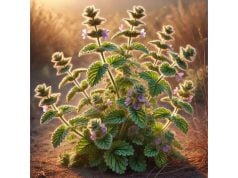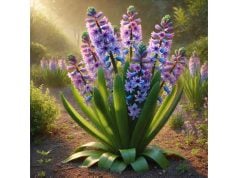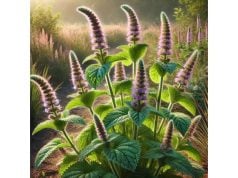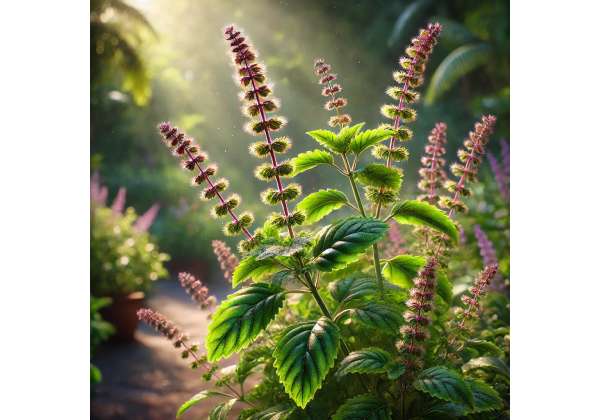
Holy basil, widely known as tulsi, is one of the most respected herbs in South Asian traditional medicine. It is best known as a calming, aromatic plant used for stress, resilience, respiratory comfort, digestion, and general daily wellness. In modern research, holy basil is usually studied under the name Ocimum tenuiflorum, while Ocimum sanctum remains the older and still widely used synonym. That naming detail matters because much of the current science uses both names interchangeably. What keeps holy basil relevant is not just tradition, but the fact that it contains a dense mix of aromatic oils, phenolic compounds, and triterpenes linked with stress response, inflammation, metabolic balance, and microbial defense. At the same time, this is not a magic cure. Human studies are promising but still modest in size, and dosage varies widely across teas, powders, extracts, and whole-plant formulas. The most useful way to understand holy basil today is as a well-loved food-herb with meaningful adaptogenic and metabolic potential, supported by early clinical evidence but still best used with realistic expectations and attention to safety.
Key Takeaways
- Holy basil may help reduce perceived stress and support sleep quality in adults under stress.
- It may modestly support blood sugar, lipids, and inflammatory balance, especially as part of a broader lifestyle plan.
- Common studied adult amounts include 250 to 500 mg extract twice daily, or 2 to 3 g dried leaf daily.
- Avoid medicinal use during pregnancy, breastfeeding, and if you are trying to conceive.
- Use extra caution if you take diabetes medicines, blood thinners, or several supplements at the same time.
Table of Contents
- What is holy basil
- Key ingredients and how they work
- Does holy basil help
- How to use holy basil
- How much holy basil per day
- Safety, interactions, and who should avoid it
- What the evidence actually says
What is holy basil
Holy basil is an aromatic shrub in the mint family that has been used for centuries in Ayurveda and related traditional systems. It is often called tulsi, and in current botanical literature it is commonly listed as Ocimum tenuiflorum, though Ocimum sanctum remains an accepted historical name in many herbal and commercial settings. For everyday readers, the practical takeaway is simple: if a product says holy basil, tulsi, O. sanctum, or O. tenuiflorum, it is usually referring to the same revered plant.
Unlike sweet basil, which is mainly culinary, holy basil occupies a more medicinal role. People drink it as tea, chew the leaves, take it as a capsule, prepare it as a tincture, and use it in traditional daily rituals meant to support clarity, stamina, and resilience. It is one of those rare herbs that sits naturally between kitchen, temple, and clinic. That long-standing cultural role helps explain why it remains so popular even in the age of supplements.
Holy basil is most often framed as an adaptogenic herb. That does not mean it erases stress. It means it may help the body respond to stress more smoothly, especially when the burden is chronic rather than extreme. This is the same broad category people often explore with herbs such as ashwagandha, but holy basil has a distinct personality. It is lighter, more aromatic, and often feels more like a daily balancing herb than a deeply sedating one.
Traditional uses are broad, but a few patterns appear again and again:
- support for emotional stress and mental fatigue
- help with cough, colds, and respiratory discomfort
- digestive support and a warming effect after meals
- daily tonic use for energy, immunity, and resilience
- topical or mouth-based uses for microbial balance
This is where many articles become too sweeping. Because holy basil has been used for so many purposes, it is easy to imply that it is proven for everything from anxiety to diabetes to infections. That is not true. It has one of the better human evidence bases among traditional herbs, but that evidence is still mixed, short-term, and often based on small trials.
The best mental model is to treat holy basil as a well-studied traditional herb with practical strengths in stress support, general wellness, and light metabolic support, rather than as a single-condition drug substitute. That approach fits both its traditional identity and the quality of current evidence.
Key ingredients and how they work
Holy basil’s value comes from its chemistry, but not from one ingredient alone. It is a layered plant with volatile oils, polyphenols, flavonoids, and triterpenes that seem to work in combination. This is important because many people search for the one “active compound” and miss the broader picture. Holy basil behaves more like a phytochemical network than a single-agent supplement.
Among the most discussed compounds are:
- eugenol
- rosmarinic acid
- ursolic acid
- oleanolic acid
- beta-caryophyllene
- linalool
- carvacrol
- luteolin and apigenin-related flavonoids
Each of these helps explain part of the herb’s profile. Eugenol is one of the best-known aromatic compounds in holy basil and is often associated with its sharp scent, antimicrobial action, and some of its anti-inflammatory behavior. Rosmarinic acid is a phenolic compound seen in several aromatic herbs and is often linked to antioxidant and calming effects. Ursolic acid and oleanolic acid are triterpenes that show up often in discussions of inflammation, tissue protection, and metabolic signaling.
When you look at the plant as a whole, three broad mechanisms stand out.
First, holy basil appears to interact with stress signaling. Some research suggests that certain constituents may influence cortisol-related pathways and help buffer the body’s response to repeated stress. This is part of why holy basil is often described as an adaptogen rather than merely a stimulant or relaxant.
Second, it shows antioxidant and anti-inflammatory behavior. That does not mean it works like an anti-inflammatory drug, but it does help explain why the herb keeps showing up in discussions about long-term wellness, recovery, and modern stress burden.
Third, there is a metabolic angle. Some compounds may help influence carbohydrate handling, lipid balance, and inflammation-linked metabolic strain. This is one reason holy basil has been explored in studies on stress, weight-related concerns, and blood sugar markers.
In practical terms, whole-leaf tea, powder, and standardized extracts are not interchangeable. A cup of tea emphasizes aroma, hydration, and gentler plant compounds. A capsule may deliver more concentrated leaf material. A standardized extract may push certain markers, such as eugenol-rich or polyphenol-rich compounds, much more strongly. That is why one person may love holy basil tea but react differently to a concentrated extract.
If you already know other aromatic herbs rich in polyphenols, such as rosemary, it helps to think in those terms. The scent tells you something, but the deeper story is the mix of aromatic oils and phenolic compounds working together. Holy basil is not just fragrant. Its smell is part of the chemistry that gives the herb its identity.
Does holy basil help
Yes, probably, but not equally for every claim attached to it. Holy basil is one of the more promising traditional herbs in human research, yet it still benefits from a careful reading. The most convincing evidence points to stress support, mild sleep improvement in stressed adults, and modest help with some metabolic markers. Beyond that, the evidence becomes more suggestive than conclusive.
The strongest modern case is stress. In human trials, standardized holy basil extracts have improved perceived stress scores and, in some studies, sleep quality and mood-related symptoms. That does not mean the herb works like a prescription anxiolytic. It means it may help take the edge off chronic, daily stress and improve how people feel and function over several weeks.
The second meaningful area is metabolic support. Some trials have reported improvements in fasting glucose, post-meal glucose, lipids, body weight markers, or related measures. These effects are not dramatic enough to treat holy basil as a replacement for medical care, but they are strong enough to justify the herb’s reputation as a supportive lifestyle botanical.
A third area is cognition and mental performance. Smaller studies suggest benefits in attention, working memory, fatigue, or mental flexibility. These results are interesting because they fit the traditional idea of holy basil as a plant that supports clarity under strain rather than sedation.
A balanced way to frame the likely benefits is this:
- May reduce subjective stress and improve stress resilience.
- May support sleep quality when poor sleep is linked to stress.
- May modestly improve blood sugar and lipid markers in some adults.
- May support attention and mental performance during periods of strain.
- May offer antimicrobial or oral-health support in topical or mouth-based forms.
Where readers often go wrong is expecting the herb to do too much at once. Holy basil is not a guaranteed cure for anxiety, insomnia, diabetes, high cholesterol, or recurrent infections. Its benefits tend to be modest, cumulative, and more supportive than dramatic.
This is also why comparison helps. Someone wanting a stronger, more sedating evening herb might prefer something like lemon balm. Someone wanting broader adaptogenic support may compare it with ashwagandha. Holy basil sits in a useful middle ground: calming without necessarily making you drowsy, stimulating without feeling harsh, and supportive without being too narrow.
Its best real-world use is not heroic. It works best when matched to the kind of person who feels mentally overextended, physiologically “on,” mildly run-down, or metabolically stressed, especially when the goal is a gentle daily buffer rather than fast symptom suppression. In that role, the herb’s reputation makes much more sense.
How to use holy basil
Holy basil is unusually flexible. You can use it as tea, fresh leaves, dried leaf powder, tincture, capsules, or standardized extract. That flexibility is a strength, but it also creates confusion because the effect depends heavily on the form.
Tea is the most traditional and often the gentlest way to use holy basil. It suits people who want everyday support rather than targeted supplementation. A tea made from dried leaves can fit into a morning or afternoon routine, especially during high-stress periods. Tea also makes sense when the goal is to combine ritual, aroma, and hydration with the herb’s milder actions.
Capsules and powders are more practical for people who want consistent intake. These forms are helpful when you are aiming for a predictable daily amount over several weeks. Standardized extracts are more concentrated and are usually the form used in stress or metabolic studies. They make sense when someone wants a more trial-like approach, but they are also the forms most likely to feel different from casual tea drinking.
Fresh leaf use is traditional too. Some people chew a few leaves daily or add them to water, tonics, or simple herbal blends. This form emphasizes the plant as a daily herb rather than a supplement. Still, fresh leaf intake varies too much to serve as a reliable clinical-style dose.
A practical use plan can be simple:
- Decide your goal first.
- Choose one form, not three at once.
- Use it consistently for two to eight weeks.
- Track sleep, stress, digestion, or metabolic markers honestly.
- Stop if side effects appear or if there is no clear benefit.
The best form depends on the goal:
- Tea: good for general daily support and routine.
- Capsules: good for convenience and dose consistency.
- Standardized extract: best for a focused self-trial.
- Tincture: useful when flexible dosing is preferred.
- Mouth rinse or gargle: reasonable for oral care traditions.
Timing matters more than many people realize. For stress and daytime clarity, morning and early afternoon often work best. For sleep support, holy basil is more helpful when sleep problems are stress-related, not when the main issue is circadian disruption or severe insomnia. In those cases, a simple calming tea may help, but the herb is not a dedicated sedative.
It is also fine to combine holy basil with other herbs, but keep the formulas sensible. Pairing it with digestive or calming herbs can make good practical sense. A tea that combines holy basil with something like ginger for warmth and digestion, or with lemon balm for a gentler evening feel, usually works better than piling several adaptogens together without a plan.
In short, the key is not to ask “What is the strongest form?” but “What form matches the reason I am using it?” That question usually leads to better results.
How much holy basil per day
Holy basil dosage varies more than many readers expect. Human studies have used everything from modest extract capsules to larger whole-plant preparations, which is why internet dosing advice often looks inconsistent. The safest summary is that common adult study ranges cluster around 250 to 500 mg of extract twice daily, while traditional whole-herb doses can be much higher.
From the human literature, several practical patterns emerge:
- 125 mg extract twice daily for 8 weeks in a stress-and-sleep trial.
- 250 mg capsules twice daily in an obesity-related trial.
- 500 mg leaf extract twice daily in an open anxiety-related study.
- 400 mg whole-plant capsules three times daily in a stress study.
- Around 2 to 3 g daily of leaf or whole-plant powder in some metabolic or psychosomatic studies.
These are not equal doses, because extract type, concentration, and plant part matter. A 250 mg standardized extract may not resemble 250 mg of plain powdered leaf. That is why product labels and extract ratios matter much more with holy basil than with everyday tea herbs.
For most adults, a sensible starting framework looks like this:
- Tea: 1 to 2 cups daily made from dried leaves.
- Plain powder or capsules: about 1 to 2 g daily to start.
- Standardized extract: 250 mg once or twice daily to begin.
- More focused stress trial: 250 to 500 mg twice daily if tolerated and product quality is clear.
If you are using holy basil mainly for daytime stress, split dosing often makes sense, such as morning and midday. If you are using it to support evening decompression, a late-afternoon or early-evening dose may fit better. Taking it with meals can reduce stomach upset, especially with concentrated extracts.
Duration matters too. Most human studies run between four and twelve weeks. That means holy basil is better understood as a short- to medium-term daily herb than as a one-time remedy. If you are using it for a defined reason, reassess after six to eight weeks rather than taking it indefinitely without checking whether it is still useful.
A practical self-trial can look like this:
- Start low for one week.
- Increase only if the herb is well tolerated.
- Keep the form stable throughout the trial.
- Measure one or two goals, such as stress, sleep, or post-meal heaviness.
- Reassess after a month.
The main dosing mistake is taking tea guidance and applying it to concentrated extracts, or vice versa. Another is assuming that because holy basil feels gentle, more must be better. That is not how evidence-based herbal use works. The best dose is the lowest one that gives a clear and sustainable benefit.
Safety, interactions, and who should avoid it
Holy basil is often described as safe, and in short human studies it has generally been well tolerated. But “well tolerated” is not the same as risk-free, especially when products are concentrated or used by people in more sensitive groups.
The clearest group to avoid medicinal use is pregnant people. A recent official risk assessment also supports caution for people trying to conceive, because reproductive effects were considered a key concern based on animal data. The same assessment also supports avoiding medicinal-style use during breastfeeding and in children because the safety data are too thin.
That means the most cautious avoid list includes:
- pregnant people
- breastfeeding people
- people trying to conceive
- children
- anyone with a known allergy to basil-family plants
Beyond that, several interaction areas deserve real respect. Human trials suggest holy basil may influence glucose markers, so people taking diabetes medicines should use it carefully and monitor changes rather than assuming the herb will always be mild. There is also a reasonable caution for people taking anticoagulants or antiplatelet drugs, because holy basil contains eugenol-rich volatile compounds and has enough biologic activity that clinicians often prefer not to stack it casually with blood-thinning therapy. Human interaction data are limited, but caution is still the sensible move.
Possible side effects are usually mild and may include:
- nausea
- stomach upset
- light digestive discomfort
- dislike of concentrated taste or aroma
- rare allergy-like reactions
In the clinical literature, occasional mild nausea is one of the few clearly reported side effects. That is reassuring, but it also reflects the fact that most trials were short and many were small. Short-term tolerability does not settle every long-term safety question.
People with complex endocrine or metabolic situations should also be thoughtful. If you take several supplements for stress, thyroid balance, blood sugar, or sleep at the same time, holy basil may become harder to interpret. It is better to add it to a stable routine than to throw it into an already crowded supplement stack.
One overlooked point is product variability. Tea bags, dried leaf powders, tinctures, essential oils, and standardized extracts can all be sold as holy basil, yet they behave very differently. Essential oil products are especially different from leaf teas or capsules and should never be treated as a simple substitute.
If you want a practical safety rule, it is this: holy basil is often reasonable for healthy adults in modest amounts, but it deserves more caution in pregnancy, fertility planning, childhood, medication-heavy routines, and concentrated extract use. When the herb is matched to the person and the dose is realistic, it tends to be easier to use well.
What the evidence actually says
Holy basil has one of the more encouraging evidence bases in the herbal world, but the quality is still mixed. That is the most accurate place to land.
The good news is that this is not an herb supported only by tradition and animal studies. There are human trials. The not-so-good news is that many of those trials are small, short, or methodologically uneven. That means holy basil has more evidence than many traditional herbs, but less certainty than a casual reader might assume.
The evidence is strongest in three areas.
First, stress and mood-related support. This is where the most coherent human data sit. Standardized extract trials and the broader clinical review suggest that holy basil can meaningfully improve perceived stress, and in some cases sleep quality and mood-related strain, particularly in adults already under stress.
Second, metabolic markers. Human studies suggest possible benefits for fasting glucose, post-meal glucose, lipids, body composition markers, or related metabolic stress indicators. These findings are promising, especially because they align with traditional use and mechanistic chemistry, but they are not strong enough to treat holy basil as a stand-alone therapy.
Third, broad phytochemical plausibility. The 2024 phytochemical review reinforces that holy basil contains multiple compounds with antioxidant, anti-inflammatory, and neuroprotective potential. That does not prove clinical outcomes by itself, but it does help explain why the herb consistently shows activity across different domains.
The limitations matter just as much:
- many trials are small
- formulations vary widely
- plant part and extract strength are inconsistent
- study duration is often short
- long-term safety remains less certain than short-term safety
This means strong claims should be avoided. It is fair to say holy basil may help with stress, may support sleep when stress is the driver, and may modestly support metabolic balance. It is not fair to present it as a guaranteed treatment for anxiety disorders, diabetes, high cholesterol, infertility, chronic infection, or immune dysfunction.
In practical evidence terms, holy basil sits somewhere between an everyday wellness herb and a clinically interesting botanical. It is not as thinly studied as many adaptogens, but it also does not yet have the depth of evidence seen with better-researched dietary agents or lifestyle interventions. That middle position is actually useful, because it helps the reader use the herb without either dismissing it or turning it into hype.
For a comparison of evidence style, holy basil is more promising than many folk tonics, but still far less settled than highly studied daily botanicals such as green tea. That perspective helps keep expectations realistic.
So the final evidence-based view is straightforward. Holy basil is a legitimate traditional herb with encouraging human data, especially for stress-related outcomes. It is worth considering, but it still belongs in the category of supportive care, not proof-level medicine.
References
- The Clinical Efficacy and Safety of Tulsi in Humans: A Systematic Review of the Literature 2017 (Systematic Review)
- A randomized, double-blind, placebo-controlled trial investigating the effects of an Ocimum tenuiflorum (Holy Basil) extract (HolixerTM) on stress, mood, and sleep in adults experiencing stress 2022 (RCT)
- Risk assessment of holy basil (Ocimum tenuiflorum L. and Ocimum sanctum L.) and some of the component substances used in herbal teas and food supplements 2023 (Official Risk Assessment)
- A Comprehensive Review of the Phytochemical Constituents and Bioactivities of Ocimum tenuiflorum 2024 (Review)
Disclaimer
This article is for educational purposes only and is not medical advice. Holy basil is a medicinal herb with promising but still limited clinical evidence, and it should not replace diagnosis, prescribed treatment, or individualized guidance from a qualified healthcare professional. Seek medical care for persistent insomnia, severe anxiety, blood sugar problems, unexplained weight change, fertility concerns, pregnancy-related questions, or any condition that requires monitoring or prescription therapy. Use extra caution with concentrated extracts, self-made formulas, and concurrent medication use.
If you found this article useful, please share it on Facebook, X, or your preferred platform so more readers can find careful, evidence-aware herbal information.