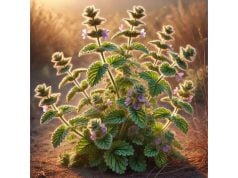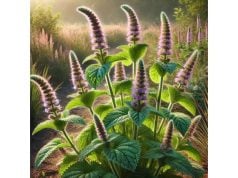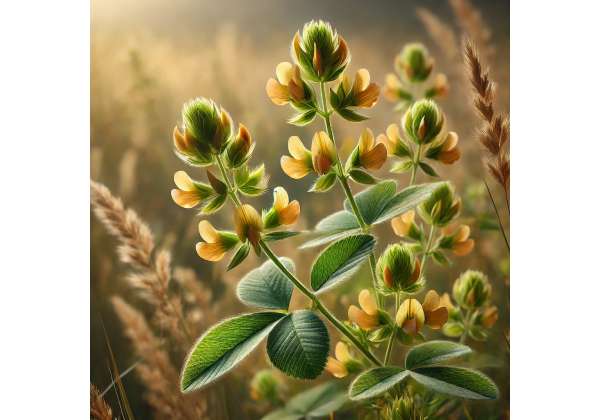
Hop clover, also called golden clover or large hop trefoil, is a small yellow-flowering legume that often looks unremarkable in a field until you look closely at its drying flower heads, which resemble tiny hops. That resemblance explains the name, but the plant itself is not the same as brewing hops. As an herb, hop clover sits in an interesting middle ground: it has a long botanical relationship with other clovers known for phytonutrients and mild traditional uses, yet it has very little direct human research of its own. That means it deserves a balanced, careful overview rather than exaggerated claims.
In practice, hop clover is best viewed as a lightly used wild edible and gentle tea herb with possible antioxidant, nutritive, and mild phytoactive properties. Its likely value comes from the broader chemistry of the Trifolium genus, not from strong clinical trials on this exact species. Understanding that distinction helps you use it more wisely. Below, you will find what hop clover is, what may be inside it, what it might realistically help with, how to use it, how much is sensible, and where safety matters most.
Quick Overview
- Hop clover is better approached as a mild food-like herb than as a proven medicinal treatment.
- Its likely benefits center on light antioxidant and nutritive support rather than strong symptom relief.
- A cautious infusion range is 1 to 2 g dried aerial parts in 250 mL hot water, up to 1 to 3 cups daily short term.
- Avoid self-treating with hop clover during pregnancy, breastfeeding, hormone-sensitive conditions, or while taking anticoagulants.
Table of Contents
- What is hop clover?
- Key ingredients and active compounds
- Health benefits and realistic uses
- How to use hop clover
- How much per day?
- Side effects, interactions, and who should avoid it
- What the evidence actually says
What is hop clover?
Hop clover is a small annual or biennial plant in the bean family, Fabaceae. Like other clovers, it carries the familiar three-leaflet pattern, but its flowers are golden yellow rather than pink, purple, or white. As the flower heads mature and dry, they turn papery and hop-like, which is why the plant is called hop clover or large hop trefoil. It is not the same plant as brewing hops, and the shared name can easily confuse readers who expect hop-clover articles to describe the same sedative or bitter compounds found in Humulus lupulus.
From a practical herbal point of view, hop clover matters for three reasons. First, it belongs to a genus that includes some well-studied medicinal relatives, especially red clover and white clover. Second, it appears to be edible in small, food-like amounts, with young aerial parts sometimes used in salads or mild teas. Third, its chemistry is likely to overlap at least partly with broader clover patterns, which raises reasonable interest in antioxidant and phytoactive properties.
Still, this is not a mainstream medicinal herb. Historically, hop clover has been used far more as a meadow plant, forage legume, or occasional wild edible than as a standardized remedy. That difference matters. Herbs with a long, continuous medicinal record usually develop clearer preparations, doses, and traditional indications. Hop clover does not have that same depth of documented therapeutic use.
Its appearance also creates a safety issue for foragers. Yellow clovers can be confused with related trifoliate plants such as black medic or other small legumes growing in roadsides and disturbed soil. Identification should always come first, especially if you plan to drink it as tea or mix it into food.
A fair summary is this: hop clover is a modest herb with botanical interest, a likely supply of useful plant compounds, and some gentle traditional-style uses, but it is not a highly validated medicinal plant. The best way to approach it is with curiosity, restraint, and a clear understanding that most stronger claims belong to other clovers, not automatically to Trifolium aureum itself.
Key ingredients and active compounds
The most honest way to discuss hop clover’s chemistry is to separate what is likely from what is directly proven. Detailed phytochemical work on Trifolium aureum is limited, so most discussion of its “key ingredients” comes from what researchers know about the broader Trifolium genus and from the way clovers tend to behave chemically under different growing conditions.
That broader clover pattern suggests several useful groups of compounds:
- Flavonoids and phenolic acids, which are often tied to antioxidant activity and general protection against oxidative stress.
- Isoflavones, the best-known clover compounds in medicinal discussions, especially in better-studied relatives such as red clover.
- Coumestan-type compounds, including coumestrol in some clover species, which can show estrogen-like activity.
- Tannins and saponins, which may contribute to astringent, cleansing, and membrane-active effects.
- Basic nutritive components, such as plant protein, fiber, and trace minerals when the herb is used in food-like amounts.
This does not mean hop clover has the same chemical profile as red clover, nor that it should be used the same way. In fact, one of the biggest mistakes in herb writing is treating every species in a genus as though it were chemically interchangeable. That is rarely true. Species, plant part, harvest stage, soil conditions, fungal stress, and drying method can all shift the final phytochemical profile.
Even so, the genus-level pattern is still useful. It tells us that hop clover probably offers a mix of protective polyphenols and potentially bioactive signaling compounds, rather than a single “magic” ingredient. That matters because mild herbs often work, when they work at all, through a broad blend of compounds rather than a pharmaceutical-style active molecule.
For readers comparing clovers, red clover’s isoflavone profile is the better-studied model. It shows why clovers attract interest for hormone-related, antioxidant, and vascular questions. But hop clover should be viewed as a cousin, not a duplicate.
A practical interpretation is helpful here. If you drink hop clover as a mild infusion, you are probably getting a low-dose mixture of plant polyphenols and other secondary metabolites, not a standardized medicinal extract. That makes it more similar to a gentle meadow herb than to a capsule designed around measured isoflavone content. It also explains why cautious, food-like use makes more sense than aggressive supplement-style dosing.
Health benefits and realistic uses
When people search for the health benefits of hop clover, they usually want a direct answer. The direct answer is that the plant may offer light antioxidant and nutritive support, but the evidence for clear, condition-specific benefits is thin. That does not make the plant useless. It simply changes how it should be used and what expectations are reasonable.
The most realistic potential benefits fall into four areas.
- Mild antioxidant support. Because clovers often contain flavonoids and other phenolic compounds, hop clover likely contributes some free-radical-scavenging activity. In everyday terms, that means it may help as part of a broader plant-rich diet, but it is not a stand-alone solution for inflammation, aging, or chronic disease.
- Gentle nutritive use. As a small legume herb used in modest amounts, hop clover can be treated more like a mild edible green or tea plant than a strong medicinal agent. This is probably its safest and most sensible role.
- Possible low-level phytoactive effects. Some clovers contain estrogen-like compounds. That does not automatically mean hop clover will relieve menopausal symptoms, improve hormones, or act like red clover extract, but it does mean the plant should be handled respectfully, especially in sensitive populations.
- Traditional-style soothing use. A light infusion may be used the way people use many soft meadow herbs: for simple daily herb tea, a gentle rinse, or as part of a seasonal foraged blend.
What hop clover probably does not deserve is a long list of inflated claims. There is no strong species-specific evidence showing it reliably lowers cholesterol, treats menopause, heals skin disease, clears toxins, or works as an antimicrobial medicine in humans. Those claims are often borrowed from red clover, white clover, or from broad herb folklore without enough distinction.
A helpful way to think about it is this: hop clover may support wellness at the mild-support level, not the targeted-treatment level. If your goal is to enjoy a carefully identified meadow herb that offers some plant diversity and gentle tea value, it fits. If your goal is a researched herb for a specific complaint, there are usually stronger options. For example, people seeking a more established mineral-rich infusion often look to nettle leaf rather than hop clover.
So the realistic outcome is modest. Hop clover can be part of a careful herbal routine, especially for people who enjoy wild edible plants, but it should not be sold as a high-impact remedy. In herbal medicine, that kind of restraint is a strength, not a weakness.
How to use hop clover
Hop clover is best used in simple, low-intensity forms. Because it lacks a strong history as a concentrated medicinal herb, the safest approach is to treat it like a food-adjacent plant: light tea, small culinary additions, and very modest experimentation.
A practical way to use it looks like this:
- Identify the plant carefully. Make sure you truly have Trifolium aureum. Yellow clovers and related legumes can look similar, especially before flowering. Avoid plants from sprayed roadsides, industrial edges, golf courses, or areas with heavy pet traffic.
- Harvest the aerial parts. The upper stems, leaves, and flower heads are the parts most likely to be used. Harvest when the plant looks clean, healthy, and preferably before the flower heads become too dry and papery.
- Use fresh in small food amounts. Young leaves and tender tops may be mixed into salads or chopped into a wild herb blend. Think garnish or accent, not a full bowl of greens.
- Dry for tea. A small bundle can be dried in shade with good airflow, then stored in a clean glass jar. Tea is usually the easiest way to use hop clover consistently.
- Blend rather than force it. Because the flavor is mild, hop clover often makes more sense in mixed meadow infusions than as a solo herb.
In the kitchen, less is more. The plant is not prized for a bold or memorable taste, so it works best alongside milder herbs. In that respect, it behaves more like a supporting plant than a culinary star. Readers who enjoy edible legumes may also recognize a similar food-first logic in herbs such as alfalfa, where the line between nourishment and herbal use is often blurred.
For topical use, a cooled infusion could be tried as a simple wash or compress for minor skin comfort, but this remains a traditional-style, low-certainty application. It should never replace medical treatment for rash, infection, wounds, or chronic skin disease.
Two habits improve safety:
- Start with a very small amount.
- Use only well-identified, clean plant material.
That is especially important with wild herbs that are not commonly sold in standardized form. Hop clover can be pleasant and useful when used gently, but it is not a plant that rewards heavy-handed experimentation.
How much per day?
There is no standardized medicinal dosage established for hop clover. That is the key point. Because direct clinical dosing data for Trifolium aureum are lacking, the most sensible daily amount is a conservative culinary or tea range, not a supplement-style dose.
For most adults who still want to try it, the cautious range is:
- Tea infusion: 1 to 2 g dried aerial parts in about 250 mL hot water, steeped for 10 to 15 minutes.
- Starting amount: 1 cup daily for the first 2 to 3 days.
- If well tolerated: increase to 2 cups daily, and only occasionally to 3 cups daily for short-term use.
- Fresh plant in food: a small handful mixed into a larger salad or herb blend, not a daily staple in large amounts.
This range is deliberately modest. It is based on how gentle meadow herbs are commonly used, not on proven hop-clover trials. That distinction matters. If a plant has weak direct evidence, the dosage should stay humble.
Timing is flexible. Many people would do best taking it:
- once in the morning as a mild tea, or
- split between morning and afternoon rather than late evening, especially if they are watching for digestive tolerance.
Duration should also stay modest. A good first trial is 2 to 4 weeks, followed by a pause and reassessment. If nothing noticeable changes, raising the dose is usually not the right next step. It is a sign the herb may simply not be doing much for your goal.
One important caution: do not copy dosing from red clover supplements. Standardized red clover products in research often use measured isoflavone doses, sometimes around 40 to 80 mg daily or more, but those products are chemically characterized extracts from a different and better-studied species. Hop clover tea is not equivalent.
A useful rule is simple:
Use hop clover like a mild herb tea, not like a therapeutic extract.
If you want strong effects, this is probably the wrong herb. If you want a careful, low-dose trial of a gentle meadow legume, staying within the range above is the more responsible approach.
Side effects, interactions, and who should avoid it
Even gentle herbs deserve a serious safety review. With hop clover, the main issue is not that it is known to be highly toxic. The main issue is uncertainty. Because the species is under-studied, you should assume it may share at least some of the cautions associated with other clovers, especially around phytoestrogen-like compounds and variable wild-plant chemistry.
Possible side effects from oral use may include:
- mild stomach upset
- bloating or loose stools
- headache
- rash or itching in sensitive people
- allergy-like reactions in anyone sensitive to legumes
Most people who react would likely do so at the digestive or skin level first. That is why small starting doses matter.
The groups most likely to need extra caution are:
- Pregnant or breastfeeding people. There is not enough reliable safety data.
- Children. Lack of dosing and safety data makes routine use hard to justify.
- People with hormone-sensitive conditions. This includes certain breast, uterine, or ovarian cancers, endometriosis, and some fibroid cases.
- People taking anticoagulants or antiplatelet medicines. Clover chemistry can be complex, and theoretical interaction concerns are enough to warrant caution.
- People using hormonal therapies. That includes estrogen products, some contraceptives, and medicines that depend on careful hormone signaling.
- Anyone with a strong legume allergy.
- People preparing for surgery. When an herb has uncertain endocrine or blood-related activity, it is prudent to stop well in advance unless a clinician advises otherwise.
There is also a practical foraging safety issue. Wild hop clover may grow in places exposed to traffic pollution, herbicides, animal waste, or contaminated runoff. A clean species can still become an unsafe herb when harvested from a dirty place.
The phrase “natural” can also mislead people here. Clover species have been studied in animal agriculture because phytoestrogen exposure can affect reproduction under some conditions. That does not mean a cup of hop clover tea is automatically harmful, but it does mean repeated high intake is not a casual experiment.
The safest use profile is this:
- low dose
- short term
- well-identified plant
- avoided by higher-risk groups
- stopped immediately if symptoms appear
If you take prescription medicines or have a hormone-related, bleeding-related, liver, or kidney condition, professional guidance is the better path before regular use.
What the evidence actually says
This is the section many herb articles skip, but it is the most important one. Direct evidence for hop clover itself is very limited. There are no well-known human clinical trials showing that Trifolium aureum reliably improves a specific health condition. That single fact should shape every claim made about it.
What researchers do have is broader clover evidence.
First, genus-level reviews show that Trifolium species can contain useful phytochemicals, including flavonoids, phenolic compounds, isoflavones, and, in some cases, coumestan-type compounds. That supports the idea that hop clover may have biologically active chemistry.
Second, reviews of related species such as white clover show antioxidant, anti-inflammatory, antimicrobial, and other pharmacological possibilities in lab or preclinical settings. That tells us clovers can be pharmacologically interesting, but preclinical interest is not the same thing as proven human benefit.
Third, the strongest human clover research is not on hop clover at all. It is mostly on red clover extracts standardized for isoflavones. In that separate context, some systematic reviews and trials suggest modest improvements in menopausal hot flushes, particularly in certain formulations and dose ranges, while overall findings remain mixed. Some studies also suggest possible lipid effects. Useful? Potentially. Transferable to hop clover tea? Not automatically.
That difference is where many articles go wrong. They take a red clover result, remove the species name, and present it as a clover-wide fact. That is not evidence-based writing.
There is also a safety lesson from livestock and reproductive physiology research: clover phytoestrogens can be biologically meaningful under the right conditions. So even when efficacy data are weak, the plant should not be treated as chemically inert.
The bottom line is refreshingly simple. Hop clover is:
- botanically interesting
- probably mildly bioactive
- reasonable for cautious food-like or tea-like use
- not well proven as a medicinal treatment
If you want a gentle wild herb, it may be worth exploring carefully. If you want a therapy with strong human evidence, hop clover is not yet there. The evidence supports curiosity, not hype.
References
- Trifolium species – the latest findings on chemical profile, ethnomedicinal use and pharmacological properties 2016 (Review). ([PubMed][1])
- Phytochemical profile and pharmacological properties of Trifolium repens 2020 (Review). ([PubMed][2])
- Phytoestrogens: A Review of Their Impacts on Reproductive Physiology and Other Effects upon Grazing Livestock 2022 (Review). ([PMC][3])
- Evaluation of Clinical Meaningfulness of Red Clover (Trifolium pratense L.) Extract to Relieve Hot Flushes and Menopausal Symptoms in Peri- and Post-Menopausal Women: A Systematic Review and Meta-Analysis of Randomized Controlled Trials 2021 (Systematic Review). ([PMC][4])
- Red Clover 2025 (NIH Fact Sheet).
Disclaimer
This article is for educational purposes only and does not diagnose, treat, cure, or prevent any disease. Hop clover is not a well-standardized medicinal herb, and species-level evidence is limited. Do not use it as a substitute for medical care, prescribed treatment, or professional advice. Extra caution is appropriate during pregnancy, breastfeeding, with hormone-sensitive conditions, and when using prescription medicines that affect bleeding or hormone signaling.
If this guide was useful, please consider sharing it on Facebook, X, or any platform where someone else might appreciate a careful, evidence-aware explanation.