Horse balm, better known botanically as Monarda punctata, is one of those North American herbs that deserves more thoughtful attention than it usually gets. Also called spotted beebalm or dotted horsemint, it belongs to the mint family and carries a warm, sharp, thyme-like aroma that hints at its chemistry. Traditional herbalists valued it as a digestive aid, a warming herb for damp, sluggish colds, and a topical plant for irritated skin and minor infections. Modern lab research points in a similar direction, especially around its volatile oils and antimicrobial activity.
What makes horse balm interesting is not that it is a miracle herb. It is that its old uses and its modern chemistry actually make sense together. The plant contains aromatic compounds such as thymol, carvacrol, and p-cymene, along with polyphenols that may add antioxidant support. Still, this is not a clinically proven cure-all. The strongest case for horse balm is short-term, practical use: tea for digestive or upper-respiratory discomfort, steam or gargles for congestion and throat irritation, and diluted topical preparations for minor skin concerns.
Quick Overview
- Horse balm is best known for digestive support and warming relief during mild upper-respiratory discomfort.
- Its essential oil profile suggests antimicrobial and topical cleansing potential, especially in diluted preparations.
- A practical tea range is 1 to 2 teaspoons dried aerial parts per 240 mL cup, usually 1 to 3 times daily.
- Avoid internal use during pregnancy and use extra caution with reflux, young children, and concentrated essential oil products.
Table of Contents
- What is horse balm
- Key ingredients and actions
- What benefits is it used for
- How to use horse balm
- How much should you take
- Side effects and who should avoid it
- What the research really says
What is horse balm
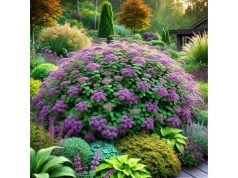
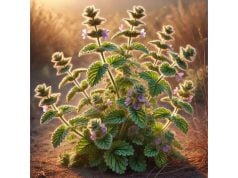
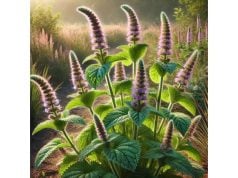
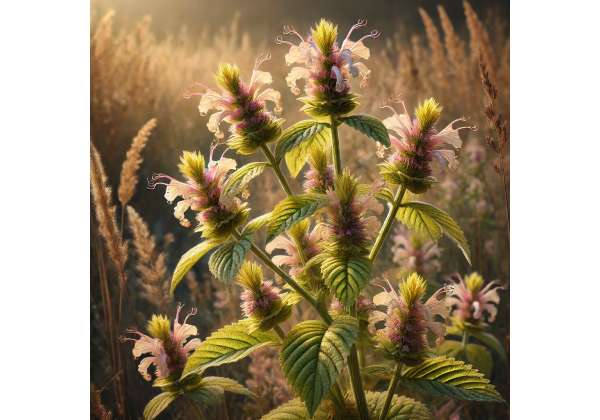
Horse balm is an aromatic flowering herb in the mint family, native to much of eastern and central North America. Its tiered bracts, pale flowers, and purple spots make it one of the more distinctive Monarda species, but the plant’s medicinal reputation comes less from its appearance than from its scent. Crush the leaves or flowers and you get an immediate clue: this is a strongly aromatic herb with a warming, spicy edge that many people compare to thyme, oregano, or wild bergamot.
That aroma matters because it tells you how horse balm tends to behave in herbal practice. It is not a heavy mucilage herb, not a soothing demulcent, and not a mineral-rich tonic. Instead, it is a warming, moving, drying plant. Traditional uses line up with that pattern. It was prepared as a tea or infusion for nausea, flatulence, catarrh, chills, sluggish fevers, and digestive discomfort. It was also used externally for sore joints, minor swellings, and irritated skin. In other words, horse balm was often chosen when the goal was to stimulate, clear, freshen, or disperse.
This gives the herb a very specific personality. Horse balm is often more useful when symptoms feel damp, stagnant, cold, or heavy than when they feel dry and overheated. A person with a bloated stomach after a rich meal, thick mucus during an early cold, or a mildly irritated patch of skin may be a better fit for the plant than someone who already feels hot, dry, and sensitive.
Another useful distinction is between the whole herb and the essential oil. The tea is not the same thing as the oil. A cup of horse balm tea is a modest, traditional preparation with a relatively gentle effect. The essential oil is far more concentrated and much more likely to irritate skin or mucous membranes if misused. Many casual descriptions online blur that difference, but it is central to safe use.
Horse balm also sits in a broader Monarda tradition. Several bee balm species have histories of use in North American herbal practice, yet Monarda punctata stands out for its particularly phenol-rich aroma. That helps explain why it has been valued for respiratory freshness, digestive support, and topical cleansing rather than simply as a pleasant garden mint. The best way to understand it is as a strong, aromatic native herb with focused, practical uses rather than as an everyday wellness plant for everyone.
Key ingredients and actions
The chemistry of horse balm explains a great deal about its traditional reputation. Its most important medicinal constituents are found in the volatile oil fraction, especially thymol, carvacrol, and p-cymene, with some batches also showing meaningful levels of limonene and related terpenes. These are not obscure background compounds. They are the reason the plant smells sharp, warming, and slightly medicinal.
Thymol is often the star constituent people notice first. It is a phenolic monoterpene with well-known antiseptic and antimicrobial relevance, and it is also one of the reasons horse balm resembles thymol-rich thyme oils in aroma and practical use. Carvacrol belongs to the same general family of compounds and adds further pungency and antimicrobial potential. P-cymene is less potent on its own, but it often works as part of the broader essential-oil pattern. Together, these compounds create an herb that tends to feel warming, stimulating, and somewhat drying.
Horse balm is not only about volatile oils, though. Modern analyses of Monarda species also show polyphenols, including rosmarinic acid and several flavonoids. These compounds are important because they broaden the plant’s profile beyond simple aroma. Polyphenols help explain why the herb is sometimes discussed in antioxidant terms and why the whole plant may have a more layered effect than the isolated oil alone.
From a practical herbal point of view, the main actions look like this:
- Aromatic carminative: may help settle gas, fullness, and digestive stagnation.
- Mild diaphoretic: traditionally used to encourage gentle perspiration during early colds.
- Antimicrobial: especially relevant in lab studies of essential oil and topical or oral-rinse style use.
- Expectorant and decongesting: the warming volatile oils may help thin and move mucus.
- Topical cleansing and rubefacient: diluted external use may increase local circulation and freshen minor irritated areas.
One of the most useful insights about horse balm is that whole-herb use and isolated-compound claims are not interchangeable. A tea made from the aerial parts delivers aroma, bitterness, and polyphenols in a much milder form than the essential oil. That means the tea may support digestion and upper-respiratory comfort without acting like a concentrated antiseptic. The oil, by contrast, is where the plant becomes much more potent and much more likely to irritate.
This matters because it keeps expectations realistic. Horse balm’s chemistry supports a focused set of plausible uses. It does not justify turning the plant into a cure-all. The herb makes the most sense where warming aromatics, mild stimulation, and antimicrobial plant compounds are actually useful.
What benefits is it used for
Horse balm is most often discussed for three practical areas: digestion, upper-respiratory support, and external care for minor skin or mouth concerns. These are also the uses that best fit both the plant’s tradition and its chemistry.
For digestion, horse balm acts like many classic aromatic mints. A light tea may help with temporary bloating, mild nausea, flatulence, and that uncomfortable “stuck” feeling after a heavy meal. It is not a fiber herb and not a laxative. Its value is more about moving the system forward and easing spasm or fullness. Readers who know the feel of peppermint for digestive and upper-airway support will recognize the general category, though horse balm tends to be warmer, spicier, and more drying.
Respiratory support is another traditional strength. Horse balm has been used in teas, warm infusions, and steam-style preparations for colds, catarrh, and congested airways. The most realistic benefit here is not that it “kills a cold.” It is that its aromatic vapors and warming constituents may help a person feel more open, may encourage thinner secretions, and may make a sore, stuffy throat or chest feel less stagnant. This is especially useful when symptoms come with chills, heaviness, or thick mucus rather than raw dryness.
Its topical role is often overlooked, but it may be one of the most practical. Diluted preparations or cooled tea can be used as a wash, compress, or mouth rinse for minor skin irritation, insect-prone summer skin, or superficial mouth discomfort. The plant’s volatile oils may help reduce microbial burden on the surface, while its warming quality can make tissues feel less boggy and inert. That does not make it a substitute for wound care, prescription treatment, or management of worsening skin infections. But for small, everyday concerns, horse balm has a credible traditional niche.
Some people also value horse balm for:
- Freshening the mouth in diluted gargles or rinses.
- Supporting a slow, cold onset of a seasonal illness.
- Pairing with honey for a warming sore-throat tea.
- Using as a culinary herb in tiny amounts when they want flavor with function.
The main thing to keep in mind is scale. Horse balm’s likely benefits are modest, immediate, and symptom-focused. It may help you feel less congested, less bloated, or more comfortable at the surface of the skin. It is not the right herb to promise dramatic long-term outcomes. Used that way, it often disappoints. Used for the smaller jobs it is actually built for, it makes much more sense.
How to use horse balm
Horse balm can be used in several forms, but the safest and most practical place to start is with the dried or fresh aerial parts as a tea. That preparation captures the herb’s aromatic and carminative qualities without pushing it into the harsher territory of concentrated essential oil use.
A simple infusion is the classic approach. The herb is usually steeped covered in hot water so the volatile compounds do not escape too quickly. This form works well when the goal is mild digestive support, a warming tea during a chilly early cold, or a gentle post-meal herb that also helps the mouth feel fresh. Many people find the flavor strong, so blending it with a little honey or combining it with a softer herb can improve compliance without dulling its identity.
Horse balm is also useful as a steam or inhalation herb. A small amount of the tea or freshly crushed herb placed in hot water can release aromatic vapors that feel clearing during temporary congestion. This is a traditional use with a very practical logic: the volatiles are already what the nose notices first. The important rule is to keep it gentle. You want aromatic lift, not a face full of concentrated vapor.
Topical use is another strong option. A cooled tea can be used as:
- A compress for mildly irritated skin.
- A rinse for minor superficial concerns.
- A diluted gargle or mouth rinse for transient mouth or throat discomfort.
- A wash after time outdoors when skin feels hot, sticky, or bothered.
In these ways, horse balm behaves more like a cleansing aromatic herb than a rich skin repair herb. For skin that needs more soothing than stimulation, a gentler plant such as calendula for mild topical support may be the better comparison.
Some herbalists also prepare horse balm as a tincture, though the plant is much less standardized in commerce than better-known mints. If using a tincture, low and gradual dosing makes more sense than heroic amounts, especially because the volatile fraction can feel sharp. Internal use of the essential oil itself is not a good starting place for home herbalism. The oil is concentrated, phenol-rich, and much easier to misuse than the tea.
A good modern rule is to match the form to the goal. Tea suits digestion and general cold-weather support. Steam suits brief congestion care. A cooled infusion suits rinses and external use. The more concentrated the preparation becomes, the more important dilution, restraint, and professional guidance become. Horse balm rewards careful form selection more than aggressive dosing.
How much should you take
Horse balm does not have a well-established modern clinical dosing standard, which means dosage should be approached with humility. Most real-world guidance is based on traditional use, older herbal texts, and the sensible fact that this is a strongly aromatic herb. In practice, moderate use is the smartest use.
For tea, a practical starting range is about 1 to 2 teaspoons of dried aerial parts per 240 mL cup of hot water. If using fresh herb, a small loose handful is usually enough for one mug because the aroma can be intense. Steep it covered for about 5 to 10 minutes, then strain. Start with 1 cup and see how the body responds before moving to 2 or 3 cups in a day. For many people, one cup after meals or one cup during a cold is plenty.
Traditional preparations have sometimes been stronger. Older herbal literature also describes infusion doses in fluid-ounce ranges and essential oil doses in drops. That history is interesting, but it should not encourage casual internal use of the essential oil today. Modern home users are usually better served by staying with the whole herb and treating stronger preparations as professional territory.
Here is a cautious framework that fits how the herb is generally used:
- For digestive support:
1 cup after meals, once or twice daily. - For upper-respiratory support:
1 warm cup every 6 to 8 hours for a day or two, or occasional steam inhalation. - For mouth rinse or gargle:
Use a cooled strong tea, swish or gargle briefly, then spit out. - For topical use:
Apply cooled infusion as needed to a small area once or twice daily.
Timing matters as much as amount. Because horse balm is warming and somewhat pungent, some people do better taking it after food rather than on an empty stomach. If a tea causes stomach heat or reflux, the solution is not to push through it. It usually means the herb is too stimulating for that moment, too concentrated, or simply not the right fit.
Duration should also stay reasonable. Horse balm is best thought of as a short-term herb for short-term jobs. A few days to a week makes more sense than taking it daily for months. If the symptom needing support is chronic, the better question is why it keeps coming back. At that point, the herb becomes a tool for occasional relief rather than a long-term plan. That distinction keeps dosage safer and expectations much more realistic.
Side effects and who should avoid it
Horse balm is often described as gentle because it is a tea herb, but that can be misleading. The whole herb is certainly milder than the essential oil, yet Monarda punctata is still a potent aromatic mint with phenol-rich chemistry. In the wrong person, or at the wrong concentration, that can become irritating rather than helpful.
The most common side effects are likely to be digestive or sensory. A tea that is too strong may cause stomach heat, nausea, or a sharp, overly warming feeling in the chest or throat. Some people may notice worsening reflux or heartburn, especially if they already react badly to spicy, pungent, or strongly aromatic herbs. On the skin, concentrated preparations may sting or irritate, and essential oil can trigger redness if it is not well diluted.
Possible problems include:
- Heartburn or reflux.
- Mouth or throat irritation from strong preparations.
- Skin irritation from undiluted or poorly diluted oil.
- Headache or scent sensitivity in people who react strongly to essential oils.
- Allergy or cross-reactivity in people sensitive to plants in the mint family.
Pregnancy is the main avoid category for internal use. Horse balm has a traditional reputation as a stimulating aromatic herb, and like many herbs with emmenagogue history, it is better avoided during pregnancy unless a qualified clinician says otherwise. Breastfeeding use is also underdocumented enough that caution is wiser than confidence.
Young children deserve extra care as well. Even if a mild tea might look harmless, concentrated essential-oil preparations near the face, nose, or chest are not a casual choice for children. The risk rises when adults treat the plant like culinary mint instead of a medicinal aromatic. Strong oils from the mint family can be overwhelming for small airways and sensitive skin.
Use more caution if you have:
- Chronic reflux or gastritis.
- Known sensitivity to thyme, oregano, or other strong Lamiaceae herbs.
- Asthma triggered by intense fragrances.
- A skin barrier problem such as active eczema flare with high reactivity.
- A medication routine where any added herb should be checked first.
Another practical safety point is that horse balm should not delay appropriate care. A tea or gargle may support comfort, but it is not a substitute for treatment in high fever, shortness of breath, spreading skin infection, chest pain, or persistent vomiting. The herb belongs in the category of supportive care, not primary management of serious illness. That is the clearest line between smart herbal use and wishful thinking.
What the research really says
The research story on horse balm is promising, but it is not robust in the way many readers may expect. The strongest modern evidence is chemical and laboratory based. Researchers have identified the plant’s essential-oil pattern, measured its phenolic content, and tested extracts or oils against bacteria, fungi, and oxidative processes in vitro. That is meaningful, especially because the results generally align with the herb’s traditional use. But it is not the same thing as having high-quality human clinical trials.
The chemistry is reasonably consistent in direction even if not identical from batch to batch. Depending on plant part, geography, and growing conditions, Monarda punctata often shows high levels of thymol or carvacrol along with p-cymene and other terpenes. Polyphenols such as rosmarinic acid and flavonoids also appear across Monarda analyses. These findings support the idea that horse balm could reasonably act as a warming aromatic herb with antimicrobial and antioxidant relevance.
The most specific species-level lab work is encouraging. Essential oil from Monarda punctata has demonstrated antibacterial effects in vitro against several respiratory-associated pathogens, and broader Monarda studies suggest antioxidant and antimicrobial activity across extracts and oils. That helps explain why traditional medicine repeatedly placed the herb in the areas of mouth care, respiratory support, wound cleansing, and digestive disturbance.
Still, there are important limits:
- Most evidence is preclinical, not clinical.
- Essential-oil studies do not automatically translate to tea effects.
- Antimicrobial results in a lab dish do not prove the plant treats infections in people.
- Standardized dosing, long-term safety, and drug-interaction data remain sparse.
- Chemotype variation means one preparation may not behave exactly like another.
This is where honest herbal writing matters. Horse balm is not unsupported folklore, but it is also not an herb with strong modern trial data behind every traditional claim. The plant sits in a middle ground: more plausible than hype-free skeptics sometimes admit, but less proven than enthusiastic herbal marketing suggests.
So what is the fair conclusion? Horse balm is best viewed as a credible traditional aromatic herb whose chemistry supports digestive, topical, and upper-respiratory uses, especially for short-term comfort. Its research base supports respect, not exaggeration. If you use it, use it like a focused tool. The more you expect it to do, the weaker the evidence becomes. The more narrowly and practically you use it, the more coherent the whole picture is.
References
- The Volatile Phytochemistry of Monarda Species Growing in South Alabama 2021
- Phytochemical Composition, Antioxidant and Antimicrobial Activity of Three Monarda Species: M. bradburiana L. C. Beck, M. × media Willd., and M. punctata L 2024
- Comparative HPLC–DAD–ESI-QTOF/MS/MS Analysis of Bioactive Phenolic Compounds Content in the Methanolic Extracts from Flowering Herbs of Monarda Species and Their Free Radical Scavenging and Antimicrobial Activities 2023
- Antibacterial activity and mechanism of action of Monarda punctata essential oil and its main components against common bacterial pathogens in respiratory tract 2014
- Anti-Inflammatory and Antimicrobial Properties of Thyme Oil and Its Main Constituents 2023 (Review)
Disclaimer
This article is for educational purposes only and is not a substitute for medical advice, diagnosis, or treatment. Horse balm is a traditional herb with limited human clinical research, and its essential-oil-rich chemistry means concentrated preparations can irritate skin, airways, or the digestive tract if misused. Do not use it to self-treat severe infections, breathing difficulty, high fever, persistent gastrointestinal symptoms, or spreading skin problems. Speak with a qualified healthcare professional before internal use if you are pregnant, breastfeeding, have chronic reflux or asthma, take prescription medicines, or plan to use essential oil products.
If you found this article helpful, please share it on Facebook, X, or your preferred platform so more readers can discover careful, evidence-aware information about horse balm.