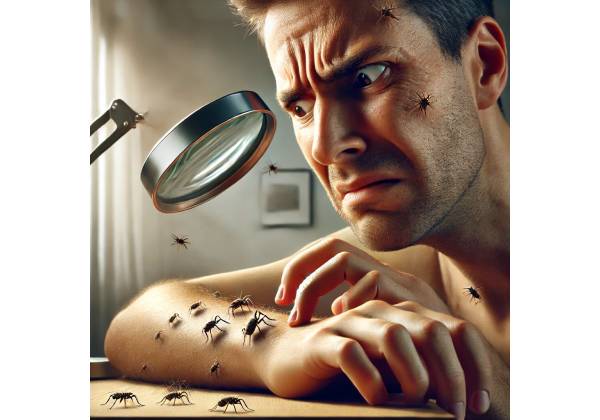
Acarophobia is an intense, persistent fear of mites, ticks, lice, or other tiny crawling organisms, and sometimes the idea of skin infestation itself. The fear can feel far larger than the actual risk in the moment. A person may know that a hotel room, park bench, or sweater is probably safe, yet still feel a jolt of dread, a wave of panic, or an urgent need to inspect, avoid, or escape. Because the trigger often involves the skin, clothing, bedding, or home, this phobia can quietly spread into daily habits and relationships. It may affect sleep, travel, work, intimacy, and basic comfort. The term also has a complicated history, and in older medical writing it was sometimes used in ways that overlap with delusional infestation. That is one reason careful diagnosis matters. This guide explains what acarophobia is, how it presents, what may contribute to it, and which treatments and management strategies can help.
Table of Contents
- What Acarophobia Is
- Symptoms and Warning Signs
- Causes and Risk Factors
- Diagnosis and Look-Alikes
- Daily Impact and Complications
- Treatment Options
- Management and When to Seek Help
What Acarophobia Is
Acarophobia is generally understood as a specific phobia centered on mites, ticks, lice, fleas, bed bugs, scabies, or other tiny crawling organisms, as well as the fear of being bitten, infested, or contaminated by them. The fear is not just dislike or disgust. It is persistent, excessive, and strong enough to trigger avoidance or major distress. For some people, the focus is on real organisms such as ticks or mites. For others, the most distressing part is the possibility of something invisible on the skin, in the hair, in bedding, or inside the home.
That distinction matters because many people feel uncomfortable around pests without having a mental health disorder. A reasonable response after finding a tick on the body or learning that a household contact has scabies is not the same as a phobia. Acarophobia becomes more likely when the fear is out of proportion to the actual situation, keeps returning, and starts shaping routine decisions in a rigid way.
The term itself can create confusion. In older medical literature, acarophobia was sometimes used loosely alongside terms linked to delusional parasitosis or delusional infestation. Modern assessment tries to separate these states more clearly. In a phobia, the person fears infestation or crawling organisms and usually recognizes, at least on some level, that the reaction may be excessive. In delusional infestation, the person has a fixed belief that infestation is already happening despite contrary evidence. The two can look similar at first, but they are not the same condition and they are not treated in the same way.
Acarophobia may appear on its own or as part of a larger anxiety pattern. It can develop in children, teenagers, or adults. Some people have a narrow trigger, such as fear of ticks after outdoor activity. Others have a broader pattern that includes hotel rooms, secondhand clothing, public seating, pets, shared laundry, skin sensations, or even news reports about infestations.
Common features that point toward a phobia include:
- intense fear before contact with the feared trigger
- repeated avoidance of places, items, or situations linked to infestation
- distress that feels larger than the objective level of danger
- interference with daily life, sleep, travel, or social functioning
In practice, acarophobia is best understood as a fear-based condition within the broader category of specific phobia, with an important diagnostic need to rule out real infestation, medical causes of itching or crawling sensations, obsessive-compulsive symptoms, trauma responses, and delusional disorders. That careful framing is what makes the rest of the evaluation useful.
Symptoms and Warning Signs
The symptoms of acarophobia usually show up in three connected ways: physical anxiety, distressing thoughts, and avoidance behavior. The body often reacts first. A person may see a speck on a bedsheet, hear about bed bugs in a building, notice an itch, or think about camping, and the nervous system responds as if danger is immediate. Even when there is no proof of infestation, the reaction can feel urgent and hard to control.
Common physical symptoms include:
- racing heart
- sweating
- trembling
- tightness in the chest
- nausea
- dizziness
- chills or flushing
- shortness of breath
- a sense of panic or impending loss of control
The mental side of the phobia often includes repetitive scanning and catastrophic interpretation. A person may think, “What if there are mites in the carpet?” or “That itch means something is crawling on me.” Small sensations that most people would ignore can take on outsized meaning. A skin tickle, lint on clothing, or a spot on a mattress can become a trigger for hours of fear.
Behavioral symptoms are often what make the condition visible to others. Someone with acarophobia may:
- avoid parks, hotels, public transport, or secondhand stores
- refuse to sit on upholstered furniture outside the home
- inspect bedding, pets, hair, or clothing repeatedly
- wash or dry items far more than needed
- discard belongings after suspected exposure
- avoid guests or travel
- seek repeated reassurance from family, clinicians, or pest services
In milder cases, the person continues daily life but with significant stress and ritualized checking. In more severe cases, routines become narrow and exhausting. Sleep may suffer because the person checks sheets late at night. Relationships may suffer because others see the behavior as excessive, or because the person avoids closeness, shared space, or overnight stays.
There are also warning signs that the problem may be more than a simple phobia. These include strong conviction that infestation is already present despite repeated negative evaluations, persistent scratching or skin picking that causes injury, or the use of chemicals, sprays, or home remedies in unsafe ways. Those features can signal a different or overlapping condition and deserve prompt assessment.
Children may not describe the fear directly. Instead, they may refuse outdoor play, panic during lice checks, resist sleepovers, or become distressed about itching after hearing about bugs at school. Adults may hide the fear because they feel embarrassed or fear sounding irrational.
The key pattern is not a single episode of alarm. It is repeated fear, repeated avoidance, and growing interference. When that pattern holds, acarophobia should be taken seriously as a condition that can affect health, freedom, and quality of life.
Causes and Risk Factors
Acarophobia does not usually come from one single cause. It tends to develop through a mix of lived experience, temperament, learning history, and stress. In some people, the trigger is easy to identify. In others, the fear grows gradually and only later becomes recognizable as a phobia.
A direct frightening experience is one common pathway. A person may have had scabies, lice, flea bites, a tick bite, or a bed bug exposure that was physically uncomfortable, emotionally upsetting, or socially humiliating. Even when the medical problem resolved, the brain may have kept the alarm response. After that, similar situations can start to feel dangerous long before any evidence appears.
Indirect learning can matter just as much. A child who watches a parent panic over insects, obsessively inspect bedding, or speak about infestation in catastrophic terms may begin to encode the same fear. Media exposure can also intensify vulnerability. Repeated stories about bed bugs, parasites, Lyme disease, or outbreaks can amplify perceived risk, especially in people who already tend to be anxious.
Risk factors that may increase vulnerability include:
- a history of other specific phobias or panic symptoms
- childhood behavioral inhibition or high baseline anxiety
- sensory sensitivity to skin sensations, touch, or itching
- past skin conditions that involved intense itching
- traumatic experiences involving cleanliness, sleeping spaces, or bodily exposure
- family patterns of anxiety, checking, or contamination fear
- major life stress, sleep deprivation, or health anxiety
Disgust sensitivity can also play a role. In some phobias, the core emotion is not only fear but a blend of fear and revulsion. Tiny organisms, bites, eggs, nests, or the thought of something living in fabric or on skin can create a powerful body-based reaction. Once that reaction becomes linked to avoidance, the cycle strengthens quickly.
Avoidance is one of the strongest maintaining factors. When a person avoids a hotel, throws away clothing, or leaves a room after seeing a harmless insect, anxiety often drops fast. That relief teaches the brain that escape worked. The short-term gain creates a long-term problem. The next trigger feels more threatening, and the urge to avoid becomes stronger.
It is also important to note that a fear of infestation may grow around a real public health concern but then become disproportionate. Ticks, lice, and scabies are genuine issues in some settings. Acarophobia is not defined by caring about those risks. It is defined by an exaggerated threat response that persists when risk is low, uncertain, or already addressed.
Because the topic involves skin sensations and infestation, other problems can mingle with the fear. Health anxiety, obsessive-compulsive symptoms, trauma, and even certain dermatologic or neurologic conditions can shape how the fear develops. That is why clinicians focus less on finding one perfect cause and more on understanding the pattern that keeps the fear alive.
Diagnosis and Look-Alikes
Diagnosis begins with a detailed clinical history, not a lab test. A clinician will usually want to know what the person fears, when the fear started, how often it appears, what they do to feel safe, and how much the problem is limiting life. If the pattern fits a specific phobia, the fear will usually be persistent, clearly excessive, and linked to marked anxiety or avoidance when the trigger appears or is anticipated.
Several questions guide the assessment:
- Is there evidence of a real infestation or another skin problem?
- Is the main problem fear of future exposure, or certainty that infestation is already present?
- Does the person recognize that the fear may be unreasonable?
- Are there compulsive rituals, trauma symptoms, panic attacks, or psychotic features that better explain the presentation?
- Is the condition impairing sleep, work, relationships, health, or basic routine?
The most important step is ruling out look-alikes. Real medical causes always come first. Itching, crawling sensations, or skin irritation can be related to dermatologic conditions, allergic reactions, scabies, lice, medication effects, neuropathic symptoms, or other medical issues. A person who is truly infested does not need a phobia diagnosis. They need appropriate medical care.
Beyond that, several mental health conditions can resemble acarophobia:
- obsessive-compulsive disorder, especially contamination and checking themes
- illness anxiety disorder
- panic disorder with strong body vigilance
- trauma-related disorders
- delusional infestation
- depressive or psychotic disorders
- substance-related states that involve tactile sensations or severe anxiety
The distinction from delusional infestation is especially important. In acarophobia, the person fears infestation and may overestimate risk, but the core problem is anxiety and avoidance. In delusional infestation, the person is convinced that insects, mites, worms, fibers, or other agents are already present despite lack of evidence. That belief may be fixed and difficult to question. The person may bring in skin debris, lint, or other materials as “proof,” or repeatedly seek pest control or dermatology opinions without relief.
Children require special care in diagnosis because fears can be expressed through behavior rather than language. A child may refuse sleepovers, cry over an itch, or avoid pets and outdoor spaces without being able to explain why. Parents can help identify whether the fear is brief and developmentally common or persistent and impairing.
Good diagnosis is not only about naming the problem. It is about deciding what kind of help will work. A fear-based condition responds best to exposure-focused therapy. A fixed false belief of infestation, a primary skin disease, or compulsive contamination rituals requires a different plan. That is why thorough assessment is not a formality. It is the foundation of effective treatment.
Daily Impact and Complications
Acarophobia can shrink daily life in subtle ways at first and then more dramatically over time. Because the feared trigger is often tied to ordinary routines such as sleeping, dressing, traveling, sitting in public places, or spending time outdoors, the condition can spread across many parts of life before the person realizes how much it is controlling them.
Sleep is one common casualty. A person may check sheets repeatedly, change bedding late at night, inspect the mattress, or wake frequently to monitor itching or sensations on the skin. Travel can become difficult because hotel rooms, rental cars, shared laundry facilities, and public seating all feel risky. Parents may stop letting children attend sleepovers or camps. Adults may avoid visits, work trips, or relationships that require shared spaces.
At home, the phobia can generate exhausting routines such as:
- repeated vacuuming, laundering, or heat-treating items
- isolating bags, shoes, coats, or packages
- avoiding upholstered furniture
- limiting contact with pets
- refusing secondhand items or deliveries
- repeatedly searching the internet for signs of infestation
These behaviors may look practical at first, but they often become time-consuming and emotionally draining. Family members can get pulled into the cycle too. They may be asked to inspect skin, wash items repeatedly, confirm that nothing is present, or avoid normal activities. Over time, this can create tension, resentment, and confusion.
The condition may also affect health in direct ways. Some people overuse topical products, pesticides, or cleaning agents in attempts to feel safe. Others scratch, pick, or scrub the skin hard enough to cause irritation, wounds, or infection. When the fear centers on the body, intimacy and medical examinations may become difficult. A person may delay seeking real care for itching or rashes because any skin symptom has become emotionally loaded.
Complications can include:
- social withdrawal
- chronic stress and sleep disruption
- reduced work or school performance
- financial strain from replacing items or paying for repeated inspections
- skin damage from scratching or harsh cleaning
- worsening anxiety, panic, or depression
One of the most distressing features of phobias is that avoidance often appears to solve the problem while quietly making it worse. The person feels safer in the short term, but life becomes smaller and the feared situation feels less manageable each time it is avoided.
Acarophobia can also create a painful mismatch between logic and emotion. Someone may understand that the probability of infestation is low, yet still feel unable to relax. That internal conflict often produces shame. People may worry that others will see them as dramatic, obsessive, or unreasonable. In reality, they are dealing with a fear system that has become overtrained. Recognizing the impact clearly is not pessimistic. It is the first step toward reversing the cycle.
Treatment Options
The main treatment for acarophobia is psychotherapy, especially cognitive behavioral therapy with exposure-based work. This approach targets the cycle that keeps the phobia alive: trigger, fear, avoidance, brief relief, and then stronger fear the next time. Treatment works by interrupting that cycle in a structured way.
Exposure therapy does not mean forcing a person into the most frightening situation on day one. The usual method is gradual and collaborative. A therapist helps the person build a hierarchy from least distressing to most distressing situations, then practice those steps until anxiety becomes more manageable and the feared outcome loses power.
A graded plan for acarophobia might include steps such as:
- Looking at written words or images related to mites, ticks, or bed bugs.
- Standing near items that have been feared, such as luggage or secondhand clothing.
- Visiting a park, hotel, or public seat without engaging in prolonged checking.
- Delaying inspection rituals.
- Touching or using previously avoided objects.
- Staying in the situation long enough for anxiety to fall without escaping.
The exact ladder depends on the person’s triggers. Some fear outdoor exposure. Others fear beds, carpets, pets, or bodily sensations like itching. Good exposure work is specific. It should match the actual pattern of fear rather than use generic exercises.
Cognitive behavioral therapy can also address thought patterns that magnify danger. Examples include:
- overestimating the probability of infestation
- treating every itch as proof of exposure
- assuming uncertainty is intolerable
- believing that repeated checking prevents catastrophe
The goal is not to argue emotions away. It is to help the person test beliefs more realistically while learning, through experience, that anxiety can be tolerated without ritual or escape.
Other helpful approaches may include acceptance and commitment strategies, skills for reducing reassurance seeking, and family guidance when loved ones have become part of the checking cycle. In children, parent involvement is often essential because accommodation at home can unintentionally reinforce the fear.
Medication is usually not the first-line treatment for an isolated specific phobia. In some cases, clinicians may use medication when panic symptoms are severe or when another disorder such as generalized anxiety, major depression, or obsessive-compulsive disorder is also present. Medication choices depend on the broader clinical picture.
Treatment must change if the problem is not a simple phobia. A patient with true infestation needs medical treatment. A patient with delusional infestation, psychosis, or substance-related tactile symptoms needs a different psychiatric and medical approach. That is one reason accurate diagnosis matters so much. When the condition is truly a specific phobia, exposure-based therapy remains the most evidence-supported and most practical route to recovery.
Management and When to Seek Help
Daily management is not a substitute for treatment, but it can make recovery more realistic and more durable. The aim is not to eliminate all caution. It is to bring fear back into proportion and stop organizing life around constant threat monitoring.
One helpful starting point is to identify the main pattern. Ask:
- What do I fear most: bites, contamination, itching, public spaces, travel, or skin sensations?
- What do I do to feel safe: check, wash, search, discard, ask for reassurance, or avoid?
- Which behaviors reduce anxiety for a few minutes but make the fear stronger later?
Once that pattern is clear, self-management becomes more concrete. Useful strategies often include:
- Build a fear ladder.
Start with a step that causes mild to moderate anxiety, not overwhelming panic. - Practice regularly.
Brief, repeated exposure works better than rare all-or-nothing attempts. - Limit reassurance.
Repeated asking, repeated online searching, and repeated inspection can keep the phobia active. - Track progress.
A notebook can help show that anxiety rises, peaks, and then falls even without escape. - Use calm structure, not harsh self-pressure.
Recovery usually works better with repetition and patience than with forced confrontation. - Keep reasonable safety separate from phobic ritual.
A basic tick check after hiking is sensible. A two-hour inspection of every seam of clothing after ordinary daily life is not.
Family members can help by supporting treatment goals rather than feeding the cycle. That usually means avoiding ridicule, limiting participation in repeated checking, and praising concrete progress. It does not mean dismissing the fear as silly. The experience is real, even when the threat estimate is distorted.
Professional help is important when fear is persistent, expanding, or harming daily functioning. Seek a mental health assessment if the condition is interfering with sleep, work, school, travel, social life, or home life, or if the person cannot reduce checking and avoidance despite wanting to. A combined medical and psychiatric evaluation may be especially useful when itching or crawling sensations are prominent.
Prompt care is especially important when any of these appear:
- skin injury from scratching, picking, or harsh cleaning
- unsafe use of pesticides, chemicals, or home remedies
- severe panic attacks
- repeated medical visits without reassurance lasting
- strong conviction of infestation despite negative findings
- marked depression, hopelessness, or social withdrawal
Emergency help is needed if there is self-harm, suicidal thinking, inability to care for basic needs, or dangerous behavior driven by fear of infestation.
The outlook is often good when the condition is recognized accurately and treated early. Specific phobias can be stubborn, but they are also highly treatable. With the right plan, fear becomes less dominant, rituals lose urgency, and situations that once felt loaded with danger can return to being manageable parts of ordinary life.
References
- Phobias and Phobia-Related Disorders – National Institute of Mental Health (NIMH) 2025 (Fact Sheet)
- Specific Phobia – PubMed 2026 (Clinical Overview)
- The relative efficacy and efficiency of single- and multi-session exposure therapies for specific phobia: A meta-analysis – PubMed 2022 (Systematic Review and Meta-Analysis)
- Virtual Reality Exposure Treatment in Phobias: a Systematic Review – PubMed 2021 (Systematic Review)
- State-of-the-Art Review: Evaluation and Management of Delusional Infestation – PubMed 2024 (Review)
Disclaimer
This article is for educational purposes only and is not a diagnosis or a substitute for medical or mental health care. Fear of mites, ticks, itching, or infestation can overlap with skin disease, obsessive-compulsive symptoms, trauma-related disorders, medication effects, substance-related symptoms, and delusional infestation. A proper evaluation is important when symptoms are persistent, distressing, or affecting health and daily life. If there is severe self-neglect, skin injury, unsafe chemical use, or thoughts of self-harm, seek urgent medical or emergency help right away.
If you found this article useful, please consider sharing it on Facebook, X, or any other platform you prefer.